products.productRange
مجموعة كاملة من الصمامات الصناعية لجميع التطبيقات.
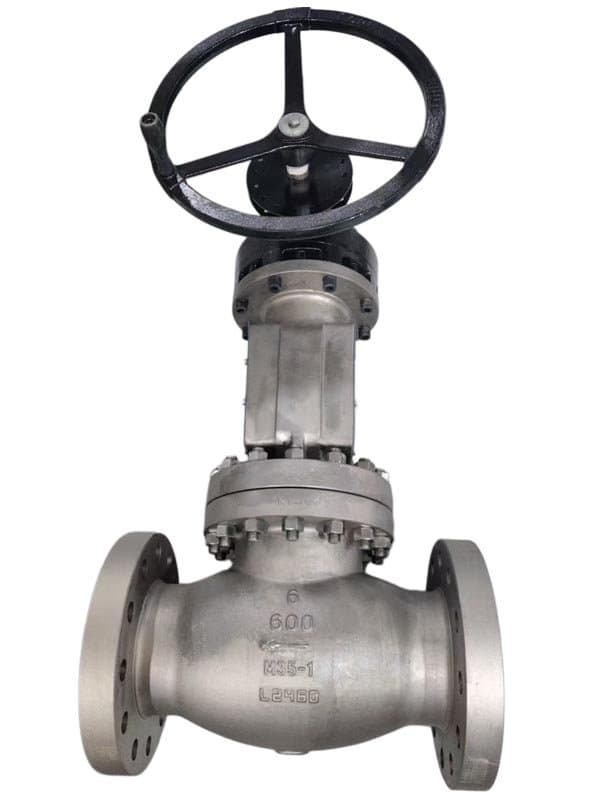
صمام غلوب قياسي
2" - 12" (DN50 - DN300) Class 150 - 600 / PN 10-100 ASME B16.34, API 600, MSS SP-42 (ستانلس ستيل)، حسب مواصفات الشركة المصنعة A216 WCB (فولاذ كربوني مصبوب)، A351 CF8M (فولاذ مقاوم للصدأ مصبوب 316)، A351 CF8 (فولاذ مقاوم للصدأ مصبوب 304)، حديد مطاوع (GGG40) حلقة مقعد معدنية ملحومة أو ملولبة في الجسم. يتلامس القرص مع حلقة المقعد للإغلاق. طبقة Stellite متاحة للخدمة التآكلية أو التحكم عالي التكرار. قرص سدادي (سطح مسطح أو مخروطي) — يرتفع عموديًا عن حلقة المقعد. ينزلق على سطح المقعد أثناء الإغلاق. عمود صاعد OS&Y مع عجلة يدوية غطاء مثبت بمسامير مع صندوق حشو جسم بنمط T (جسم Z). نهايات بحواف. ما يفعله هذا الصمام فعليًا صمامات الكرة الأرضية تتحكم في التدفق. صمامات البوابة تعزل. صمامات الكرة تعزل بسرعة. هذا هو خط التقسيم في اختيار صمامات العمليات — واختيار النوع الخاطئ يكلف مالًا. يرتفع القرص عن المقعد ويضغط عليه. يمكن أن يبقى في أي موضع بين الفتح الكامل والإغلاق الكامل، منظمًا التدفق بدقة. إسفين صمام البوابة ينزلق بين مقعدين — مفتوح تمامًا أو مغلق تمامًا، لا شيء بينهما. عند الفتح الجزئي، يبقى الإسفين في مسار التدفق، مهتزًا ومتآكلًا. نفس المشكلة مع صمامات الكرة. عند فتح 50%، يبقى القرص ثابتًا على العمود، مخنقًا التدفق عبر الفجوة بين سطح القرص وحلقة المقعد. هذا ما صُنع هذا الصمام من أجله. لماذا انخفاض الضغط ليس مشكلة تدفق نمط T يدخل أفقيًا، وينزل عبر المقعد، ويصعد عبر القرص، ويخرج أفقيًا — تغييران في الاتجاه. انخفاض الضغط يكون أعلى بمقدار 3-5 مرات من صمام البوابة أو الكرة بنفس الحجم. وهذا الانخفاض هو بالضبط الهدف. انخفاض الضغط الأعلى يعني سلطة تنظيم تدفق أكبر — موضع القرص يتحكم في مقدار طاقة الخنق المطبقة. تُحدد صمامات الكرة الأرضية على خطوط إعادة التدوير، وخطوط التحويل، وحماية الحد الأدنى لتدفق المضخات، وفي أي مكان تحتاج فيه لتقليل التدفق، وليس فقط إيقافه. على خط التدفق الكامل، لا تستخدم صمام كرة أرضية. الانخفاض يكلف طاقة ضخ في التشغيل المستمر. بوابة أو كرة للعزل. كرة أرضية للتحكم. قصة المقعد والقرص حلقة معدنية ملحومة أو ملولبة في جسم الصمام - معدن صلب على معدن صلب، وليس مادة مطاطية لينة. ينزلق القرص على سطح المقعد أثناء الإغلاق، ضاغطًا لأسفل لإيقاف التشغيل. هذا الاحتكاك الانزلاقي هو ما يجعل آلية الخنق تعمل - يحافظ القرص على وضعيات وسيطة دون اهتزاز. خدمة تآكلية أو تشغيل عالي التكرار؟ حدد طبقة Stellite على سطح المقعد. سبيكة الكوبالت والكروم تتحمل حيث يتآكل المعدن العاري ويتلف. خيارات مادة الجسم A216 WCB فولاذ كربوني مصبوب — بخار، ماء، هيدروكربونات غير مسببة للتآكل. A351 CF8M (316) وCF8 (304) — تيارات مسببة للتآكل، خدمة كيميائية. حديد مطيل (GGG40) — مياه خدمات وتدفئة وتهوية وتكييف حيث لا تبرر تكلفة الجسم الفولاذي. الأجسام المصبوبة قياسية للفئات 150-600. سلامة الصب تظل محافظة عند هذه الضغوط. الفئة 600+؟ الأجسام المطروقة تتولى المهمة — منتج مختلف. انخفاض الضغط في النمط T عند الفتح الكامل يكون أعلى بـ3-5 مرات من صمام البوابة أو الكروي. تحتاج قطعًا للإغلاق/الفتح؟ استخدم البوابة أو الكروي. صمامات الكرة الأرضية مخصصة لخدمة التحكم في التدفق. سبيكة الكوبالت-كروم الصلبة على سطح المقعد. ضرورية للخدمة التآكلية أو الدورات المستمرة للتحكم — المعدن العاري يتآكل ويتمزق. موضع مرئي من عبر المصنع — الساق مرفوع يعني مفتوح. عملي للتحكم حيث يضبط المشغلون موضع القرص. الكرات المفتوحة جزئيًا تقع في مسار التدفق. التدفق عالي السرعة يتآكل المقاعد. الصمامات الكروية تعزل — لا تتحكم في التدفق.
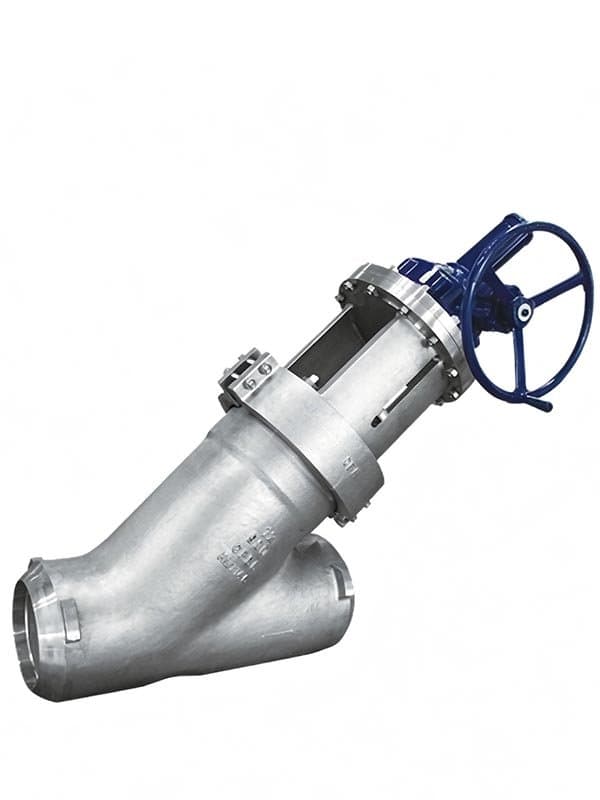
صمام غلوب Y عالي الضغط
2" - 12" (DN50 - DN300) الفئة 600 - 2500 / PN 100-420 ASME B16.34، API 602 (مطروق)، مواصفات خاصة بالشركة المصنعة لصمامات الكرة الأرضية Y بختم الضغط A182 F22 (مطروق من الكروم والموليبدينوم)، A182 F91 (مطروق من 9 كروم-1 موليبدينوم-فاناديوم)، A182 F316 (مطروق من الفولاذ المقاوم للصدأ) طبقة ستلايت على حلقة المقعد ووجه القرص — قياسي للتحكم عالي الضغط قرص سدادي بطبقة ستلايت. أدلة القرص داخل تجويف الجسم لتوسيط الجلوس عند فرق الضغط العالي. ختم الضغط (ختم ذاتي) — ضغط الخط يضغط حلقة الختم بين الغطاء والجسم. ضغط أعلى = ختم أشد إحكامًا. ساق صاعدة OS&Y مع عجلة يدوية جسم بنمط Y. زاوية تدفق 45°. نهايات ذات حواف أو لحام تناكبي. جسم مطروق. تغييران في التصميم مهمان هذا الصمام يحل مشكلتين لا تستطيع صمامات الكرة الأرضية القياسية التعامل معهما عند الضغط العالي — كفاءة التدفق وختم الغطاء. جسم النمط Y يزوي مسار التدفق بزاوية 45° من المدخل إلى المخرج. النمط T القياسي يفرض دورتين بزاوية 90° — دخول أفقي، هبوط عمودي، صعود عمودي، خروج أفقي. زاوية Y تقلص ذلك إلى دورة واحدة بزاوية 45°. انخفاض الضغط عند الفتح الكامل أقل بنسبة 30-50% من النمط T عند نفس الحجم ومعدل التدفق. عند ضغوط الفئة 600+، كل رطل لكل بوصة مربعة من الانخفاض يكلف طاقة ضخ. تقليص 20-30% من انخفاض ضغط الصمام على محطة تحكم بضغط 1500 رطل لكل بوصة مربعة يتراكم بسرعة. نمط Y يحقق تلك الكفاءة مع الحفاظ على التحكم في التدفق بالقرص على المقعد الذي يحدد صمام الكرة الأرضية. غطاء ختم الضغط يحل مشكلة البراغي. الأغطية المثبتة ببراغي عند الفئة 600+ تحتاج براغي ضخمة تتحمل الضغط الداخلي الصاعد. عند الفئات 1500-2500، تصبح تلك البراغي كبيرة بشكل مبالغ فيه — وتبقى مسارًا محتملًا للتسرب تحت الدورات الحرارية. ختم الضغط يقلب المنطق: الضغط الداخلي يضغط حلقة الختم. ضغط أعلى، ختم أشد. لا براغي تحمل حمل التشغيل. الأجسام المطروقة — لا صب عند هذه الضغوط A182 F22، F91، F316 — كلها مطروقة. مسامية الصب عند الفئة 600+ هي موقع بدء الشقوق تحت ضغط التشغيل. الأجسام المطروقة تلغي ذلك — صفر مسامية، بنية حبيبية متجانسة. F22 يتعامل مع البخار عالي الحرارة تحت 565°م. F91 يرتقي بمقاومة زحف محسّنة — قياسي للبخار الرئيسي في محطات الطاقة. F316 يغطي الخدمة البتروكيماوية التآكلية عالية الضغط. الستلايت قياسي هنا طبقة ستلايت على كل من حلقة المقعد ووجه القرص تأتي قياسية — وليست اختيارية. عند ضغوط التحكم بالفئة 600+، طاقة تأثير القرص-المقعد أثناء الإغلاق أعلى بشكل ملحوظ. التدفق عالي السرعة عبر أسطح الجلوس عند أوضاع القرص الجزئية يتآكل المعدن العاري. ستلايت الكوبالت-كروم يتحمل تلك البيئة. أدلة القرص داخل تجويف الجسم لتوسيط الجلوس عند فرق الضغط العالي — لا يمكن أن ينحرف عن المركز تحت القوى غير المتماثلة أثناء الإغلاق. أين يُحدد هذا الصمام محطات الطاقة — تجاوز البخار الرئيسي، تصريف سخان إعادة التسخين، إعادة تدوير مياه التغذية. تحكم البخار عالي الضغط حيث يعمل التحكم في موضع القرص من الفئة 600 حتى الفئة 2500. الخدمة البتروكيماوية — محطات التحكم فوق 1000 رطل لكل بوصة مربعة حيث تحتاج سلطة تنظيم صمام الكرة الأرضية لكن لا يمكنك تحمل عقوبة انخفاض الضغط الكامل للنمط T. صمام الكرة الأرضية Y مع غطاء ختم الضغط وجسم مطروق هو المواصفة القياسية لهذا النطاق. انخفاض ضغط أقل بنسبة 30-50% عند الفتح الكامل. يوفر طاقة الضخ عند ضغوط الفئة 600+. تحتاج أقصى سلطة تحكم؟ النمط T. تحتاج كفاءة؟ النمط Y. ضغط الخط يضغط حلقة الختم — ضغط أعلى، ختم أشد. معدات تثبيت الغطاء تتحمل فقط أثناء التجميع. تحت الضغط، الصمام يختم نفسه. مسامية الصب تصبح مواقع بدء شقوق عند هذه الضغوط. الأجسام المطروقة: صفر مسامية، حبيبات متجانسة. الإغلاق يعمل، لكن انخفاض الفتح الكامل لا يزال أعلى من البوابة أو الكروي. استخدمه للتحكم في التدفق. اللحام التناكبي: دائم، بدون تسرب، لا يمكن إزالته دون إعادة لحام. الحواف: إزالة بالبراغي، وصول أفضل للصيانة.
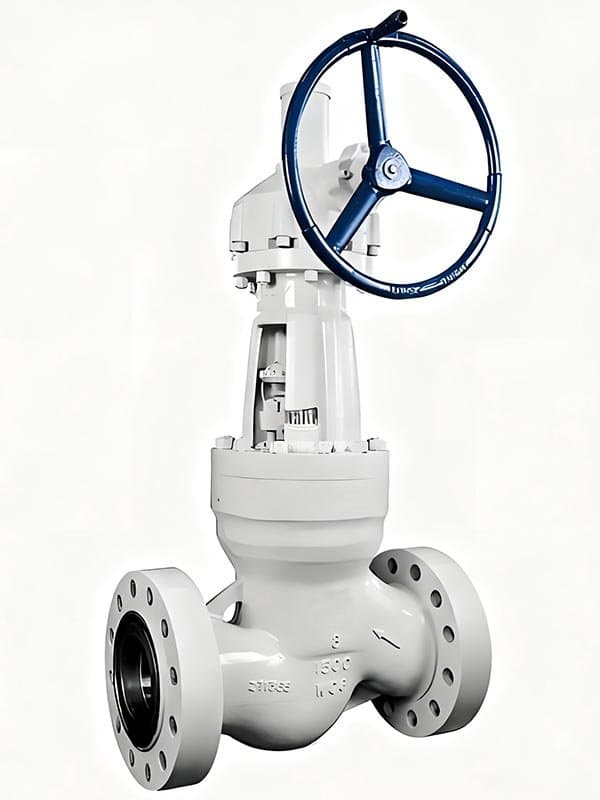
صمامات غلوب ذاتية الإحكام ذات فلنش عالي الضغط
2" - 12" (DN50 - DN300) الفئة 600 - 2500 / PN 100-420 ASME B16.34، API 602 (مطروق)، مواصفات خاصة بالشركة المصنعة لصمامات الكرة الأرضية ذات الحواف بختم الضغط A182 F22، A182 F91، A182 F316، A182 F304 - مُشكّلة بتقنية التشكيل الحراري لضمان سلامة خالية من المسامية طبقة ستلايت على حلقة المقعد ووجه القرص — قياسي للتحكم عالي الضغط قرص سدادي بطبقة ستلايت على سطح الجلوس ختم الضغط (ختم ذاتي) — ضغط الخط يضغط حلقة الختم. لا براغي غطاء تحت ضغط التشغيل. ساق صاعدة OS&Y مع عجلة يدوية نمط T (جسم Z) مع غطاء ختم الضغط ونهايات ذات حواف. جسم مطروق. لماذا النمط T عندما يمكنك اختيار النمط Y ثلاثة أسباب — كلها عملية. المساحة. النمط Y يزيح المدخل-إلى-المخرج بزاوية 45°، مستهلكًا مساحة أفقية أكبر. النمط T بمحاذاة مستقيمة يسهل تركيبه في رفوف الأنابيب المزدحمة وتخطيطات المعدات الضيقة. الإلمام بالصيانة. فرق المصنع عملت على صمامات الكرة الأرضية بنمط T لعقود. فك القرص، المقعد، الجذع، الغطاء — مطابق للصمامات القياسية التي يخدمونها في كل إيقاف تشغيل. استخراج نمط Y عبر الغطاء المائل يتطلب تسلسلًا مختلفًا. الإلمام يقلل الأخطاء. سلطة الخنق. الانخفاض الأعلى في نمط T يعطي حساسية أكبر لموضع القرص عبر النطاق الكامل — خفض التدفق من 100% إلى ما يقارب الصفر بصمام واحد. الانخفاض الأقل في نمط Y يعني سلطة أقل عند مواضع التدفق المنخفض. عندما يكون المدى أكثر أهمية من الكفاءة، يفوز نمط T. غطاء الختم بالضغط — نفس الآلية مطابق لصمام الكرة الأرضية ذاتي الختم بنمط Y. ضغط الخط يضغط حلقة الختم بين الغطاء والجسم. ضغط أعلى = ختم أشد. لا توجد مسامير غطاء تحمل الحمل في ظروف التشغيل — معدات التثبيت تعمل فقط أثناء التجميع وحالات الضغط الصفري. عند الفئة 600-2500، الأغطية المثبتة بمسامير تحتاج مسامير كبيرة ومكلفة وتشكل خطر تسرب تحت الدورات الحرارية. الختم بالضغط يلغي ذلك — الصمام يختم نفسه. الجسم المطروق — إلزامي A182 F22، F91، F316، F304 — نفس تشكيلة الطرق كما في صمام الكرة الأرضية Y. المسامية في الصب عند الفئة 600+ تخلق خطر بدء الشقوق. الأجسام المطروقة: صفر مسامية، حبيبات متجانسة. F22 للبخار تحت 565 درجة مئوية. F91 للخدمة الأعلى مع مقاومة زحف محسّنة. F316 للبتروكيماويات المسببة للتآكل. F304 لمقاومة الفولاذ المقاوم للصدأ عند درجات حرارة منخفضة. طلاء الستلايت — قياسي وجه القرص وحلقة المقعد يحملان الستلايت. نفس المنطق كما في صمام Y — التدفق عالي السرعة عند الفئة 600+ يؤدي إلى تآكل المعدن العاري. الكوبالت-كروم يتحمل تأثير الإغلاق وتآكل الخنق الجزئي. أدلة القرص داخل تجويف الجسم لجلوس مركزي عند فرق الضغط العالي. نهايات ذات حواف — عملية للصيانة الوصلات ذات الحواف تسمح بالإزالة بالمسامير عند الفئة 600-2500 — على عكس اللحام التناكبي الذي يتطلب القطع وإعادة اللحام. صمامات الخنق تُخدم بانتظام. الحواف تعطي وصولًا عمليًا دون أعمال حرارية. كلا النوعين من النهايات مقبول عند هذه الضغوط. الحواف هي الخيار عندما تحتاج إلى سحب الصمام. مساحة رف الأنابيب الضيقة، فرق الصيانة التي تفضل إجراء نمط T المألوف، والخنق حيث تكون سلطة التنظيم القصوى أكثر أهمية من تقليل الانخفاض. الختم بالضغط والجسم المطروق متطابقان. نمط T: سحب الغطاء العمودي المستقيم، القرص يخرج عموديًا. نمط Y: الاستخراج عبر الغطاء المائل، تسلسل مختلف. الحواف تعطي إزالة بالمسامير دون قطع الأنبوب. صمامات الخنق تشهد خدمة منتظمة. الوصول بالحواف يوفر الوقت ويلغي الأعمال الحرارية. نعم — انخفاض أعلى من نمط Y عند الفتح الكامل. مقايضة: سلطة خنق أكبر. إذا كان مدى التخفيض مهمًا، التكلفة مقبولة. إذا كانت الكفاءة مهمة، اختر نمط Y. اسأل، لكن لا ينبغي. المعدن العاري يتآكل ويحتك عند ضغوط الخنق بالفئة 600+. الستلايت قياسي لأن الخبرة الميدانية تظهر عمرًا غير مقبول للقرص والمقعد بدونه.
نظرة عامة فنية
صمامات الكرة الأرضية (Globe Valves) تتحكم في التدفق وتعزل. يرفع القرص عن مقعده ويضغط على حلقة المقعد — آلية الجلوس هذه تسمح للقرص بالبقاء في أي موضع وسيط بين الفتح الكامل والإغلاق الكامل، مما يمنح سلطة تنظيم التدفق التي لا تستطيع صمامات البوابة والكرة توفيرها عند الفتح الجزئي. المقابل: انخفاض ضغط أعلى. تُجبر صمامات الكرة الأرضية التدفق على المرور عبر تغييرين في الاتجاه بزاوية 90° في التصميم القياسي بنمط T (جسم Z)، مما يخلق انخفاض ضغط أكبر بمقدار 3-5 مرات عند الفتح الكامل مقارنة بصمامات البوابة أو الكرة بنفس الحجم. هذا الانخفاض في الضغط مقبول لأن صمامات الكرة الأرضية تُحدد لخدمة التحكم في التدفق حيث يكون تقليل التدفق هو الغرض، وليس للعزل الكامل التدفق حيث يكون تقليل انخفاض الضغط هو الأولوية. تصنع FLOWKS ثلاثة تكوينات لصمامات الكرة الأرضية. الصمامات القياسية بجسم T، وغطاء مثبت بمسامير، وقرص صلب تغطي التحكم العام والعزل عند الفئات Class 150-600 من 2" إلى 12" — خطوط المياه والبخار والزيت والتحويل الكيميائي وخطوط إعادة التدوير حيث تكون الحاجة لتنظيم التدفق. صمامات Y عالية الضغط ذاتية الإحكام تجمع بين سلامة الجسم المطروق، وإحكام الغطاء بختم الضغط، وهندسة تدفق الجسم بنمط Y لخدمة Class 600-2500 — نمط Y يقلل انخفاض الضغط بنسبة 30-50% من خلال تحول تدفق واحد بزاوية 45° بدلاً من تحولين بزاوية 90°، وغطاء ختم الضغط يلغي مسامير الغطاء الضخمة عند ضغط التشغيل العالي. صمامات الكرة الأرضية ذات الحواف عالية الضغط ذاتية الإحكام تستخدم نفس الجسم المطروق وغطاء ختم الضغط في جسم قياسي بنمط T — انخفاض ضغط أعلى لكن سلطة تحكم أكبر، وهندسة صيانة مألوفة، وتركيب مضغوط على رفوف الأنابيب لتحويل البخار في محطات الطاقة والتحكم عالي الضغط في البتروكيماويات.
توفر صمامات الكرة الأرضية من FLOWKS التحكم في التدفق والعزل التشغيلي عبر الخدمة العامة وعالية الضغط. الصمامات القياسية بجسم T، وغطاء مثبت بمسامير، وقرص بمقعد Stellite تغطي التحكم والعزل من Class 150-600 من 2" إلى 12" — خطوط التحويل، وإعادة التدوير، وحماية الحد الأدنى لتدفق المضخات، والتحكم العام في العمليات حيث تكون سلطة تحديد موضع القرص أكثر أهمية من كفاءة انخفاض الضغط. صمامات Y عالية الضغط ذاتية الإحكام توفر تحكمًا من Class 600-2500 مع سلامة الجسم المطروق الخالي من المسامية، وغطاء ختم الضغط الذي يستخدم ضغط الخط كقوة إحكام، وجسم بنمط Y يقلل انخفاض الضغط عند الفتح الكامل بنسبة 30-50% مقارنة بنمط T — تُحدد لتحويل البخار الرئيسي في محطات الطاقة، وتصريف سخان إعادة التسخين، وإعادة تدوير مياه التغذية حيث تلتقي سلطة التحكم عالي الضغط مع متطلبات كفاءة الطاقة في انخفاض الضغط. صمامات الكرة الأرضية ذات الحواف عالية الضغط ذاتية الإحكام تستخدم نفس الجسم المطروق وغطاء ختم الضغط في الجسم القياسي بنمط T — سلطة تحكم أكبر من انخفاض ضغط أعلى، وتركيب مضغوط بخط مستقيم على رفوف الأنابيب، وهندسة صيانة مألوفة لفرق المصانع المعتادة على خدمة صمامات الكرة الأرضية بنمط T. طبقة Stellite على حلقة المقعد وسطح القرص تتحمل التآكل عالي السرعة وتأثير القرص على المقعد عند ضغوط تشغيل Class 600+.
تنزيلات المنتجات
القطاعات التي تستخدم هذا المنتج
تطبيقات في مختلف القطاعات الصناعية.
Petrochemical
Corrosion-resistant valves for aggressive media in chemical processing plants. FLOWKS alloy and fluorine-lined valves are engineered to handle the most challenging petrochemical environments.
Power Generation
High-temperature and high-pressure valves for fossil fuel, nuclear, and renewable energy plants. FLOWKS gate valves and globe valves are proven in power generation service worldwide.
Chemical
Specialized alloy and fluorine-lined valves for highly corrosive and toxic chemical processes. Zero-emission bellows seal valves and exotic alloy construction for the chemical industry.
products.lookingMore
products.lookingMoreDesc
Ball Valves
FLOWKS offers floating ball valve, trunnion mounted ball valve and top entry ball valve for oil & gas, petrochemical and power generation. Designed per API 6D, API 608 and ASME B16.34.
DBB Valves
FLOWKS Double Block & Bleed (DBB) valves provide dual isolation with bleed verification in a single compact body. Replacing traditional multi-valve installations, FLOWKS DBB valves reduce weight, space and potential leak paths. Available in bolted bonnet, all-welded and expanding gate designs per API 6D and API 607.
Gate Valves
FLOWKS gate valves for isolation service in piping systems. Flexible wedge, solid wedge, slab and expanding gate designs per API 600, API 602 and ASME B16.34.
Check Valves
FLOWKS check valves prevent reverse flow. Dual plate, swing, tilting disc and lift check designs per API 594 and BS 1868.