Van Cầu Đa Cổng
Giới thiệu Van Cầu Đa Cổng
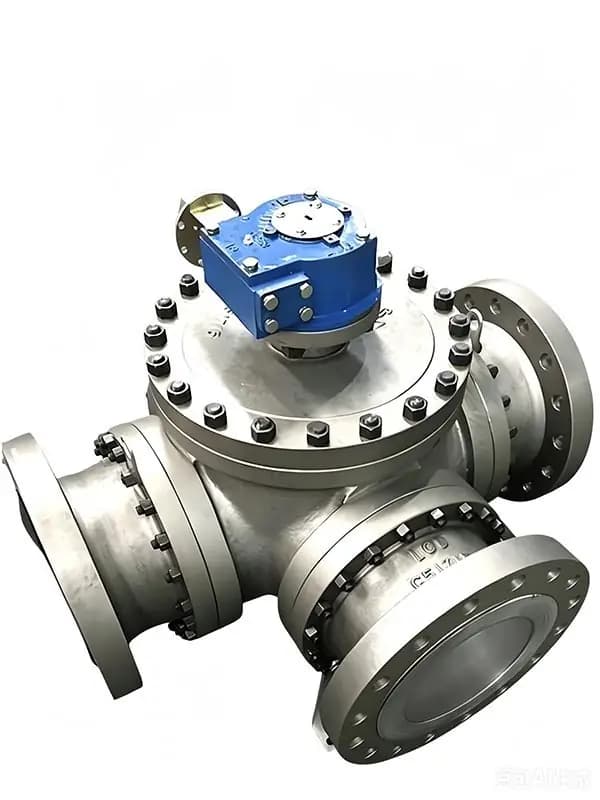
Hầu hết các bố trí đường ống xử lý chuyển hướng dòng chảy theo cách thông thường——lắp hai hoặc ba van bi hai cổng tiêu chuẩn trên các đường ống nhánh, thêm khuỷu nối và phụ kiện chữ T để dẫn môi chất giữa các đường quy trình khác nhau, và hy vọng cụm lắp ráp giữ được kín khít mà không phát sinh rò rỉ tại mọi mặt bích và mối nối ren. Cách này hoạt động. Nhưng chi phí lắp đặt đắt, chi phí bảo trì cao, và tạo ra nhiều điểm rò rỉ tiềm ẩn hơn mức quy trình thực sự cần. Van bi đa cổng thay thế toàn bộ cụm lắp ráp đó bằng một thân van duy nhất——một lần lắp đặt, một hệ thống làm kín, một bộ truyền động (nếu cần), và một đường dòng chảy thay đổi hướng bằng cách xoay bi thay vì đóng mở nhiều van theo trình tự.
Van bi đa cổng FLOWKS bao phủ toàn bộ phạm vi cấu hình cổng: thiết kế ba ngả dạng L-port và T-port để chuyển hướng cơ bản giữa hai đường dòng chảy, van bốn ngả để phân phối và cách ly đồng thời trên nhiều nhánh đường ống, và cấu hình năm ngả cho các yêu cầu định tuyến phức tạp mà van hai cổng tiêu chuẩn không thể xử lý nếu không có cụm manifold phức tạp. Cấu hình làm kín khác nhau theo thiết kế——ba ngả ba vòng làm kín, ba ngả hai vòng làm kín, và ba ngả bốn vòng làm kín có sẵn tùy thuộc vào số lượng đường dòng chảy cần được cách ly độc lập tại bất kỳ vị trí bi nào. Cấu hình phù hợp không phải thứ bạn chọn từ danh mục. Nó phụ thuộc vào bố trí đường ống cụ thể của bạn, số hướng môi chất cần chuyển đổi, đường nào phải bị chặn trong khi đường khác vẫn mở, và liệu quy trình yêu cầu chuyển hướng dòng chảy đồng thời hay tuần tự. Đó là lý do các van này được chế tạo theo đơn đặt hàng——không phải sản xuất hàng loạt theo cấu hình tiêu chuẩn với hy vọng một trong số đó tình cờ phù hợp với ứng dụng của bạn.
Cấu hình cổng quyết định van làm gì tại mỗi vị trí xoay. Van ba ngả dạng L-port dẫn dòng chảy giữa hai trong ba đường ống được kết nối, với cổng thứ ba bị chặn——thẳng qua hoặc chuyển hướng, một đường hoạt động tại mỗi thời điểm. Van ba ngả dạng T-port cho phép dòng chảy qua hai cổng đồng thời hoặc chuyển hướng giữa bất kỳ hai trong ba kết nối——linh hoạt định tuyến hơn, nhưng kiểm soát cách ly kém hơn vì ít nhất hai cổng luôn mở ở mọi vị trí. Thiết kế bốn ngả và năm ngả bổ sung thêm độ phức tạp định tuyến——dòng chảy có thể được dẫn hướng, kết hợp, hoặc cách ly trên nhiều nhánh trong một lần xoay van, thay thế cụm manifold mà nếu không sẽ cần từ bốn đến sáu van riêng lẻ và các kết nối đường ống giữa chúng. Mỗi cổng và vòng làm kín bổ sung trong van đa cổng loại bỏ toàn bộ cụm van-cộng-phụ kiện mà nếu không sẽ tồn tại trong hệ thống đường ống——và mỗi lần loại bỏ loại trừ một điểm rò rỉ tiềm ẩn, một hạng mục bảo trì, và một phần cứng phải được mua sắm, lắp đặt và kiểm tra riêng biệt.
Đây là những van được thiết kế tùy chỉnh. Bố trí cổng, hình dạng lỗ bi, lựa chọn vật liệu đế van, vật liệu thân van, và loại kết nối đầu cuối được xác định để khớp chính xác với điều kiện quy trình mà van sẽ phục vụ——loại môi chất, áp suất vận hành, dải nhiệt độ, tần suất chu kỳ, và logic chuyển hướng cụ thể mà hệ thống đường ống yêu cầu. Van ba ngả dạng L-port xử lý nước sạch ở Class 150 nhận bộ thông số kỹ thuật khác với van bốn ngả dẫn khí chua giữa nhiều đơn vị xử lý ở Class 600. Đội ngũ kỹ thuật làm việc dựa trên bố trí đường ống và yêu cầu chuyển hướng của khách hàng, không phải từ ma trận sản phẩm tiêu chuẩn. Khả năng tùy chỉnh đó chính là sản phẩm——không chỉ bản thân van, mà còn là quy trình kỹ thuật xác định chính xác cấu hình nào, bố trí làm kín nào, và tổ hợp vật liệu nào sẽ hoạt động đáng tin cậy trong ứng dụng cụ thể cho khoảng thời gian phục vụ dự kiến.
Kết cấu thân van tuân theo tiêu chuẩn chất lượng vật liệu giống như toàn bộ dòng van bi FLOWKS. Thân thép rèn cho các ứng dụng áp suất cao và yêu cầu tính toàn vẹn cao nơi mật độ vật liệu và khả năng chứa áp suất là yếu tố quan trọng. Thân thép đúc cho kích thước lớn hơn và các dự án nhạy cảm về số lượng nơi kinh tế đúc mang lại giá trị đơn vị tốt hơn. Vật liệu thân bao gồm thép carbon A216 WCB cho dịch vụ quy trình thông thường, thép không gỉ A351 CF8M cho môi chất ăn mòn, A182 F51 duplex và A182 F53 super duplex cho môi trường chứa chloride khắc nghiệt——các tùy chọn hợp kim tương tự có sẵn trên toàn bộ dòng sản phẩm, được áp dụng ở đây trong cấu hình đa cổng. Vật liệu đế van bao gồm PTFE, PEEK gia cường, Nylon, Delrin (POM), PCTFE, và các tùy chọn đế kim loại cứng——được xác định dựa trên tác động của môi chất quy trình lên bề mặt đế van trong suốt vòng đời phục vụ của van, không phải chọn từ danh sách mặc định.
Việc tuân thủ API 6D được áp dụng khi yêu cầu vận hành đường ống đòi hỏi điều đó. API 608 quy định thiết kế cơ bản và kích thước chuẩn cho van bi. Đối với van đa cổng phục vụ trong các ứng dụng chuyển hướng dòng chảy trong hệ thống hóa chất, hóa dầu và xử lý chất lỏng, việc xác minh thiết kế liên quan tập trung vào hiệu suất làm kín đế van tại từng vị trí cổng——mỗi...
Thông Số Kỹ Thuật
| Size Range | 2"-24" |
| Pressure Class | Class150-1500 |
| Design Standard | API 6D,ASME B16.34 |
| Body Materials | A105、WCB、L245、L360、F304、F316 |
| Parent Standards | API 6D, API 608, ASME B16.34, API 607 Fire Safe |
| Parent Size Range | 2" - 48" |
| Parent Pressure Class | Class 150 - 2500 |
Tải xuống sản phẩm
| Phạm Vi Cỡ | 2"-24" |
| Lớp Áp Suất | Class150-1500 |
| Tiêu Chuẩn Thiết Kế | API 6D,ASME B16.34 |
| Vật Liệu Thân Van | A105、WCB、L245、L360、F304、F316 |
Cần Báo Giá?
Contact our engineering team for pricing and technical support on Van Cầu Đa Cổng.
Request a QuoteTìm Kiếm Thêm Giải Pháp?
Khám phá dải sản phẩm được thiết kế cho thách thức ngành của bạn.
DBB Valves
FLOWKS Double Block & Bleed (DBB) valves provide dual isolation with bleed verification in a single compact body. Replacing traditional multi-valve installations, FLOWKS DBB valves reduce weight, space and potential leak paths. Available in bolted bonnet, all-welded and expanding gate designs per API 6D and API 607.
Gate Valves
FLOWKS gate valves for isolation service in piping systems. Flexible wedge, solid wedge, slab and expanding gate designs per API 600, API 602 and ASME B16.34.
Globe Valves
FLOWKS globe valves for throttling and isolation. Standard, angle, Y-pattern and bellows seal configurations per API 602 and BS 1868.
Check Valves
FLOWKS check valves prevent reverse flow. Dual plate, swing, tilting disc and lift check designs per API 594 and BS 1868.