Van Côn Cân Bằng Áp Suất
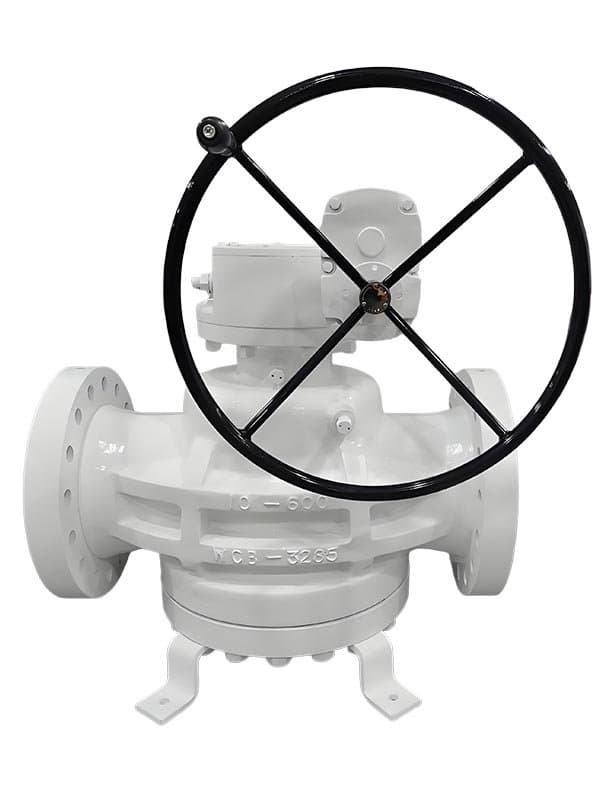
Giới thiệu Van Côn Cân Bằng Áp Suất
Kích thước: 2" - 24" (DN50 - DN600)
Áp suất: Class 150 - 900 / PN 10-150
Tiêu chuẩn: API 6D, API 599, ASME B16.34
Vật liệu thân: A216 WCB, A217 WC6/WC9, A351 CF8M, A182 F316
Ghế van: Kim loại-kim loại (có bôi trơn) hoặc ghế mềm (PTFE/RPTFE/Viton)
Thiết kế: Nút cân bằng áp suất với các kênh bypass bên trong, xoay 90°
Vấn Đề Mô-Men Xoắn Mà Không Ai Nhắc Đến
Đây là điều xảy ra bên trong van nút không cân bằng ở Class 600 trên đường ống 12": áp suất đường ống đẩy vào một bên mặt nút chặn và lực đó không có nơi nào để đi ngoài việc truyền vào lỗ thân van. Ở 600 psi trên đường kính 12", bạn đang nhìn vào hàng nghìn pound lực thủy lực không cân bằng. Người vận hành phải thắng lực đó để xoay nút chặn — và ở những con số đó, vận hành thủ công trở nên bất khả thi về mặt vật lý. Bộ truyền động khí nén gặp khó khăn. Bộ truyền động điện cần động cơ quá khổ. Yêu cầu mô-men xoắn quyết định đặc tả bộ truyền động, và chi phí bộ truyền động theo đó mà tăng.
Van nút cân bằng áp suất loại bỏ lực thủy lực đó. Các kênh bypass bên trong kết nối áp suất thượng nguồn và hạ nguồn đến cả hai bên nút chặn đồng thời. Áp suất thượng nguồn đẩy vào mặt nút chặn phía thượng nguồn. Cùng áp suất đó được dẫn qua các kênh bên trong để đẩy vào mặt nút chặn phía hạ nguồn từ hướng ngược lại. Hai lực triệt tiêu lẫn nhau. Lực thủy lực ròng lên nút chặn giảm xuống gần bằng không.
Người vận hành chỉ cần thắng ma sát cơ học — không phải áp suất thủy lực. Đó là sự khác biệt giữa một van bạn có thể xoay bằng tay và một van đòi hỏi bộ truyền động trị giá hàng nghìn đô la. Bạn có thể vận hành thủ công van nút cân bằng áp suất 16" Class 600. Bạn không thể vận hành thủ công cùng kích thước và class với thiết kế không cân bằng. Đối với các điểm cách ly đường ống ở áp suất cao và đường kính lớn, cân bằng áp suất không phải là điều xa xỉ — nó là cách thực tế duy nhất để giữ mô-men xoắn vận hành trong giới hạn quản lý được.
Các Kênh Bypass Hoạt Động Như Thế Nào Bên Trong Nút Chặn
Các đường dẫn bỏ qua bên trong được gia công trực tiếp vào cụm nút xoay. Các kênh kết nối khoang thượng nguồn với phía hạ nguồn của bề mặt nút xoay và ngược lại. Khi áp suất đường ống đi vào van, nó chảy qua các đường dẫn này đến cả hai phía của nút xoay trước khi nút xoay bắt đầu quay. Việc cân bằng áp suất diễn ra tự động — không cần thao tác của người vận hành, không có đường cân bằng bên ngoài, không yêu cầu hệ thống điều khiển.
Các đường dẫn làm tăng độ phức tạp bên trong nút xoay. Càng nhiều chi tiết gia công thì càng có nhiều đường rò rỉ tiềm ẩn bên trong cụm lắp ráp. Nút xoay phải làm kín các kênh bên trong đó để chống dòng chảy chéo khi van ở vị trí đóng — nếu không, các đường dẫn bỏ qua sẽ làm mất chức năng cách ly mà van được thiết kế để đảm bảo. Vòng đệm O bên trong hoặc các cơ cấu đóng kín bỏ qua kiểu tiếp xúc kim loại-kim loại đáp ứng yêu cầu đó. Đó là công việc làm kín bổ sung bên trong nút xoay, nhưng việc giảm mô-men xoắn luôn biện minh cho độ phức tạp này trong các ứng dụng áp suất cao, đường kính lớn.
Hai Tùy Chọn Bệ Van Trên Cùng Một Nền Tảng
Van nút cân bằng áp suất không bị giới hạn ở một loại bệ van. Bệ van bôi trơn kim loại-kim loại phù hợp khi môi chất đường ống của bạn làm hỏng bệ van elastomer — dầu thô, khí tự nhiên, các dòng tinh chế có hóa tính mạnh. Bệ van mềm bằng PTFE hoặc Viton phù hợp khi thông số kỹ thuật của bạn yêu cầu rò rỉ bằng không và môi chất tương thích với vật liệu bệ van. Cả hai loại bệ van đều có sẵn trên nền tảng cân bằng áp suất.
Tính linh hoạt đó quan trọng tại các điểm cách ly đường ống nơi cùng một thông số kỹ thuật van có thể cần đáp ứng các điều kiện vận hành khác nhau tại các vị trí khác nhau. Van cách ly 16" Class 600 trên đường ống dẫn dầu thô cần bệ van kim loại bôi trơn. Cùng kích thước và cấp áp suất trên đường ống bơm ép nước có thể cần bệ van mềm PTFE để đạt rò rỉ bằng không. Bạn không thay đổi thiết kế thân van hoặc hình học cân bằng áp suất — bạn chỉ thay đổi cấu hình bệ van. Lợi thế về mô-men xoắn vẫn giữ nguyên bất kể loại bệ van.
A: Điểm giao nhau phụ thuộc vào kích thước và áp suất môi chất. Nói chung, trên Class 300 ở kích thước 10" và lớn hơn, mô-men xoắn của van không cân bằng bắt đầu vượt quá giới hạn vận hành thủ công thực tế. Ở Class 600 và cao hơn trên mọi kích thước trên 6", cân bằng áp suất là tiêu chuẩn thực hành. Dưới Class 150 ở kích thước nhỏ hơn, thiết kế không cân bằng hoạt động tốt — lực thủy lực có thể kiểm soát được.
A: Không — khi van đóng hoàn toàn, các đường dẫn bỏ qua được làm kín bên trong. Vòng đệm O hoặc các cơ cấu đóng kín tiếp xúc kim loại-kim loại bên trong nút xoay chặn dòng chảy chéo qua các kênh cân bằng. Các đường dẫn chỉ cân bằng áp suất giữa các bề mặt nút xoay khi nút xoay đang di chuyển giữa vị trí mở và đóng. Tính toàn vẹn của việc đóng kín được duy trì bởi bệ van chính, không bị ảnh hưởng bởi hình học cân bằng.
A: Không thực tế. Các đường dẫn bỏ qua được gia công...
Thông Số Kỹ Thuật
| Size Range | NPS 1/2-40" |
| Pressure Class | Class150Lb-2500 |
| Design Standard | API 599,API6D |
| Body Materials | A105、LF2、F304、F316、F304L、F316L、F51、WCB、LCB、WCC、CF8、CF8M、CF3、CF3M、A890 4A |
| Parent Standards | API 599, API 6D |
| Parent Size Range | 2" - 24" |
| Parent Pressure Class | Class 150 - 1500 |
Tải xuống sản phẩm
| Phạm Vi Cỡ | NPS 1/2-40" |
| Lớp Áp Suất | Class150Lb-2500 |
| Tiêu Chuẩn Thiết Kế | API 599,API6D |
| Vật Liệu Thân Van | A105、LF2、F304、F316、F304L、F316L、F51、WCB、LCB、WCC、CF8、CF8M、CF3、CF3M、A890 4A |
Cần Báo Giá?
Contact our engineering team for pricing and technical support on Van Côn Cân Bằng Áp Suất.
Request a QuoteTìm Kiếm Thêm Giải Pháp?
Khám phá dải sản phẩm được thiết kế cho thách thức ngành của bạn.
Ball Valves
FLOWKS offers floating ball valve, trunnion mounted ball valve and top entry ball valve for oil & gas, petrochemical and power generation. Designed per API 6D, API 608 and ASME B16.34.
DBB Valves
FLOWKS Double Block & Bleed (DBB) valves provide dual isolation with bleed verification in a single compact body. Replacing traditional multi-valve installations, FLOWKS DBB valves reduce weight, space and potential leak paths. Available in bolted bonnet, all-welded and expanding gate designs per API 6D and API 607.
Gate Valves
FLOWKS gate valves for isolation service in piping systems. Flexible wedge, solid wedge, slab and expanding gate designs per API 600, API 602 and ASME B16.34.
Globe Valves
FLOWKS globe valves for throttling and isolation. Standard, angle, Y-pattern and bellows seal configurations per API 602 and BS 1868.