Ống Nhìn
Giới thiệu Ống Nhìn
Kích thước: 1/2" - 8" (DN15 - DN200)
Áp suất: Class 150 - 300 / PN 10-40
Tiêu chuẩn: MSS SP-97, theo tiêu chuẩn nhà sản xuất
Vật liệu thân: A216 WCB, A351 CF8M, gang xám (GG25), gang dẻo (GGG40), đồng thau/đồng cho kích thước nhỏ
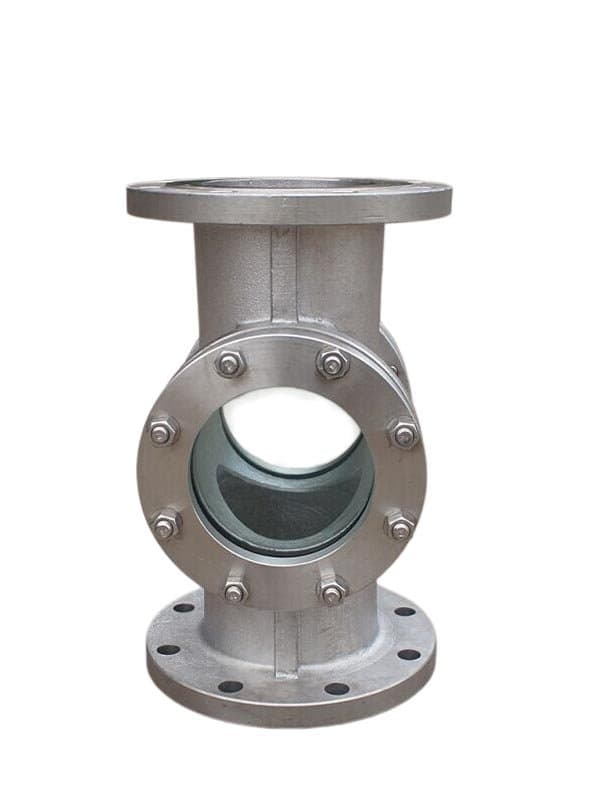
Kính: Thủy tinh borosilicate (đã tôi luyện), tùy chọn bọc thép bảo vệ. Đĩa kính được lắp giữa các mặt bích thân với gioăng PTFE/EPDM ở cả hai mặt.
Thiết kế: Cửa sổ kính phẳng trên thân máy—cửa sổ đơn hoặc cửa sổ kép (hai mặt đối diện để dễ quan sát khi có ánh sáng ngược). Chất lỏng chảy qua lỗ khoan thẳng; người vận hành quan sát dòng chảy qua cửa sổ kính. Không có bộ phận chuyển động nào bên trong đường dẫn dòng chảy.
Nơi Bạn Cần Nhìn Thấy Điều Đang Xảy Ra
Đường ống quy trình chạy bên trong ống kín—bạn không thể nhìn thấy chất lỏng. Dù đang chảy hay dừng, trong hay đục, đúng màu hay sai màu—thiết bị đo cho bạn con số, không phải hình ảnh.
Kính quan sát cho phép bạn quan sát trực quan – xác nhận lưu lượng, kiểm tra tình trạng, phát hiện khí, tất cả đều thông qua một tấm kính trên thân van. Lắp đặt ở những nơi cần xác nhận lưu lượng – đầu ra của bơm, van điều khiển phía hạ lưu, đường hồi lưu nơi không có lưu lượng nghĩa là có sự cố ở phía thượng lưu. Lắp đặt ở những nơi cần kiểm tra tình trạng – đường ống xử lý hóa chất nơi màu sắc cho thấy tiến trình phản ứng, đường hồi lưu làm mát nơi độ đục nghĩa là bị nhiễm bẩn, nước ngưng tụ nơi hơi nước cuốn theo xuất hiện dưới dạng bọt khí. Lắp đặt ở những nơi cần phát hiện khí – đường hút của bơm nơi không khí nghĩa là có nguy cơ xâm thực, đường phân phối chất lỏng nơi các túi khí nghĩa là phân phối không đều.
Thủy tinh borosilicate chịu được nhiệt độ từ -50°C đến +250°C đối với các loại tiêu chuẩn—phù hợp với hầu hết các ứng dụng trong quy trình. Các loại có thành phần đặc biệt chịu được nhiệt độ cao hơn đối với dầu nóng và chất lỏng dẫn nhiệt. Thủy tinh được tôi cứng—chống sốc nhiệt và va đập thông thường khi sử dụng. Nó không chịu được lực rơi của một chiếc cờ lê từ độ cao 1,8 mét—nhưng đó không phải là môi trường hoạt động thực tế.
Cửa sổ đơn so với cửa sổ kép — Chất lỏng tối màu cần đèn nền
Một cửa sổ: một tấm kính—nhìn xuyên qua và thấy chất lỏng. Hoạt động cho chất lỏng trong suốt nơi ánh sáng môi trường cung cấp đủ độ nhìn.
Hai cửa sổ: các tấm đối diện ở cả hai bên—chiếu ánh sáng qua một bên, quan sát từ bên kia. Độ nhìn với đèn nền xuyên qua chất lỏng sẫm màu hoặc đục. Cần thiết cho dầu nặng, dòng hóa chất sẫm màu, đường bùn—một cửa sổ trên chất lỏng sẫm màu cho thấy một hình chữ nhật tối với không thông tin nào.
Đừng bỏ qua loại cửa sổ kép cho đường ống dẫn chất lỏng sẫm màu chỉ vì chúng đắt hơn—cửa sổ đơn trên đường ống dẫn dầu nặng chỉ là kính quan sát không thể thực hiện chức năng của nó. Loại cửa sổ kép đắt hơn 20-30% và thực sự hiệu quả—hãy mua loại hoạt động tốt.
A: Borosilicate tiêu chuẩn: -50°C đến +250°C—các thành phần đặc biệt chịu nhiệt cao hơn. Vật liệu gioăng cũng giới hạn phạm vi—PTFE chịu nhiệt độ cao hơn EPDM. Chọn cả kính và gioăng theo nhiệt độ quy trình, không chỉ riêng kính.
A: Một cửa sổ—nước đủ trong để ánh sáng môi trường cung cấp độ nhìn đầy đủ.
A: Không có khoảng thời gian cố định—thay thế khi độ nhìn không đủ do trầy xước, ăn mòn hóa học hoặc bị che khuất. Nước sạch: nhiều năm. Môi trường ăn mòn hoặc bùn mài mòn: vài tháng—kiểm tra trong các đợt dừng máy theo lịch trình. Kiểm tra trong các đợt dừng máy theo lịch trình.
A: Thận trọng—borosilicate chịu được nhiệt độ, nhưng hơi nước nghĩa là chu kỳ nhiệt, ngưng tụ trên kính, nguy cơ sốc nhiệt. Sử dụng gioăng PTFE hoặc graphite định mức cho hơi nước—cân nhắc kính bọc thép cho lợi ích ngăn chặn. Kiểm tra thường xuyên hơn so với dịch vụ chất lỏng.
A: Tối thiểu—lỗ khoan thẳng, không có hạn chế, không có màng lọc, không có phần tử bên trong. Độ chênh áp về cơ bản giống như ống thẳng cùng chiều dài.
Thông Số Kỹ Thuật
| Size Range | 2" - 36" |
| Pressure Class | Class 150 - 300 |
| Design Standard | ASME B16.34, MSS SP-89 |
| Body Materials | A216 WCB, A351 CF8M |
| Parent Standards | ASME B16.34, API 602, MSS SP-89 |
| Parent Size Range | 2" - 36" |
| Parent Pressure Class | Class 150 - 900 |
Tải xuống sản phẩm
| Phạm Vi Cỡ | 2" - 36" |
| Lớp Áp Suất | Class 150 - 300 |
| Tiêu Chuẩn Thiết Kế | ASME B16.34, MSS SP-89 |
| Vật Liệu Thân Van | A216 WCB, A351 CF8M |
Cần Báo Giá?
Contact our engineering team for pricing and technical support on Ống Nhìn.
Request a QuoteTìm Kiếm Thêm Giải Pháp?
Khám phá dải sản phẩm được thiết kế cho thách thức ngành của bạn.
Ball Valves
FLOWKS offers floating ball valve, trunnion mounted ball valve and top entry ball valve for oil & gas, petrochemical and power generation. Designed per API 6D, API 608 and ASME B16.34.
DBB Valves
FLOWKS Double Block & Bleed (DBB) valves provide dual isolation with bleed verification in a single compact body. Replacing traditional multi-valve installations, FLOWKS DBB valves reduce weight, space and potential leak paths. Available in bolted bonnet, all-welded and expanding gate designs per API 6D and API 607.
Gate Valves
FLOWKS gate valves for isolation service in piping systems. Flexible wedge, solid wedge, slab and expanding gate designs per API 600, API 602 and ASME B16.34.
Globe Valves
FLOWKS globe valves for throttling and isolation. Standard, angle, Y-pattern and bellows seal configurations per API 602 and BS 1868.