Dải Sản Phẩm
Dòng sản phẩm van công nghiệp đầy đủ cho mọi ứng dụng.
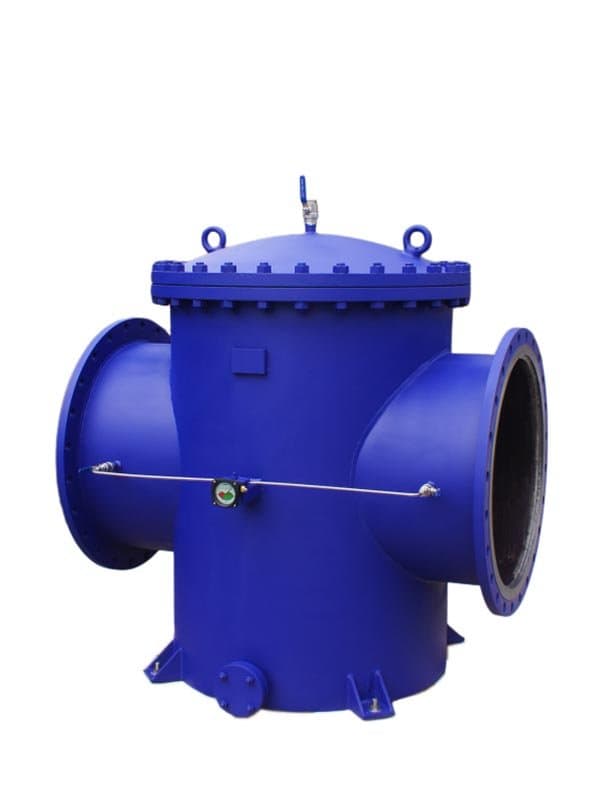
Bộ Lọc Rổ
Kích thước: 1/2" - 24" (DN15 - DN600) Áp suất: Class 150 - 300 / PN 10-40 Tiêu chuẩn: MSS SP-89, ASME B16.34, ASME B16.5 (mặt bích) Vật liệu thân: A216 WCB, A351 CF8M, A351 CF8, gang xám (GG25), gang dẻo (GGG40) Lưới lọc: Lưới lọc bằng thép không gỉ đục lỗ (304/316) hoặc monel, kích thước mắt lưới từ 1/32" đến 1/2", có thể thêm lưới lọc bằng dây thép mịn (20-200 mắt lưới). Thiết kế: Lắp đặt ngang hoặc dọc, nắp bắt bu lông với gioăng, rổ/màn lọc tháo được qua lỗ mở nắp đỉnh, nút xả ở đáy thân, hướng dòng chảy: đầu vào qua màn lọc → đầu ra Vì sao lưới lọc dạng rổ chiếm ưu thế trong bảo vệ máy bơm Máy bơm hút cặn bẩn. Ghế van bị xước. Ống trao đổi nhiệt bị tắc. Tất cả những vấn đề này đều bắt nguồn từ cùng một nguyên nhân—có thứ gì đó lọt qua đường dẫn vào mà lẽ ra không nên có. Một bộ lọc dạng rổ nằm giữa nguồn gây ô nhiễm và thiết bị không thể chịu đựng được nó. Chất lỏng đi vào thân máy, đập vào lưới lọc từ ngoài vào trong, cặn bẩn tích tụ bên trong rổ, chất lỏng sạch đi qua. Đơn giản vậy thôi. Lý do mà bộ lọc dạng rổ chiếm ưu thế trong vận hành máy bơm không phức tạp: khả năng tiếp cận dễ dàng từ phía trên. Chỉ cần mở nắp, nhấc rổ lên, đổ bỏ chất bẩn, rửa sạch, đặt lại vào, vặn chặt nắp lại – chỉ mất năm phút. Không cần ngắt đường ống. Không cần chu trình dừng máy. Bạn có thể thấy rõ những gì mình đang lọc – cặn bám trong ống, mảnh vụn gioăng, rác thải xây dựng. Khi bạn biết những gì có trong rổ, bạn sẽ biết những gì đang có trong quy trình của mình. Việc lựa chọn lưới lọc phải phù hợp với mối đe dọa. Lưới có lỗ thô—1/8" đến 1/2"—dùng để bảo vệ bơm trong các đường ống dẫn nước và các đường ống xử lý chung. Loại lưới này giữ lại các vật lớn: mối hàn, mảnh rỉ sét, mảnh gioăng. Lưới mịn, 40 đến 100 mesh, dùng để bảo vệ thiết bị đo và làm sạch vòi phun. Hãy chọn lưới lọc phù hợp với loại vật cần lọc, chứ không phải chọn loại lưới mịn nhất hiện có. Vật Liệu Thân—Đừng Thừa Thông Số, Đừng Thiếu Thông Số Thép carbon (WCB) bao phủ dịch vụ thông thường—nước, dầu, quy trình không ăn mòn, Class 150 và 300. Thép không gỉ (CF8M / 316) xử lý môi trường ăn mòn—nước biển, đường hóa chất—nơi thép carbon bị rỗ sau hai năm. Gang xám (GG25) phù hợp với nước áp suất thấp nơi chi phí quan trọng hơn khả năng chống ăn mòn—HVAC tòa nhà, nước đô thị, tưới tiêu. Gang dẻo (GGG40) lấp khoảng trống: bền hơn gang xám, rẻ hơn thép, đủ tốt cho nhiều nhiệm vụ nước công nghiệp. Việc sử dụng thân van CF8M cho đường ống HVAC nước sạch là lãng phí tiền bạc. Việc sử dụng thân van GG25 cho đường ống hút nước biển có chu kỳ thay thế hai năm một lần. Hãy chọn vật liệu phù hợp với mục đích sử dụng. A: Vâng—với dòng chảy hướng xuống. Giỏ lọc hoạt động theo cách tương tự. Dòng chảy thẳng đứng hướng lên cũng được, nhưng rác có thể rơi ngược vào cửa thoát khi bạn kéo giỏ lọc lên. Dòng chảy ngang hoặc hướng xuống-thẳng đứng là tốt hơn. A: Chỉ màng lọc đục lỗ cho lọc thô—bảo vệ bơm, loại bỏ mảnh vụn thông thường. Thêm lưới thép chèn bên trong giỏ đục lỗ cho lọc tinh—bảo vệ thiết bị đo, bảo vệ vòi phun, các hạt nhỏ hơn 1/32". Giỏ đục lỗ cung cấp kết cấu; lưới cung cấp lọc tinh. A: Tùy thuộc vào lượng chất thải. Nước sạch – thay hàng tuần hoặc hàng tháng. Khi vận hành với chất thải xây dựng – kiểm tra hàng ngày cho đến khi hệ thống hoạt động sạch sẽ. Lượng chất thải lớn – lắp đặt đồng hồ đo áp suất chênh lệch và làm sạch khi độ giảm áp vượt quá ngưỡng cho phép. A: Giỏ sạch—0,5 đến 2 psi, tùy thuộc vào lưu lượng và kích thước lưới. Khi mảnh vụn tích tụ trên màng lọc, độ chênh áp tăng. Đó là tín hiệu vệ sinh của bạn. Nếu độ chênh áp giỏ sạch vượt dung sai của bạn, lưới có thể quá mịn so với lưu lượng. A: Có—được định mức cho hoạt động liên tục vĩnh viễn. Không phải là bộ lọc tạm thời. Thân, mặt bích, định mức áp suất và nắp có gioăng được thiết kế cho hoạt động liên tục.
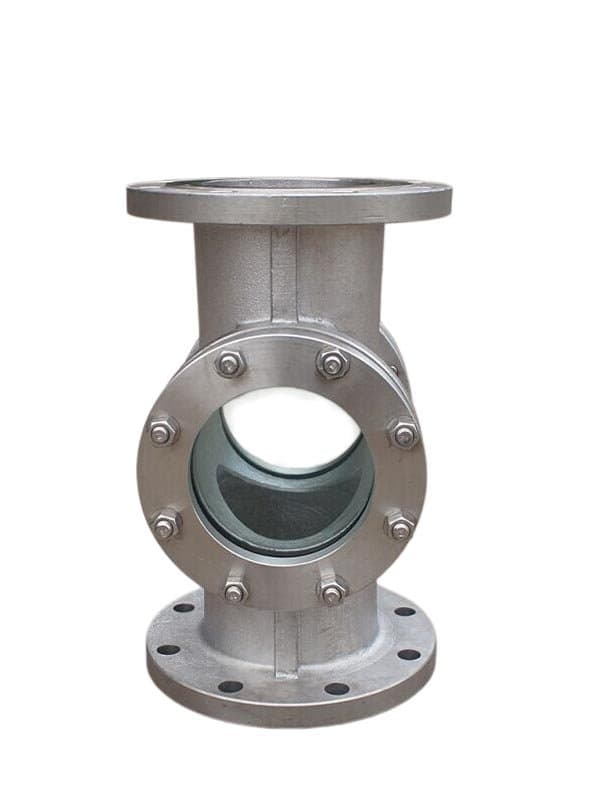
Ống Nhìn
Kích thước: 1/2" - 8" (DN15 - DN200) Áp suất: Class 150 - 300 / PN 10-40 Tiêu chuẩn: MSS SP-97, theo tiêu chuẩn nhà sản xuất Vật liệu thân: A216 WCB, A351 CF8M, gang xám (GG25), gang dẻo (GGG40), đồng thau/đồng cho kích thước nhỏ Kính: Thủy tinh borosilicate (đã tôi luyện), tùy chọn bọc thép bảo vệ. Đĩa kính được lắp giữa các mặt bích thân với gioăng PTFE/EPDM ở cả hai mặt. Thiết kế: Cửa sổ kính phẳng trên thân máy—cửa sổ đơn hoặc cửa sổ kép (hai mặt đối diện để dễ quan sát khi có ánh sáng ngược). Chất lỏng chảy qua lỗ khoan thẳng; người vận hành quan sát dòng chảy qua cửa sổ kính. Không có bộ phận chuyển động nào bên trong đường dẫn dòng chảy. Nơi Bạn Cần Nhìn Thấy Điều Đang Xảy Ra Đường ống quy trình chạy bên trong ống kín—bạn không thể nhìn thấy chất lỏng. Dù đang chảy hay dừng, trong hay đục, đúng màu hay sai màu—thiết bị đo cho bạn con số, không phải hình ảnh. Kính quan sát cho phép bạn quan sát trực quan – xác nhận lưu lượng, kiểm tra tình trạng, phát hiện khí, tất cả đều thông qua một tấm kính trên thân van. Lắp đặt ở những nơi cần xác nhận lưu lượng – đầu ra của bơm, van điều khiển phía hạ lưu, đường hồi lưu nơi không có lưu lượng nghĩa là có sự cố ở phía thượng lưu. Lắp đặt ở những nơi cần kiểm tra tình trạng – đường ống xử lý hóa chất nơi màu sắc cho thấy tiến trình phản ứng, đường hồi lưu làm mát nơi độ đục nghĩa là bị nhiễm bẩn, nước ngưng tụ nơi hơi nước cuốn theo xuất hiện dưới dạng bọt khí. Lắp đặt ở những nơi cần phát hiện khí – đường hút của bơm nơi không khí nghĩa là có nguy cơ xâm thực, đường phân phối chất lỏng nơi các túi khí nghĩa là phân phối không đều. Thủy tinh borosilicate chịu được nhiệt độ từ -50°C đến +250°C đối với các loại tiêu chuẩn—phù hợp với hầu hết các ứng dụng trong quy trình. Các loại có thành phần đặc biệt chịu được nhiệt độ cao hơn đối với dầu nóng và chất lỏng dẫn nhiệt. Thủy tinh được tôi cứng—chống sốc nhiệt và va đập thông thường khi sử dụng. Nó không chịu được lực rơi của một chiếc cờ lê từ độ cao 1,8 mét—nhưng đó không phải là môi trường hoạt động thực tế. Cửa sổ đơn so với cửa sổ kép — Chất lỏng tối màu cần đèn nền Một cửa sổ: một tấm kính—nhìn xuyên qua và thấy chất lỏng. Hoạt động cho chất lỏng trong suốt nơi ánh sáng môi trường cung cấp đủ độ nhìn. Hai cửa sổ: các tấm đối diện ở cả hai bên—chiếu ánh sáng qua một bên, quan sát từ bên kia. Độ nhìn với đèn nền xuyên qua chất lỏng sẫm màu hoặc đục. Cần thiết cho dầu nặng, dòng hóa chất sẫm màu, đường bùn—một cửa sổ trên chất lỏng sẫm màu cho thấy một hình chữ nhật tối với không thông tin nào. Đừng bỏ qua loại cửa sổ kép cho đường ống dẫn chất lỏng sẫm màu chỉ vì chúng đắt hơn—cửa sổ đơn trên đường ống dẫn dầu nặng chỉ là kính quan sát không thể thực hiện chức năng của nó. Loại cửa sổ kép đắt hơn 20-30% và thực sự hiệu quả—hãy mua loại hoạt động tốt. A: Borosilicate tiêu chuẩn: -50°C đến +250°C—các thành phần đặc biệt chịu nhiệt cao hơn. Vật liệu gioăng cũng giới hạn phạm vi—PTFE chịu nhiệt độ cao hơn EPDM. Chọn cả kính và gioăng theo nhiệt độ quy trình, không chỉ riêng kính. A: Một cửa sổ—nước đủ trong để ánh sáng môi trường cung cấp độ nhìn đầy đủ. A: Không có khoảng thời gian cố định—thay thế khi độ nhìn không đủ do trầy xước, ăn mòn hóa học hoặc bị che khuất. Nước sạch: nhiều năm. Môi trường ăn mòn hoặc bùn mài mòn: vài tháng—kiểm tra trong các đợt dừng máy theo lịch trình. Kiểm tra trong các đợt dừng máy theo lịch trình. A: Thận trọng—borosilicate chịu được nhiệt độ, nhưng hơi nước nghĩa là chu kỳ nhiệt, ngưng tụ trên kính, nguy cơ sốc nhiệt. Sử dụng gioăng PTFE hoặc graphite định mức cho hơi nước—cân nhắc kính bọc thép cho lợi ích ngăn chặn. Kiểm tra thường xuyên hơn so với dịch vụ chất lỏng. A: Tối thiểu—lỗ khoan thẳng, không có hạn chế, không có màng lọc, không có phần tử bên trong. Độ chênh áp về cơ bản giống như ống thẳng cùng chiều dài.
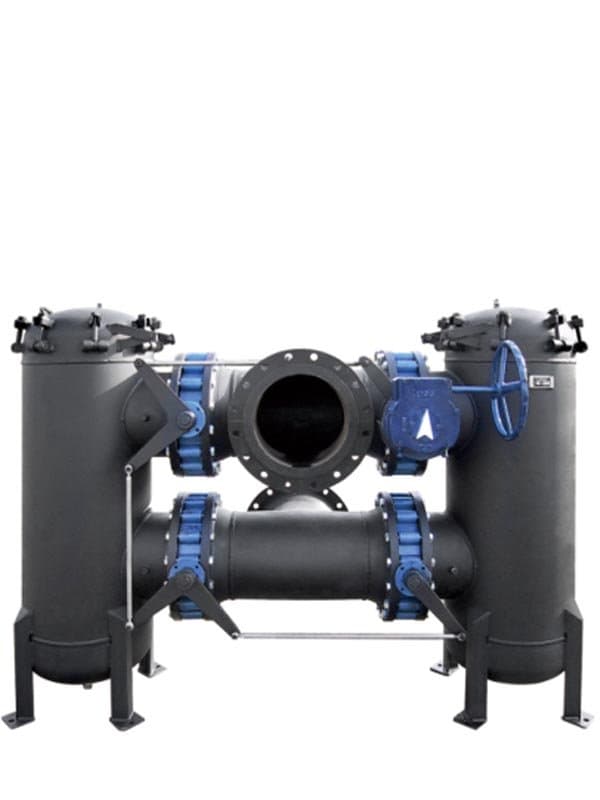
Bộ Lọc Rổ Kép
Kích thước: 2" - 24" (DN50 - DN600) Áp suất: Class 150 - 300 / PN 10-40 Tiêu chuẩn: MSS SP-89, theo tiêu chuẩn nhà sản xuất cho bộ lọc kép Vật liệu thân: A216 WCB (thép cacbon đúc), A351 CF8M (thép không gỉ 316 đúc), A351 CF8 (thép không gỉ 304 đúc), gang dẻo (GGG40) Bộ phận lọc: Màng lọc đục lỗ hoặc giỏ lót lưới. Đục lỗ màng lọc 0,5mm - 6mm. Lưới 20 - 200 mesh. Vật liệu giỏ phù hợp với thân. Thiết kế: Hai buồng song song với van chuyển hướng (van nút hoặc van bi). Hoạt động dòng chảy liên tục—không dừng đường ống để bảo trì giỏ lọc. Tại Sao Hai Buồng Lại Quan Trọng Một số đường ống không thể dừng lại. Các nhà máy xử lý hóa chất vận hành các vòng phản ứng liên tục — bạn đóng đường cấp liệu ba mươi phút để vệ sinh giỏ lọc và toàn bộ mẻ sản phẩm bị hỏng. Mạch nước làm mát nhà máy điện lấy từ sông hồ — lượng rác thải tăng đột biến sau bão và chiếc giỏ lọc đơn đó nhanh chóng bị tắc, nhưng tuabin không dừng lại vì giỏ lọc cần vệ sinh. Tuần hoàn dầu nhiên liệu nhà máy lọc dầu, phun nước biển ngoài khơi — các hệ thống này chạy suốt ngày đêm vì dừng chúng tốn tiền thật hoặc tạo ra nguy hiểm thật. Đó là toàn bộ lý do bộ lọc kép tồn tại. Một buồng xử lý dòng chảy. Buồng còn lại được cách ly, chờ sẵn. Khi giỏ hoạt động đầy và chênh áp của bạn bắt đầu tăng, bạn không tắt bất cứ thứ gì. Xoay van chuyển hướng. Dòng chảy chuyển sang buồng sạch trong vài giây. Buồng bẩn giờ đã được cách ly — mở nắp, kéo giỏ ra, vệ sinh nó, đặt lại, đóng nắp. Đường ống không bao giờ dừng. Sản xuất không bao giờ gián đoạn. Bên trong Van Chuyển Hướng Van chuyển hướng là thứ làm cho bộ lọc kép hoạt động, và lựa chọn giữa van phích cắm và van bi quan trọng hơn nhiều so với những gì bảng thông số kỹ thuật thừa nhận. Van chuyển hướng dạng nút giúp đóng kín hoàn toàn giữa hai buồng. Nút van khít chặt vào thân van — tiếp xúc kim loại với kim loại tạo ra lớp bịt kín đáng tin cậy ngay cả khi có mảnh vụn trong dòng chảy. Tuy nhiên, việc vận hành van dạng nút cần nhiều lực hơn, đặc biệt là với kích thước lớn hơn. Nếu bạn đang sử dụng bộ lọc kép vận hành bằng tay có kích thước trên 8 inch với van chuyển hướng dạng nút, người vận hành cần lực đòn bẩy. Điều đó có nghĩa là tay cầm dài hơn, cần nhiều sức lực hơn, và trong một số trường hợp lắp đặt, bạn sẽ cần bộ truyền động thay vì tay quay. Van chuyển hướng kiểu bi xoay dễ hơn. Một phần tư vòng và bạn đã chuyển buồng. Yêu cầu lực thấp hơn, điều này làm van bi phổ biến trên các thiết bị vận hành bằng tay. Sự đánh đổi là độ kín. Tiếp xúc bi với thân van thực hiện cách ly giữa các buồng, và trong dịch vụ bẩn — hạt mài mòn, bùn, tải lượng mảnh vụn cao — bề mặt bịt kín đó có thể bị mòn. Đó không phải là hỏng hóc, mà là sự xuống cấp dần dần. Các buồng bắt đầu rò rỉ vào nhau và bạn mất đi sự cách ly sạch cần thiết để tháo giỏ an toàn. Cả hai thiết kế đều hoạt động. Câu hỏi là trong dòng chảy của bạn có gì và bạn muốn truyền động việc chuyển đổi như thế nào. Nước sạch với mảnh vụn thỉnh thoảng — van bi, xoay dễ, hoàn toàn đầy đủ. Tải lượng mảnh vụn nặng hoặc môi trường mài mòn — van phích cắm, kín hơn, lực xoay lớn hơn. Kích thước trên 12" và bạn có thể muốn chuyển đổi bằng bộ truyền động bất kể loại van nào. Thực Tế Về Kích Thước và Chi Phí Ở kích thước trên 12", bộ lọc kép trở nên đắt nhanh chóng. Hai thân đúc kích thước đầy đủ, cơ cấu van chuyển hướng được gia công vào đoạn kết nối, bốn cụm nắp, và tất cả các bệ đỡ giỏ bên trong. Bạn đang mua hai bộ lọc bắt bu lông lại với nhau với cơ cấu chuyển đổi ở giữa — và đó chính xác là những gì giá phản ánh. Nhưng đối với các ứng dụng nơi việc dừng định kỳ của bộ lọc giỏ đơn là không thể chấp nhận, bộ lọc kép là lựa chọn lọc liên tục duy nhất ở quy mô đường ống quy trình. Không có lựa chọn thay thế rẻ hơn nào cho bạn dòng chảy không gián đoạn với khả năng tiếp cận giỏ. Bộ lọc kép đắt hơn vì nó giải quyết một vấn đề không thể giải quyết bằng cách nào khác. Đúng vậy, nhưng hướng của van chuyển hướng quan trọng. Lắp đặt thẳng đứng với dòng chảy đi lên — đảm bảo trục van chuyển hướng nằm ngang để trọng lực không làm lệch vị trí van. Dòng chảy thẳng đứng đi xuống cũng hoạt động, nhưng bạn cần xác nhận với nhà sản xuất rằng thiết kế bệ đỡ giỏ xử lý được hướng tải dòng chảy ngược. Hầu hết bộ lọc kép tiêu chuẩn được thiết kế cho lắp đặt ngang; lắp đặt dọc có thể thực hiện nhưng cần xem xét bố trí. Chênh áp. Lắp đồng hồ đo hoặc bộ truyền DP qua buồng hoạt động. Khi chênh áp đạt ngưỡng cài đặt của bạn — thường là 5-15 psi trên mức cơ bản của giỏ sạch, tùy thuộc vào điều kiện dòng chảy của bạn — đó là điểm chuyển đổi của bạn. Một số người vận hành chuyển theo lịch thời gian thay vào đó, nhưng chênh áp là chỉ số đáng tin cậy vì tải lượng mảnh vụn thay đổi theo điều kiện thực tế, không theo lịch của bạn. Chúng nên như vậy. Hai buồng lọc luân phiên nhau — nếu buồng A có lưới lọc 40 mắt lưới và buồng B có lưới lọc 100 mắt lưới, bạn sẽ nhận được hiệu quả lọc không nhất...
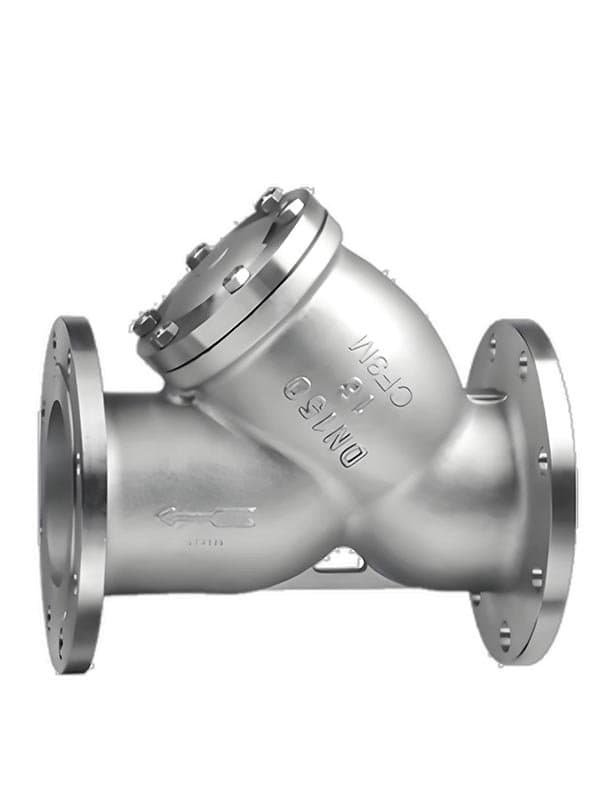
Bộ Lọc Kiểu Y
Kích thước: 1/2" - 12" (DN15 - DN300) Áp suất: Class 150 - 1500 / PN 10-250 Tiêu chuẩn: MSS SP-89, ASME B16.34, ASME B16.11 (đầu hàn ổ cắm / ren) Vật liệu thân: A216 WCB, A351 CF8M, A182 F316 (rèn), A182 F304 (rèn), đồng thau/đồng cho các kích thước nhỏ. Lưới lọc: Hình trụ bằng thép không gỉ đục lỗ, kích thước mắt lưới từ lỗ 1/64" đến lưới thô 1/4", có thể thêm lưới mịn bằng dây thép bên trong. Thiết kế: Thân hình chữ Y—buồng lọc nghiêng tách nhánh khỏi dòng chảy chính. Lưới lọc nằm trong nhánh nghiêng, có thể tháo ra qua nút bắt bu lông hoặc nắp mặt bích ở đầu nhánh. Kết nối ren, hàn ống hoặc mặt bích. Khi nào dùng Y-Strainer và khi nào không dùng Basket Strainer Đường ống có đường kính nhỏ—1/2" đến 4"—không có đủ không gian cho basket strainer. Khoang thân của basket 2" đã cồng kềnh. Ở kích thước 1", nó không cân xứng với đường ống. Buồng lọc nghiêng của Y-strainer tách nhánh khỏi dòng chảy chính—nên thân ngắn hơn và nhẹ hơn ở cùng kích thước. Hình dạng nhỏ gọn đó khiến Y-strainer trở thành lựa chọn mặc định cho bảo vệ đường ống nhỏ. Rồi đến áp suất. Hơi nước áp suất cao, khí nén, mạch thủy lực hoạt động ở áp suất mà buồng basket khó xử lý một cách kinh tế. Thân chữ Y rèn với lưới lọc hình trụ đạt Class 1500 mà không phải chịu chi phí cao của buồng basket nặng ở cùng cấp áp suất. Hình dạng đơn giản, ứng suất đơn giản hơn, chi phí thấp hơn ở áp suất cao—đó là lý do bạn thấy Y-strainer trên đường hơi, không phải basket strainer. Lưới lọc là hình trụ—chất lỏng đi từ ngoài vào trong, cặn bẩn tích tụ bên trong. Bạn tháo nút bắt bu lông ở đầu nhánh để tiếp cận lưới lọc. Lỗ mở nhỏ hơn nắp trên của basket strainer, và bạn phải thao tác ở một góc. Kém tiện lợi hơn, nhưng cấp áp suất và kích thước nhỏ gọn khiến sự đánh đổi này đáng giá—Y-strainer phù hợp ở nơi basket strainer không thể lắp đặt. Hơi nước, Khí nén và Thủy lực—Nơi Y-Strainer hoạt động Đường ống hơi mang theo nước ngưng, rỉ sét, cặn đường ống—tất cả đều đi về van điều khiển của bạn. Y-strainer trên đường cấp sẽ chặn chúng trước khi đến van điều khiển, van giảm áp và bẫy hơi. Thép rèn chịu được nhiệt độ và áp suất. Lưới lọc inox chịu được ăn mòn. Kết nối mặt bích hoặc hàn ống kín chống rò rỉ hơi. Khí nén hút bụi đường ống, dầu máy nén khí dư thừa, bụi chất hút ẩm. Bộ lọc chữ Y trên đường cấp khí bảo vệ các thiết bị khí nén và van điều khiển bằng khí nén. Kích thước nhỏ—từ 1/2" đến 2"—với đầu ren hoặc đầu hàn ổ cắm, bằng đồng thau hoặc thép rèn tùy thuộc vào yêu cầu chất lượng khí. Mạch thủy lực là ứng dụng khắc nghiệt nhất. Lưới mịn—60 đến 100 mesh—bảo vệ van servo và van tỷ lệ khỏi các hạt mài mòn làm xước bề mặt van và gây hoạt động không ổn định. Thân F316 rèn chịu được chất lỏng mà không gây nhiễm bẩn. Thân chữ Y nhỏ gọn phù hợp với các cụm lắp đặt manifold chật hẹp nơi basket strainer không thể bố trí. A: Bạn có thể sử dụng cho các kích thước từ 4 inch trở lên, khi kích thước đường ống phù hợp. Đối với các kích thước dưới 4 inch, thân giỏ lọc sẽ quá khổ so với đường ống và chi phí trên mỗi inch sẽ tăng lên. Bộ lọc chữ Y là lựa chọn thiết thực cho các đường ống nhỏ và áp suất cao. A: Vâng—thép rèn (F304/F316, hoặc WCB cho hơi nước áp suất thấp hơn) là tiêu chuẩn cho hệ thống phân phối hơi nước. Chọn thân van phù hợp với cấp nhiệt độ và áp suất. Lưới lọc bằng thép không gỉ chịu được ăn mòn. Đảm bảo gioăng nút bịt nhánh phù hợp với hơi nước—PTFE hoặc than chì, không phải EPDM. A: Loại ren (NPT/BSP) dùng cho các ứng dụng áp suất thấp, đường kính nhỏ, nơi cần tháo lắp – ví dụ như khí nén, nước. Loại hàn ống (socket-weld) dùng cho áp suất hoặc nhiệt độ cao hơn, nơi cần kết nối kín khí vĩnh viễn – ví dụ như hơi nước, thủy lực, hóa chất. Hàn ống có nghĩa là lắp đặt vĩnh viễn – bạn chỉ có thể bảo trì thông qua đầu nối nhánh. A: Lưới lọc đục lỗ với kích thước lỗ nhỏ đến 1/64 inch. Lưới thép mịn từ 20 đến 200 mesh. Lưới mịn hơn sẽ nhanh bị tắc hơn. Chọn kích thước lưới phù hợp với dung sai của thiết bị phía sau – không nên lọc mịn hơn mức cần thiết. A: Không—xả đáy giúp xả cặn nhẹ qua cổng có van. Nó kéo dài khoảng thời gian giữa các lần tháo lưới lọc hoàn toàn trên đường ống có tải trung bình. Tải nặng hoặc lưới bị nghẽn hoàn toàn vẫn cần tháo và làm sạch thủ công.
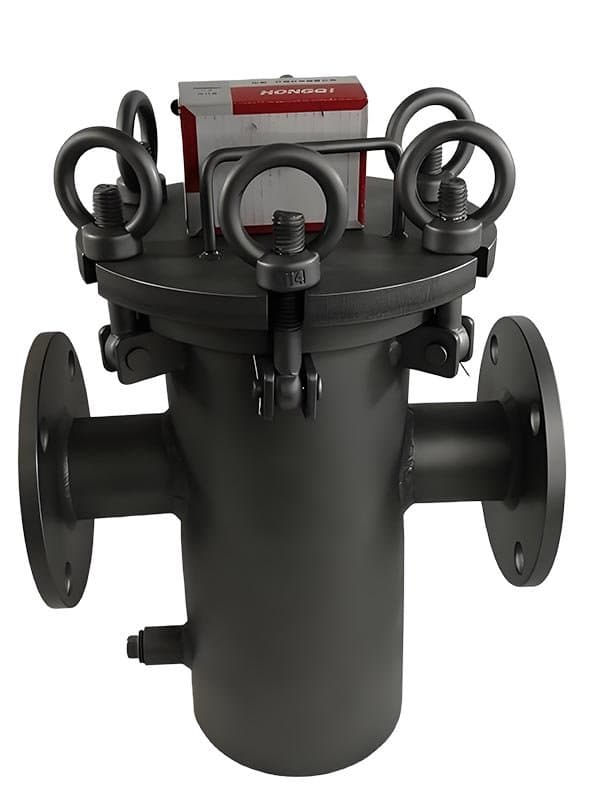
Bộ Lọc Rổ Mở Nhanh
Kích thước: 2" - 12" (DN50 - DN300) Áp suất: Class 150 - 300 / PN 10-40 Tiêu chuẩn: MSS SP-89, tiêu chuẩn riêng của nhà sản xuất dành cho các thiết kế nắp mở nhanh. Vật liệu thân: A216 WCB, A351 CF8M, A351 CF8, gang dẻo (GGG40) Bộ phận lọc: Giỏ lọc đục lỗ có thể lót lưới. Lỗ đục 0.5mm - 6mm, lưới 20 - 200 mesh. Nắp: Cơ cấu mở nhanh—xoay mở với kẹp cố định, cần đòn với tay quay, hoặc kiểu xoay bayonet. Mở trong 5-10 giây. Không cần tháo bu lông. Thiết kế: Cùng hình dạng bên trong như basket strainer tiêu chuẩn. Nắp mở nhanh thay thế nắp bắt bu lông để tiếp cận giỏ lọc nhanh hơn. Nắp basket strainer tiêu chuẩn giữ áp suất bằng bu lông—8 đến 16 bu lông tùy theo kích thước và cấp áp suất. Chu kỳ làm sạch trên strainer nắp bắt bu lông diễn ra như sau: nới lỏng từng bu lông, nhấc nắp ra, kéo giỏ lọc ra, làm sạch, lắp lại giỏ lọc, đặt nắp lại lên gioăng, siết từng bu lông, siết theo trình tự để gioăng tiếp xúc đều. Mười lăm đến ba mươi phút mỗi chu kỳ. Trong dịch vụ ít cặn, bạn làm việc này mỗi tháng một lần và chi phí thời gian có thể chấp nhận được. Nhưng khi giỏ lọc đầy sau mỗi vài giờ—đầu vào nước sông hút phù sa và chất hữu cơ, đường ống bột giấy tích tụ xơ sợi, mạch bùn mài mòn nơi lưới lọc nhanh đầy—khoảng thời gian mười lăm đến ba mươi phút đó cộng dồn trong một tuần. Hàng giờ ngừng hoạt động. Hàng giờ lao động bảo trì. Tất cả dành cho việc xử lý bu lông thay vì thực sự làm sạch strainer. Nắp mở nhanh loại bỏ hoàn toàn chu kỳ bu lông. Xoay nắp ra trên cánh tay bản lề. Kẹp cố định nhả khóa và nắp mở ra—năm giây. Kéo giỏ lọc ra, làm sạch, đẩy lại, xoay nắp đóng lại, bấm kẹp cố định khóa chặt. Tổng cộng mười giây cho thao tác nắp. Không tháo bu lông, không siết theo trình tự, không căn chỉnh gioăng khi lắp lại vì nắp mở nhanh sử dụng gioăng O-ring hoặc gioăng tự làm kín tự động ngồi đúng vị trí khi kẹp khóa. Ba cách mở nhanh Nắp xoay với kẹp chốt là thiết kế mở nhanh phổ biến nhất. Nắp được treo trên cánh tay bản lề gắn vào thân lọc. Kẹp chốt — thường là hai hoặc bốn tùy theo kích thước — kéo nắp siết chặt vào bề mặt làm kín. Nhả kẹp ra, nắp xoay mở như một cánh cửa. Nhanh, đơn giản, và nắp không bao giờ rời khỏi lọc — không cần nâng, không cần đặt xuống chỗ nào đó rồi làm thất lạc. Hoạt động tốt ở kích thước 2" đến 8" khi trọng lượng nắp ở mức dễ kiểm soát. Nắp kiểu cần trục davit sử dụng tay quay để nâng nắp thẳng lên khỏi thân. Cần trục davit là giá đỡ cứng gắn trên thân lọc — bạn quay tay quay và cần trục nâng nắp ra, sau đó xoay sang bên để tiếp cận giỏ lọc. Thiết kế cần trục davit xử lý nắp nặng hơn ở kích thước lớn hơn — lọc 10" và 12" khi nắp xoay trở nên quá nặng để thao tác thoải mái bằng tay. Nắp kiểu bayonet xoay để khóa và mở khóa. Xoay nắp 60 đến 90 độ và các vấu khóa nhả ra — nhấc nắp lên. Không bu lông, không kẹp, không cơ cấu bản lề. Thiết kế mở nhanh đơn giản nhất về mặt cơ khí, nhưng yêu cầu nâng nắp khỏi thân thay vì xoay sang bên. Nắp bayonet phổ biến ở kích thước nhỏ hơn khi nắp đủ nhẹ để dễ dàng thao tác. Bạn phải trả giá bao nhiêu cho tốc độ? Nắp mở nhanh có chi phí cao gấp hai đến ba lần nắp bắt bu lông tiêu chuẩn. Cơ cấu bản lề, kẹp chốt, cần trục davit, hoặc vòng khóa bayonet — các bộ phận này làm tăng độ phức tạp gia công và chi phí vật liệu. Thiết kế gioăng tự làm kín (rãnh O-ring trên mặt nắp hoặc thân) tốn kém hơn để chế tạo so với bề mặt gioăng phẳng dựa vào lực nén bu lông. Cũng có cân nhắc về định mức áp suất. Nắp bắt bu lông phân bố lực ép đều quanh toàn bộ chu vi — mỗi bu lông đóng góp lực nén tương đương lên gioăng. Kẹp chốt tập trung lực tại hai hoặc bốn điểm. Ở Class 150 và Class 300 với kích thước 2" đến 12", lực ép từ kẹp chốt là đủ — O-ring hoặc gioăng tự làm kín bù đắp cho sự phân bố lực không đều bằng cách ôm sát bề mặt làm kín dưới áp suất bên trong. Nhưng ở áp suất cao hơn hoặc kích thước lớn hơn, nắp bắt bu lông là lựa chọn kỹ thuật an toàn hơn. Thiết kế nắp mở nhanh có giới hạn thực tế, và giới hạn đó xấp xỉ Class 300 ở 12" đối với hầu hết nhà sản xuất. Sự hợp lý về chi phí đến từ tần suất vệ sinh. Nếu bạn vệ sinh giỏ lọc mỗi tháng một lần, nắp bắt bu lông là đủ — chi phí thời gian không đáng kể. Nếu bạn vệ sinh mỗi ca hoặc mỗi vài giờ, tiết kiệm nhân công và thời gian dừng máy từ nắp mở nhanh sẽ hoàn vốn cho giá mua cao hơn trong vòng vài tuần. Nhanh hơn mười đến mười lăm lần mỗi chu kỳ vệ sinh. Nhân lên theo tần suất vệ sinh hàng ngày hoặc hàng tuần, phép toán đã rõ ràng. Thường là không. Nắp mở nhanh yêu cầu kết cấu đúc thân cụ thể — rãnh O-ring, bệ gắn bản lề, điểm gắn kẹp, hoặc đế khóa bayonet. Thân lọc nắp bắt bu lông tiêu chuẩn không có các đặc điểm này. Trang bị thêm có nghĩa là thay thế thân cùng với nắp, về cơ bản là mua một cái lọc mới. Kiểm tra với nhà sản xuất của bạn — một số cung cấp bộ chuyển đổi cho thiết kế thân cụ thể, nhưng điều này không phổ biến. Ở Class 150-300 trong dải 2"-12", có. Thiết kế O-ring hoặc gioăng tự làm kín...
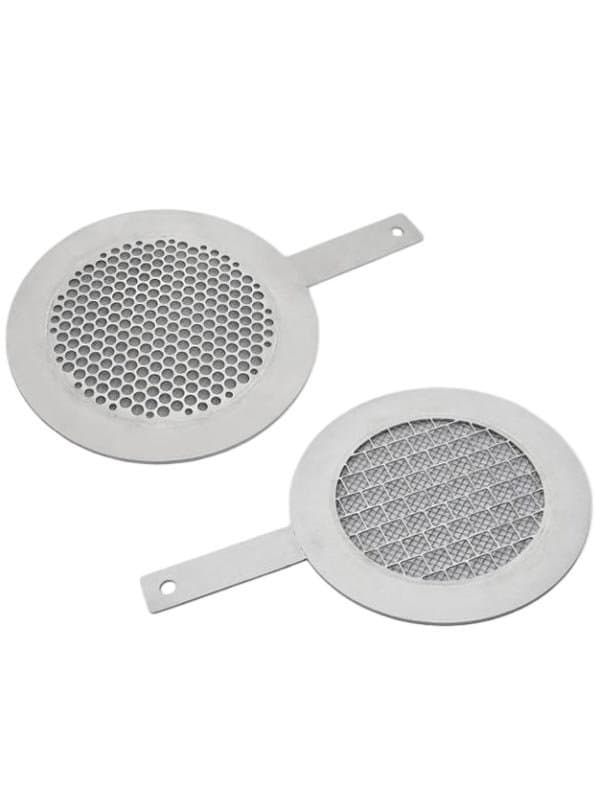
Bộ Lọc Tạm Phẳng
Được chế tạo theo đường kính trong của ống — dải phổ biến 2" đến 24" Class 150–300 / PN 10–40 (chỉ dùng tạm thời — không được định mức cho lắp đặt vĩnh viễn) Chế tạo theo yêu cầu riêng của từng dự án — không có tiêu chuẩn ngành nào quy định hình dạng của bộ lọc tạm thời. Tấm thép không gỉ A240 304 / A240 316 — đĩa và vòng mặt bích cắt từ tấm cán, không có thân đúc Đĩa phẳng đục lỗ — lỗ đục 1mm đến 6mm, lót lưới tùy chọn (20–100 mesh) Đĩa phẳng lắp giữa các mặt bích đường ống, vuông góc với dòng chảy — cặn bẩn tích tụ trên bề mặt phía thượng nguồn, được loại bỏ sau khi hoàn tất vận hành thử Tại Sao Hầu Hết Các Dự Án Bắt Đầu Với Đĩa Phẳng Khi một đường ống mới đi vào hoạt động, việc phát sinh chất thải là điều chắc chắn — xỉ hàn, mảnh rỉ sét, bụi bẩn, mảnh gioăng. Cần phải có thiết bị để giữ lại những chất thải đó trước khi chúng đến các van, máy bơm và thiết bị đo ở phía hạ lưu. Lưới lọc tạm thời dạng phẳng là lựa chọn đầu tiên mà hầu hết các nhóm dự án thường sử dụng, và lý do rất đơn giản: nó hiệu quả, giá rẻ và lắp đặt chỉ trong vài phút. Bạn cắt một đĩa tròn từ tấm đục lỗ, thêm vòng mặt bích hoặc tai hàn, và xong. Không cần tạo hình. Không cần cán. Không cần tính toán hình học hình nón. Trên một dự án xây dựng lớn — hàng trăm đoạn ống, hàng chục kích cỡ, thời hạn vận hành thử đang ép sát — sự đơn giản trong chế tạo đó rất quan trọng. Mỗi đĩa phẳng bạn đặt hàng có giá thấp hơn và giao nhanh hơn so với loại hình nón tương đương. Khi tiến độ gấp rút và ngân sách có hạn, đĩa phẳng thắng chỉ riêng về mặt hậu cần. Lắp đặt cũng dễ dàng không kém. Tháo bu lông mặt bích, đặt đĩa vào với gioăng ở cả hai bên, siết lại. Đĩa mỏng — thép tấm 3 đến 6mm — nên hầu như không thay đổi khe hở mặt bích. Hai tuần sau khi đường ống sạch, tháo bu lông lần nữa, lấy đĩa ra, thay bằng miếng đệm hoặc gioăng vĩnh viễn. Không cần dụng cụ đặc biệt. Không rắc rối. Toàn bộ chu trình từ lắp đến tháo nhanh hơn cả thời gian đọc quy trình vận hành thử. Thêm vào đó là lợi thế về không gian. Các đĩa phẳng hầu như không chiếm không gian theo trục — chỉ bằng độ dày của đĩa cộng với hai miếng đệm. Trong các hệ thống lắp đặt chật hẹp, nơi các mặt bích nằm sát nhau và không có chỗ cho phần thân kéo dài của bộ lọc hình nón, đĩa phẳng vẫn vừa vặn mà không cần phải thay đổi đường ống. Điều này rất quan trọng trong các bố trí nhà máy chật chội, nơi mỗi inch của giá đỡ đường ống đều có ý nghĩa. Nơi Đĩa Phẳng Chạm Giới Hạn Của Nó Đây là sự đánh đổi thật lòng. Một hình tròn phẳng có diện tích bề mặt nhỏ hơn một hình nón bao quanh cùng đường kính ống. Diện tích nhỏ hơn nghĩa là tổn thất áp suất cao hơn trên mỗi đơn vị cặn bẩn bị giữ lại — đĩa bị tắc nhanh hơn trong cùng điều kiện tải. Và phân bố dòng chảy không đều. Vận tốc dòng vào chạm tâm đĩa trước, tích tụ cặn ở đó trong khi vành ngoài ít bị tác động hơn. Tắc cục bộ ở tâm là một hiện tượng thực tế — không phải lý thuyết, đó là điều các vận hành viên nhìn thấy tại hiện trường. Với tải cặn nhẹ hoặc các đợt khởi động ngắn nơi bạn sẽ tháo lưới lọc trước khi nó kịp tắc, những sự đánh đổi đó không quan trọng. Đĩa phẳng làm tốt công việc với chi phí thấp hơn và chế tạo đơn giản hơn. Nhưng nếu bạn đối mặt với cặn nặng — ví dụ một thời gian vận hành thử dài trên đường ống cũ rỉ sét nối vào hệ thống ống mới — lưới lọc tạm thời hình nón với diện tích bề mặt lớn hơn và phân bố dòng chảy tốt hơn cho bạn biên độ vận hành rộng hơn. Khoảng trống trước khi tắc nhiều hơn nghĩa là ít rủi ro dừng máy ngoài kế hoạch trong giai đoạn nhạy cảm nhất về tiến độ của dự án. Nắm rõ lượng phế thải cần vận chuyển. Nắm rõ tiến độ. Chọn hình dạng phù hợp với cả hai yếu tố đó. Ý Nghĩa Thực Sự Của Vật Liệu Thép tấm A240 304 và 316 — đó là nguyên liệu chính cho mọi bộ phận của bộ lọc tạm thời dạng phẳng. Đĩa được cắt từ thép tấm đục lỗ. Vòng mặt bích được cắt từ thép tấm đặc cùng loại. Không có thân đúc, không rèn, không gia công phức tạp. Nó được chế tạo từ thép tấm cán, đó là lý do tại sao quá trình sản xuất nhanh chóng và việc truy xuất nguồn gốc vật liệu luôn được đảm bảo — một mã số lô sản xuất, một loại thép, một Giấy chứng nhận tuân thủ vật liệu. Lớp lưới lót là tùy chọn. Nếu thiết bị hạ lưu của bạn nhạy cảm — van điều khiển lỗ nhỏ, lỗ đo lưu lượng, chi tiết bên trong bơm chính xác — bạn thêm một lớp lưới phủ lên đĩa đục lỗ để giữ các hạt mịn lọt qua các lỗ tròn từ 1mm đến 6mm. Lưới dao động từ 20 đến 100 mesh. Với bảo vệ khởi động thô sơ nơi bạn chỉ cần giữ hạt hàn và mảnh gỉ, tấm đục lỗ trần là đủ. Đừng đặc tả quá mức bộ phận lọc cho một lắp đặt tạm thời hai tuần — hãy khớp nó với những gì thực sự có trong đường ống. A: Không. Nó chỉ được thiết kế cho dịch vụ khởi động và vận hành thử — thường từ 2 đến 4 tuần. Lắp đặt vĩnh viễn nghĩa là tải cặn liên tục mà không có kế hoạch tháo ra, và đĩa phẳng không được chế tạo cho việc đó. Sau khi vận hành thử, tháo lưới lọc và lắp gioăng hoặc vòng đệm vĩnh viễn. A: Đĩa...
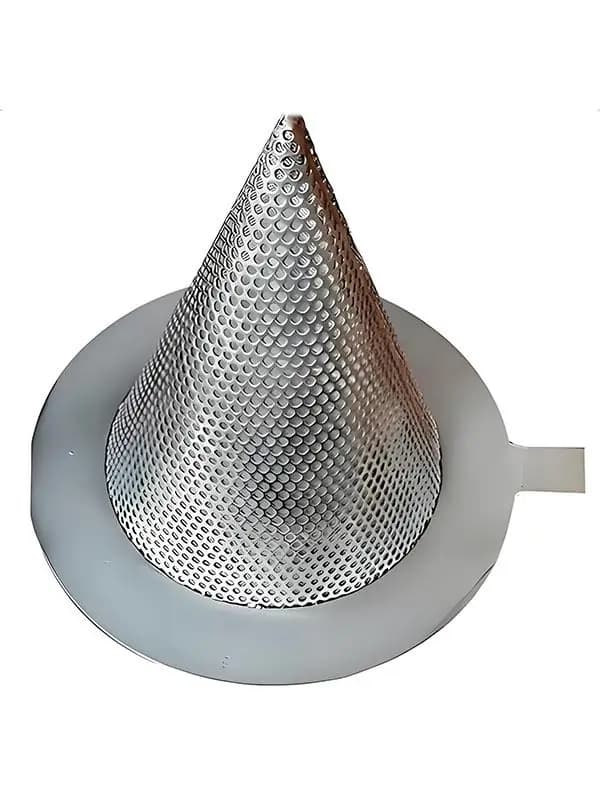
Bộ Lọc Tạm Hình Nón
Kích thước: Được thiết kế riêng theo đường kính trong của ống — sản xuất để phù hợp với đường kính trong cụ thể của ống. Phạm vi phổ biến bao gồm các kích thước ống từ 2" đến 24". Áp suất: Class 150 - 300 / PN 10-40 (chỉ dùng cho dịch vụ tạm thời — không được định mức cho lắp đặt vĩnh viễn. Áp suất thiết kế khớp với áp suất đường ống chỉ trong thời gian khởi động/vận hành thử) Tiêu chuẩn: Không có tiêu chuẩn ngành nào quy định hình dạng của lưới lọc tạm thời — đây là các hạng mục chế tạo theo dự án cụ thể dựa trên thông số kỹ thuật đường ống của dự án. MSS SP-89 chỉ bao phủ các bộ lọc vĩnh viễn. Vật liệu thân van: A240 304 (tấm thép không gỉ 304), A240 316 (tấm thép không gỉ 316). Không phải thân van đúc — được chế tạo từ tấm thép cán. Bộ phận lọc: Bề mặt hình nón có đục lỗ. Đường kính lỗ từ 1mm đến 6mm, có thể lót lưới (20 - 100 mesh). Hình nón là bộ phận lọc — dòng chảy đi qua thành nón đục lỗ từ ngoài vào trong. Thiết kế: Màn chắn hình nón đục lỗ được lắp giữa các mặt bích đường ống trong quá trình vận hành thử. Đỉnh nón hướng về phía hạ lưu. Được tháo ra sau 2-4 tuần khi các mảnh vụn ban đầu đã được làm sạch. Lắp đặt qua mặt bích hoặc tab hàn. Bên Trong Đường Ống Mới Có Gì Mọi hệ thống đường ống mới đều có mảnh vụn bên trong. Dù đội thi công có làm việc cẩn thận đến đâu — hàn, cắt, mài, lắp ráp — bên trong hệ thống ống mới lắp ráp vẫn chứa vật liệu không nên có ở đó. Xỉ hàn rơi vào bên trong ống từ quá trình hàn gốc. Phoi cắt từ quá trình chuẩn bị ống bằng cưa hoặc dụng cụ mài. Mảnh gioăng từ quá trình căn chỉnh và siết bu lông. Bụi bẩn lọt vào trong quá trình lưu kho và xử lý. Lớp gỉ hình thành trên bề mặt ống thép carbon trong những tuần hoặc tháng giữa lúc chế tạo và vận hành thử. Lượng mảnh vụn này trong giai đoạn khởi động nặng hơn từ mười đến một trăm lần so với mảnh vụn vận hành bình thường mà bộ lọc vĩnh viễn xử lý. Bộ lọc vĩnh viễn — bộ lọc dạng rổ, bộ lọc chữ Y, bộ lọc kép — có màn lọc được thiết kế cho điều kiện vận hành liên tục. Hạt cát, sản phẩm ăn mòn, sinh vật phát triển, chất gây ô nhiễm quá trình. Các màn lọc này chạy ở độ đục lỗ 0,5mm hoặc lót lưới 40 mesh hoặc mịn hơn. Nếu bạn đặt màn lọc mịn đó vào đường ống trong giai đoạn khởi động, nó sẽ tắc nghẽn trong vài giờ. Đôi khi trong vài phút. Mảnh vụn khởi động lớn hơn, đa dạng hơn và phong phú hơn nhiều so với bất cứ thứ gì bộ lọc vĩnh viễn được thiết kế để bắt giữ. Bộ lọc tạm thời hình nón tồn tại để xử lý tải trọng khởi động này. Độ đục lỗ lớn hơn — từ 1mm đến 6mm — cho phép lượng mảnh vụn khởi động đi qua mà không bị tắc nghẽn ngay lập tức trong khi vẫn bắt được các mảnh lớn gây hư hại cho thiết bị hạ lưu. Xỉ hàn, phoi cắt, mảnh gioăng, mảnh gỉ lớn. Bộ lọc hình nón bắt được những gì quan trọng trong quá trình vận hành thử và cho phép các hạt nhỏ hơn đi qua để được xả hoặc xử lý bởi bộ lọc vĩnh viễn sau khi được lắp đặt sau giai đoạn khởi động. Tại Sao Là Hình Nón, Không Phải Màn Phẳng Hình nón làm được hai việc mà màn phẳng không thể làm được. Diện tích bề mặt. Một hình nón nằm bên trong ống có diện tích đục lỗ lớn hơn một đĩa phẳng ở cùng đường kính ống — khoảng 1,5 đến 2 lần tùy thuộc vào chiều dài nón. Diện tích bề mặt lớn hơn nghĩa là diện tích mở cho dòng chảy đi qua lớn hơn. Diện tích mở lớn hơn nghĩa là độ giảm áp trên mỗi đơn vị mảnh vụn thu được trên bề mặt thấp hơn. Trong giai đoạn khởi động, khi tải trọng mảnh vụn nặng và liên tục, diện tích bề mặt thêm đó giữ cho bộ lọc hoạt động lâu hơn trước khi cần làm sạch hoặc tháo ra. Màn phẳng bị tắc nhanh vì tất cả mảnh vụn thu trên một bề mặt nhỏ và chặn các lỗ đục nhanh chóng. Phân bố dòng chảy. Hình nón trải dòng chảy đến trên toàn bộ bề mặt đục lỗ. Dòng chảy vào từ thượng lưu, chạm đỉnh nón trước tiên, và lan ra ngoài dọc theo thành nón về phía đáy. Vận tốc phân bố trên toàn bộ bề mặt nón thay vì tập trung ở tâm. Màn phẳng tạo ra kiểu dòng chảy khác — luồng vận tốc cao nhất chạm vào tâm màn và mảnh vụn tích tụ ở đó trước trong khi các mép ngoài thấy vận tốc thấp hơn và tích tụ chậm hơn. Tắc nghẽn cục bộ ở tâm chặn một phần không cân xứng của diện tích mở. Hình nón tránh được hiệu ứng tập trung này chỉ bằng hình dạng. Tạm Thời Nghĩa Là Tạm Thời Bộ lọc tạm thời hình nón không phải là thành phần đường ống vĩnh viễn. Kích thước đục lỗ quá thô cho việc lọc vận hành liên tục — độ đục lỗ 1mm đến 6mm sẽ không bắt được các hạt mịn mà bộ lọc vĩnh viễn của bạn xử lý. Kết cấu tấm chế tạo — tấm đục lỗ cán và hàn — không có độ bền kết cấu cho nhiều năm phục vụ áp suất liên tục. Thân bộ lọc đúc với bề mặt ngồi gia công và cụm nắp định mức được chế tạo cho lắp đặt vĩnh viễn. Bộ lọc tạm thời hình nón được chế tạo cho một khoảng thời gian vận hành thử. Sau hai đến bốn tuần phục vụ, hãy kéo bộ lọc hình nón ra khỏi đường ống. Mở khớp mặt bích, tháo bộ lọc và các gioăng của nó, kiểm tra bên trong ống xem còn mảnh vụn không. Nếu hệ thống sạch — không thấy xỉ hàn, không phoi cắt,...
Tổng quan kỹ thuật
Bộ lọc loại bỏ cặn bẩn khỏi chất lỏng quy trình trước khi nó đến thiết bị hạ lưu—bơm, van điều khiển, bộ trao đổi nhiệt, vòi phun, thiết bị đo lường. Kính quan sát dòng chảy cho phép người vận hành xác nhận trực quan điều kiện quy trình—sự hiện diện của dòng chảy, hướng dòng chảy, độ trong của chất lỏng, khí lẫn vào, tiến độ phản ứng. Hai dòng sản phẩm này phục vụ các chức năng khác nhau nhưng chia sẻ cùng bối cảnh lắp đặt: chúng nằm trong đường ống như các bộ phận nối tiếp, giữa nguồn và thiết bị hạ lưu nhạy cảm mà cặn bẩn hoặc điều kiện quy trình bất thường sẽ gây hư hỏng. FLOWKS sản xuất năm cấu hình bộ lọc và hai cấu hình kính quan sát dòng chảy. Bộ lọc dạng rổ sử dụng màn lọc hình trụ hoặc hình rổ bên trong khoang thân—cặn bẩn tích tụ bên trong rổ, chất lỏng sạch đi qua đến cửa ra, nắp đỉnh mở ra giúp việc tháo rổ chỉ mất năm phút. Bộ lọc dạng chữ Y sử dụng khoang màn lọc góc cạnh nhỏ gọn rẽ nhánh khỏi dòng chảy chính—nhỏ hơn, nhẹ hơn, chịu áp đến Class 1500 ở kích thước nhỏ, là lựa chọn mặc định cho hơi nước, khí nén và bảo vệ quy trình đường ống nhỏ. Bộ lọc rổ kép thêm van chuyển hướng giữa hai khoang song song—chuyển dòng từ khoang này sang khoang kia mà không cần ngừng đường ống. Bộ lọc rổ song công nâng cấp việc chuyển đổi thành van tích hợp bốn cổng hoặc sáu cổng đồng thời hoán đổi đầu vào và đầu ra chỉ trong một lần xoay cần, với cổng xả/van thông hơi để bảo trì an toàn khi ngừng vận hành. Bộ lọc tạm thời là linh kiện chỉ dùng trong giai đoạn vận hành thử—hình nón đục lỗ hoặc tấm phẳng lắp giữa mặt bích đường ống để bắt cặn bẩn xây dựng trong quá trình khởi động, được tháo ra sau khi hệ thống sạch. Kính quan sát dạng cửa sổ cung cấp tấm kính thủy tinh borosilicate để quan sát trực quan—một hoặc hai cửa sổ để nhìn rõ khi có đèn nền. Kính quan sát dòng chảy dạng cánh/van bi thêm bộ phận chuyển động bên trong lệch theo hướng và vận tốc dòng chảy, cho xác nhận trực quan về sự hiện diện dòng chảy, hướng và tốc độ tương đối ngoài hình dạng chất lỏng.
Bộ lọc và kính quan sát dòng chảy FLOWKS bảo vệ thiết bị hạ lưu và cung cấp xác minh quy trình trực quan trên các hệ thống đường ống công nghiệp. Bộ lọc rổ cung cấp khả năng tiếp cận màn lọc từ đỉnh hở để loại bỏ cặn nhanh—bảo trì năm phút mà không cần ngắt đường ống, kích thước mắt lọc từ bảo vệ bơm thô (đục lỗ 1/8"–1/2") đến bảo vệ thiết bị đo và vòi phun tinh (lưới 40–100 mesh). Bộ lọc dạng chữ Y cung cấp khả năng lọc áp suất cao nhỏ gọn trong khoang góc—chịu áp đến Class 1500, lý tưởng cho hơi nước, khí nén, thủy lực và đường quy trình đường kính nhỏ từ 1/2" đến 12". Bộ lọc rổ kép cho phép lọc dòng chảy liên tục với van chuyển hướng chuyển đổi giữa hai khoang song song—không có thời gian ngừng để làm sạch rổ trên đường hút bơm quan trọng và đường nước làm mát. Bộ lọc rổ song công nâng cấp việc chuyển đổi thành hoán đổi đầu vào/đầu ra đồng thời với van tích hợp bốn cổng hoặc sáu cổng và cổng xả/van thông hơi để bảo trì an toàn khi ngừng vận hành. Bộ lọc hình nón và tấm phẳng tạm thời bắt cặn bẩn xây dựng trong quá trình vận hành thử, được tháo ra sau chu kỳ làm sạch. Kính quan sát dạng cửa sổ cung cấp tấm kính thủy tinh borosilicate để kiểm tra trực quan chất lỏng—một hoặc hai cửa sổ với khả năng nhìn đèn nền cho môi trường tối hoặc đục. Kính quan sát dòng chảy dạng cánh và van bi thêm bộ phận chuyển động bên trong để xác nhận trực quan hướng dòng chảy, sự hiện diện và vận tốc tương đối trên đường ống đường kính nhỏ.
Tải xuống sản phẩm
Tìm Kiếm Thêm Giải Pháp?
Khám phá dải sản phẩm được thiết kế cho thách thức ngành của bạn.
Ball Valves
FLOWKS offers floating ball valve, trunnion mounted ball valve and top entry ball valve for oil & gas, petrochemical and power generation. Designed per API 6D, API 608 and ASME B16.34.
DBB Valves
FLOWKS Double Block & Bleed (DBB) valves provide dual isolation with bleed verification in a single compact body. Replacing traditional multi-valve installations, FLOWKS DBB valves reduce weight, space and potential leak paths. Available in bolted bonnet, all-welded and expanding gate designs per API 6D and API 607.
Gate Valves
FLOWKS gate valves for isolation service in piping systems. Flexible wedge, solid wedge, slab and expanding gate designs per API 600, API 602 and ASME B16.34.
Globe Valves
FLOWKS globe valves for throttling and isolation. Standard, angle, Y-pattern and bellows seal configurations per API 602 and BS 1868.