Giới thiệu Van 904L
Tại Sao 904L Xử Lý Axit Sulfuric Trên Toàn Dải Nồng Độ
Đây là sự thật gây ngạc nhiên cho các kỹ sư chưa làm việc trong nhà máy axit sulfuric: axit sulfuric loãng ăn mòn thép không gỉ mạnh hơn axit đậm đặc. Ở nồng độ 10–30%, axit sulfuric tấn công thép không gỉ mạnh mẽ, trong khi ở nồng độ 90%+, 316L thực sự xử lý khá tốt (axit đậm đặc ít hoạt động ion hơn). 904L là hợp kim bao phủ toàn bộ dải nồng độ 0–100% ở nhiệt độ lên đến khoảng 35°C.
Việc bổ sung đồng (1–2%) chính là yếu tố tạo nên điều này. Đồng cải thiện khả năng chống chịu trong môi trường axit khử — cùng vùng axit sulfuric loãng nơi màng thụ động chỉ dựa trên crom của 316L bị phá vỡ. Hàm lượng molypden 4,5% xử lý hiện tượng ăn mòn lỗ trong dải nồng độ trung gian. Hàm lượng niken 25% cung cấp khả năng chống nứt do ứng suất (SCC) trong môi trường axit chứa clorua. Đây là sự phối hợp phòng thủ ba nguyên tố mà thép không gỉ austenit tiêu chuẩn không thể tái tạo được.
Tại các nhà máy tẩy trắng bột giấy và giấy, van 904L đã thay thế van 316L từ nhiều thập kỷ trước — môi trường xử lý tẩy trắng giàu clorua và có tính axit làm hỏng van 316L do hiện tượng rỗ và ăn mòn khe hở trong vòng 1-2 năm. Van 904L ở cùng vị trí có thể hoạt động được 5-8 năm. Đó không phải là một cải tiến nhỏ; đó là một sự thay đổi về chất lượng trong kế hoạch bảo trì.
Các hệ thống vệ sinh tại chỗ (CIP) trong ngành dược phẩm ngày càng ưa chuộng thép không gỉ 904L vì chu trình làm sạch dao động giữa chất kiềm và chất ăn mòn (axit photphoric hoặc sulfuric) ở nhiệt độ cao. Thép 904L có thể chịu được cả hai sự thay đổi này, trong khi thép 316L lại bị rỗ nhỏ trong giai đoạn xử lý bằng axit, tạo thành các điểm trú ngụ của vi khuẩn – điều không thể chấp nhận được trong sản xuất vô trùng.
Nơi 904L Thua Kém So Với Các Đối Thủ Thực Sự
Không phải nhà vô địch chống ăn mòn lỗ. PREN của 904L nằm khoảng 34–35. 254SMO đạt 43+ với 6% molypden và bổ sung nitơ. Trong môi trường ăn mòn lỗ clorua khắc nghiệt (nước biển nóng trên 40°C, xử lý nước muối cô đặc), 904L bị ăn mòn lỗ nơi 254SMO vẫn giữ vững. Nếu chế độ hư hỏng của bạn cụ thể là ăn mòn lỗ do clorua, 254SMO mới là đặc tả đúng, không phải 904L.
Trần nhiệt độ trong dịch vụ axit. Trên 35°C trong axit sulfuric ở toàn dải nồng độ, tốc độ ăn mòn của 904L vượt ngưỡng cho phép. Ở 50–70°C trong axit sulfuric loãng, nó vẫn hoạt động — nhưng lúc này bạn đang ở vùng mà Hastelloy tạo biên an toàn. Thiết kế van 904L vào quy trình chạy axit nóng mà không kiểm tra biểu đồ đẳng ăn mòn (isocorrosion diagram) là tự chuốc lấy việc thay thế sớm.
Kết tủa pha sigma. Hàm lượng hợp kim cao (25% Ni, 4,5% Mo, 20% Cr) khiến 904L dễ hình thành pha sigma nếu bị giữ trong khoảng 600–900°C trong thời gian dài. Đó không phải nhiệt độ vận hành van bình thường, nhưng liên quan trong quá trình chế tạo — nếu lò rèn hoặc xưởng đúc để vật liệu nguội chậm qua khoảng đó thay vì tôi nhanh, pha sigma hình thành và cả khả năng chống ăn mòn lẫn độ dẻo dai đều suy giảm. Xác minh chứng nhận xử lý nhiệt của nhà cung cấp: dung dịch hóa ở 1060–1140°C sau đó tôi nhanh bằng nước.
Chi phí chế tạo. 904L gia công và hàn như mọi thép không gỉ austenit — không cần quy trình đặc biệt — nhưng chi phí nguyên liệu thô cao gấp khoảng 3 lần giá 316L. Trong ứng dụng 316L đã hoạt động tốt, 904L là lãng phí thuần túy. Trong ứng dụng 316L hỏng nhưng 254SMO cũng hoạt động được, 254SMO thường cho hiệu suất chống ăn mòn lỗ tốt hơn ở chi phí tương đương. Vị trí thích hợp của 904L cụ thể là dải toàn nồng độ axit sulfuric và dịch vụ dao động CIP trong dược phẩm.
Hướng dẫn lựa chọn van 904L chính xác
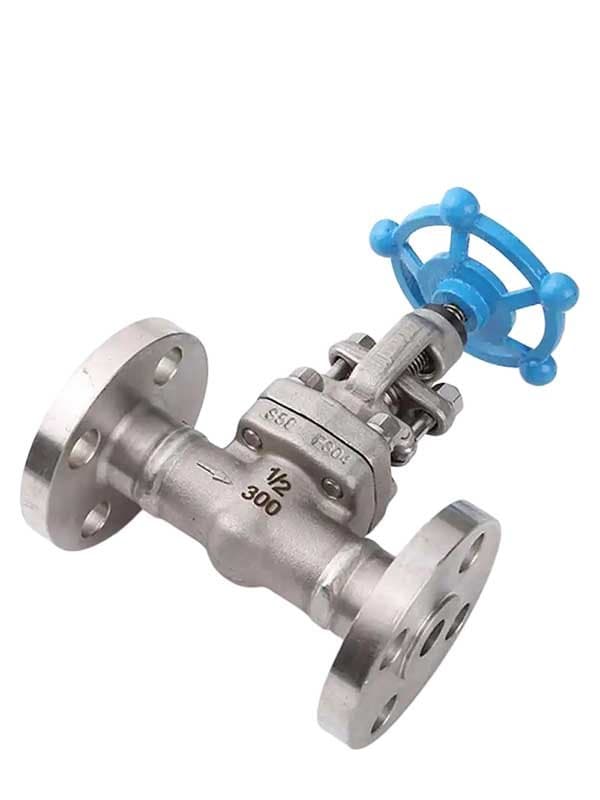
Đối với axit sulfuric có nồng độ loãng đến trung bình: Van cầu hoặc van bi 904L, loại 150–300, gioăng PTFE hoặc kim loại. Phù hợp với H2SO4 có nồng độ từ 0–50% ở nhiệt độ môi trường đến 35°C. Vượt quá giới hạn này, hãy nâng cấp các vị trí cụ thể lên Hastelloy — không nên sử dụng C276 cho toàn bộ nhà máy.
Đối với quy trình tẩy trắng bột giấy: Van bướm hoặc van màng 904L, lót EPDM hoặc PTFE. Đây là cách sử dụng điển hình cho 904L và hiệu quả chi phí đã được chứng minh qua nhiều thập kỷ.
Đối với hệ thống CIP dược phẩm: Van màng 904L, mặt trong phủ PTFE, được đánh bóng điện hóa. Thân van 904L chịu được sự thay đổi hóa chất; lớp đánh bóng điện hóa đảm bảo khả năng làm sạch. Yêu cầu độ nhám bề mặt Ra ≤0,4 μm cho các ứng dụng vô trùng.
A: Đúng vậy — 904L vượt trội hơn 317L về mọi mặt chống ăn mòn (rỗ, khe hở, khả năng chống axit nói chung). Vấn đề là liệu bạn có cần sự cải tiến đó hay không. Nếu 317L vẫn đáp ứng tốt nhu cầu sử dụng của bạn, việc nâng cấp lên 904L sẽ làm tăng chi phí mà không kéo dài tuổi thọ.
A: Vâng. 1.4539 là ký hiệu EN/W.Nr cho cùng một hợp kim (UNS N08904 / 904L). Hệ thống đặt tên khác nhau, nhưng vật liệu giống hệt nhau. Hãy sử dụng ký hiệu mà tiêu chuẩn mua sắm của bạn yêu cầu.
A: Sử dụng dây hàn ERNiCrMo-3 (hợp kim 625) hoặc que hàn phủ đồng 20-25 CuL. Vật liệu hàn có độ bền cao hơn một chút so...
Thông Số Kỹ Thuật
| Parent Standards | ASME B16.34, NACE MR0175 |
| Parent Size Range | 2" - 24" |
| Parent Pressure Class | Class 150 - 1500 |
Tải xuống sản phẩm
Cần Báo Giá?
Contact our engineering team for pricing and technical support on Van 904L.
Request a QuoteTìm Kiếm Thêm Giải Pháp?
Khám phá dải sản phẩm được thiết kế cho thách thức ngành của bạn.
Ball Valves
FLOWKS offers floating ball valve, trunnion mounted ball valve and top entry ball valve for oil & gas, petrochemical and power generation. Designed per API 6D, API 608 and ASME B16.34.
DBB Valves
FLOWKS Double Block & Bleed (DBB) valves provide dual isolation with bleed verification in a single compact body. Replacing traditional multi-valve installations, FLOWKS DBB valves reduce weight, space and potential leak paths. Available in bolted bonnet, all-welded and expanding gate designs per API 6D and API 607.
Gate Valves
FLOWKS gate valves for isolation service in piping systems. Flexible wedge, solid wedge, slab and expanding gate designs per API 600, API 602 and ASME B16.34.
Globe Valves
FLOWKS globe valves for throttling and isolation. Standard, angle, Y-pattern and bellows seal configurations per API 602 and BS 1868.