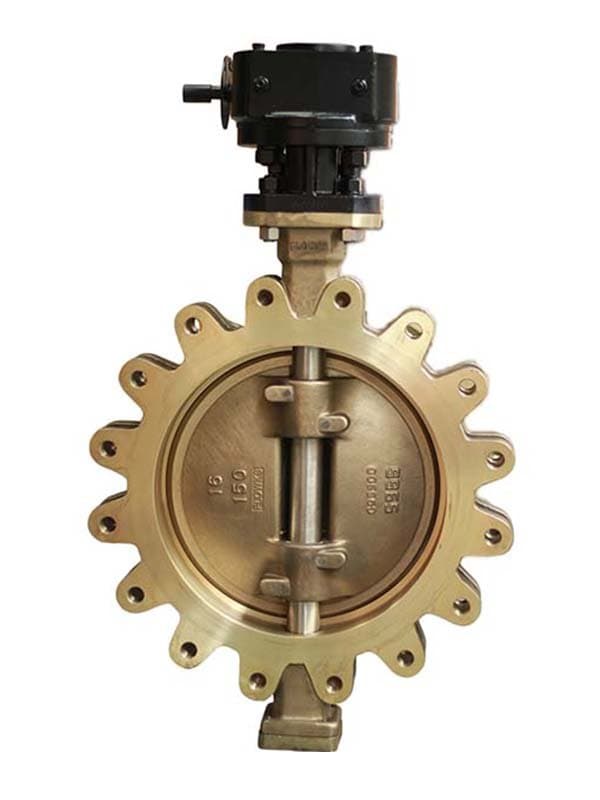
Van Bướm Đồng Nhôm
Giới thiệu Van Bướm Đồng Nhôm
Tại Sao Đồng Nhôm Xử Lý Nước Mặn Tốt Trong Khi Thép Không Thể Giữ Sạch
Điều khiến nhiều kỹ sư bất ngờ về nước biển là: nó không chỉ "ăn mòn" mà còn ăn mòn sinh học. Sự ăn mòn do vi sinh vật (MIC) trong hệ thống nước mặn phá hủy van 316L nhanh hơn hầu hết mọi người dự đoán — không phải vì hàm lượng clorua vượt quá ngưỡng của thép không gỉ, mà vì các sinh vật biển bám vào bề mặt và tạo ra các túi axit cục bộ dưới lớp màng sinh học của chúng.
Hợp kim đồng nhôm không tạo điều kiện thuận lợi cho sự phát triển của MIC (vi sinh vật biển bám dính). Hàm lượng nhôm (9–11% trong C95400) tạo thành một lớp oxit bền chắc, tự phục hồi mà các sinh vật biển khó bám vào. Kết hợp với đặc tính diệt khuẩn tự nhiên của đồng, ta có được một vật liệu vẫn hoạt động tốt trong điều kiện mà thép không gỉ cần được làm sạch và kiểm tra hóa học thường xuyên.
Trong hệ thống dằn tàu — nơi van chứa nước biển tù đọng trong nhiều tuần giữa các chuyến cập cảng — van bướm đồng nhôm thường bền hơn thép không gỉ gấp 3–4 lần. Không phải vì luyện kim "tốt hơn" theo nghĩa trừu tượng nào đó, mà vì chế độ hỏng hóc thực tế trong môi trường đó là ăn mòn cục bộ do bám bẩn sinh học, và hóa học bề mặt của hợp kim này đặc biệt chống lại điều đó.
Đồng nhôm niken (C95500 / C63000, với 4–5.5% Ni) tăng độ bền và cải thiện khả năng chống nứt do ăn mòn ứng suất. Đối với đường ống cứu hỏa nước biển áp suất cao trên giàn ngoài khơi, đó là cấp bạn cần. Đồng nhôm thường (C95400) hoạt động tốt cho mạch dằn và làm mát áp suất thấp hơn.
Những nhược điểm mà không cuốn cẩm nang nào đề cập đến
Trọng lượng. Van bướm đồng nhôm rất đặc — 7.5 g/cm³, nghĩa là thân van 12" nặng hơn đáng kể so với van thép không gỉ tương đương. Trên tàu nơi mỗi kilogram đều quan trọng, đó là cân nhắc thực sự, không phải chú thích nhỏ.
Giới hạn nhiệt độ. 260°C là giới hạn của bạn. Vượt qua đó, lớp oxit nhôm bắt đầu phân hủy. Nếu hệ thống của bạn chạy nước ngưng nóng hoặc chất lỏng quy trình quá nhiệt, đây không phải vật liệu của bạn — hãy chuyển sang super duplex hoặc hợp kim niken.
Thoát kẽm (dezincification) là câu chuyện ma mà người ta nhắc đến mỗi khi bạn đề cập van đồng. Thực tế là: đồng nhôm được chế tạo đặc biệt để chống thoát kẽm vì nó không chứa kẽm đáng kể. "Rủi ro thoát kẽm" áp dụng cho đồng thau (hợp kim Cu-Zn), không phải đồng nhôm. Nếu ai đó nói đồng nhôm bị thoát kẽm, họ đang nhầm lẫn giữa các họ hợp kim — và điều đó xảy ra nhiều hơn bạn nghĩ trong các cuộc họp mua sắm.
Gia công cơ khí rất khó khăn. Hàm lượng nhôm làm cho các hợp kim này trở nên dính – dụng cụ nhanh mòn, việc thoát phoi khó khăn, và độ hoàn thiện bề mặt đòi hỏi các mảnh dao carbide có góc thoát phoi dương. Nếu nhà sản xuất của bạn được trang bị để gia công thép không gỉ và cố gắng xử lý đồng nhôm theo cùng một cách, hiện tượng gãy dụng cụ và sai lệch kích thước sẽ xuất hiện ngay trên lô hàng đầu tiên.
Cho van đầu vào nhà máy khử mặn: van bướm C95400 kích thước 8"–24" với ghế ngồi lót elastomer. Hợp kim xử lý nước biển thô, lớp lót xử lý việc làm kín. Đừng suy nghĩ quá phức tạp — đây là tổ hợp tiêu chuẩn của ngành và nó hoạt động.
Cho hệ thống nước cứu hỏa ngoài khơi: C95500 hoặc C63000 (đồng nhôm niken) với cấu hình van bướm ghế kim loại. Cần áp suất định mức cao hơn, và việc thêm niken cho bạn độ bền kéo để giữ tính toàn vẹn ghế ngồi dưới áp suất đường ống cứu hỏa 10–16 bar.
Tránh đồng nhôm trong dòng quy trình axit. Ma trận đồng ăn mòn nhanh trong môi trường axit sulfuric và nitric. Đây là vật liệu cho nước biển, không phải vật liệu cho quy trình hóa chất. Dùng nó trong nhà máy hóa chất vì "nó chống ăn mòn" mà không xác định môi trường là sai lầm sẽ hiện rõ trong lịch thay thế chỉ sau vài tháng.
A: Vâng, nhưng cần lưu ý. Nồng độ clo tự do trên 1 ppm sẽ đẩy nhanh quá trình hòa tan đồng. Hầu hết các nhà máy khử muối đều sử dụng 0,5–1 ppm clo ở đầu vào — mức này nằm trong giới hạn cho phép. Việc khử trùng bằng clo nồng độ cao để kiểm soát sự bám bẩn sinh học (trên 3 ppm) sẽ làm giảm tuổi thọ thiết bị. Trong những trường hợp đó, nên sử dụng titan.
A: EPDM hoặc NBR cho nước biển tiêu chuẩn. Viton nếu bạn cần khả năng chống dầu (hệ thống đáy tàu). Ghế ngồi lót PTFE cho nhiệt độ cao hơn (lên đến 200°C). Đừng dùng ghế PVC rẻ tiền — chúng cứng lại trong nước mặn và rò rỉ trong vòng một năm.
A: Đối với van bướm Class 300 trong môi trường nước biển, C95400 đúc đáp ứng mọi yêu cầu chức năng. C63000 rèn cho tính đồng nhất cơ học tốt hơn cho thân van rèn chịu áp suất cao. Hầu hết van bướm được thiết kế theo phương pháp đúc — hình dạng đĩa và thân van không yêu cầu tính chất của vật liệu rèn.
A: Không. Lớp oxit tự nhiên chính là lớp bảo vệ của nó. Việc sơn hoặc phủ lớp bảo vệ lên hợp kim đồng nhôm thực chất làm giảm khả năng diệt khuẩn của bề mặt. Hãy để nguyên như vậy và để hợp kim tự làm nhiệm vụ của mình.
Thông Số Kỹ Thuật
| Size Range | 2"-48" |
| Pressure Class | Class 150 -600 |
| Design Standard | API 609 |
| Body Materials | C95400,C95500, C95800 |
| Parent Standards | ASME B16.34, NACE MR0175 |
| Parent Size Range | 2" - 24" |
| Parent Pressure Class | Class 150 - 1500 |
Tải xuống sản phẩm
| Phạm Vi Cỡ | 2"-48" |
| Lớp Áp Suất | Class 150 -600 |
| Tiêu Chuẩn Thiết Kế | API 609 |
| Vật Liệu Thân Van | C95400,C95500, C95800 |
Cần Báo Giá?
Contact our engineering team for pricing and technical support on Van Bướm Đồng Nhôm.
Request a QuoteTìm Kiếm Thêm Giải Pháp?
Khám phá dải sản phẩm được thiết kế cho thách thức ngành của bạn.
Ball Valves
FLOWKS offers floating ball valve, trunnion mounted ball valve and top entry ball valve for oil & gas, petrochemical and power generation. Designed per API 6D, API 608 and ASME B16.34.
DBB Valves
FLOWKS Double Block & Bleed (DBB) valves provide dual isolation with bleed verification in a single compact body. Replacing traditional multi-valve installations, FLOWKS DBB valves reduce weight, space and potential leak paths. Available in bolted bonnet, all-welded and expanding gate designs per API 6D and API 607.
Gate Valves
FLOWKS gate valves for isolation service in piping systems. Flexible wedge, solid wedge, slab and expanding gate designs per API 600, API 602 and ASME B16.34.
Globe Valves
FLOWKS globe valves for throttling and isolation. Standard, angle, Y-pattern and bellows seal configurations per API 602 and BS 1868.