Van Incoloy
Giới thiệu Van Incoloy
Tại Sao Incoloy 825 Là Điểm Trung Gian Thông Minh Giữa Thép Không Gỉ và Hastelloy
Thép không gỉ Incoloy 825 nằm ở vị trí tối ưu mà hầu hết các bảng thông số kỹ thuật đều bỏ qua vì chúng chỉ so sánh hai thái cực — "316L hay Hastelloy?" — mà không xem xét đến điểm giữa. 825 mang lại khả năng chống ăn mòn tương đương khoảng 80% so với Hastelloy C276 nhưng với chi phí chỉ bằng khoảng 40%. Tính toán này cho thấy đây là lựa chọn phù hợp cho nhiều ứng dụng khác nhau, nơi mà thép 316L dễ bị hỏng sớm nhưng C276 lại quá dư thừa.
Hóa học kể câu chuyện. 38–46% niken cho khả năng chống nứt do ứng suất trong môi trường clorua. 20% crom xử lý điều kiện oxy hóa. 3% molypden thêm khả năng chống ăn mòn lỗ. 2% đồng — nguyên tố đặc trưng — tăng hiệu suất trong axit khử như axit sulfuric. Và 1% titan ổn định chống nhạy hóa trong quá trình hàn. Không phải là nhà vô địch ở bất kỳ hạng mục đơn lẻ nào, nhưng sự kết hợp bao phủ phạm vi điều kiện ăn mòn rộng hơn bất kỳ hợp kim chuyên gia đơn thuộc tính nào.
Trong dịch vụ khí chua (sản xuất khí tự nhiên chứa H2S), van Incoloy 825 hoạt động tốt ở nơi 316L phát triển nứt do sulfide và nơi dùng Hastelloy C276 sẽ thổi bay ngân sách trên mỗi đầu giếng. Tiêu chuẩn NACE MR0175/ISO 15156 phê duyệt rõ ràng Incoloy 825 cho dịch vụ khí chua — đó không phải là chấp nhận lý thuyết, mà dựa trên hiệu suất thực địa hàng thập kỷ trong sản xuất ở Vịnh Mexico và Trung Đông.
Xử lý axit sulfuric ở nồng độ và nhiệt độ trung bình là một ứng dụng cốt lõi khác. 825 xử lý axit sulfuric lên đến khoảng 50% nồng độ trên dải nhiệt độ rộng, bao phủ hầu hết điều kiện nhà máy sản xuất. Trên 50% và ở nhiệt độ cao, bạn sẽ chuyển sang Hastelloy — nhưng hầu hết nhà máy axit sulfuric không thực sự chạy trong vùng cực đoan đó.
Những Hạn Chế Khiến Nó Không Phải Là Giải Pháp Phổ Quát
Không phải là siêu hợp kim thực sự. Khả năng chống ăn mòn lỗ của Incoloy 825 (PREN ~31) thấp hơn cả 254SMO (PREN ~43) và Hastelloy C276 (PREN hiệu quả 65+). Trong môi trường clorua ăn mòn lỗ mạnh — nước biển nhiệt độ cao, nước muối đậm đặc — 825 có thể bị ăn mòn lỗ ở nơi các lựa chọn hiệu suất cao hơn giữ vững. Nếu dịch vụ của bạn bị chi phối bởi ăn mòn lỗ, đừng chỉ định 825 như "sự thỏa hiệp tiết kiệm chi phí" — nó sẽ thỏa hiệp độ tin cậy nhà máy của bạn.
Khả năng chống ăn mòn khe hở. Hàm lượng đồng và molypden mang lại khả năng chống ăn mòn tổng thể khá tốt, nhưng dưới bề mặt gioăng, dưới đầu bu lông, trong bất kỳ khe hở nào mà oxy không thể tiếp cận bề mặt để duy trì lớp màng thụ động, thép 825 dễ bị ăn mòn hơn so với 254SMO hoặc Hastelloy. Điều này rất quan trọng trong các ứng dụng van trao đổi nhiệt nước biển, nơi hình dạng khe hở là đặc điểm cố hữu.
Dòng 800 (800/800H/800HT) — các biến thể nhiệt độ cao — không phải là hợp kim chống ăn mòn. Chúng là hợp kim độ bền được thiết kế cho dịch vụ kết cấu nhiệt độ cao liên tục (linh kiện lò, ống quá nhiệt). Nếu bạn cần chống ăn mòn ở nhiệt độ cao, 825 vẫn là cấp Incoloy của bạn. Nếu bạn cần độ bền ở 700°C trong môi trường tương đối sạch, 800H là lựa chọn đúng. Nhầm lẫn hai họ này là lỗi chỉ định phổ biến.
Cân nhắc hàn. Incoloy 825 hàn dễ dàng với GTAW/GMAW tiêu chuẩn sử dụng que hàn ERNiCrMo-3 (Alloy 625) — đó là dây hàn phù hợp được khuyến nghị, không phải khớp hóa học theo nghĩa đen. Que hàn vượt trội kim loại nền về khả năng chống ăn mòn, bảo vệ mối hàn. Nhưng nhiệt độ giữa các lớp hàn nên được kiểm soát, và mối hàn tiết diện dày được hưởng lợi từ việc khử ứng suất ở 540–650°C.
Cách Tận Dụng Tối Đa Van Incoloy 825
Cho dịch vụ đầu giếng khí chua: Van cổng hoặc van bi Incoloy 825, Class 600–900, theo giới hạn độ cứng NACE MR0175 (HRC 22 tối đa). Xác minh chứng nhận NACE của nhà cung cấp van — không chỉ giấy chứng nhận vật liệu từ nhà máy. Quy trình chế tạo (hàn, xử lý nhiệt) cũng phải đáp ứng yêu cầu NACE.
Đối với dịch vụ chung cho nhà máy sản xuất axit sulfuric: Van cầu hoặc van màng 825, cấp 150–300. Phù hợp với nồng độ H2SO4 lên đến 50% trong phạm vi nhiệt độ sản xuất thông thường. Nếu nồng độ axit của bạn vượt quá 50%, hoặc nếu nhiệt độ vượt quá 80°C trong axit đậm đặc, hãy nâng cấp lên Hastelloy C276 tại các vị trí van cụ thể đó — không phải ở mọi nơi.
Cho dịch vụ nước biển trên bờ: 825 hoạt động trong nước biển nhiệt độ môi trường, nhưng 254SMO hoặc titan cho khả năng chống ăn mòn lỗ tốt hơn trong cùng khung chi phí. Dành 825 cho dịch vụ nước biển chỉ khi bạn cũng cần chống lại dòng quy trình axit trong cùng hệ thống.
A: Vâng. "Incoloy" là nhãn hiệu của Special Metals Corporation. "Alloy 825" là tên gọi chung theo tiêu chuẩn UNS N08825. Về chức năng thì chúng giống hệt nhau. Một số bảng thông số kỹ thuật liệt kê cả hai tên để tránh các vấn đề về nhãn hiệu.
A: Trong dịch vụ bị chi phối bởi ăn mòn, có — đó là nâng cấp có ý nghĩa. Nhưng nếu van 316L của bạn không hỏng, nâng cấp lên 825 lãng phí ngân sách mà không thêm giá trị. Chỉ định nó ở nơi 316L có lịch sử hỏng hóc được ghi...
Thông Số Kỹ Thuật
| Size Range | 2”-24” |
| Pressure Class | Class150-600 |
| Design Standard | ASME B16.34,API 6D, API 600 |
| Body Materials | Monel 400 / UNS N04400,Monel K500 / UNS N05500 |
| Parent Standards | ASME B16.34, NACE MR0175 |
| Parent Size Range | 2" - 24" |
| Parent Pressure Class | Class 150 - 1500 |
Tải xuống sản phẩm
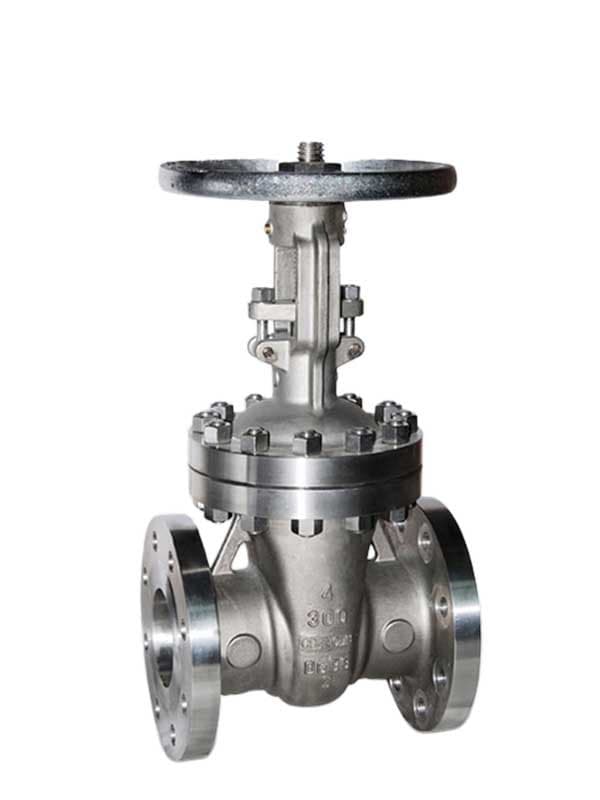
| Phạm Vi Cỡ | 2”-24” |
| Lớp Áp Suất | Class150-600 |
| Tiêu Chuẩn Thiết Kế | ASME B16.34,API 6D, API 600 |
| Vật Liệu Thân Van | Monel 400 / UNS N04400,Monel K500 / UNS N05500 |
Cần Báo Giá?
Contact our engineering team for pricing and technical support on Van Incoloy.
Request a QuoteTìm Kiếm Thêm Giải Pháp?
Khám phá dải sản phẩm được thiết kế cho thách thức ngành của bạn.
Ball Valves
FLOWKS offers floating ball valve, trunnion mounted ball valve and top entry ball valve for oil & gas, petrochemical and power generation. Designed per API 6D, API 608 and ASME B16.34.
DBB Valves
FLOWKS Double Block & Bleed (DBB) valves provide dual isolation with bleed verification in a single compact body. Replacing traditional multi-valve installations, FLOWKS DBB valves reduce weight, space and potential leak paths. Available in bolted bonnet, all-welded and expanding gate designs per API 6D and API 607.
Gate Valves
FLOWKS gate valves for isolation service in piping systems. Flexible wedge, solid wedge, slab and expanding gate designs per API 600, API 602 and ASME B16.34.
Globe Valves
FLOWKS globe valves for throttling and isolation. Standard, angle, Y-pattern and bellows seal configurations per API 602 and BS 1868.