Van Zirconium
Giới thiệu Van Zirconium
Tại Sao Zirconium Xử Lý Axit Nitric Như Không Có Kim Loại Nào Khác
Có một thứ bậc trong khả năng chống ăn mòn của các kim loại, và zirconium nằm gần đầu bảng — chỉ đứng sau tantalum về khả năng chống axit thô, nhưng với chi phí thấp hơn nhiều so với tantalum. Trong môi trường axit nitric đậm đặc (loại có nồng độ trên 65% có thể ăn mòn thép không gỉ, monel và thậm chí cả titan ở nhiệt độ cao), zirconium là lựa chọn thiết thực.
Cơ chế rất đơn giản: zirconi tạo thành một lớp màng oxit (ZrO2) cực kỳ ổn định và đặc chắc, bám chặt vào bề mặt kim loại với năng lượng liên kết mà hầu hết các màng oxit khác không thể sánh được. Lớp oxit đó không hòa tan trong axit nitric ở bất kỳ nồng độ hoặc nhiệt độ thương mại nào. Trong axit nitric sôi 98%, tốc độ ăn mòn của zirconi đo được dưới 0,025 mm/năm. Còn thép không gỉ 304L trong cùng điều kiện? Bạn có thể đo lượng hao hụt khối lượng bằng gam mỗi ngày.
Đây là lý do tại sao các nhà máy cô đặc axit nitric — giai đoạn cuối cùng nơi axit được cô đặc từ 65% lên 98% — lại chỉ định zirconium cho các vị trí van quan trọng. Quá trình này diễn ra ở nhiệt độ 80–150°C trong môi trường axit có nồng độ cao đến mức làm phân hủy các kim loại khác. Van zirconium trong các mạch này có thể hoạt động tốt trong hơn 10 năm với sự hao hụt vật liệu không đáng kể.
Zirconi cũng vượt trội trong xử lý axit hữu cơ. Axit axetic ở nhiệt độ và nồng độ sản xuất ăn mòn thép không gỉ với tốc độ buộc phải thay van hàng năm. Zirconi trong cùng điều kiện? Ăn mòn gần như không đo được. Ngành tổng hợp urê sử dụng van zirconi trong dịch vụ carbamate áp suất cao, nơi sự kết hợp của amoniac, CO2 và nước ở 200°C tạo ra một hỗn hợp ăn mòn đánh bại hầu hết các vật liệu thay thế.
Nơi Zirconi Yếu Điểm (Kiến Thức Quan Trọng Để Sống Còn)
Ion fluoride. Đây là điểm yếu chí mạng của zirconi, và nó là tuyệt đối. Ngay cả fluoride ở dạng vết (0,05 M NaF trong axit nitric) cũng khiến màng ZrO2 hòa tan, để lộ kim loại trần trước sự tấn công nhanh chóng. Nếu dòng quy trình của bạn chứa bất kỳ fluoride nào — từ nước thô, từ nhiễm bẩn phosphate, từ bất kỳ nguồn nào — zirconi sẽ bị ăn mòn. Không tranh cãi, không giải pháp thay thế, không có "một lượng nhỏ có thể chấp nhận được." Hastelloy C276 là lựa chọn thay thế cho các dòng chứa fluoride.
Cấu trúc chi phí. Nguyên liệu zirconium có giá cao gấp khoảng 6-8 lần so với thép không gỉ. Chi phí thân van khá cao, nhưng chi phí thực sự cao đến từ khâu chế tạo — zirconium cực kỳ dễ phản ứng ở nhiệt độ rèn và phải được gia công trong môi trường khí trơ. Hầu hết các xưởng sản xuất không được trang bị đầy đủ cho việc này. Các nhà cung cấp van có sẵn các cấu hình zirconium rất hiếm, và các đơn đặt hàng tùy chỉnh mất hơn 20 tuần.
Hàn đòi hỏi kiểm soát độ tinh khiết tuyệt đối. Zirconi hấp thụ oxy, nitơ và hydro từ khí quyển trong quá trình hàn. Các khí hòa tan này làm giòn vùng hàn vĩnh viễn — không có xử lý sau hàn nào đảo ngược được. Hàn phải được thực hiện dưới lớp chắn khí trơ hoàn toàn (argon, xả ba lần), và màu nhiệt ở mặt sau mối hàn phải từ bạc đến vàng rơm. Đổi màu xanh lam hoặc xám nghĩa là nhiễm bẩn oxy, và mối nối đó đã bị tổn hại. Tôi đã thấy các mối hàn zirconi bị từ chối chỉ dựa trên kiểm tra trực quan — không cần chụp X-quang, màu sắc đã kể câu chuyện.
Độ bền cơ học. Độ bền kéo của Zirconi 702 (tối thiểu 380 MPa) khiêm tốn so với thép không gỉ (485+ MPa đối với 304). Nó đủ cho thân van Class 150–300, nhưng bạn sẽ không tìm thấy zirconi trong các cấu hình rèn áp suất cao Class 600. Zr 705 (với 2–3% niobi) đẩy độ bền kéo lên ~480 MPa — sử dụng khi bạn cần định mức áp suất cao hơn, nhưng hãy xác minh rằng việc thêm niobi không ảnh hưởng đến khả năng chống ăn mòn trong môi trường cụ thể của bạn.
Chỉ Định Van Zirconi Mà Không Mắc Sai Lầm Đắt Giá
Đối với axit nitric đậm đặc (65–98%): Zirconi 702, Class 150 hoặc 300, cấu hình van cầu hoặc van cổng. Xác minh sự vắng mặt của fluoride trong dòng quy trình — hãy kiểm tra, đừng giả định. Một sự kiện nhiễm bẩn fluoride và thân van là phế liệu.
Đối với quá trình tổng hợp axit axetic ở nhiệt độ sản xuất: Van bi hoặc màng ngăn Zr 702. Gioăng PTFE. Ứng dụng này đã được chứng minh hiệu quả và chi phí zirconium sẽ được hoàn vốn trong vòng 2-3 năm so với chu kỳ thay thế bằng thép không gỉ.
Đối với dịch vụ carbamate áp suất cao trong sản xuất urê: Zr 705 (tăng cường niobi) cho các yêu cầu cơ học cao hơn. Class 300 tối thiểu. Xác minh nhà cung cấp van của bạn có tài liệu tham khảo thực tế từ nhà máy urê — không chỉ dữ liệu thử nghiệm trong phòng thí nghiệm.
A: Trong nhiều ứng dụng axit, câu trả lời là có. Zirconium mang lại khả năng chống ăn mòn tương đương với tantalum trong axit nitric, sulfuric và axit hữu cơ với chi phí chỉ bằng khoảng 1/3 đến 1/4. Ngoại lệ: bất kỳ sự hiện diện nào của fluoride. Tantalum có khả năng chống fluoride; zirconium thì không. Nếu quy trình của bạn có dù chỉ một lượng nhỏ fluoride, zirconium sẽ bị loại bỏ.
Thông Số Kỹ Thuật
| Size Range | 2”-24” |
| Pressure Class | Class 150 -900 |
| Design Standard | ASME B16.34,API 6D, API 600 |
| Body Materials | C95400,C95500, C95800 |
| Parent Standards | ASME B16.34, NACE MR0175 |
| Parent Size Range | 2" - 24" |
| Parent Pressure Class | Class 150 - 1500 |
Tải xuống sản phẩm
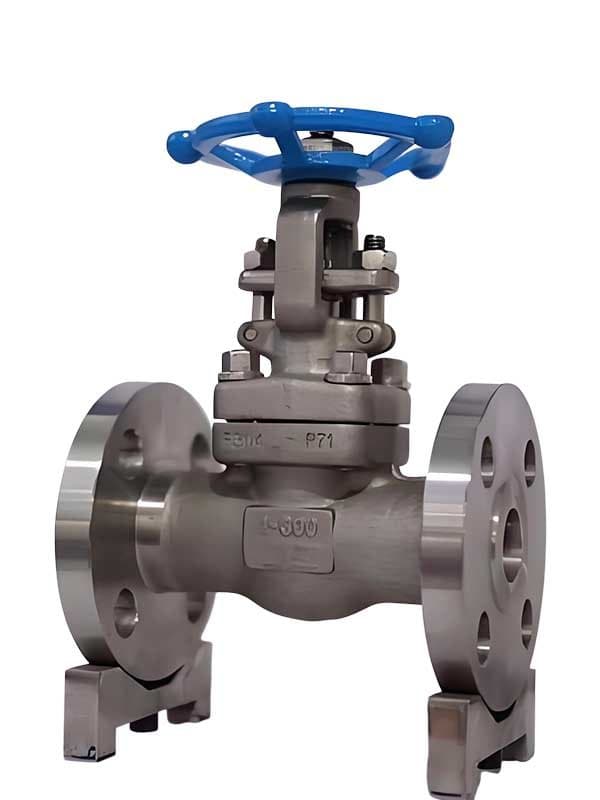
| Phạm Vi Cỡ | 2”-24” |
| Lớp Áp Suất | Class 150 -900 |
| Tiêu Chuẩn Thiết Kế | ASME B16.34,API 6D, API 600 |
| Vật Liệu Thân Van | C95400,C95500, C95800 |
Cần Báo Giá?
Contact our engineering team for pricing and technical support on Van Zirconium.
Request a QuoteTìm Kiếm Thêm Giải Pháp?
Khám phá dải sản phẩm được thiết kế cho thách thức ngành của bạn.
Ball Valves
FLOWKS offers floating ball valve, trunnion mounted ball valve and top entry ball valve for oil & gas, petrochemical and power generation. Designed per API 6D, API 608 and ASME B16.34.
DBB Valves
FLOWKS Double Block & Bleed (DBB) valves provide dual isolation with bleed verification in a single compact body. Replacing traditional multi-valve installations, FLOWKS DBB valves reduce weight, space and potential leak paths. Available in bolted bonnet, all-welded and expanding gate designs per API 6D and API 607.
Gate Valves
FLOWKS gate valves for isolation service in piping systems. Flexible wedge, solid wedge, slab and expanding gate designs per API 600, API 602 and ASME B16.34.
Globe Valves
FLOWKS globe valves for throttling and isolation. Standard, angle, Y-pattern and bellows seal configurations per API 602 and BS 1868.