SBB Khối Đồng Hồ NonoFlange
Giới thiệu SBB Khối Đồng Hồ NonoFlange
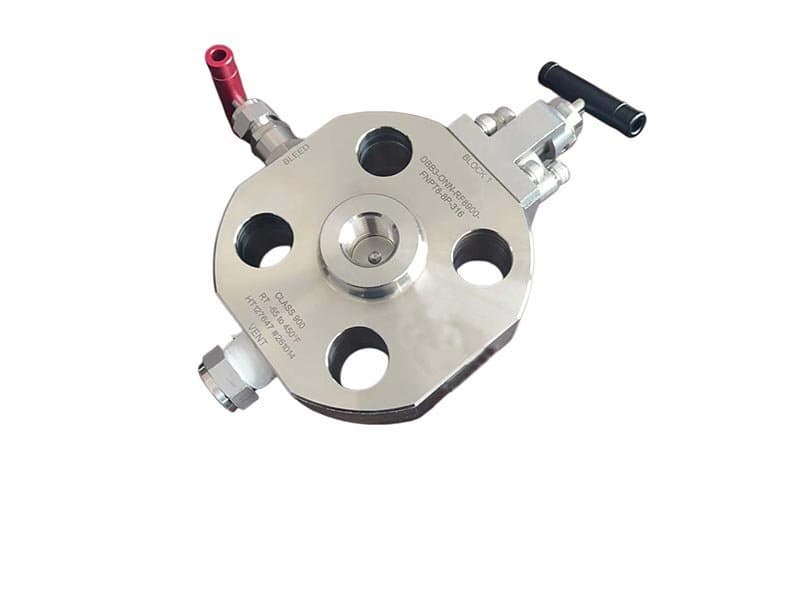
1/2" - 2" (DN15 - DN50) Class 150 - 1500 / lên đến 10.000 psi (cấu hình dạng kim) API 6D, API 607, ASME B16.34, ISO 15848 A182 F316, A182 F51, A182 F53 PTFE, PEEK, kim loại-kim loại (Stellite 6) Thân gauge block với kết nối nonoflange, single block & bleed với cổng xác minh xả, van dụng cụ đo compact
SBB so với DBB——Một Ghế hoặc Hai Ghế, và Khi Nào Một Ghế Là Đủ
Double Block and Bleed (DBB) cung cấp hai ranh giới làm kín độc lập với khoang áp suất bằng không được xác minh giữa chúng——sự đảm bảo cách ly tối đa có sẵn trong một thân van duy nhất. Nhưng không phải mọi ứng dụng cách ly dụng cụ đo đều cần sự đảm bảo tối đa. Một số ứng dụng cần cách ly được xác minh với kiểm tra xả, nhưng điều kiện quá trình không yêu cầu hai ranh giới chặn độc lập: đường ống tiện ích áp suất thấp, môi chất không nguy hiểm (nước, khí nén, nitơ), điểm lấy tín hiệu dụng cụ trên dịch vụ không cháy nổ nơi hậu quả của rò rỉ một ghế là lỗi đọc đồng hồ, không phải sự cố an toàn. Đối với các ứng dụng đó, Single Block and Bleed (SBB) cung cấp một ghế chặn và một cổng xác minh xả——đủ cách ly để tháo dụng cụ đo an toàn (ghế chặn áp suất quá trình, cổng xả xác minh ghế đang giữ kín trước khi phía dụng cụ đo được mở), nhưng chỉ với một ranh giới làm kín thay vì hai. Sự đánh đổi rất rõ ràng: một ghế thay vì hai nghĩa là ít thành phần hơn, chiều dài lắp ráp ngắn hơn, chi phí thấp hơn và vận hành đơn giản hơn——nhưng chỉ có một ranh giới chặn, không phải hai ranh giới độc lập. Nếu ghế đơn đó hỏng, không có ghế dự phòng để duy trì cách ly. Cổng xả phát hiện sự cố (áp suất quá trình xuất hiện tại cổng xả), nhưng cách ly đã mất cho đến khi ghế được sửa chữa.
Van gauge block SBB của FLOWKS sử dụng cùng hình dạng thân compact như phiên bản DBB——lắp ren nonoflange, kết nối NPT trực tiếp đến điểm lấy tín hiệu dụng cụ, chiều cao lắp ráp tối thiểu——nhưng với một ghế chặn thay vì hai. Cổng xả nằm ở phía hạ nguồn của ghế chặn đơn, cung cấp chức năng xác minh phân biệt SBB với cách ly single-block đơn giản không có khả năng xả. Với ghế chặn đóng và van xả mở, áp suất bằng không tại cổng xả xác nhận ghế đơn đang giữ kín. Nếu áp suất quá trình xuất hiện tại cổng xả, ghế đã hỏng——cách ly bị xâm phạm và phía dụng cụ đo bị phơi nhiễm với áp suất quá trình sống. Khả năng xác minh đó (kiểm tra xả trước khi mở phía dụng cụ đo) là điều làm cho SBB trở thành phương pháp cách ly an toàn hơn so với van single-block đơn giản không có xả——kỹ thuật viên không giả định ghế đang giữ kín, kỹ thuật viên xác minh qua cổng xả. Nhưng vẫn chỉ là một ghế——nếu xác minh phát hiện sự cố, không có dự phòng.
Khi Nào SBB Là Thông Số Kỹ Thuật Đúng——và Khi Nào Không
Quyết định giữa SBB và DBB không phải về sở thích hoặc tối ưu hóa chi phí——mà là về phân tích hậu quả. Điều gì xảy ra nếu ghế chặn đơn rò rỉ hoặc hỏng? Nếu hậu quả là lỗi đọc đồng hồ hoặc sai lệch hiệu chuẩn bộ truyền tín hiệu trên đường ống tiện ích không nguy hiểm——SBB là đủ. Cổng xả phát hiện sự cố, bảo trì thay thế ghế và quá trình tiếp tục. Nếu hậu quả là phơi nhiễm với môi chất độc hại, dễ cháy hoặc áp suất cao có thể tạo ra sự cố an toàn hoặc rò rỉ môi trường——DBB là bắt buộc. Ghế đơn trong SBB cung cấp cách ly được xác minh khi nó đang giữ kín, nhưng không cung cấp dự phòng khi nó hỏng. Trên dịch vụ nguy hiểm, điều đó không thể chấp nhận——ghế thứ hai trong DBB cung cấp dự phòng duy trì cách ly ngay cả khi ghế đầu tiên hỏng, và khoang xả phát hiện ghế nào đã hỏng mà không mất khả năng cách ly tổng thể.
Các khung quy định và tiêu chuẩn ngành ngày càng mặc định sử dụng DBB cho cách ly quá trình trên đường ống hydrocarbon, hóa chất và áp suất cao——định nghĩa API 6D về Double Block and Bleed là thông số cơ bản cho các lắp đặt mới trên dịch vụ dễ cháy và độc hại. SBB vẫn phù hợp cho dịch vụ tiện ích không nguy hiểm (khí nén dụng cụ, phủ nitơ, nước áp suất thấp, hệ thống HVAC) nơi hậu quả cách ly là bất tiện vận hành, không phải rủi ro an toàn. Trên các ứng dụng đó, kiến trúc đơn giản hơn của SBB (một ghế, một xả, ít thành phần hơn, lắp ráp ngắn hơn) cung cấp cách ly được xác minh với biên an toàn đầy đủ——việc giảm chi phí và độ phức tạp khi loại bỏ ghế thứ hai được biện minh bởi hậu quả thấp hơn của sự cố một ghế.
Cổng Xả——Cùng Chức Năng Xác Minh, Được Đặt Sau Một Ghế Thay Vì Hai
Trong van DBB, cổng xả nằm giữa hai ghế chặn——nó xả áp khoang giữa chúng và xác nhận rằng cả ghế thượng nguồn và hạ nguồn đều đang giữ kín đồng thời. Trong van SBB, cổng xả nằm ở hạ nguồn của ghế chặn đơn——nó xả áp khoảng không giữa ghế và kết nối thiết bị đo, đồng thời xác nhận rằng ghế đơn đang giữ kín trước khi phía thiết bị đo được mở. Quy trình xác nhận giống nhau trong cả hai cấu hình: đóng (các) ghế chặn, mở van xả, kiểm tra áp suất bằng không tại cổng xả. Áp suất bằng không xác nhận (các) ghế đang giữ kín. Áp suất sống tại cổng xả cho thấy ghế bị hở. Sự khác biệt là DBB xác nhận hai ghế độc lập đồng thời, trong khi SBB xác nhận một...
Thông Số Kỹ Thuật
| Size Range | 1/2"-2" |
| Pressure Class | Class 150 - 2500 |
| Design Standard | EEMUA PUB NO182 |
| Body Materials | A105、SS304、SS316、F51, F55, F53, Hastelloy C、Monel 400 |
| Parent Standards | API 6D, API 607, API 608, ASME B16.34, ISO 15848 |
| Parent Size Range | 2" - 24" |
| Parent Pressure Class | Class 150 - 1500 |
Tải xuống sản phẩm
| Phạm Vi Cỡ | 1/2"-2" |
| Lớp Áp Suất | Class 150 - 2500 |
| Tiêu Chuẩn Thiết Kế | EEMUA PUB NO182 |
| Vật Liệu Thân Van | A105、SS304、SS316、F51, F55, F53, Hastelloy C、Monel 400 |
Cần Báo Giá?
Contact our engineering team for pricing and technical support on SBB Khối Đồng Hồ NonoFlange.
Request a QuoteTìm Kiếm Thêm Giải Pháp?
Khám phá dải sản phẩm được thiết kế cho thách thức ngành của bạn.
Ball Valves
FLOWKS offers floating ball valve, trunnion mounted ball valve and top entry ball valve for oil & gas, petrochemical and power generation. Designed per API 6D, API 608 and ASME B16.34.
Gate Valves
FLOWKS gate valves for isolation service in piping systems. Flexible wedge, solid wedge, slab and expanding gate designs per API 600, API 602 and ASME B16.34.
Globe Valves
FLOWKS globe valves for throttling and isolation. Standard, angle, Y-pattern and bellows seal configurations per API 602 and BS 1868.
Check Valves
FLOWKS check valves prevent reverse flow. Dual plate, swing, tilting disc and lift check designs per API 594 and BS 1868.