Giới thiệu Van Bùn Áp Suất Cao
2" - 24" (DN50 - DN600)
Class 300 - 900 (lên đến 100-150 bar tùy theo kích thước)
ASME B16.34, thiết kế bùn áp suất cao riêng của nhà sản xuất
A216 WCB, A217 WC6/WC9, A182 F316, A182 F51/F53
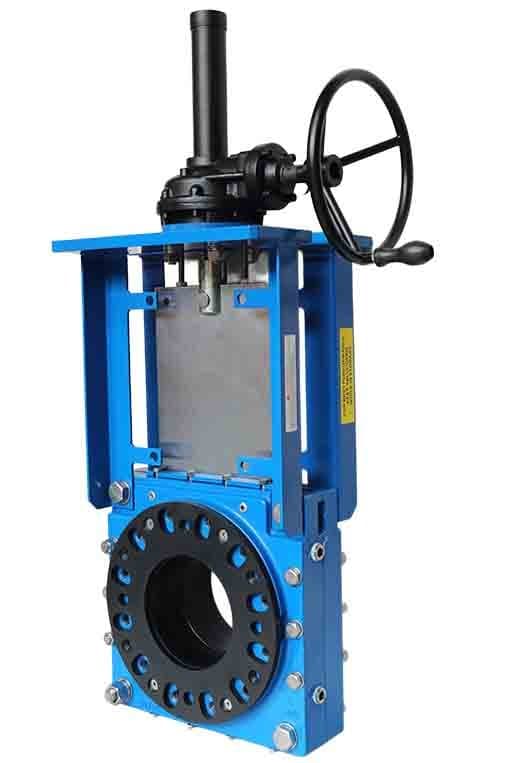
Van kim loại-kim loại (lớp phủ Stellite 6 trên cả đầu van và đế van), có sẵn các miếng đệm đàn hồi gia cường cho các cấu hình áp suất thấp hơn trong phạm vi sản phẩm.
Thân một khối hoặc hai mảnh bắt bu lông có thành dày, nắp áp suất kín trên Class 600, lỗ khoan thông toàn phần với hình dạng bên trong chống mài mòn, trục nâng nổi OS&Y hoặc truyền động khí nén/thủy lực
Khi Đường Ống Bùn Của Bạn Chạy Ở 100 Bar
Các van bùn tiêu chuẩn chỉ dừng lại ở cấp độ 150 hoặc 300. Điều đó bao gồm hầu hết các hệ thống vận chuyển chất thải, hầu hết các mạch chế biến khoáng sản, hầu hết các ứng dụng mà "van bùn" có nghĩa là thiết bị xử lý môi trường mài mòn ở áp suất vừa phải. Nhưng một số đường ống hoạt động ở áp suất cao hơn. Đường ống xả của bơm cao áp trong chế biến khoáng sản đẩy áp suất lên tới 50-100 bar. Các mạch tách môi trường đậm đặc hoạt động ở áp suất mà thành thân van bùn tiêu chuẩn sẽ quá mỏng - không chỉ đối với định mức áp suất, mà còn đối với sự tác động đồng thời của áp suất và mài mòn.
Ở những áp suất đó, vận tốc bùn qua khu vực đế tăng tốc. Các hạt mài mòn tương tự làm mòn đế Class 150 trong một năm sẽ cắt xuyên qua đế kim loại không được bảo vệ trong vài tuần ở vận tốc dòng chảy Class 900. Đây là lý do van bùn áp suất cao được phủ Stellite 6 trên cả bề mặt đế và đầu tấm chắn — hai bề mặt chịu vận tốc cao nhất và tác động hạt trực tiếp nhất. Stellite 6 cứng. Nó chống xói mòn ở vận tốc có thể bào mòn kim loại mềm trong một ca làm việc.
Thân Van Được Chế Tạo Để Chống Lại Hai Kẻ Thù Cùng Lúc
Áp suất và sự mài mòn tác động lên các bộ phận khác nhau của van. Áp suất gây ứng suất lên thành thân van, khớp nối nắp van, mọi bu lông và mọi gioăng. Sự mài mòn tấn công các bề mặt dẫn dòng bên trong — khu vực đế van, mép cửa van, thành khoang thân van nơi bùn tuần hoàn. Van bùn áp suất cao phải chống lại cả hai tác động này cùng một lúc, điều đó có nghĩa là độ dày thành van phải lớn hơn đáng kể so với van bùn tiêu chuẩn có cùng kích thước danh nghĩa.
Bạn có thể thấy sự khác biệt nếu đặt một van xả bùn loại 900 kích thước 6 inch cạnh một van xả bùn loại 150 kích thước 6 inch. Thân van loại 900 dày hơn và nặng hơn rõ rệt. Cấu trúc bên trong — các đường dẫn dòng chảy, hốc đế van, kênh van — được thiết kế để giảm thiểu các vùng nhiễu loạn nơi các hạt mài mòn tăng tốc và tập trung. Các chuyển tiếp mượt mà, bán kính lớn, không có các góc nhọn bên trong nơi bùn có thể bị tắc nghẽn và ăn mòn.
Nắp Áp Suất Kín Trên Class 600
Nắp bắt bu lông với gioăng hoạt động tốt lên đến Class 600. Trên mức đó, gioăng nắp trở thành điểm yếu — áp suất bên trong đẩy vào nó liên tục, và trong điều kiện dịch vụ bùn, gioăng xuống cấp nhanh hơn so với ứng dụng chất lỏng sạch. Nắp áp suất kín giải quyết vấn đề này bằng cách sử dụng áp suất bên trong để kích hoạt vòng đệm. Khi áp suất đường ống tăng, vòng đệm càng chặt hơn. Không có gioăng nắp để thay thế, không cần duy trì lực siết bu lông chống lại hiện tượng rão. Áp suất càng cao, vòng đệm nắp càng tốt.
Đối với các ứng dụng Class 300-600 trong dải áp suất cao, nắp bắt bu lông vẫn là tiêu chuẩn — dễ bảo trì hơn, đã được kiểm chứng, và tải trọng gioăng có thể kiểm soát được. Nhưng nếu bạn chạy bùn Class 900, bạn cần nắp áp suất kín. Đó không phải là tùy chọn cao cấp — đó là lựa chọn kỹ thuật đúng đắn.
Lựa Chọn Vật Liệu Phù Hợp Với Dịch Vụ
A216 WCB bao phủ hầu hết các ứng dụng — thép carbon, hiệu quả chi phí, đã được kiểm chứng trong bùn khai khoáng ở áp suất cao. A217 WC6/WC9 cho dịch vụ nhiệt độ cao hơn. A182 F316 cho hóa chất bùn ăn mòn — nước quy trình có tính axit, bùn thải giàu clorua. A182 F51/F53 thép không gỉ song pha cho các ứng dụng cần cả khả năng chống ăn mòn và độ bền cơ học ở áp suất. Lựa chọn vật liệu phụ thuộc vào những gì có trong bùn của bạn và nhiệt độ vận hành, không chỉ dựa trên cấp áp suất.
A: Bạn có thể — trong khoảng ba tháng. Van cổng tiêu chuẩn không được thiết kế cho môi trường mài mòn. Bề mặt ghế van, các bộ phận bên trong thân van và đệm trục sẽ xuống cấp nhanh chóng khi bùn quặng chảy qua. Van bùn áp suất cao có ghế van phủ Stellite, hình dạng bên trong chống mài mòn, và đệm được thiết kế cho chất lỏng chứa hạt rắn. Áp suất định mức tương tự, nhưng khả năng xử lý bùn khác biệt về cơ bản.
A: Lớp lót elastomer gia cường có thể xử lý Class 300-400 trong một số cấu hình, nhưng trên Class 600, áp suất và vận tốc quá cao để elastomer duy trì tính toàn vẹn của bề mặt làm kín chống lại bùn mài mòn. Kim loại chạm kim loại với lớp phủ Stellite là tiêu chuẩn cho ghế van trên Class 600.
A: Bạn có thể, nhưng không cần thiết và làm tăng chi phí. Gioăng nắp van bắt bu lông có thể quản lý được ở Class 300. Nắp van kiểu áp suất trở thành lựa chọn được khuyến nghị — và trong nhiều...
Thông Số Kỹ Thuật
| Parent Standards | MSS SP-81, TAPPI TIS 405, ASME B16.5 |
| Parent Size Range | 2" - 48" |
| Parent Pressure Class | PN10 - PN25 / Class 150 |
Tải xuống sản phẩm
Cần Báo Giá?
Contact our engineering team for pricing and technical support on Van Bùn Áp Suất Cao.
Request a QuoteTìm Kiếm Thêm Giải Pháp?
Khám phá dải sản phẩm được thiết kế cho thách thức ngành của bạn.
Ball Valves
FLOWKS offers floating ball valve, trunnion mounted ball valve and top entry ball valve for oil & gas, petrochemical and power generation. Designed per API 6D, API 608 and ASME B16.34.
DBB Valves
FLOWKS Double Block & Bleed (DBB) valves provide dual isolation with bleed verification in a single compact body. Replacing traditional multi-valve installations, FLOWKS DBB valves reduce weight, space and potential leak paths. Available in bolted bonnet, all-welded and expanding gate designs per API 6D and API 607.
Gate Valves
FLOWKS gate valves for isolation service in piping systems. Flexible wedge, solid wedge, slab and expanding gate designs per API 600, API 602 and ASME B16.34.
Globe Valves
FLOWKS globe valves for throttling and isolation. Standard, angle, Y-pattern and bellows seal configurations per API 602 and BS 1868.