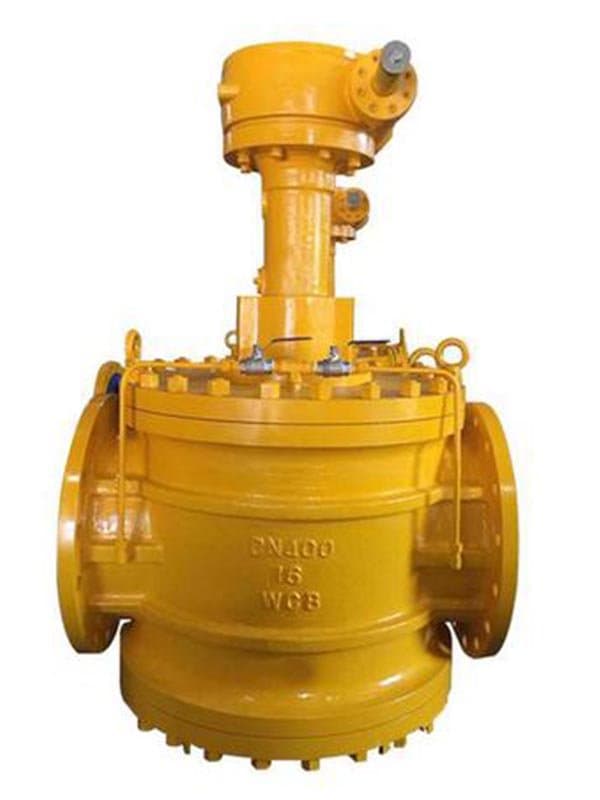
Giới thiệu Van Côn Mở Rộng-Lỗ Đầy
2" – 36" (DN50 – DN900)
Class 150 – 600 / PN 10-100
API 6D, API 599, ASME B16.34, API 607 (chống cháy có sẵn)
A216 WCB, A217 WC6/WC9, A351 CF8M, A351 CF8
Kim loại-kim loại, cơ cấu nút mở rộng — lõi trung tâm + bộ phận làm kín mở rộng để làm kín DBB chống lại các mặt bệ van đường kính đầy đủ.
Đường dẫn dòng chảy toàn phần (cổng toàn phần). Đường kính thân van tại khu vực đế van khớp với đường kính danh nghĩa của ống. Có thể dùng ống dẫn để làm sạch bên trong van khi đang mở. Không có sự sụt giảm áp suất khi ở trạng thái mở.
Mọi Thứ Venturi Cung Cấp, Cộng Thêm Lỗ Mở
Van nút mở rộng lỗ đầy đủ cung cấp chức năng DBB tương tự như phiên bản venturi — hai ranh giới làm kín độc lập trong một thân van đơn, các tấm trượt mở rộng làm kín đồng thời chống lại mặt bệ van thượng lưu và hạ lưu, cổng xả tích hợp giữa các bệ van. Cùng khả năng cách ly. Cùng gói DBB van đơn.
Điểm khác biệt nằm ở đường kính trong. Đường kính trong đầy đủ có nghĩa là đường dẫn trong thân van tại khu vực đế van có đường kính bằng đường kính ống dẫn. Không có chỗ thắt hẹp. Không có tiết diện bị giảm. Khi van mở, đường dẫn dòng chảy có đường kính bằng đường kính ống ở cả hai phía.
Hai điều thay đổi khi bạn mở rộng lỗ van.
Thứ nhất: thông ống. Dụng cụ thông ống đường ống, dụng cụ làm sạch, dụng cụ cạo, dụng cụ kiểm tra — tất cả đều cần lỗ đường kính đầy đủ để đi qua. Sự co thắt venturi chặn dụng cụ thông ống. Lỗ đầy đủ cho phép nó đi qua. Nếu đặc tính kỹ thuật đường ống của bạn yêu cầu van có thể thông ống tại các điểm cách ly, van nút mở rộng lỗ đầy đủ là thiết kế van nút duy nhất cung cấp cách ly DBB và dòng chảy thông ống được trong một thân van.
Thứ hai: tổn thất áp suất. Trong các ứng dụng dòng chảy liên tục, nơi van hầu hết thời gian đều mở, sự thu hẹp của ống Venturi sẽ tạo ra tổn thất áp suất vĩnh viễn. Mỗi giờ, mỗi ngày, tổn thất đó đều hiện hữu. Đường dẫn có đường kính đầy đủ sẽ loại bỏ điều này. Đường dẫn có đường kính bằng đường kính ống, dòng chảy đi qua không bị cản trở, và máy bơm hoặc máy nén của bạn không cần phải bù cho sự hạn chế không đáng có.
Chi Phí Cơ Khí Của Bệ Van Đường Kính Đầy Đủ
Mặt bệ van đường kính đầy đủ lớn hơn. Các tấm trượt mở rộng phải làm kín chống lại chu vi bệ van khớp với đường kính đầy đủ của ống — không phải đường kính venturi thu hẹp. Chu vi lớn hơn nghĩa là hành trình mở rộng nhiều hơn, bộ phận làm kín lớn hơn, và cơ cấu nặng hơn.
Ở kích thước 12 inch trở xuống, sự khác biệt là không đáng kể. Cơ chế toàn đường kính vẫn đủ nhỏ gọn để hoạt động đơn giản. Ở kích thước 24 inch và 36 inch, các bộ phận mở rộng sẽ đẩy ra ngoài, tạo áp lực lên chu vi ghế rộng hai hoặc ba feet. Cơ chế này trở nên lớn hơn, phức tạp hơn và tốn kém hơn để sản xuất.
Đó là sự đánh đổi. Lỗ đầy đủ cho bạn dòng chảy thông ống được và tổn thất áp suất bằng không. Nó tốn kém hơn — đặc biệt ở kích thước lớn — vì cơ cấu mở rộng phải hoạt động chống lại bệ van lớn hơn. Khi đặc tính kỹ thuật của bạn yêu cầu thông ống hoặc tổn thất áp suất trạng thái mở bằng không, chi phí đó là hợp lý. Khi không yêu cầu, phiên bản venturi cung cấp cùng chức năng DBB với chi phí thấp hơn và cơ cấu đơn giản hơn.
Đường ống truyền tải được cách ly tại các trạm nơi heo (pig) chạy qua. Đó là ứng dụng chính. Các nhà vận hành đường ống thường xuyên chạy heo để làm sạch, kiểm tra và xác minh tính toàn vẹn. Mọi van cách ly trên đoạn đường ống có thể chạy heo phải cho heo đi qua. Van venturi chặn heo — đội ngũ phải tháo van hoặc lắp đường bypass mỗi lần chạy heo. Van nút mở rộng lỗ khoan đầy đủ (full-bore expanding plug valve) loại bỏ vấn đề đó.
Các điểm cách ly dòng chảy liên tục — trạm đồng hồ, van chặn trạm nén thường mở trong nhiều tháng và chỉ đóng khi bảo trì — cũng được hưởng lợi từ lỗ khoan đầy đủ. Tổn thất áp suất ở trạng thái mở qua van venturi tích lũy theo thời gian. Trong dịch vụ liên tục, loại bỏ tổn thất đó tiết kiệm năng lượng bơm và giảm chi phí vận hành.
Các cấu hình an toàn chống cháy có sẵn. Thử nghiệm API 607 xác nhận cả hai ranh giới làm kín vẫn giữ kín sau khi tiếp xúc với lửa, và lỗ thông đầy đủ không làm giảm hiệu suất thử nghiệm chống cháy.
A: Heo làm sạch tiêu chuẩn và heo kiểm tra đi qua lỗ thông mở đầy đủ. Xác minh kích thước heo với nhà sản xuất van — một số thiết kế nút mở rộng có các đặc điểm nội bộ nhỏ có thể ảnh hưởng đến các loại heo cụ thể. Nhìn chung, van nút mở rộng lỗ khoan đầy đủ có thể chạy heo cho các chương trình chạy heo đường ống tiêu chuẩn.
A: Chu vi đế van lớn hơn đòi hỏi các bộ phận làm kín mở rộng lớn hơn và hành trình mở rộng nhiều hơn. Các thành phần cơ cấu — trượt, nêm, lõi, bề mặt đế — đều tăng theo đường kính lỗ khoan. Ở kích thước 24"–36", cụm cơ khí lớn hơn đáng kể so với thiết kế venturi tương đương.
A: Có. Cơ cấu mở rộng tạo ra hai ranh giới làm kín độc lập chống lại các bề mặt đế van đường kính đầy đủ ở thượng nguồn và hạ nguồn. Chức năng DBB giống nhau — điểm khác biệt duy nhất là đường kính đế...
Thông Số Kỹ Thuật
| Parent Standards | API 599, API 6D |
| Parent Size Range | 2" - 24" |
| Parent Pressure Class | Class 150 - 1500 |
Tải xuống sản phẩm
Cần Báo Giá?
Contact our engineering team for pricing and technical support on Van Côn Mở Rộng-Lỗ Đầy.
Request a QuoteTìm Kiếm Thêm Giải Pháp?
Khám phá dải sản phẩm được thiết kế cho thách thức ngành của bạn.
Ball Valves
FLOWKS offers floating ball valve, trunnion mounted ball valve and top entry ball valve for oil & gas, petrochemical and power generation. Designed per API 6D, API 608 and ASME B16.34.
DBB Valves
FLOWKS Double Block & Bleed (DBB) valves provide dual isolation with bleed verification in a single compact body. Replacing traditional multi-valve installations, FLOWKS DBB valves reduce weight, space and potential leak paths. Available in bolted bonnet, all-welded and expanding gate designs per API 6D and API 607.
Gate Valves
FLOWKS gate valves for isolation service in piping systems. Flexible wedge, solid wedge, slab and expanding gate designs per API 600, API 602 and ASME B16.34.
Globe Valves
FLOWKS globe valves for throttling and isolation. Standard, angle, Y-pattern and bellows seal configurations per API 602 and BS 1868.