Van Côn Bôi Trơn Dầu
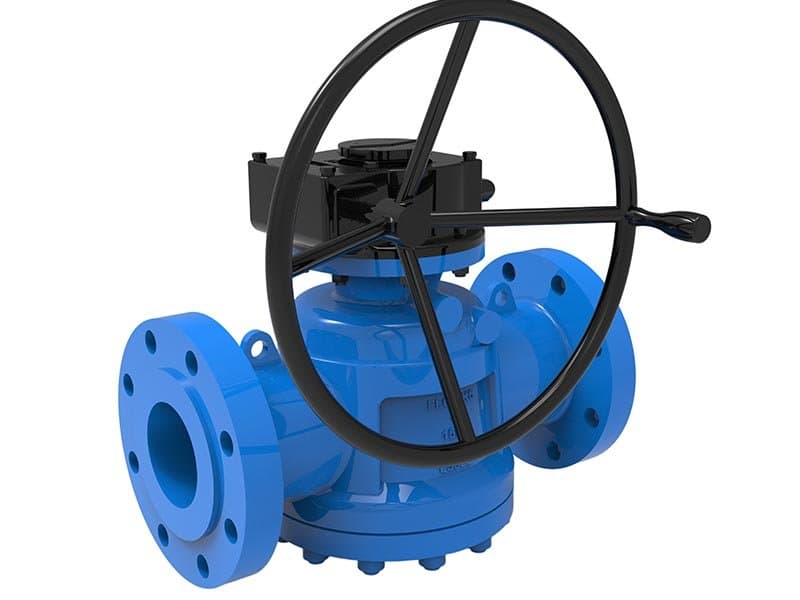
Giới thiệu Van Côn Bôi Trơn Dầu
Kích thước: 2" - 24" (DN50 - DN600)
Áp suất: Class 150 - 600 / PN 10-100
Tiêu chuẩn: API 6D, API 599, ASME B16.34
Vật liệu thân: A216 WCB, A217 WC6/WC9 (Cr-Mo), A351 CF8M, A182 F316 (rèn)
Đế: Kim loại với kim loại có màng dầu bôi trơn làm kín
Thiết kế: Đầu cắm hình nón, xoay 90°, bơm chất bôi trơn bên ngoài
Khi Đế Mềm Không Thể Tồn Tại
Dầu thô mang theo các hợp chất thơm. Khí tự nhiên mang theo condensate. Các dòng sản phẩm nhà máy lọc dầu mang theo hỗn hợp ăn mòn đế elastomer từ bên trong ra ngoài—PTFE phồng lên, Viton cứng lại, EPDM nứt. Khi môi chất đường ống của bạn gây hại cho mọi lựa chọn đế mềm có trên kệ, bạn cần đế kim loại có thể làm kín mà không phụ thuộc vào tấm chèn.
Đó là lý do tại sao van nút bôi trơn lại phát huy tác dụng. Nút van hình nón nằm bên trong một lỗ thân van hình nón tương ứng — cùng hình dạng, cùng góc côn, kim loại tiếp xúc với kim loại. Nếu không có chất bôi trơn, hai bề mặt này sẽ bị mài mòn và kẹt, vì độ côn buộc diện tích tiếp xúc tăng lên khi nút van quay về phía đóng. Hệ thống phun chất bôi trơn giải quyết cả vấn đề làm kín và vấn đề ma sát cùng một lúc.
Bạn bơm mỡ qua các phụ kiện bên ngoài trước mỗi chu kỳ vận hành. Vài lần bơm từ súng bơm mỡ, sau đó xoay van. Chất bôi trơn chảy qua các rãnh phân phối bên trong trên bề mặt chốt và lấp đầy các khoảng trống vi mô giữa chốt và thân van—tạo thành một màng thủy tĩnh giữ áp suất đường ống và đồng thời giảm mô-men vận hành. Mỡ không chỉ là một sự tiện lợi. Nó là lớp làm kín chính.
Hình Dạng Côn Làm Nên Điều Kỳ Diệu
Độ côn là toàn bộ lý do van này làm kín đáng tin cậy. Khi chốt xoay về phía đóng, độ côn thu hẹp làm tăng áp suất tiếp xúc giữa chốt và lỗ thân van. Đó là điều buộc màng dầu bôi trơn vào mọi khuyết tật bề mặt—bản thân hình dạng tạo áp suất cho lớp làm kín. Mở chốt, độ côn giãn ra. Đóng lại, độ côn nén lại. Đây là một lớp làm kín tự điều chỉnh không phụ thuộc vào lực lò xo hoặc tải trọng bên ngoài.
Cổng bơm mỡ bôi trơn bên ngoài thân van kết nối với các rãnh phân phối bên trong được gia công trên bề mặt nút xoay. Bạn thấy các khớp nối đó ở bên ngoài — thường là một hoặc hai cổng trên mỗi van, tùy thuộc vào kích thước. Bơm mỡ trước mỗi chu kỳ vận hành đối với van ít được bảo trì, hoặc thiết lập lịch bơm định kỳ cho các van hoạt động thường xuyên. Dù bằng cách nào, duy trì màng mỡ chính là duy trì độ kín. Bỏ qua lịch bơm mỡ, nút xoay cuối cùng sẽ bị kẹt cứng.
Được chế tạo cho các điểm cách ly đường ống
Tiêu chuẩn đường ống API 6D yêu cầu van nút bôi trơn tại các điểm cách ly nơi bắt buộc phải có ghế ngồi kim loại và môi chất đường ống không chịu được elastomer hoặc PTFE. Đó không phải yêu cầu ngách — mà là thông lệ tiêu chuẩn trên các đường ống dẫn dầu thô chính, ống góp truyền dẫn khí và cụm van chuyển mạch trong nhà máy lọc dầu. Cấp áp suất Class 150 đến 600 bao phủ phạm vi áp suất mà hầu hết đường ống vận hành. Kích thước từ 2" đến 24" xử lý phạm vi đường kính từ kết nối nhánh đến van chặn chính trên tuyến ống.
Tùy chọn vật liệu thân van bao phủ toàn bộ phổ nhiệt độ và ăn mòn. WCB cho dịch vụ thép carbon ở nhiệt độ thường. WC6 và WC9 cho ứng dụng Cr-Mo nhiệt độ cao — đường ống hơi, dịch vụ hydrocarbon nhiệt độ cao. CF8M cho yêu cầu thép không gỉ chống ăn mòn. F316 rèn cho thép không gỉ áp suất cao nơi tính toàn vẹn của vật đúc không đủ. Cấu hình chống cháy có sẵn khi bạn chỉ định mỡ bôi trơn cấp chống cháy — van duy trì tính toàn vẹn kín dưới điều kiện cháy vì ghế ngồi kim loại-kim loại không bị cháy rụi.
A: Đối với các van cách ly ít sử dụng – hãy bơm mỡ trước mỗi chu kỳ vận hành. Bơm vài lần bằng súng bơm mỡ, sau đó vặn nút van. Đối với các van hoạt động thường xuyên, hãy thiết lập lịch bơm mỡ định kỳ dựa trên điều kiện vận hành. Hầu hết các nhà điều hành đường ống đều bơm mỡ hàng tuần hoặc hàng tháng cho các van hoạt động thường xuyên.
A: Nút xoay cuối cùng sẽ bị kẹt vào lỗ khoan thân van. Không có màng mỡ, hình dạng côn buộc tiếp xúc kim loại-kim loại trực tiếp — và các bề mặt đó bị xước dính. Mô-men vận hành tăng lên, sau đó nút xoay bị kẹt cứng. Bạn sẽ phải ép mỡ vào van bị kẹt và nới nó ra, đó là bảo trì có thể tránh được nếu bạn tuân thủ lịch bơm mỡ.
A: Vòng đệm màng mỡ cung cấp rò rỉ rất thấp — thường trong giới hạn chấp nhận được của API 6D đối với van ghế kim loại. Nó sẽ không đạt được độ kín tuyệt đối zero rò rỉ như thiết kế ghế mềm. Nếu thông số kỹ thuật của bạn yêu cầu không có rò rỉ nhìn thấy được, hãy cân nhắc van nút ghế mềm thay thế, với điều kiện môi chất đường ống của bạn tương thích với vật liệu ghế ngồi.
A: Có, khi bạn chỉ định loại chất bôi trơn chống cháy. Vòng đệm kim loại không bị cháy trong điều kiện hỏa hoạn — độ kín của vòng đệm được duy trì bởi các bề mặt kim loại, chứ không phải bởi chất đàn hồi sẽ bị phá hủy. Lớp màng bôi trơn có thể bị phân hủy, nhưng vòng đệm kim loại cung cấp khả năng làm kín dự phòng.
A: Thiết kế hình côn giúp tự điều chỉnh áp suất tiếp xúc khi...
Thông Số Kỹ Thuật
| Size Range | 2" - 40" |
| Pressure Class | Class 150 - 2500 |
| Design Standard | API 599, API 6D |
| Body Materials | A105、LF2、F304、F316、F304L、F316L、F51、WCB、LCB、WCC、CF8、CF8M、CF3、CF3M、A890 4A |
| Parent Standards | API 599, API 6D |
| Parent Size Range | 2" - 24" |
| Parent Pressure Class | Class 150 - 1500 |
Tải xuống sản phẩm
| Phạm Vi Cỡ | 2" - 40" |
| Lớp Áp Suất | Class 150 - 2500 |
| Tiêu Chuẩn Thiết Kế | API 599, API 6D |
| Vật Liệu Thân Van | A105、LF2、F304、F316、F304L、F316L、F51、WCB、LCB、WCC、CF8、CF8M、CF3、CF3M、A890 4A |
Cần Báo Giá?
Contact our engineering team for pricing and technical support on Van Côn Bôi Trơn Dầu.
Request a QuoteTìm Kiếm Thêm Giải Pháp?
Khám phá dải sản phẩm được thiết kế cho thách thức ngành của bạn.
Ball Valves
FLOWKS offers floating ball valve, trunnion mounted ball valve and top entry ball valve for oil & gas, petrochemical and power generation. Designed per API 6D, API 608 and ASME B16.34.
DBB Valves
FLOWKS Double Block & Bleed (DBB) valves provide dual isolation with bleed verification in a single compact body. Replacing traditional multi-valve installations, FLOWKS DBB valves reduce weight, space and potential leak paths. Available in bolted bonnet, all-welded and expanding gate designs per API 6D and API 607.
Gate Valves
FLOWKS gate valves for isolation service in piping systems. Flexible wedge, solid wedge, slab and expanding gate designs per API 600, API 602 and ASME B16.34.
Globe Valves
FLOWKS globe valves for throttling and isolation. Standard, angle, Y-pattern and bellows seal configurations per API 602 and BS 1868.