Cơ Cấu Khí Nén Scotch Yoke
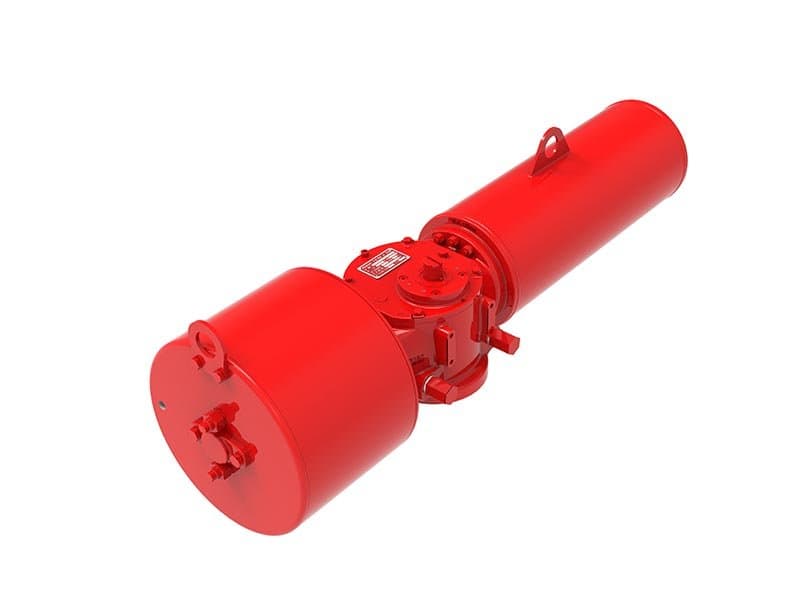
Giới thiệu Cơ Cấu Khí Nén Scotch Yoke
Hồi vị bằng lò xo (tác động đơn) hoặc tác động kép
500–100.000 Nm trên các cỡ model
ISO 5211 (lắp đặt), NAMUR (lắp đặt solenoid)
Xi lanh đơn, piston kép; cơ cấu scotch yoke chuyển đổi chuyển động tuyến tính của piston thành chuyển động quay 90°
Hộp lò xo trong xi lanh (model hồi vị bằng lò xo); nhiều bộ lò xo có sẵn; hoặc tác động kép không có lò xo
Mặt bích ISO 5211 kết nối trực tiếp với thân van hoặc giá đỡ; giao diện NAMUR cho solenoid và phụ kiện
Mô-men Xoắn Biến Thiên Là Lợi Thế Thực Sự Của Scotch Yoke
Bộ truyền động rack-and-pinion tạo ra mô-men xoắn không đổi trên hành trình 90°. Bộ truyền động scotch yoke tạo ra mô-men xoắn biến thiên — và chính sự biến thiên đó là lý do chúng tồn tại.
Van góc phần tư cần nhiều mô-men xoắn hơn để mở bi hoặc đĩa khỏi vị trí đóng so với duy trì chuyển động quay. Mô-men xoắn mở ban đầu tại vị trí đóng vượt mô-men xoắn vận hành tại giữa hành trình từ 30–50% trên các van bướm và van bi điển hình. Trên các van lớn, áp suất cao, chênh lệch đó càng lớn hơn. Một van bi 24 inch Class 300 có thể cần 15.000 Nm để mở khỏi đế van nhưng chỉ cần 8.000 Nm mô-men xoắn vận hành tại giữa hành trình.
Hình học scotch yoke giải quyết vấn đề này. Tay đòn yoke chuyển đổi lực piston thành mô-men quay — và tỷ lệ chuyển đổi này thay đổi trên hành trình. Tại vị trí mở ban đầu (0–10° quay), hình học tay đòn yoke tạo ra hệ số nhân mô-men xoắn cao hơn. Lực piston được khuếch đại thành lực quay lớn hơn tại đầu hành trình, chính xác nơi van cần nhất. Tại giữa hành trình, hệ số nhân giảm xuống, phù hợp với yêu cầu mô-men xoắn vận hành thấp hơn. Đường cong mô-men xoắn khớp với đường cong nhu cầu mô-men xoắn của van.
Bộ Truyền Động Nhỏ Hơn Trên Van Lớn
Vì scotch yoke cung cấp mô-men xoắn mở ban đầu cao hơn trên mỗi đơn vị nguồn khí, bạn có thể chỉ định bộ truyền động nhỏ hơn cho cùng một van. Hoặc chạy áp suất cấp thấp hơn. Hoặc cả hai. Trên van bướm 36 inch trong dịch vụ nước, bộ truyền động scotch yoke ở 80 psi có thể tạo ra mô-men xoắn mở đầy đủ trong khi bộ truyền động rack-and-pinion cần 100 psi để cung cấp cùng lực ban đầu. Sự khác biệt áp suất này quan trọng tại các nhà máy nơi ống góp khí dụng cụ chạy ở 80 psi và việc tăng lên 100 psi yêu cầu bộ tăng áp chuyên dụng tại mỗi van.
Chuyển Động Mượt Hơn Kéo Dài Tuổi Thọ Đế Van
Bộ truyền động rack-and-pinion tác dụng lực đột ngột khi van bật khỏi đế. Đầu ra mô-men xoắn không đổi có nghĩa là bộ truyền động cung cấp mô-men xoắn tối đa ngay khi van bắt đầu chuyển động — sốc cơ học đập vào đế van mỗi chu kỳ.
Scotch yoke khởi động chậm. Gia tốc piston tăng dần qua giữa hành trình. Đĩa van nâng khỏi đế từ từ thay vì bật ra đột ngột. Trên các van góc phần tư lớn, áp suất cao, chuyển động mở mượt hơn đó giảm lực va đập lên vòng đế. Tuổi thọ đế van kéo dài. Chu kỳ bảo trì giãn ra. Trên các van chu kỳ hoạt động thường xuyên — van cách ly tự động trong quy trình mẻ — sự khác biệt tuổi thọ đế van tích lũy qua hàng nghìn chu kỳ.
Chỉ Định Scotch Yoke Khi Nhu Cầu Mô-men Xoắn Cao
Bộ truyền động scotch yoke là lựa chọn đúng đắn trên các van góc phần tư lớn (van bướm 8–48 inch, van bi 8–24 inch) nơi mô-men xoắn đóng vượt quá những gì rack-and-pinion cung cấp ở áp suất cấp hợp lý. Trên các van nhỏ hơn nơi yêu cầu mô-men xoắn ở mức trung bình, rack-and-pinion đơn giản và rẻ hơn. Đừng chỉ định quá mức — sự phức tạp và chi phí của scotch yoke chỉ hợp lý khi đặc tính mô-men xoắn biến thiên giải quyết được vấn đề thực tế.
A: Chi phí và độ phức tạp. Cơ cấu scotch yoke có nhiều bộ phận chuyển động hơn rack-and-pinion — tay đòn yoke, rãnh và chốt làm tăng chi phí gia công và lắp ráp. Trên các van nơi mô-men xoắn không đổi là đủ, rack-and-pinion hoàn thành công việc với chi phí thấp hơn. Scotch yoke xứng đáng với mức giá cao hơn trên các van lớn có mô-men xoắn mở ban đầu cao.
A: Nó thay đổi phương pháp tính kích thước. Bạn tính kích thước dựa trên mô-men xoắn mở ban đầu tại đầu hành trình, không phải mô-men xoắn không đổi. Tính toán yêu cầu mô-men xoắn đóng/mở của van, sau đó xác minh rằng mô-men xoắn của scotch yoke tại vị trí mở vượt quá yêu cầu đó với biên độ an toàn của bạn. Đường cong mô-men xoắn được công bố trong bảng dữ liệu của nhà sản xuất cho từng cỡ model.
A: 80 psi là điển hình. Cao hơn so với bộ truyền động màng vì đường kính piston nhỏ hơn diện tích màng. Bộ truyền động kiểu scotch yoke chịu được tới 120 psi trên các mẫu mô-men cao — vòng đệm piston xử lý được áp suất. Nếu đường ống khí của nhà máy chạy ở 60 psi, hãy chỉ định kích thước bộ truyền động lớn hơn để bù đắp.
A: Chúng có thể, nhưng không lý tưởng cho việc tiết lưu chính xác. Mô-men đầu ra thay đổi có nghĩa là bộ định vị thấy các điều kiện lực khác nhau ở các góc trục khác nhau. Đối với van góc phần tư điều biến, mô-men không đổi của rack-and-pinion cho phản hồi bộ định vị dễ dự đoán hơn. Scotch yoke tỏa sáng trong van đóng/mở và cách ly dịch vụ khắc nghiệt.
Thông Số Kỹ Thuật
| Size Range | Bore 50mm - 320mm |
| Pressure Class | 4-10 bar |
| Design Standard | ISO 15552, VDMA 24562 |
| Body Materials | Aluminum Alloy, Carbon Steel, SS304/316 Rod |
| Parent Standards | ISO 5211, NAMUR, ATEX / IECEx |
| Parent Size Range | Torque 10 Nm - 10,000 Nm |
| Parent Pressure Class | Supply Pressure 4-8 bar |
Tải xuống sản phẩm
| Phạm Vi Cỡ | Bore 50mm - 320mm |
| Lớp Áp Suất | 4-10 bar |
| Tiêu Chuẩn Thiết Kế | ISO 15552, VDMA 24562 |
| Vật Liệu Thân Van | Aluminum Alloy, Carbon Steel, SS304/316 Rod |
Cần Báo Giá?
Contact our engineering team for pricing and technical support on Cơ Cấu Khí Nén Scotch Yoke.
Request a QuoteTìm Kiếm Thêm Giải Pháp?
Khám phá dải sản phẩm được thiết kế cho thách thức ngành của bạn.
Ball Valves
FLOWKS offers floating ball valve, trunnion mounted ball valve and top entry ball valve for oil & gas, petrochemical and power generation. Designed per API 6D, API 608 and ASME B16.34.
DBB Valves
FLOWKS Double Block & Bleed (DBB) valves provide dual isolation with bleed verification in a single compact body. Replacing traditional multi-valve installations, FLOWKS DBB valves reduce weight, space and potential leak paths. Available in bolted bonnet, all-welded and expanding gate designs per API 6D and API 607.
Gate Valves
FLOWKS gate valves for isolation service in piping systems. Flexible wedge, solid wedge, slab and expanding gate designs per API 600, API 602 and ASME B16.34.
Globe Valves
FLOWKS globe valves for throttling and isolation. Standard, angle, Y-pattern and bellows seal configurations per API 602 and BS 1868.