products.productRange
Rangkaian lengkap katup industri untuk setiap aplikasi.
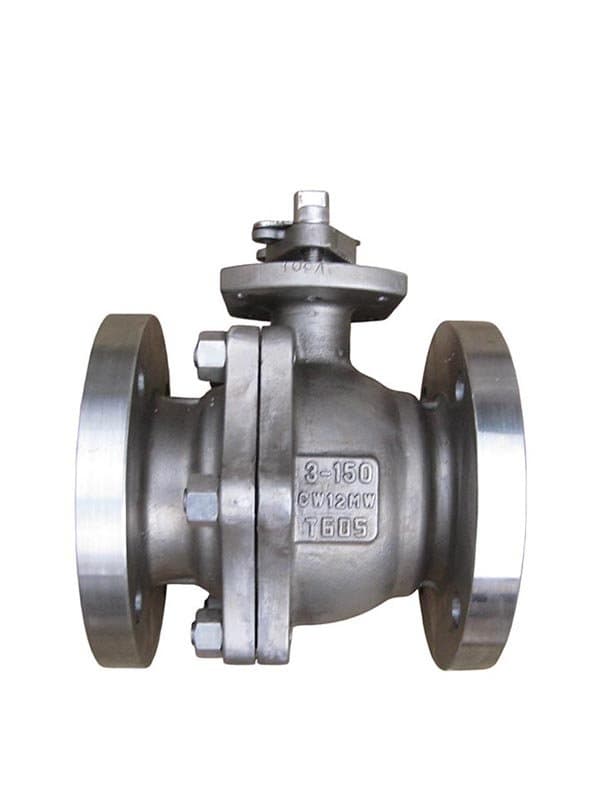
Katup Hastelloy
Mengapa Hastelloy Mengalahkan Baja Tahan Karat Ketika Fluida Proses Anda Tidak Bisa Dijinakkan Mari kita terus terang. Jika 316L bertahan di sistem Anda, Anda tidak membutuhkan Hastelloy. Tetapi jika Anda sudah menyaksikan katup baja tahan karat berlubang, retak, atau larut dalam enam bulan—Anda berada di wilayah di mana paduan nikel-molibdenum-kromium ini layak dengan label harga yang keterlaluan. Hastelloy C276 bukan sekadar "baja tahan karat yang lebih baik." Ini kimia yang berbeda secara fundamental. Kandungan molibdenum 16% memberinya peluang melawan asam reduksi (asam klorida, asam sulfat pada tingkat konsentrasi yang melahap 316L). Kromium 15% dan tungsten 4% menangani kondisi oksidasi. Sebagian besar material gagal di salah satu ujung spektrum itu. C276 mencakup keduanya. Itulah mengapa ia muncul di unit desulfurisasi gas buang—slurry di scrubber tersebut berayun antara oksidasi dan reduksi tergantung pada tingkat oksigen, suhu, dan pH. Katup yang hanya menangani satu mode adalah katup yang gagal pada hari pergantian shift. Kemenangan nyata: unit alkilasi HF di kilang minyak. Lingkungan asam fluorida menghancurkan hampir segalanya. Katup C276 di sirkuit tersebut secara rutin berjalan 5+ tahun tanpa degradasi internal. Itu bukan pemasaran—itu data pabrik dari operator yang melacak setiap penggantian. Di Mana Sebenarnya Ia Kurang (Karena Tidak Ada Material yang Sempurna) Harga. Jangan berpura-pura sebaliknya. Katup gerbang Hastelloy C276 berharga 8–12x lipat dari padanan 316L. Dan waktu tunggunya? 16–20 minggu untuk coran jika pemasok Anda tidak memiliki stok. Itu bukan hambatan rantai pasokan—itu keadaan normal untuk superalloy khusus. Pengelasan membutuhkan disiplin. C276 bekerja dengan baik dengan GTAW dan GMAW menggunakan pengisi yang cocok (ERNiCrMo-4), tetapi suhu antar-lapisan harus tetap di bawah 100°C, dan Anda memerlukan perlindungan gas purge yang agresif. Lewati purge? Anda mendapatkan garis oksida yang menjadi titik inisiasi korosi. Saya pernah melihat bengkel mencoba mempercepat pengelasan Hastelloy dengan cara yang sama seperti mereka menangani baja tahan karat—dan radiografi selalu menangkap hasilnya. C22 (N06022) adalah peningkatan jika Anda melawan korosi celah dalam layanan klorida tinggi dan suhu tinggi. Harganya bahkan lebih mahal, tetapi angka PREN melonjak signifikan. Layak untuk tugas air laut lepas pantai. Tidak layak untuk tangki kimia di mana C276 sudah berjalan dengan baik. Saran Pembelian yang Benar-Benar Membantu Jangan menentukan Hastelloy sebagai peningkatan "jaga-jaga" dari baja tahan karat. Itulah cara Anda menghabiskan anggaran tanpa mendapatkan keandalan. Tentukan ketika insinyur korosi Anda secara spesifik mengidentifikasi media yang tidak dapat ditangani baja tahan karat—dan dokumentasikan keputusan itu untuk pengadaan. Simpan satu atau dua ukuran umum (gate valve flange 2" Class 300, globe valve 3" Class 150) jika pabrik Anda menggunakan C276 di mana pun. Penggantian darurat untuk material ini sangat merepotkan karena pengecoran tidak menyimpan stok. Memiliki cadangan di rak menyelamatkan Anda dari kekacauan 18 minggu. Periksa material baut flange Anda. Menggunakan body valve Hastelloy dengan stud B7 karena "lebih murah" menciptakan ketidakcocokan galvanik dalam layanan klorida. Gunakan baut B8M atau paduan yang cocok — perbedaan biayanya kecil, pengurangan risiko kegagalannya besar. A: Ya, tetapi boros biaya kecuali Anda juga menangani aliran proses asam dalam sistem yang sama. Untuk air laut murni, 254SMO atau titanium sering memberikan kinerja setara dengan biaya lebih rendah. A: C22 memiliki kromium lebih tinggi (22% vs 15%) dan molibdenum lebih rendah (13% vs 16%). Ketahanan korosi celah lebih baik dalam kondisi oksidasi klorida tinggi. C276 sedikit lebih kuat dalam lingkungan asam reduksi murni. Sebagian besar pabrik kimia tetap menggunakan C276. Sektor lepas pantai dan kelautan semakin banyak menspesifikasi C22. A: Tidak diperlukan PWHT untuk C276 atau C22 — itu salah satu keunggulan nyata mereka dibandingkan beberapa paduan nikel lainnya. Annealing larutan hanya jika Anda perlu memulihkan ketahanan korosi penuh setelah pengerjaan dingin berat. A: C276 cor (CW-12MW sesuai ASTM A494) memiliki batas kimia sedikit berbeda tetapi memenuhi tolok ukur korosi yang sama untuk sebagian besar layanan. Untuk kondisi celah ekstrem, tempa wrought memberikan keunggulan tipis karena struktur mikro yang lebih bersih.
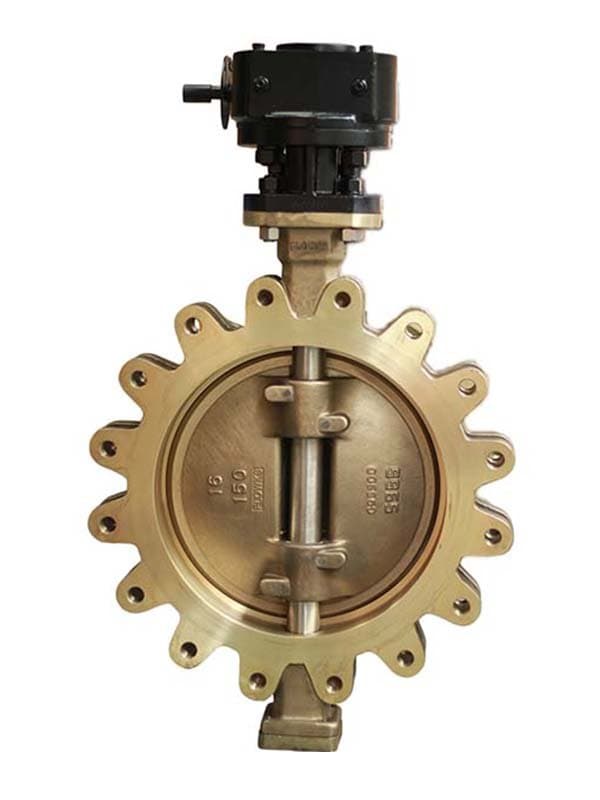
Katup Kupu-kupu Aluminium Bronze
Mengapa Perunggu Aluminium Menangani Air Laut Saat Stainless Tidak Bisa Tetap Bersih Inilah hal tentang air laut yang mengejutkan banyak insinyur: air laut tidak hanya "korosif." Ia korosif secara biologis. Korosi yang dipengaruhi mikrobiologis (MIC) dalam sistem air asin menghancurkan valve 316L lebih cepat dari yang kebanyakan orang duga — bukan karena kandungan klorida melebihi ambang batas stainless, tetapi karena organisme laut mengkolonisasi permukaan dan menciptakan kantong asam lokal di bawah biofilm mereka. Perunggu aluminium tidak memberi MIC pijakan yang sama. Kandungan aluminium (9–11% dalam C95400) membentuk lapisan oksida yang kuat dan menyembuhkan diri sendiri yang sulit ditempeli organisme laut. Gabungkan dengan sifat biosidal alami tembaga, dan Anda mendapatkan material yang tetap berfungsi dalam kondisi di mana stainless membutuhkan pembersihan kimia dan inspeksi terus-menerus. Dalam sistem ballast kapal — di mana valve terisi sebagian air laut yang tergenang selama berminggu-minggu antara kunjungan pelabuhan — butterfly valve perunggu aluminium secara rutin bertahan 3–4x lebih lama dari stainless. Bukan karena metalurginya "lebih baik" dalam arti abstrak, tetapi karena mode kegagalan aktual di lingkungan itu adalah serangan lokal yang didorong biofouling, dan kimia permukaan paduan ini secara khusus menahannya. Perunggu aluminium-nikel (C95500 / C63000, dengan 4–5,5% Ni) menambah kekuatan dan meningkatkan ketahanan retak korosi tegangan. Untuk pipa pemadam kebakaran air laut bertekanan tinggi di platform lepas pantai, itulah grade yang Anda inginkan. Perunggu aluminium murni (C95400) berfungsi baik untuk sirkuit ballast dan pendingin bertekanan lebih rendah. Kekurangan yang Tidak Dibahas Brosur Berat. Butterfly valve perunggu aluminium padat — 7,5 g/cm³, yang berarti body valve 12" terasa jauh lebih berat daripada setara stainless. Di kapal di mana setiap kilogram penting, itu pertimbangan nyata, bukan catatan kaki. Batas suhu. 260°C adalah batas Anda. Melewati itu dan lapisan oksida aluminium mulai rusak. Jika sistem Anda mengalirkan kondensat panas atau fluida proses super panas, ini bukan material Anda — beralihlah ke super duplex atau paduan nikel. Dezinkifikasi adalah cerita hantu yang orang sebut setiap kali Anda menyebut valve perunggu. Inilah kenyataannya: perunggu aluminium diformulasikan khusus untuk menahan dezinkifikasi karena tidak mengandung seng yang signifikan. "Risiko dezinkifikasi" berlaku untuk kuningan (paduan Cu-Zn), bukan perunggu aluminium. Jika seseorang memberi tahu Anda bahwa perunggu aluminium mengalami dezinkifikasi, mereka mengacaukan keluarga paduan — dan itu terjadi lebih sering dari yang Anda kira dalam rapat pengadaan. Pemesinan itu menyakitkan. Kandungan aluminium membuat paduan ini lengket — perkakas cepat aus, pembuangan chip sulit, dan permukaan akhir menuntut sisipan karbida dengan rake positif. Jika fabrikator Anda diatur untuk stainless dan mencoba memperlakukan perunggu aluminium dengan cara yang sama, kerusakan perkakas dan penyimpangan dimensi akan muncul pada batch pertama. Tips Pemilihan Praktis Untuk valve intake pabrik desalinasi: butterfly C95400 dalam ukuran 8"–24" dengan dudukan berlapis elastomer. Paduan menangani air laut mentah, lapisan menangani penyegelan. Jangan terlalu dipikirkan — ini kombinasi standar industri, dan berhasil. Untuk sistem air pemadam kebakaran lepas pantai: C95500 atau C63000 (perunggu aluminium-nikel) dengan konfigurasi butterfly dudukan logam. Rating tekanan lebih tinggi diperlukan, dan penambahan nikel memberi Anda kekuatan tarik untuk menjaga integritas dudukan di bawah tekanan pipa pemadam 10–16 bar. Hindari perunggu aluminium dalam aliran proses asam. Matriks tembaga terkorosi cepat dalam lingkungan asam sulfat dan asam nitrat. Ini material air laut, bukan material proses kimia. Menggunakannya di pabrik kimia karena "tahan korosi" tanpa mengkualifikasi media adalah kesalahan yang muncul pada jadwal penggantian dalam hitungan bulan. A: Ya, tetapi dengan catatan. Klorin bebas di atas 1 ppm mempercepat pelarutan tembaga. Sebagian besar pabrik desalinasi memberi dosis 0,5–1 ppm di intake — itu dalam toleransi. Klorinasi berat untuk kontrol biofouling (3+ ppm) akan memperpendek umur layanan. Gunakan titanium untuk kondisi tersebut sebagai gantinya. A: EPDM atau NBR untuk air laut standar. Viton jika Anda membutuhkan ketahanan minyak (sistem bilga). Dudukan berlapis PTFE untuk tugas suhu lebih tinggi (hingga 200°C). Jangan gunakan dudukan PVC murah — mereka mengeras dalam air asin dan bocor dalam satu tahun. A: Untuk katup kupu-kupu Kelas 300 di air laut, C95400 cor memenuhi semua persyaratan fungsional. C63000 tempa memberikan konsistensi mekanis yang lebih baik untuk bodi tempa bertekanan tinggi. Kebanyakan katup kupu-kupu memang dirancang cor — geometri cakram dan bodi tidak memerlukan sifat...
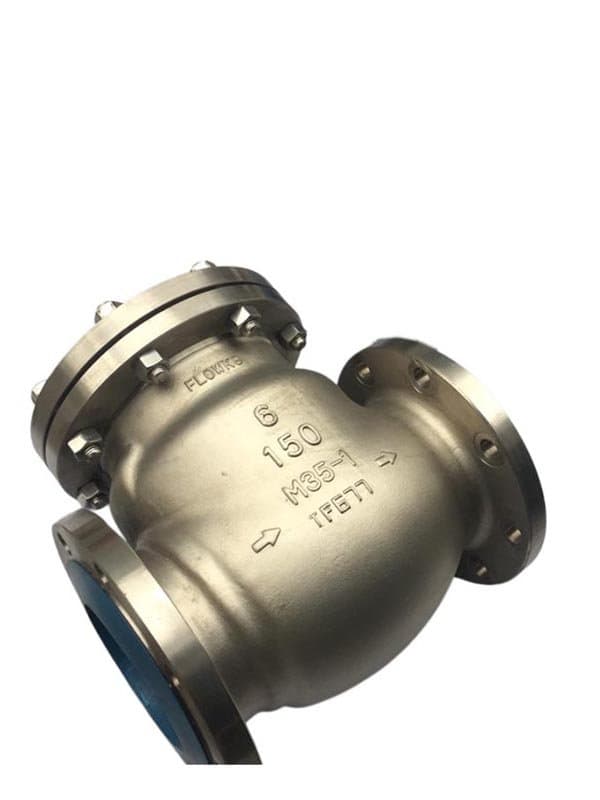
Katup Cek Swing Monel
Mengapa Monel Bertahan Terhadap Asam Fluorida Saat Material Lain Larut Asam fluorida adalah asam yang menakutkan bagi insinyur korosi berpengalaman. Bukan karena asam ini yang terkuat — bukan. Tetapi karena asam ini menyerang material yang diasumsikan orang sebagai "tahan asam." Stainless? Berlubang dalam hitungan jam pada konsentrasi produksi. Baja berlapis kaca? Akhirnya tembus di sambungan las. Titanium? Masih bisa digunakan pada konsentrasi rendah, tetapi berisiko di atas 50% dan pada suhu tinggi. Monel 400 menangani HF pada berbagai konsentrasi yang menghancurkan logam lain. Matriks nikel-tembaga membentuk lapisan pasif yang stabil dalam fluorida yang tidak dapat ditiru oleh sistem paduan lain. Di unit alkilasi HF — layanan HF paling menuntut di kilang mana pun — katup swing check Monel di sirkuit sirkulasi asam bertahan bertahun-tahun. Itu bukan teori. Itu adalah data operasional puluhan tahun dari setiap pabrik alkilasi HF utama di seluruh dunia. Konfigurasi swing check secara khusus masuk akal dalam layanan HF karena ini adalah jenis katup yang meminimalkan volume rongga internal. Volume terperangkap yang lebih sedikit berarti inventaris asam yang lebih sedikit di dalam bodi katup, yang mengurangi risiko korosi dan bahaya jika terjadi kebocoran. Dalam sistem HF, mengurangi jumlah asam yang terkandung dalam setiap komponen adalah filosofi keselamatan, bukan sekadar preferensi desain. Monel K500 (N05500) menambahkan aluminium dan titanium untuk pengerasan penuaan, mendorong kekuatan tarik hingga sekitar 2–3x lipat Monel 400. Gunakan untuk pin engsel katup check dan komponen internal yang menerima benturan mekanis berulang dari cakram swing yang menutup dengan keras. Bodi tetap menggunakan 400; bagian bergerak mendapat manfaat dari kekerasan K500. Keterbatasan Sebenarnya (Karena Layanan HF Menuntut Kejujuran) Kisaran biaya. Monel berada di antara stainless kelas atas dan paduan nikel murni seperti Hastelloy. Katup swing check Monel harganya 4–5x lipat dari 316L, tetapi hanya sekitar setengah dari biaya padanan C276. Itu menjadikannya pilihan "nilai terbaik" untuk HF — Anda membayar cukup untuk perlindungan nyata, tetapi bukan premi superalloy yang dirancang untuk kimia yang lebih ekstrem. Kelemahan asam pengoksidasi. Campuran nikel-tembaga Monel dioptimalkan untuk lingkungan reduksi. Dalam asam nitrat, ia terkorosi lebih cepat daripada stainless standar. Jika sistem Anda bergantian antara HF (reduksi) dan nitrat (oksidasi) — jarang tetapi terjadi di beberapa rute pemrosesan kimia — Monel bukan jawabannya. Hastelloy C276 mencakup kedua kondisi tersebut. Risiko galvanik dalam sistem logam campuran. Monel bersifat mulia dalam deret galvanik — dekat dengan titanium. Jika Anda memasang katup check Monel ke pipa baja karbon menggunakan flensa baja, baja menjadi anoda korban dan mempercepat korosinya sendiri tepat di sambungan. Gunakan kit isolasi (Gasket + selongsong + ring) di setiap transisi Monel-ke-baja, atau spesifikasikan flensa Monel yang serasi untuk pipa terdekat. Pemesinan ternyata sulit. Monel 400 dikerjakan seperti logam lunak yang lengket — alat tertarik alih-alih memotong dengan bersih, dan pengerasan kerja terbentuk cepat di permukaan. K500 lebih buruk setelah pengerasan penuaan. Bengkel yang tidak terspesialisasi dalam paduan nikel secara rutin menghasilkan bodi katup check dengan kesalahan dimensi pada lubang pin engsel, yang menyebabkan cakram duduk tidak merata dan bocor saat aliran balik. Pilih fabrikator dengan pengalaman terdokumentasi dalam paduan nikel. Kebijaksanaan Pemilihan dari Pengalaman Pabrik Nyata Untuk sirkulasi asam alkilasi HF: Bodi Monel 400 dengan pin engsel K500. Swing check, bonnet baut, Kelas 300 minimum. Kisaran ukuran 2"–6" mencakup sebagian besar sirkuit loop asam. Jangan gunakan bonnet las — lingkungan HF menuntut akses bonnet untuk penggantian engsel cakram tanpa memotong katup dari jalur pipa. Untuk limbah garam distilasi air laut: Katup swing check Monel 400 berfungsi, tetapi perunggu aluminium lebih hemat biaya untuk ketahanan korosi yang sama di air asin murni. Gunakan Monel hanya jika air garam membawa jejak HF atau fluorida lain dari kontaminasi proses hulu. Untuk layanan soda kaustik (NaOH): Monel 400 adalah pilihan tradisional dan masih valid, tetapi nikel murni (Nikel 200) mengunggulinya dalam kaustik pekat pada suhu di atas 200°C. Di bawah ambang itu, Monel memberi Anda 90% ketahanan kaustik nikel dengan biaya yang jauh lebih rendah. A: Ya, pada konsentrasi di bawah 50% dan suhu di bawah 80°C. Di atas itu, ia terkorosi pada tingkat yang tidak dapat diterima. Untuk asam sulfat pekat, lihat baja C4 atau Hastelloy B2 tergantung pada kondisi spesifiknya. A: Tidak. Tugas bodi adalah ketahanan korosi dan integritas struktural di bawah tekanan — Monel 400 menangani keduanya. Keunggulan kekuatan K500 penting untuk bagian bergerak (pin engsel,...
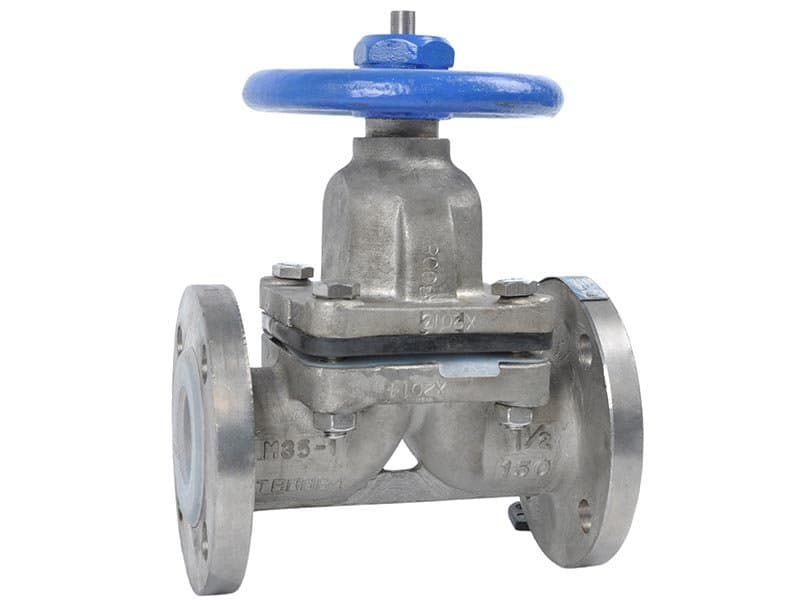
Katup Diafragma Monel
Mengapa Katup Diafragma Nikel Murni Mendominasi di Pabrik Soda Kaustik Jika Anda pernah mengunjungi fasilitas produksi soda kaustik (NaOH), Anda akan memperhatikan sesuatu: katup di sirkulasi kaustik 50% hampir selalu merupakan katup diafragma nikel murni. Bukan karena pilihan yang trendi — melainkan karena riwayat kegagalan setiap material alternatif telah membuktikannya. Stainless 316L menangani kaustik encer pada suhu ruangan. Dorong hingga konsentrasi 50% di atas 150°C — yang persis merupakan kondisi operasi pabrik kaustik sel membran — dan 316L akan mengalami retak korosi tegangan dalam hitungan bulan. Nikel 200? Ia bertahan bertahun-tahun dalam layanan yang sama. Ketahanan bawaan nikel terhadap SCC alkalin bukanlah trik paduan — ini adalah sifat fundamental dari logam itu sendiri. Konfigurasi katup diafragma berpasangan secara alami dengan nikel murni karena katup diafragma mengisolasi fluida proses dari mekanisme aktuator katup. Dalam layanan kaustik, ini penting karena dua alasan: (1) kebocoran kaustik sangat berbahaya bagi personel, dan penghalang diafragma menyediakan segel fisik antara proses dan dunia luar, dan (2) bagian dalam badan katup tetap bersih — tidak ada kebocoran gland packing, tidak ada stem packing yang dapat ditembus dan didegradasi oleh kaustik seiring waktu. Nikel 201 (N02201) adalah varian karbon rendah, dan ini adalah grade yang harus Anda gunakan di atas 315°C. Nikel 200 mengalami transformasi grafit pada suhu berkelanjutan di atas 315°C — karbon mengendap sebagai nodul grafit yang merapuhkan struktur. Kandungan karbon ≤0,02% pada Nikel 201 mencegah hal ini sepenuhnya. Jika lembar spesifikasi Anda menyebut "Nikel 200" untuk katup kaustik yang beroperasi di atas 300°C, tandai itu. Itu adalah mekanisme kegagalan laten yang menunggu ekskursi termal berikutnya. Apa yang Tidak Bisa Dilakukan Nikel Murni (Dan Di Mana Ia Gagal Secara Diam-diam) Lingkungan asam pengoksidasi. Asam nitrat, asam kromat, larutan klorida pengoksidasi — nikel murni terkorosi dengan cepat. Lapisan pasif yang melindungi nikel dalam kondisi kaustik dan reduktif tidak terbentuk dalam media pengoksidasi. Jika fluida proses Anda pernah berayun ke kondisi pengoksidasi — bahkan sementara selama siklus pembersihan — nikel 200 akan terserang lebih cepat daripada stainless 304. Senyawa sulfur pada suhu tinggi. Lingkungan yang mengandung sulfur di atas 300°C menyebabkan nikel mengalami serangan antargranular. Ini relevan dalam layanan kilang di mana jejak gas asam mungkin mencapai peralatan pemrosesan kaustik melalui gangguan proses. Spesifikasi material sering melewatkan ini karena "aliran normalnya adalah kaustik bersih" — tetapi kondisi gangguan membunuh katup. Kelembutan. Nikel murni (99%+) secara mekanis lebih lunak dibandingkan bahkan stainless 304. Kekuatan tariknya sekitar 462 MPa — memadai untuk badan katup diafragma bertekanan rendah, tetapi tidak untuk konfigurasi globe atau gate tempa bertekanan tinggi yang membutuhkan 500+ MPa. Itulah sebagian alasan mengapa katup nikel murni sebagian besar bertipe diafragma atau kupu-kupu — geometrinya bekerja dalam batas mekanis material. Volatilitas harga. Harga logam nikel berfluktuasi keras di pasar komoditas. Biaya material badan katup nikel murni dapat bergeser 20–30% antara pemesanan dan pengiriman. Tim pengadaan membenci ini. Menganggarkan proyek katup nikel murni memerlukan penguncian harga saat pemesanan, bukan perkiraan dari tiga bulan sebelumnya. Saran Praktis untuk Menentukan Spesifikasi Katup Diafragma Nikel Untuk NaOH 50% pada 90–150°C: Katup diafragma Nikel 200, tipe weir, diafragma PTFE atau elastomer tergantung suhu. Ini adalah aplikasi buku teks dan bekerja dengan andal. Untuk kaustik di atas 300°C: Segera beralih ke Nikel 201. Tanpa pengecualian. Dokumentasikan batas suhu pada lembar spesifikasi agar tim pemeliharaan di masa depan tidak secara tidak sengaja mengganti badan 200 ke posisi suhu tinggi. Untuk sistem air murni makanan dan farmasi: Katup diafragma Nikel 200 memberi Anda risiko pelindian terendah dari opsi katup logam mana pun. Kandungan pengotor hampir nol berarti tidak ada yang bermigrasi ke aliran produk Anda. Stainless melindiasi jejak kromium dan nikel — dapat diterima untuk sebagian besar aplikasi, tetapi tidak untuk air injeksi atau produksi reagen kemurnian tinggi. J: Hastelloy bekerja baik dalam kaustik tetapi harganya 3–4x lebih mahal tanpa keunggulan kinerja dalam media spesifik tersebut. Molibdenum dan kromium dalam Hastelloy ada untuk ketahanan asam dan klorida yang tidak Anda butuhkan dalam aliran khusus kaustik. Nikel murni memberi Anda ketahanan yang tepat dengan harga yang tepat. J: Ya, dengan filler Nikel 200 yang cocok (ERNi-1). Bersihkan zona las secara agresif — nikel menyerap kontaminasi dari minyak permukaan, tinta spidol, bahkan sidik jari. Kontaminasi sulfur dari roda gerinda kotor menyebabkan retak...
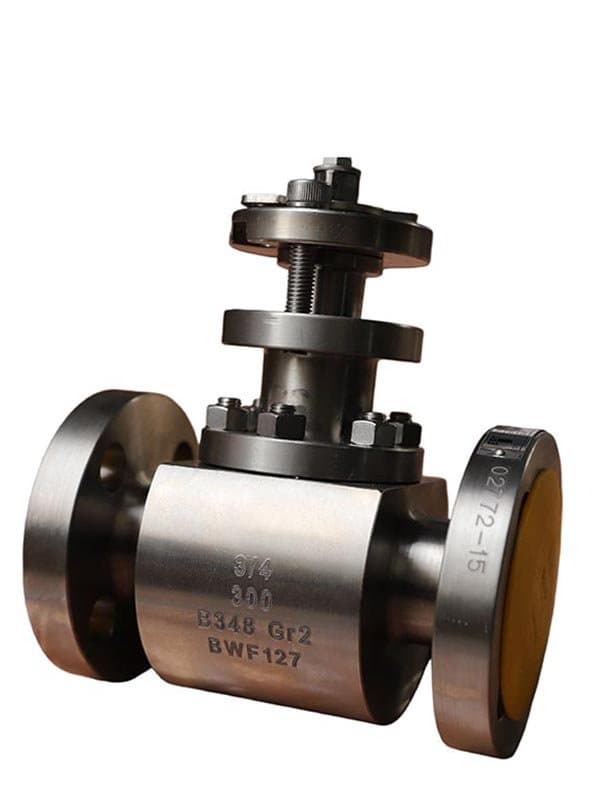
Katup Bola Top Entry Titanium
Mengapa Katup Bola Titanium Menang di Tempat Stainless Terkorosi dan Baja Berkarat Ketahanan korosi titanium berasal dari sesuatu yang tampak sederhana: film oksida setebal 10 nanometer yang terbentuk secara spontan di lingkungan yang mengandung oksigen. Film itu beregenerasi seketika jika rusak. Gores dudukan katup bola titanium — permukaannya repasivasi dalam hitungan milidetik. Gores dudukan stainless dalam aliran proses kaya klorida yang sama, dan goresan itu menjadi lubang dalam hitungan jam. Itulah sebabnya katup bola titanium mendominasi dalam layanan klorin basah. Pabrik produksi klorin, manufaktur pemutih, jalur natrium hipoklorit — lingkungan ini mendorong 316L melewati ambang batas pitting-nya pada hari pertama. Titanium Grade 2 bertahan selama puluhan tahun. Lapisan oksida stabil dalam kondisi klorida pengoksidasi yang menghancurkan setiap logam teknik umum lainnya. Di pabrik desalinasi, ceritanya serupa tetapi ekonominya bergeser. Stainless berkinerja tinggi (254SMO, 904L) dapat menangani air laut — tetapi titanium memberi Anda keunggulan berat yang penting di platform lepas pantai di mana setiap kilogram inventaris katup memengaruhi beban struktural. Katup bola titanium Grade 2 ukuran 6" beratnya kira-kira setengah dari berat katup setara 254SMO. Pada sistem produksi terapung, penghematan itu berlipat ganda di ratusan katup. Grade 7 (Ti + paladium) adalah senjata rahasia untuk lingkungan asam pereduksi di mana bahkan Grade 2 kesulitan. Penambahan 0,2% paladium menggeser potensi korosi, memungkinkan film oksida mempertahankan stabilitas dalam kondisi pereduksi. Harganya lebih mahal daripada Grade 2 — tetapi dalam aliran asam campuran pengoksidasi/pereduksi, ini mencegah korosi celah yang berkembang pada titanium standar di kantong-kantong statis. Kekurangan yang Membuat Para Insinyur Meragukan Titanium Galling. Permukaan geser titanium-ke-titanium mengalami galling secara katastropik. Kursi katup bola yang bola dan kursinya sama-sama titanium akan macet di bawah beban kecuali Anda mengatasi masalah ini. Solusi industri: lapisan keras pada bola (kromium oksida atau overlay tungsten karbida) atau gunakan bahan kursi yang berbeda (PTFE atau PEEK yang diperkuat). Jika pemasok katup Anda menawarkan katup bola "all-titanium" tanpa menentukan perlakuan permukaan pada permukaan dudukan, ajukan pertanyaan sebelum memesan. Kerentanan terhadap fluorida. Film oksida titanium larut dalam lingkungan yang mengandung fluorida. Asam fluorida jelas — tetapi juga sumber yang kurang jelas: jejak fluorida dalam air pendingin (beberapa pasokan kota mengandung 1–2 ppm), fluorida dalam aliran pemrosesan fosfat tertentu. Jika fluorida hadir pada konsentrasi yang berarti, titanium terkorosi. Hastelloy C276 menangani fluorida; titanium tidak. Ini adalah perbedaan biner — tidak ada jalan tengah. Kerapuhan hidrogen pada suhu tinggi. Di atas 300°C dalam lingkungan pereduksi, titanium menyerap hidrogen, yang menyebabkan kerapuhan. Dalam air laut normal dan layanan asam pengoksidasi ini tidak menjadi perhatian, tetapi dalam aliran gas pereduksi panas (layanan hidrogen kilang, syngas) ini adalah mekanisme kegagalan yang nyata. Biaya dan ketersediaan. Titanium Grade 2 tidak murah — kira-kira 3–4x harga stainless untuk bahan baku. Badan katup titanium cor memiliki opsi pemasok terbatas di seluruh dunia; sebagian besar katup titanium adalah konfigurasi tempa. Waktu tunggu untuk katup bola titanium tempa dalam ukuran yang tidak umum berjalan 12–16 minggu. Kebangsawanan galvanik. Titanium berada di ujung mulia dari deret galvanik. Hubungkan ke flensa baja, tembaga, atau aluminium tanpa isolasi, dan logam yang kurang mulia itu akan terkorosi secara agresif di sambungan. Setiap sambungan flensa titanium-ke-baja memerlukan kit isolasi lengkap, atau Anda menciptakan sel korosi lokal yang menyerang pipa, bukan katupnya. Cara Menspesifikasi Katup Bola Titanium Tanpa Terbakar Untuk layanan air laut lepas pantai: Grade 2, dudukan PTFE, Class 300, ukuran 2"–10". Bola berlapis keras (overlay Cr2O3). Kit isolasi di setiap sambungan flensa baja. Ini adalah formula yang terbukti. Untuk produksi klorin basah / pemutih: Grade 2, dudukan logam dengan lapisan tungsten karbida pada bola, dudukan PTFE yang diperkuat. Lingkungan klorin tidak menyerang PTFE pada suhu produksi pemutih normal, dan bola berlapis menghilangkan risiko galling. Untuk layanan asam campuran di mana kondisi pereduksi muncul: Grade 7 (ditingkatkan Pd). Biaya paladium menambah kira-kira 30% pada harga katup, tetapi ini adalah satu-satunya cara untuk mencegah korosi celah di kantong asam statis. Jangan mencoba menghemat uang dengan menggunakan Grade 2 di sini — Anda akan mengganti katup dalam 18 bulan. J: Grade 2 menangani asam sulfat encer (di bawah konsentrasi 5%) pada suhu sedang. Asam sulfat pekat menyerang titanium. Grade 7 memperluas jangkauan agak tetapi masih...
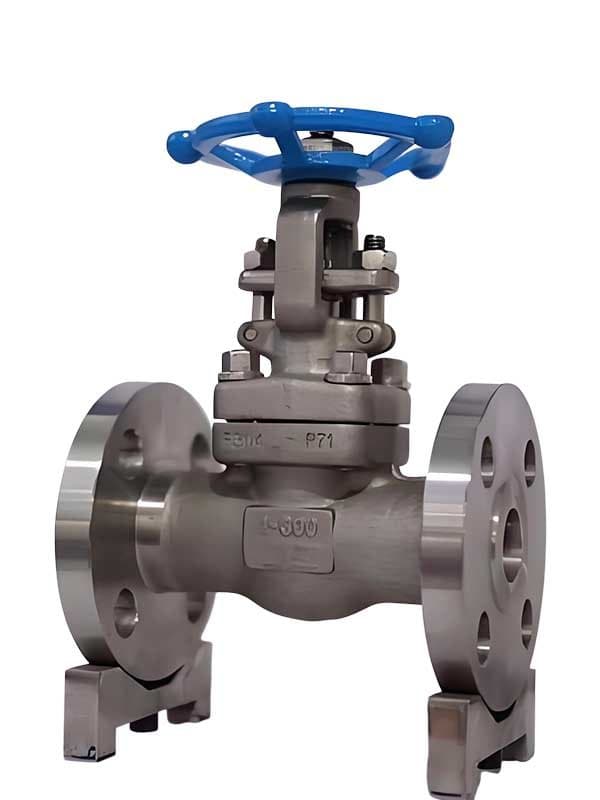
Katup Zirconium
Mengapa Zirconium Menangani Asam Nitrat Seperti Tidak Ada Lainnya Ada hierarki dalam logam tahan korosi, dan zirkonium berada di dekat puncak — hanya di bawah tantalum dalam ketahanan asam mentah, tetapi dengan biaya sebagian kecil dari tantalum. Dalam layanan asam nitrat pekat (bahan di atas 65% yang menembus stainless, monel, dan bahkan titanium pada suhu tinggi), zirkonium adalah pilihan praktis. Mekanismenya sederhana: zirkonium membentuk lapisan oksida yang sangat stabil dan padat (ZrO2) yang melekat pada permukaan logam dengan energi ikat yang tidak bisa ditandingi kebanyakan lapisan oksida lainnya. Oksida itu tidak larut dalam asam nitrat pada konsentrasi atau suhu komersial apa pun. Dalam asam nitrat mendidih 98%, laju korosi zirkonium terukur di bawah 0,025 mm/tahun. Stainless 304L dalam kondisi yang sama? Anda bisa mengukur kehilangan beratnya dalam gram per hari. Inilah sebabnya pabrik pemekatan asam nitrat — tahap akhir di mana asam naik dari 65% menjadi 98% — menspesifikasikan zirkonium untuk posisi katup kritis. Prosesnya berjalan pada 80–150°C dalam konsentrasi asam yang menghancurkan logam lain. Katup zirkonium di sirkuit tersebut bertahan 10+ tahun dengan kehilangan material yang dapat diabaikan. Zirkonium juga unggul dalam pengolahan asam organik. Asam asetat pada suhu dan konsentrasi produksi mengkorosi stainless pada laju yang memaksa penggantian katup tahunan. Zirkonium dalam layanan yang sama? Korosi hampir tidak terukur. Industri sintesis urea menggunakan katup zirkonium dalam layanan karbamat bertekanan tinggi di mana kombinasi amonia, CO2, dan air pada 200°C menciptakan campuran korosif yang mengalahkan kebanyakan alternatif. Di Mana Zirkonium Gagal (Pengetahuan Kritis untuk Bertahan) Ion fluorida. Ini adalah kelemahan utama zirkonium, dan itu absolut. Bahkan fluorida dalam jumlah jejak (0,05 M NaF dalam asam nitrat) menyebabkan lapisan ZrO2 larut, mengekspos logam telanjang pada serangan cepat. Jika aliran proses Anda mengandung fluorida apa pun — dari air baku, dari kontaminasi fosfat, dari sumber apa pun — zirkonium terkorosi. Tidak ada perdebatan, tidak ada jalan keluar, tidak ada "jumlah kecil masih bisa ditoleransi." Hastelloy C276 adalah alternatif untuk aliran yang mengandung fluorida. Struktur biaya. Bahan baku zirkonium harganya kira-kira 6–8x harga stainless. Biaya badan katup tinggi, tetapi beban anggaran yang sebenarnya datang dari fabrikasi — zirkonium sangat reaktif pada suhu tempa dan harus dikerjakan dalam atmosfer inert. Kebanyakan bengkel tidak dilengkapi untuk ini. Pemasok katup yang menyimpan konfigurasi zirkonium jarang, dan pesanan khusus memakan waktu 20+ minggu. Pengelasan menuntut kontrol kemurnian absolut. Zirkonium menyerap oksigen, nitrogen, dan hidrogen dari atmosfer selama pengelasan. Gas terlarut ini menggetaskan zona las secara permanen — tidak ada perawatan pasca-las yang bisa membalikkannya. Pengelasan harus dilakukan di bawah pelindung gas inert penuh (argon, triple-purged), dan warna panas di sisi belakang las harus perak hingga warna jerami. Perubahan warna biru atau abu-abu berarti kontaminasi oksigen, dan sambungan itu terganggu. Saya pernah melihat las zirkonium ditolak hanya berdasarkan inspeksi visual — tidak perlu radiografi, warnanya sudah menceritakan semuanya. Kekuatan mekanis. Kekuatan tarik Zirkonium 702 (min 380 MPa) tergolong sedang dibandingkan stainless (485+ MPa untuk 304). Ini memadai untuk badan katup Kelas 150–300, tetapi Anda tidak akan menemukan zirkonium dalam konfigurasi tempa bertekanan tinggi Kelas 600. Zr 705 (dengan 2–3% niobium) mendorong kekuatan tarik hingga ~480 MPa — gunakan saat Anda membutuhkan peringkat tekanan lebih tinggi, tetapi verifikasi bahwa penambahan niobium tidak memengaruhi ketahanan korosi dalam media spesifik Anda. Menspesifikasikan Katup Zirkonium Tanpa Kesalahan Mahal Untuk asam nitrat pekat (65–98%): Zirkonium 702, Kelas 150 atau 300, konfigurasi globe atau gate. Verifikasi ketiadaan fluorida dalam aliran proses — uji, jangan berasumsi. Satu peristiwa kontaminasi fluorida dan badan katup menjadi barang rongsokan. Untuk sintesis asam asetat pada suhu produksi: katup diafragma atau bola Zr 702. Dudukan PTFE. Aplikasi ini sudah terbukti baik dan biaya zirkonium terbayar dalam 2–3 tahun dibandingkan siklus penggantian stainless. Untuk layanan karbamat bertekanan tinggi urea: Zr 705 (diperkuat niobium) untuk tuntutan mekanis yang lebih tinggi. Kelas 300 minimum. Verifikasi bahwa pemasok katup Anda memiliki referensi pabrik urea yang nyata — bukan hanya data uji laboratorium. J: Dalam banyak layanan asam, ya. Zirkonium memberikan ketahanan korosi setara tantalum dalam asam nitrat, sulfat, dan organik dengan biaya kira-kira 1/3 hingga 1/4 dari harga tantalum. Pengecualian: kehadiran fluorida apa pun. Tantalum tahan fluorida; zirkonium tidak. Jika proses Anda memiliki fluorida bahkan dalam...
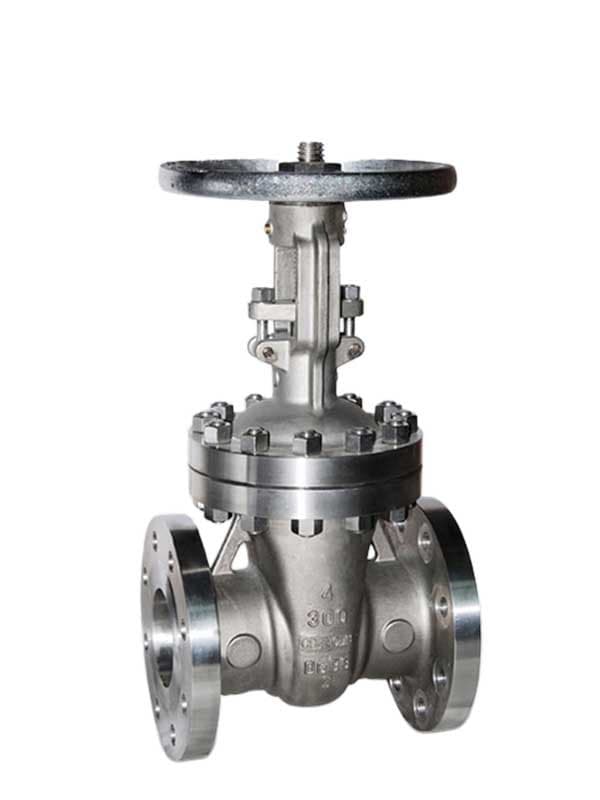
Katup Incoloy
Mengapa Incoloy 825 Adalah Titik Tengah Cerdas Antara Stainless dan Hastelloy Incoloy 825 berada di titik manis yang sering terlewatkan oleh sebagian besar lembar spesifikasi karena mereka membandingkan ekstrem — "316L atau Hastelloy?" — tanpa mempertimbangkan yang di tengah. 825 memberi Anda sekitar 80% ketahanan korosi Hastelloy C276 dengan biaya sekitar 40% dari harganya. Perhitungan itu menjadikannya pilihan yang tepat untuk rentang aplikasi yang luas di mana 316L gagal sebelum waktunya tetapi C276 berlebihan. Kimia menceritakan semuanya. 38–46% nikel memberikan ketahanan SCC di lingkungan klorida. 20% kromium menangani kondisi oksidasi. 3% molibdenum menambah ketahanan pitting. 2% tembaga — elemen khasnya — meningkatkan kinerja dalam asam pereduksi seperti asam sulfat. Dan 1% titanium menstabilkan terhadap sensitisasi selama pengelasan. Ini bukan juara dalam satu kategori pun, tetapi kombinasinya mencakup rentang kondisi korosif yang lebih luas daripada paduan spesialis satu-atribut mana pun. Dalam layanan gas asam (produksi gas alam yang mengandung H2S), katup Incoloy 825 bertahan di mana 316L mengalami retak sulfida akibat tegangan dan di mana menggunakan Hastelloy C276 akan menguras anggaran di setiap kepala sumur. Standar NACE MR0175/ISO 15156 secara eksplisit menyetujui Incoloy 825 untuk layanan asam — itu bukan penerimaan teoretis, melainkan didasarkan pada puluhan tahun kinerja lapangan di produksi Teluk Meksiko dan Timur Tengah. Pemrosesan asam sulfat pada konsentrasi dan suhu sedang adalah aplikasi inti lainnya. 825 menangani asam sulfat hingga sekitar 50% konsentrasi pada rentang suhu yang luas, yang mencakup sebagian besar kondisi pabrik produksi. Di atas 50% dan pada suhu tinggi, Anda akan beralih ke Hastelloy — tetapi kebanyakan pabrik asam sulfat sebenarnya tidak beroperasi di zona ekstrem itu. Keterbatasan yang Mencegahnya Menjadi Solusi Universal Bukan superalloy sejati. Ketahanan pitting Incoloy 825 (PREN ~31) berada di bawah 254SMO (PREN ~43) dan Hastelloy C276 (PREN efektif 65+). Di lingkungan pitting klorida yang agresif — air laut bersuhu tinggi, air garam pekat — 825 dapat mengalami pitting di mana alternatif berkinerja lebih tinggi tetap stabil. Jika layanan Anda didominasi pitting, jangan spesifikasi 825 sebagai "kompromi hemat biaya" — itu akan mengorbankan keandalan pabrik Anda. Kerentanan korosi celah. Kadar tembaga dan molibdenum memberikan ketahanan korosi umum yang layak, tetapi di bawah permukaan gasket, di bawah kepala baut, di celah mana pun di mana oksigen tidak dapat mencapai permukaan untuk mempertahankan lapisan pasif, 825 lebih rentan daripada 254SMO atau Hastelloy. Dalam aplikasi katup penukar panas air laut di mana geometri celah melekat, ini penting. Seri 800 (800/800H/800HT) — varian suhu tinggi — bukan paduan korosi. Itu adalah paduan kekuatan yang dirancang untuk layanan struktural suhu tinggi berkelanjutan (komponen tungku, pipa superheater). Jika Anda membutuhkan ketahanan korosi pada suhu tinggi, 825 tetap menjadi pilihan Incoloy Anda. Jika Anda membutuhkan kekuatan pada 700°C di lingkungan yang relatif bersih, 800H adalah pilihan yang tepat. Mencampuradukkan kedua keluarga ini adalah kesalahan spesifikasi yang umum. Pertimbangan pengelasan. Incoloy 825 mudah dilas dengan GTAW/GMAW standar menggunakan filler ERNiCrMo-3 (Alloy 625) — itu adalah kawat yang direkomendasikan, bukan kecocokan kimia literal. Filler melebihi logam dasar dalam ketahanan korosi, yang melindungi deposit las. Tetapi suhu antar-lintasan harus dikontrol, dan las penampang tebal mendapat manfaat dari penghilangan tegangan pada 540–650°C. Cara Mendapatkan Manfaat Maksimal dari Katup Incoloy 825 Untuk layanan kepala sumur gas asam: Katup gerbang atau bola Incoloy 825, Kelas 600–900, sesuai batas kekerasan NACE MR0175 (HRC 22 maks). Verifikasi sertifikasi NACE pemasok katup — bukan hanya sertifikat pabrik material. Proses fabrikasi (pengelasan, perlakuan panas) juga harus memenuhi persyaratan NACE. Untuk layanan umum pabrik asam sulfat: Katup globe atau diafragma 825, Kelas 150–300. Mencakup hingga 50% H2SO4 pada rentang suhu produksi tipikal. Jika konsentrasi asam Anda melebihi 50%, atau jika suhu berjalan di atas 80°C dalam asam pekat, tingkatkan ke Hastelloy C276 pada posisi katup spesifik tersebut — bukan di semua tempat. Untuk layanan air laut di darat: 825 berfungsi di air laut bersuhu lingkungan, tetapi 254SMO atau titanium memberikan ketahanan pitting yang lebih baik pada kisaran biaya yang sama. Cadangkan 825 untuk layanan air laut hanya ketika Anda juga membutuhkan ketahanan terhadap aliran proses asam dalam sistem yang sama. J: Ya. "Incoloy" adalah merek dagang Special Metals Corporation. "Alloy 825" adalah sebutan generik sesuai UNS N08825. Secara fungsional identik. Beberapa lembar spesifikasi mencantumkan kedua nama untuk menghindari masalah merek dagang. J:...
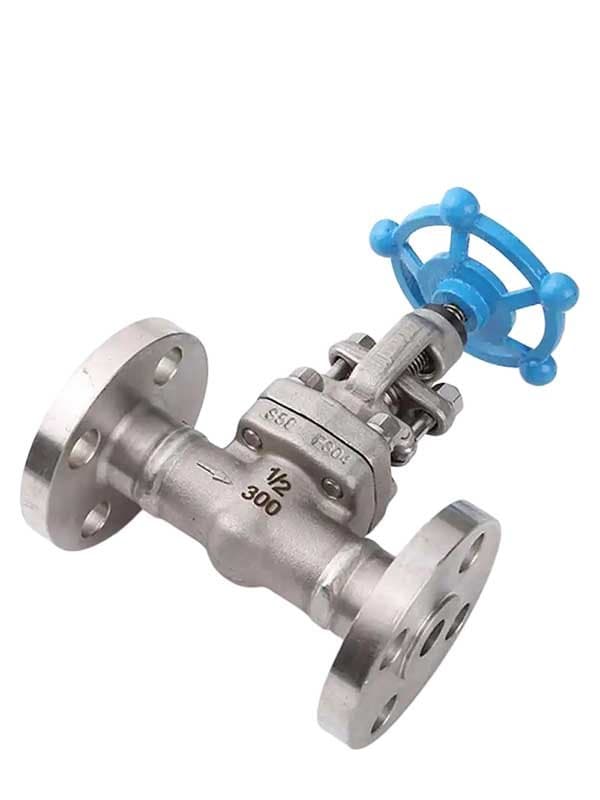
Katup 904L
Mengapa 904L Menangani Asam Sulfat di Seluruh Rentang Konsentrasi Ini fakta yang mengejutkan para insinyur yang belum bekerja di pabrik asam sulfat: asam sulfat encer lebih korosif terhadap stainless daripada yang pekat. Pada konsentrasi 10–30%, asam sulfat menyerang stainless secara agresif, sementara pada konsentrasi 90%+, 316L sebenarnya menanganinya dengan cukup baik (asam pekat kurang aktif secara ionik). 904L adalah paduan yang mencakup seluruh rentang konsentrasi 0–100% pada suhu hingga sekitar 35°C. Penambahan tembaga (1–2%) inilah yang memungkinkan hal tersebut. Tembaga meningkatkan ketahanan dalam kondisi asam reduksi — zona asam sulfat encer yang sama di mana lapisan pasif berbasis kromium 316L rusak. Molibdenum 4,5% menangani pitting pada rentang konsentrasi menengah. Nikel 25% memberikan ketahanan SCC di lingkungan asam yang mengandung klorida. Ini adalah pertahanan terkoordinasi tiga elemen yang tidak dapat ditiru oleh baja tahan karat austenitik standar. Di pabrik pemutih pulp dan kertas, katup 904L menggantikan 316L beberapa dekade lalu — lingkungan pemrosesan pemutihan yang kaya klorida dan asam menghancurkan 316L melalui serangan pitting dan celah dalam 1–2 tahun. 904L di posisi yang sama bertahan 5–8 tahun. Itu bukan peningkatan marginal; itu adalah perubahan kualitatif dalam perencanaan pemeliharaan. Sistem clean-in-place (CIP) farmasi semakin banyak menggunakan 904L karena siklus pembersihan berayun antara kaustik (alkali) dan asam (fosfat atau sulfat) pada suhu tinggi. 904L menangani kedua ayunan tersebut di mana 316L mengembangkan mikro-pitting selama fase asam yang menjadi titik persembunyian bakteri — tidak dapat diterima dalam manufaktur steril. Di Mana 904L Kalah Terhadap Pesaing Nyata Bukan juara pitting. PREN 904L berada di sekitar 34–35. 254SMO mencapai 43+ dengan molibdenum 6% dan penambahan nitrogen. Di lingkungan pitting klorida yang agresif (air laut panas di atas 40°C, pemrosesan air garam pekat), 904L mengalami pitting di mana 254SMO bertahan. Jika mode kegagalan Anda secara spesifik adalah pitting klorida, 254SMO adalah spesifikasi yang tepat, bukan 904L. Batas suhu dalam layanan asam. Di atas 35°C dalam asam sulfat di seluruh rentang konsentrasi, laju korosi 904L naik melewati batas yang dapat diterima. Pada 50–70°C dalam asam sulfat encer, ia masih berkinerja — tetapi Anda sekarang berada di wilayah di mana Hastelloy memberikan margin keamanan. Mendesain katup 904L ke dalam proses yang menjalankan asam panas tanpa memeriksa diagram isokorosi berarti meminta penggantian prematur. Presipitasi fase sigma. Kandungan paduan tinggi (25% Ni, 4,5% Mo, 20% Cr) membuat 904L rentan terhadap pembentukan fase sigma jika ditahan dalam rentang 600–900°C untuk waktu yang lama. Itu bukan suhu layanan katup normal, tetapi relevan selama fabrikasi — jika tempa atau pengecoran membiarkan material mendingin lambat melalui rentang tersebut alih-alih quenching, fase sigma terbentuk dan baik ketahanan korosi maupun ketangguhan menurun. Verifikasi sertifikasi perlakuan panas pemasok Anda: anil larutan pada 1060–1140°C diikuti dengan quenching air cepat. Biaya fabrikasi. 904L dikerjakan dan dilas seperti baja tahan karat austenitik lainnya — tidak perlu prosedur eksotis — tetapi biaya bahan baku sekitar 3x harga 316L. Dalam aplikasi di mana 316L sudah berfungsi, 904L adalah pemborosan murni. Dalam aplikasi di mana 316L gagal tetapi 254SMO juga akan berfungsi, 254SMO sering memberikan kinerja pitting yang lebih baik dengan biaya serupa. Ceruk 904L secara spesifik adalah pita konsentrasi penuh asam sulfat dan layanan ayunan CIP farmasi. Menentukan Spesifikasi Katup 904L dengan Benar Untuk asam sulfat konsentrasi encer hingga sedang: katup globe atau bola 904L, Kelas 150–300, dudukan PTFE atau logam. Mencakup 0–50% H2SO4 pada suhu ambient hingga 35°C. Di atas batas tersebut, tingkatkan posisi spesifik ke Hastelloy — jangan spesifikasi C276 secara menyeluruh untuk seluruh pabrik. Untuk pemrosesan pemutihan pulp: katup kupu-kupu atau diafragma 904L, dilapisi EPDM atau PTFE. Ini adalah layanan standar untuk 904L dan manfaat biaya telah terbukti selama beberapa dekade. Untuk sistem CIP farmasi: katup diafragma 904L, berpermukaan PTFE, permukaan internal elektropoles. Badan 904L menangani ayunan kimia; permukaan elektropoles memastikan kebersihan. Tentukan permukaan akhir Ra ≤0,4 μm untuk aplikasi steril. J: Ya — 904L mengungguli 317L dalam setiap metrik korosif (pitting, celah, ketahanan asam umum). Pertanyaannya adalah apakah Anda membutuhkan peningkatan itu. Jika 317L bertahan dalam layanan Anda, meningkatkan ke 904L menambah biaya tanpa menambah umur layanan. J: Ya. 1.4539 adalah penunjukan EN/W.Nr untuk paduan yang sama (UNS N08904 / 904L). Sistem penamaan berbeda, material identik. Gunakan penunjukan apa pun yang disyaratkan standar pengadaan Anda. J: Gunakan ERNiCrMo-3 (kawat...
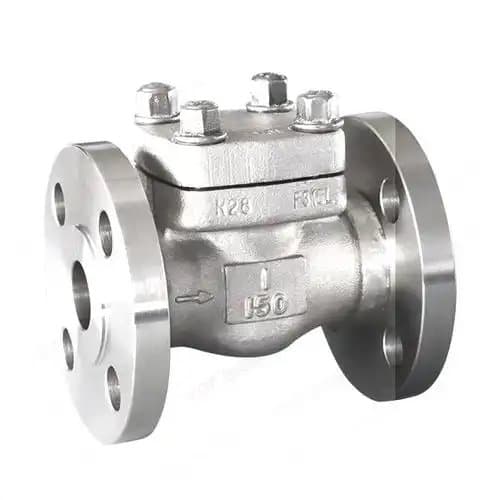
Katup 254SMO-S31254
Mengapa 254SMO Mengungguli Baik 904L maupun Duplex dalam Layanan Klorida Agresif Penambahan nitrogen (0,18–0,22%) adalah yang membedakan 254SMO dari 904L dan menempatkannya di kelas kinerja berbeda. Nitrogen dalam baja tahan karat austenitik melakukan sesuatu yang spesifik dan kuat: ia secara drastis meningkatkan ketahanan pitting tanpa menambah biaya lebih banyak molibdenum. Rumus PREN (Cr + 3,3×Mo + 16×N) menunjukkan ini dengan jelas — nitrogen 0,2% 254SMO berkontribusi 3,2 poin PREN pada bobot 16×, setara dengan menambahkan satu poin persentase penuh molibdenum lagi tanpa biaya bahan baku tambahan. Itu menempatkan 254SMO pada PREN 43+, versus ~35 untuk 904L dan ~42 untuk super duplex 2507. Secara praktis, ini berarti 254SMO menahan inisiasi pitting di air laut pada suhu di mana 904L sudah menunjukkan kepadatan pitting yang terukur. Untuk katup pembuangan pompa tekanan tinggi pabrik desalinasi — di mana air laut hangat (35–45°C) dan siklus tekanan menciptakan turbulensi yang mempercepat kinetika pitting — 254SMO adalah pilihan terbukti yang kembali dipilih operator setelah mencoba setiap alternatif yang lebih murah. Dalam scrubber desulfurisasi gas buang (FGD), media berupa slurry asam sulfat/klorida yang menciptakan korosi asam umum dan korosi pitting klorida lokal secara bersamaan. 316L gagal pada kedua mekanisme tersebut. 904L menangani asam umum tetapi mengalami pitting di zona klorida. Ketahanan gabungan 254SMO terhadap kedua mode serangan menjadikannya material standar katup FGD di pembangkit listrik tenaga batu bara di seluruh dunia — bukan karena ini opsi termurah, tetapi karena ini opsi yang benar-benar tetap beroperasi. Penambahan tembaga (0,5–1,0%) lebih kecil dibandingkan 904L yang 1–2%, tetapi tetap berkontribusi mengurangi ketahanan asam. Dalam asam sulfat yang juga mengandung klorida — skenario media campuran terburuk — molibdenum 254SMO menangani klorida sementara tembaga membantu komponen asam reduksi. Ini tidak sekuat 904L dalam asam reduksi murni (yang memiliki tembaga dua kali lipat), tetapi dalam kondisi campuran, ini menang secara keseluruhan. Kerugian Nyata yang Mempengaruhi Pabrik Anda Biaya sekitar 4–5x 316L dan sedikit di atas 904L. Kandungan molibdenum 6% mendorong harga — molibdenum adalah elemen paduan yang mahal. Dalam aplikasi di mana PREN 904L sudah cukup (air laut ambien, lingkungan klorida moderat), mengeluarkan biaya ekstra untuk 254SMO membuang anggaran. Spesifikasikan di mana kondisi pitting melebihi ambang batas 904L — bukan sebagai peningkatan menyeluruh. Sensitivitas fase sigma nyata dan lebih menonjol dibandingkan 904L karena kandungan molibdenum yang lebih tinggi. Menahan 254SMO pada rentang 600–1000°C bahkan selama satu jam memungkinkan presipitasi sigma di batas butir, yang menurunkan ketahanan korosi dan ketangguhan impak. Untuk fabrikasi katup, ini berarti: anil larutan harus dilakukan dengan benar (1150–1200°C, lalu pendinginan air cepat), dan pekerjaan panas berikutnya tidak boleh mendingin lambat melalui zona bahaya. Tanyakan catatan perlakuan panas pemasok katup Anda — bukan hanya sertifikat kesesuaian, tetapi dokumentasi profil termal aktual. Ekosistem pemasok terbatas. 254SMO tidak diproduksi oleh setiap pabrik baja tahan karat. Sumber utama adalah Outokumpu (Avesta, Swedia), dan beberapa produsen khusus Tiongkok. Pengecoran katup yang menyimpan coran F44 (setara grade tempa ASTM A182) lebih sedikit daripada yang menyimpan 316L atau bahkan 904L. Waktu tunggu untuk ukuran non-standar konsisten 14–18 minggu. Jika Anda membangun proyek dengan katup 254SMO, kunci pesanan coran Anda lebih awal. Tantangan pemesinan. Kandungan nitrogen dan molibdenum yang tinggi membuat 254SMO lebih sulit dimesin dibandingkan baja tahan karat austenitik standar — keausan pahat sekitar 30% lebih tinggi, dan pemecahan chip sulit. Bengkel yang disiapkan untuk produksi 316L akan kesulitan dengan kontrol dimensi pada badan katup 254SMO kecuali mereka menyesuaikan umpan, kecepatan, dan geometri pahat. Strategi Spesifikasi Cerdas Untuk pelepasan pompa tekanan tinggi desalinasi: katup kupu-kupu atau bola 254SMO, Kelas 300–600, dudukan logam dengan lapisan Stellite pada permukaan dudukan. Badan 254SMO menangani air laut; hard-facing menangani erosi dari aliran turbulen. Untuk drainase dan resirkulasi scrubber FGD: katup globe atau gerbang 254SMO, Kelas 150–300. Lingkungan slurry asam/klorida adalah contoh sempurna untuk grade ini. Verifikasi kecepatan slurry tidak melebihi 3 m/s di saluran masuk katup — sinergi erosi-korosi pada kecepatan tinggi menurunkan bahkan 254SMO. Untuk sistem air pemadam kebakaran lepas pantai: katup kupu-kupu 254SMO sebagai alternatif perunggu nikel-aluminium di mana saluran utama pemadam juga membawa air proses hangat. Jika murni air laut ambien, perunggu aluminium menghemat biaya. Jika kimia air campuran, 254SMO mencakup komponen air laut dan...
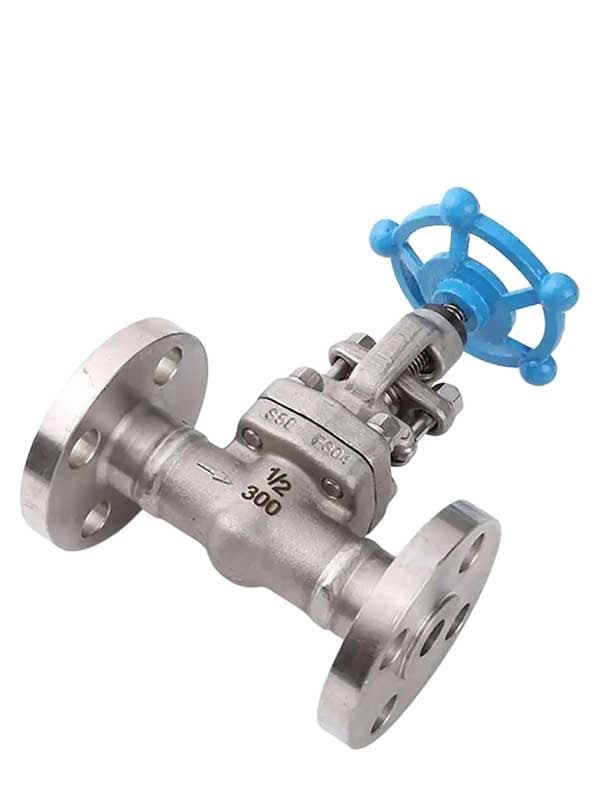
Katup C4-00Cr14Ni14Si4
Mengapa Baja C4 Bertahan dalam Asam Nitrat 98% Ketika Semua Hal Lain Gagal Asam nitrat pekat (di atas 95%, terutama pada 98%+) adalah tantangan korosi yang aneh: sangat oksidatif sehingga mempasivasi sebagian besar baja tahan karat — secara singkat. Masalahnya berasal dari zona transpasif. Pada konsentrasi dan suhu produksi, asam nitrat mendorong baja tahan karat melewati wilayah pasif ke disolusi transpasif, di mana film oksida pelindung itu sendiri teroksidasi dan logam terkorosi pada tingkat yang tidak dapat diterima. 304L dan 316L gagal dalam HNO3 98% pada suhu produksi bukan karena mereka tidak dapat membentuk film pasif, tetapi karena film tersebut larut dalam potensi oksidatif ekstrem. Kandungan silikon 3–5% pada baja C4 mengubah permainan. Silikon membentuk lapisan permukaan yang diperkaya SiO2 yang stabil dalam kondisi transpasif di mana Cr2O3 terurai. Lapisan silikon oksida itu inert secara kimia dalam asam nitrat pekat — tidak larut, tidak teroksidasi lebih lanjut, dan tidak memungkinkan asam nitrat mencapai logam di bawahnya. Hasilnya: laju korosi baja C4 dalam asam nitrat mendidih 98% terukur di bawah 0,1 mm/tahun, sedangkan 304L terukur dalam milimeter per tahun. Industri produksi asam nitrat Tiongkok mengembangkan baja C4 khusus untuk aplikasi ini selama tahun 1980-an — ini adalah pencapaian R&D tingkat nasional yang meraih penghargaan sains dari Kementerian Pertahanan. Metode magnesium nitrat untuk memekatkan asam nitrat (proses dominan di pabrik asam nitrat Tiongkok) beroperasi pada kondisi yang mengalahkan semua standar baja tahan karat Barat. Katup C4 di sirkuit pemekatan tersebut beroperasi selama 8–12 tahun. Itu bukan sekadar anekdot — itu adalah catatan operasional terakumulasi dari puluhan pabrik. Keunggulan lain dibandingkan alternatif: aluminium murni menangani asam nitrat pekat dengan cukup baik, tetapi kekuatan mekanisnya sangat rendah sehingga tidak bisa dibuat badan katup tekanan yang fungsional. Besi cor silikon tinggi (Durcomet 5, konsep kimia serupa) memiliki ketahanan korosi yang baik tetapi rapuh — ketahanan benturan buruk, dan guncangan termal meretakkan coran. Baja C4 memberikan ketahanan korosi dan integritas mekanis untuk membangun katup tekanan yang sesungguhnya. Trade-off yang Membatasi Adopsi Luas Baja C4 Bukan paduan korosi universal. Lapisan oksida stabil silikon C4 unggul dalam kondisi asam pengoksidasi, khususnya asam nitrat pekat. Dalam lingkungan asam reduksi (asam sulfat encer, asam klorida), tidak memberikan keunggulan dibandingkan baja tahan karat standar — dan dalam lingkungan yang mengandung fluorida, rentan seperti paduan lain yang mengandung silikon. C4 adalah spesialis niche, bukan peningkatan umum. Tidak ada penunjukan ASTM/UNS yang mapan. Ini adalah masalah praktis bagi spesifikasi internasional. Baja C4 berasal dari pengembangan metalurgi Tiongkok dan distandarkan di bawah GB (standar nasional Tiongkok). Perusahaan teknik Barat yang mengerjakan proyek asam nitrat Tiongkok dapat menspesifikasikannya dengan penunjukan GB, tetapi tidak ada padanan ASTM untuk referensi proyek non-Tiongkok. Ini membatasi adopsi global meskipun materialnya terbukti berkinerja. Pengadaan internasional sulit. Sebagian besar produksi baja C4 dan manufaktur katup terjadi di pengecoran khusus Tiongkok. Tim pengadaan di Eropa atau Amerika Utara menghadapi pilihan pemasok terbatas dan rantai logistik panjang. Verifikasi kualitas memerlukan inspeksi di lokasi atau hubungan yang mapan dengan pemasok Tiongkok yang memahami ekspektasi dokumentasi Barat. Pengelasan memerlukan filler spesifik. Filler baja tahan karat standar (308, 316) tidak cocok dengan kandungan silikon tinggi C4. Praktik yang direkomendasikan adalah menggunakan elektroda las silikon 奥0.12 (penunjukan Tiongkok) — pada dasarnya filler austenitik silikon tinggi yang serasi. Menemukan filler ini di luar Tiongkok sulit. ER309Si (penunjukan AWS) adalah perkiraan Barat yang wajar, tetapi kandungan silikonnya lebih rendah dari optimal. Annealing larutan pasca-las pada 1050°C diperlukan untuk memulihkan ketahanan korosi penuh. Kesulitan pemesinan. Kandungan silikon 3–5% membuat baja C4 lebih keras dan lebih abrasif daripada baja tahan karat austenitik standar. Umur pahat sekitar 40–50% lebih pendek daripada operasi pemesinan 304/316. Sisipan karbida dengan geometri yang tepat wajib digunakan. Bengkel yang terbiasa dengan baja tahan karat standar akan meremehkan biaya perkakas dan penyimpangan dimensi. Menspesifikasikan Katup C4 untuk Layanan Asam Nitrat Untuk produksi asam nitrat pekat (95–98%): katup gerbang atau globe baja C4, Kelas 150–300, sesuai spesifikasi coran GB 2100. Ini adalah aplikasi yang terbukti. Verifikasi rekam jejak pemasok di pabrik pemekatan asam nitrat aktual — bukan hanya data korosi laboratorium. Untuk tangki penyimpanan dan transfer asam nitrat: C4 berfungsi, tetapi 304L juga menangani...
Gambaran Teknis
Baja tahan karat standar menangani sebagian besar kondisi proses. Namun ketika media bergerak melampaui batas yang dapat ditahan 316L—asam fluorida, asam sulfat pekat, klorin basah panas, asam nitrat 98%, air laut dengan tekanan biofouling—material standar akan berlubang, retak, larut, atau gagal dalam hitungan bulan. Katup paduan ada untuk wilayah tersebut. FLOWKS memproduksi katup dari Hastelloy (C276/C22), Monel (400/K500), Incoloy 825, 904L, 254SMO (S31254), titanium (Grade 2/5/7), zirkonium (R60702), perunggu aluminium (C95400/C63000), nikel murni (N02200/N02201), dan baja C4 (00Cr14Ni14Si4)—setiap paduan menargetkan mekanisme korosi spesifik yang tidak dapat diatasi oleh baja tahan karat. Hastelloy mencakup fluktuasi asam oksidasi dan reduksi. Monel tahan terhadap korosi fluorida dan alkali. Film oksida titanium beregenerasi di lingkungan klorida. Lapisan ZrO2 zirkonium bertahan dalam asam nitrat pekat di mana bahkan oksida Hastelloy pun tidak stabil. PREN 43+ dari 254SMO menjadikannya juara ketahanan lubang di air laut dan scrubber FGD. Film silikon oksida baja C4 menangani kondisi asam nitrat transpasif yang melarutkan lapisan oksida baja tahan karat standar. Menentukan katup paduan bukan tentang peningkatan demi prestise—ini tentang mencocokkan material dengan mekanisme korosi spesifik yang dilemparkan proses Anda. Setiap paduan memiliki kelemahan di samping kekuatannya: titanium gagal dalam fluorida, Monel rentan terhadap asam oksidasi, C4 tidak memiliki padanan ASTM untuk proyek Barat. Katup paduan FLOWKS dipilih oleh insinyur korosi yang tahu persis media apa yang dihadapi katup—bukan oleh tim pengadaan yang mencari "lebih baik dari baja tahan karat."
Katup paduan FLOWKS menangani kondisi proses di mana baja tahan karat standar dan baja karbon tidak dapat bertahan. Katup Hastelloy C276 dan C22 tahan terhadap lingkungan asam oksidasi dan reduksi—desulfurisasi gas buang, alkilasi HF, pemrosesan kimia asam campuran. Katup Monel 400 dan K500 unggul dalam layanan yang mengandung fluorida dan alkali—sirkuit alkilasi HF, pemrosesan kaustik, paparan air laut. Katup titanium (Grade 2, Grade 5, Grade 7) memanfaatkan film oksida yang meregenerasi sendiri untuk aplikasi klorida, klorin basah, dan air laut di mana 316L berlubang dengan cepat. Katup zirkonium (R60702) bertahan dalam layanan asam nitrat pekat melalui film permukaan ZrO2 yang stabil secara kimia. Katup 904L mencakup seluruh rentang konsentrasi asam sulfat dengan kimia nikel tinggi dan molibdenum tinggi. Katup 254SMO (S31254) memberikan ketahanan lubang PREN 43+ untuk air laut, scrubber FGD, dan aliran proses klorida tinggi. Katup Incoloy 825 menangani gas asam dan kondisi korosif multi-elemen dengan pertahanan nikel-kromium-molibdenum yang terkoordinasi. Katup nikel murni (N02200/N02201) adalah pilihan standar untuk layanan soda kaustik dan alkali kemurnian tinggi. Katup kupu-kupu perunggu aluminium tahan terhadap biofouling dan korosi air laut dengan biaya lebih rendah daripada alternatif paduan nikel. Katup baja C4 (00Cr14Ni14Si4) bertahan dalam asam nitrat pekat 98%+ melalui film silikon oksida yang stabil dalam kondisi transpasif. Katup paduan FLOWKS tersedia dalam konfigurasi gerbang, globe, bola, kupu-kupu, periksa, dan diafragma sesuai spesifikasi insinyur korosi.
Unduhan Produk
products.engineeringCalculators
products.calculatorsDesc
Industri Pengguna Produk Ini
Aplikasi di berbagai sektor industri.
Petrochemical
Corrosion-resistant valves for aggressive media in chemical processing plants. FLOWKS alloy and fluorine-lined valves are engineered to handle the most challenging petrochemical environments.
Chemical
Specialized alloy and fluorine-lined valves for highly corrosive and toxic chemical processes. Zero-emission bellows seal valves and exotic alloy construction for the chemical industry.
products.lookingMore
products.lookingMoreDesc
Ball Valves
FLOWKS offers floating ball valve, trunnion mounted ball valve and top entry ball valve for oil & gas, petrochemical and power generation. Designed per API 6D, API 608 and ASME B16.34.
DBB Valves
FLOWKS Double Block & Bleed (DBB) valves provide dual isolation with bleed verification in a single compact body. Replacing traditional multi-valve installations, FLOWKS DBB valves reduce weight, space and potential leak paths. Available in bolted bonnet, all-welded and expanding gate designs per API 6D and API 607.
Gate Valves
FLOWKS gate valves for isolation service in piping systems. Flexible wedge, solid wedge, slab and expanding gate designs per API 600, API 602 and ASME B16.34.
Globe Valves
FLOWKS globe valves for throttling and isolation. Standard, angle, Y-pattern and bellows seal configurations per API 602 and BS 1868.