Mining
Abrasion-resistant valves for slurry, tailings, and mineral processing applications. FLOWKS knife gate valves and butterfly valves are built to withstand harsh mining environments.
Recommended Solutions
Bidirectional Knife Gate Valve
Double-seat bidirectional sealing knife gate valve for critical applications requiring flow from either direction. Metal or resilient seat options.
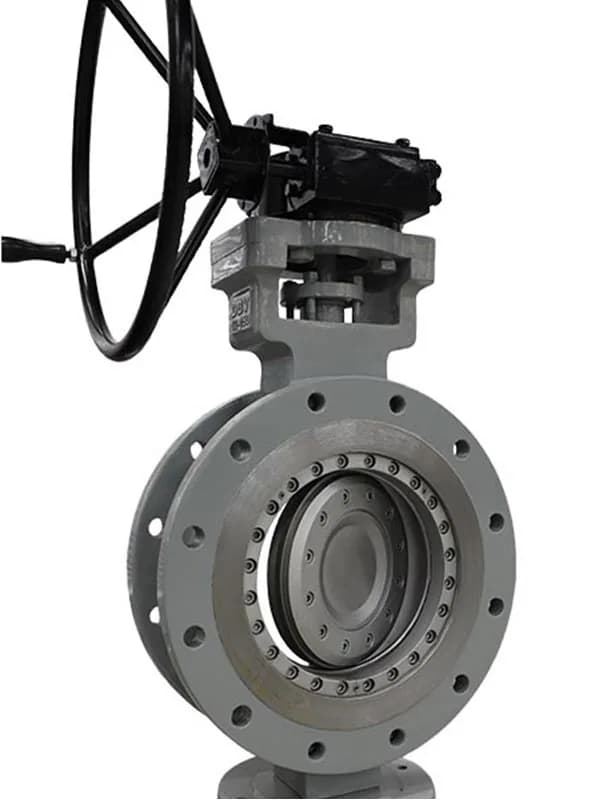
Triple Offset Butterfly Valve
Metal-to-metal seal with zero friction, ideal for high-temperature and cryogenic service.
Dual Plate Check Valve
Compact wafer or lug type dual plate check valve with torsion spring for fast closure.
Pneumatic Knife Gate Valve
Actuated knife gate valve with double-acting or spring-return pneumatic cylinder. Automated on-off control for remote and hazardous locations.
Applications in Mining
Slurry Transport & Tailings Management
Mineral processing plants transport ore slurry (30-70% solids by weight) through pipelines to tailings dams or processing circuits. Knife gate valves isolate slurry lines with full-bore, non-clogging design. Bidirectional knife gates handle reverse flow for line flushing. Abrasion-resistant elastomer liners (natural rubber, polyurethane) extend valve life in high-velocity slurry service.
Flotation & Concentration
Froth flotation circuits separate valuable minerals from gangue using chemical reagents and air bubbles. Slurry feed valves control flotation cell levels. Pneumatically-actuated knife gate valves provide fast on/off isolation for cell maintenance. Reagent dosing uses small precision globe valves. Concentrate thickener underflow uses abrasion-resistant knife gate valves.
Acid Mine Drainage & Water Management
Acid mine drainage (AMD) contains dissolved heavy metals and sulfuric acid (pH 2-4). Lime neutralization plants use PTFE-lined valves for acid handling. Treated water discharge uses corrosion-resistant butterfly valves with epoxy coating. Pump stations use dual-plate check valves to prevent reverse flow on pump shutdown.
Leaching & SX-EW
Heap leaching and solvent extraction-electrowinning (SX-EW) circuits for copper, gold, and uranium use sulfuric acid or cyanide solutions. PTFE-lined or Hastelloy valves handle leach solutions. Solvent extraction uses organic extractants (kerosene-based) requiring fire-safe valves. Pregnant leach solution (PLS) uses corrosion-resistant butterfly valves for flow control.
Industry Standards
Valves -- Pressure-Temperature Ratings
Pressure boundary requirements
Valve Inspection & Testing
Factory testing requirements
Knife Gate Valves
Design and testing of knife gate valves
Industrial Valves -- Pressure Testing
Shell and seat testing
Metal Gate Valves for Waterworks
Australian mining water standard
Materials Available
- ●Ductile Iron + Polyurethane Lining
- ●316SS
- ●Hastelloy C-276
- ●PTFE-Lined Steel
- ●Rubber-Lined Steel
- ●Epoxy-Coated Ductile Iron
- ●Aluminum Bronze
Frequently Asked Questions
Why use knife gate valves instead of gate valves for slurry service?+
What lining materials are used for abrasive slurry valves?+
How are mining valves actuated for remote locations?+
What is the typical service life of valves in slurry applications?+
Related Articles
Technical insights and case studies related to mining applications.