products.productRange
Rangkaian lengkap katup industri untuk setiap aplikasi.
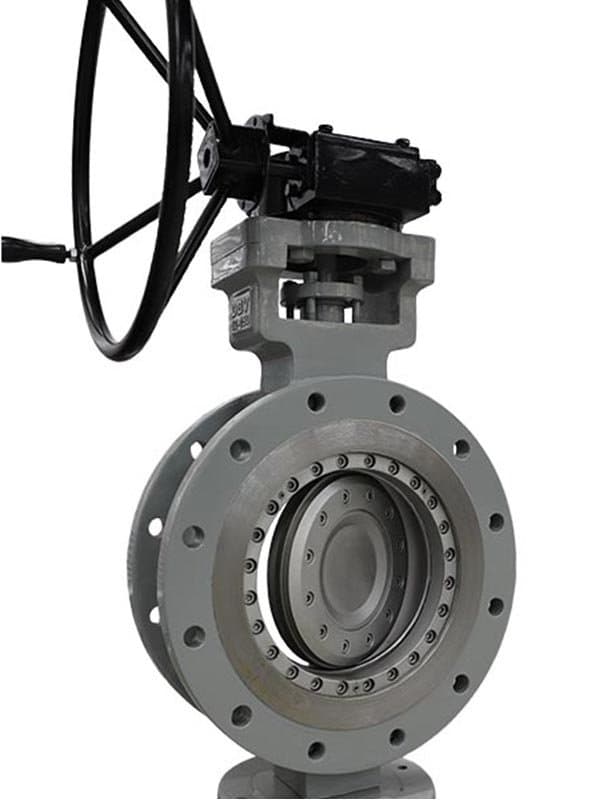
Katup Kupu-kupu Triple Eccentric Metal Seated
2" - 48" (DN50 - DN1200) Kelas 150 - 600 (PN 10 - 100) API 609, ASME B16.34, ISO 15848 (kebocoran rendah) A216 WCB, A351 CF8M, A351 CF8, A182 F316 (tempa untuk ukuran lebih kecil) Logam-ke-logam (lapisan Stellite 6 pada cincin dudukan, tepi cakram yang dikeraskan), tahan api sesuai API 607 Eksentrik tiga kali (poros digeser dari garis tengah pada tiga bidang—aksial, radial, sudut), rotasi cakram aksi-kam menghilangkan gesekan dudukan selama perjalanan 90°, tanpa kontak gesekan hingga 2-3° terakhir penutupan, dudukan logam diberi peringkat untuk layanan suhu tinggi siklik Mengapa Eksentrik Tiga Kali Mengubah Segalanya Kebanyakan katup kupu-kupu bergesekan. Cakram menggores dudukan setiap kali membuka dan menutup. Dudukan elastomer dapat mentolerir gesekan itu—mereka lunak, mereka berubah bentuk, mereka pulih. Dudukan logam tidak. Jika Anda menggosok Stellite melawan Stellite setiap siklus, Anda menggiling permukaan penyegelan sampai bocor. Geometri eksentrik tiga kali memecahkan ini pada tingkat struktural. Poros digeser dari garis tengah cakram pada tiga bidang—aksial, radial, dan sudut. Ketiga pergeseran itu membuat cakram bergerak dalam jalur kam. Saat Anda mulai membuka katup, cakram terangkat dari dudukan segera. Ia berputar bebas melalui hampir seluruh langkah 90° tanpa kontak dengan cincin dudukan. Hanya pada 2-3 derajat terakhir penutupan cakram kembali ke dudukan dan menekannya untuk membentuk segel. Itu berarti lapisan Stellite tidak terkikis siklus demi siklus. Penyegelan logam-ke-logam bertahan ribuan siklus dalam layanan suhu tinggi di mana elastomer akan terbakar setelah minggu pertama. Layanan kontinu pada 350°C ke atas? Paparan jangka pendek melewati 500°C? Di sinilah katup dudukan logam eksentrik tiga kali mendapatkan tempatnya. Ketika Keselamatan Kebakaran Bukan Pilihan Kebakaran di jalur petrokimia bukan hipotetis. Itu adalah skenario yang Anda rancang. Dudukan elastomer terbakar. Mereka melunak. Mereka kehilangan integritas segel saat jalur masih bertekanan. Dudukan logam tidak terbakar. Ia tidak melunak. Ia mempertahankan kontak segel mekanis selama peristiwa kebakaran karena permukaan dudukan adalah paduan yang dikeraskan, bukan karet. Pengujian kebakaran API 607 memvalidasi itu. Katup dibakar, didinginkan, dibakar lagi—dan tetap mempertahankan klasifikasi segelnya. Geometri eksentrik tiga kali juga membantu di sini, karena gerakan penutupan aksi-kam memberikan gaya kontak dudukan yang konsisten dan berulang terlepas dari ekspansi termal atau distorsi pada bodi. Kepatuhan terhadap standar ISO 15848 untuk emisi yang tidak terkontrol melengkapi paket kualifikasi untuk aplikasi penyulingan dan petrokimia. Baik regulator maupun operator pabrik menginginkan hal yang sama—katup yang tidak membocorkan cairan proses ke atmosfer, dan tidak bocor lebih banyak dalam kondisi kebakaran. Katup ini memenuhi kedua hal tersebut. Apa yang Sebenarnya Dilakukan oleh Tiga Offset Mari kita uraikan secara sederhana. Offset aksial menggeser poros ke belakang bidang cakram sehingga cakram berayun menjauh dari dudukan di sisi hilir saat membuka. Offset radial menempatkan poros di luar garis tengah pipa sehingga cakram terangkat secara seragam dengan efek bubungan. Offset sudut memiringkan sumbu poros relatif terhadap bidang dudukan sehingga cakram membuat segel yang semakin rapat pada derajat terakhir penutupan—gaya kontak lebih besar, integritas segel lebih baik, tanpa kompresi berlebih yang dapat merusak dudukan. Ketiganya bekerja bersama. Anda tidak bisa mendapatkan hasil yang sama hanya dengan dua offset. Eksentrik ganda mengurangi gesekan tetapi tidak menghilangkannya. Eksentrik tiga kali lipat menghilangkan gesekan sepanjang langkah penuh kecuali pada zona kontak penyegelan di posisi tertutup. Itulah perbedaan antara dudukan logam yang bertahan satu musim dan dudukan logam yang bertahan bertahun-tahun. J: Ya. Dudukan logam-ke-logam yang dirancang untuk layanan kontinu 350°C+ mencakup jalur uap jenuh dan uap super panas pada rentang Kelas 150-600. Pilih material badan sesuai dengan kimia uap—WCB untuk kondisi standar, CF8M untuk kondensat uap korosif. J: Katup gerbang berfungsi, tetapi berat, lambat dalam langkah kerja, dan mekanisme baji rentan macet setelah lama berada pada satu posisi. Katup kupu-kupu eksentrik tiga kali lipat bekerja dalam 90°, lebih ringan, dan geometri aksi bubungan mencegah penguncian dudukan. Untuk siklus yang sering pada layanan suhu tinggi, katup kupu-kupu adalah pilihan yang lebih baik. A: ISO 15848 mendefinisikan pengujian dan klasifikasi emisi yang tidak terkontrol. Kebocoran rendah berarti katup memenuhi batas laju emisi yang ketat di bawah kondisi pengujian yang ditentukan—siklus suhu, siklus mekanis, dan tekanan berkelanjutan. Untuk pabrik petrokimia yang tunduk pada peraturan emisi lingkungan, kualifikasi ini merupakan persyaratan kepatuhan, bukan label...
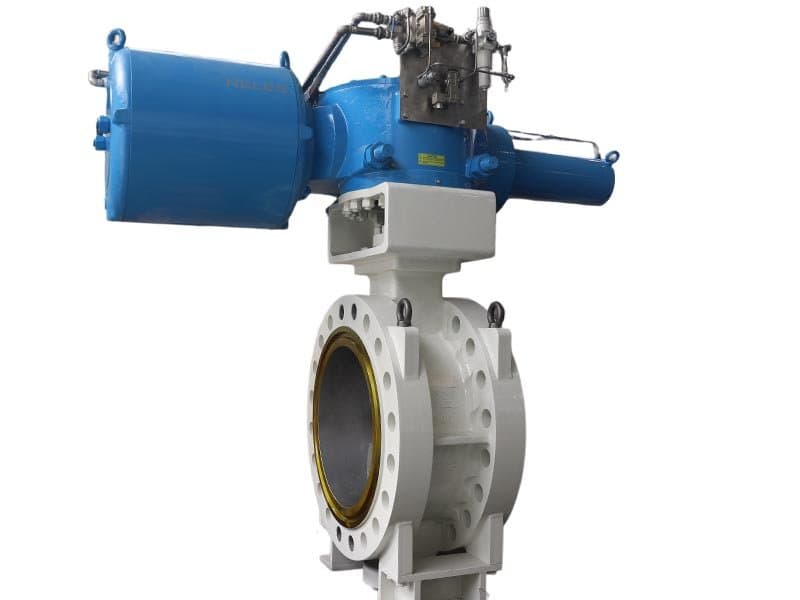
Katup Kupu-kupu Centerline Pneumatik
2" - 24" (DN50 - DN600) Besi cor (GG25), besi ulet (GGG40), A216 WCB, A351 CF8M Liner elastomer yang tangguh (EPDM, NBR, Viton, berlapis PTFE) direkatkan pada lubang badan—cakram menyegel terhadap liner di kedua arah Penyelarasan poros konsentris (garis tengah)—pusat poros, pusat cakram, dan pusat badan semuanya pada sumbu yang sama. Aktuator silinder pneumatik (pegas kembali kerja tunggal atau kerja ganda), posisioner opsional untuk kontrol modulasi API 609, MSS SP-67, EN 593 Katup yang Menjalankan Dasar-Dasar Pabrik Anda Saluran air. Sirkuit air dingin HVAC. Isolasi proses umum di mana medianya tidak panas, tidak abrasif, dan tidak cukup korosif untuk memerlukan katup berkinerja tinggi. Di situlah katup kupu-kupu tengah berada—dan mereka berada di sana karena geometrinya sederhana dan perhitungan ekonominya mudah. Desain konsentris berarti poros, cakram, dan badan semuanya berbagi sumbu pusat yang sama. Cakram berputar di sekitar pusatnya sendiri. Saat menutup, cakram menekan liner elastomer yang direkatkan di dalam lubang badan. Liner membungkus tepi cakram 360°. Itulah penyegelan dua arah yang terintegrasi dalam desain dudukan—tanpa preferensi arah aliran, tanpa kebutuhan untuk mengorientasikan katup berdasarkan sisi tekanan. Anda tidak memerlukan tiga offset di sini. Anda tidak memerlukan dudukan logam. Liner elastomer yang melakukan pekerjaan penyegelan, dan elastomer bersifat fleksibel—berubah bentuk di bawah kontak cakram, pulih saat cakram terbuka, dan terus menyegel setelah ribuan siklus dalam layanan air normal dan proses ringan. EPDM untuk air dan kondensat uap. NBR untuk minyak dan bahan bakar. Viton saat Anda memerlukan ketahanan kimia. Liner berlapis PTFE saat proses menuntut permukaan yang lebih keras dengan kepatuhan elastomer di bawahnya. Mengapa Aktuasi Pneumatik Itu Penting Katup kupu-kupu manual baik untuk jalur yang dibuka dan ditutup beberapa kali per shift. Tetapi pabrik proses tidak lagi berjalan dengan tenaga manual. Kontrol sekuensial. Operasi jarak jauh. Isolasi otomatis pada sinyal interlock. Inilah alasan Anda memasang silinder pneumatik pada katup kupu-kupu garis tengah. Aktuator pegas kembali kerja tunggal memberi Anda posisi fail-safe—pegas menutup katup saat udara hilang, yang merupakan pengaturan default untuk tugas isolasi. Aktuator kerja ganda memberi Anda kecepatan langkah yang lebih cepat dan kontrol penuh di kedua arah, yang cocok untuk layanan modulasi di mana katup memposisikan antara terbuka dan tertutup. Tambahkan posisioner dan Anda mendapatkan kontrol proporsional—sinyal 4-20mA menggerakkan aktuator ke sudut mana pun antara 0° dan 90°. Itu mengubah katup isolasi menjadi katup kontrol untuk pengaturan aliran pada jalur air dan HVAC. Paket pneumatik dipasang langsung ke badan katup melalui braket dan kopling. Tanpa geometri penghubung, tanpa penggerak eksternal. Kompak, bersih, dan torsi aktuator langsung masuk ke poros cakram. Di Mana Garis Tengah Mencapai Batasnya Mari kita jujur tentang apa yang tidak dapat dilakukan katup ini. Lapisan elastomer memiliki batas suhu—EPDM mampu menahan suhu sekitar 120°C secara terus menerus, NBR dan Viton mampu menahan suhu lebih tinggi tetapi tidak melebihi 200°C secara berkelanjutan. Media abrasif akan mengikis lapisan tersebut. Perbedaan tekanan tinggi di sepanjang katup dengan garis tengah tertutup dapat mengubah bentuk cakram dan menyebabkan kebocoran melalui lapisan. Itulah mengapa peringkat tekanan berhenti pada Kelas 150 / PN 10-16. Jika aplikasi Anda melebihi batas tersebut, Anda memerlukan katup berkinerja tinggi atau triple eccentric. Tetapi untuk mayoritas distribusi air, HVAC, dan isolasi proses umum—di mana suhu sedang, tekanan rendah, dan media kompatibel dengan elastomer—katup kupu-kupu centerline pneumatik adalah katup quarter-turn otomatis paling hemat biaya yang tersedia. Tidak ada jenis katup otomatis lain yang memberi Anda isolasi dua arah pada titik harga ini dengan kesederhanaan pemasangan seperti ini. A: Ya, dengan pengatur posisi. Aktuator pneumatik merespons sinyal input 4-20mA dan memposisikan cakram pada sudut berapa pun antara 0° dan 90°. Katup kupu-kupu garis tengah cocok untuk kontrol modulasi pada saluran air dan HVAC di mana presisi tidak perlu sesuai dengan katup kontrol khusus. Jika Anda membutuhkan pengaturan aliran yang ketat, pertimbangkan katup globe sebagai gantinya. A: Katup pegas balik (kerja tunggal) untuk tugas isolasi—katup akan tertutup jika terjadi kehilangan udara, yang merupakan kondisi aman standar untuk isolasi proses. Katup kerja ganda untuk layanan modulasi atau aplikasi di mana Anda memerlukan posisi terbuka jika terjadi kegagalan. Katup pegas balik lebih murah karena Anda hanya membutuhkan pasokan udara di satu sisi silinder. J: EPDM untuk air, kondensat uap, dan layanan kimia ringan—kompatibel dengan sebagian besar aplikasi HVAC dan air kota. NBR untuk...
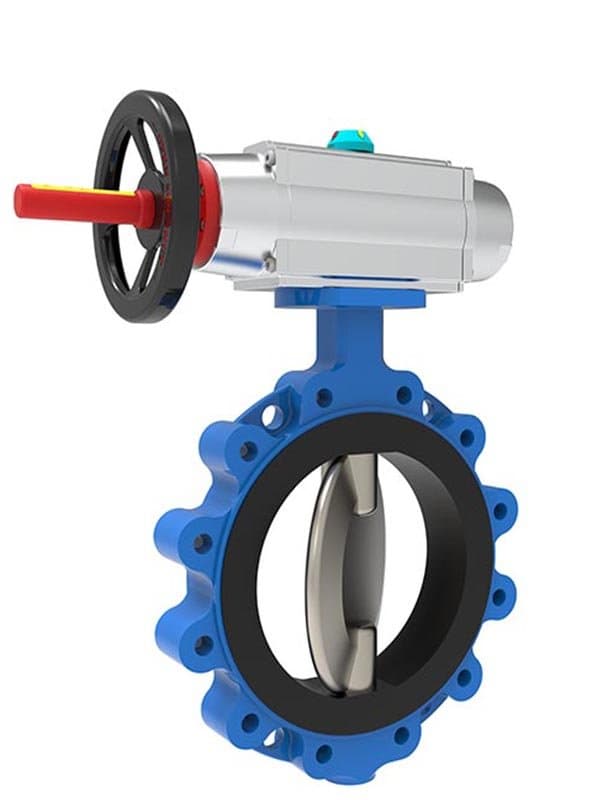
Katup Kupu-kupu Centerline Lug
2" - 24" (DN50 - DN600) Besi cor (GG25), besi ulet (GGG40), A216 WCB, A351 CF8M Liner elastomer tangguh (EPDM, NBR, Viton) terikat pada lubang badan Badan lug—lubang lug berulir pada telinga flensa badan, baut diulirkan ke lug dari setiap sisi secara independen. Memungkinkan servis ujung buntu (satu flensa dilepas, katup tetap terpasang di sisi lain). Penyelarasan poros konsentris, tuas manual atau operator roda gigi. API 609, MSS SP-67, EN 593 Perbedaan Badan Lug yang Dapat Anda Lihat Perhatikan telinga flensa pada katup kupu-kupu tipe wafer. Lubang tembus. Baut melewati badan katup dan masuk ke mur pada flensa pipa lainnya. Kedua flensa tersebut menjepit katup pada posisinya. Lepaskan salah satu flensa dan katup akan longgar—katup dapat bergeser, jatuh, dan tidak dapat menahan tekanan dari sisi yang tersisa. Sekarang perhatikan badan katup. Terdapat lubang berulir di setiap telinga flensa. Baut dari flensa pipa sebelah kiri diulirkan ke dalam lubang di sisi tersebut. Baut dari flensa pipa sebelah kanan diulirkan ke dalam lubang di sisi lainnya. Setiap flensa dibaut ke katup secara independen. Lepaskan satu flensa pipa, katup tetap terpasang pada sisi lainnya. Katup mempertahankan posisinya. Katup menahan tekanan. Katup mengisolasi saluran hilir. Independensi mekanis itulah alasan utama katup kupu-kupu lug ada. Katup wafer lebih murah dan lebih ringan, tetapi memerlukan kedua flensa untuk hadir dan dibaut. Katup lug sedikit lebih mahal dan sedikit lebih berat, tetapi memberi Anda kemampuan isolasi satu sisi yang tidak dapat diberikan oleh badan wafer. Layanan Ujung Buntu dan Pemutusan Saluran Berikut adalah skenario yang terjadi di setiap jaringan distribusi air dan sistem HVAC. Anda perlu mengisolasi cabang hilir untuk perawatan. Anda menutup katup. Anda melepaskan flensa hilir untuk melepas pipa cabang. Katup masih terpasang pada flensa hulu. Tekanan hulu ditahan oleh katup yang tertutup. Saluran hulu tetap beroperasi sementara Anda mengerjakan sisi hilir. Katup wafer tidak bisa melakukan itu. Lepaskan satu flensa dan badan wafer tidak memiliki apa pun untuk dijepit—ia bergeser, bocor, menjadi bahaya. Badan lug mengikat setiap flensa secara independen, sehingga katup tetap tertambat secara mekanis dan tersegel di sisi mana pun yang masih terhubung. Layanan dead-end berarti katup dapat dipasang di ujung jalur dengan hanya satu flensa pipa. Blanking jalur berarti Anda dapat menggunakan katup sebagai titik blanking—tutup, lepaskan hilir, dan katup yang tertutup menjadi terminasi jalur. Kemampuan ini penting pada setiap instalasi di mana Anda tidak mampu mematikan sisi hulu untuk melayani sisi hilir. Dudukan yang Sama, Badan yang Berbeda Di dalam badan katup, mekanisme penyegelannya identik dengan katup kupu-kupu garis tengah wafer. Geometri konsentris—poros, cakram, dan badan berada pada sumbu tengah yang sama. Lapisan elastomer terikat pada lubang badan, cakram terkompresi ke dalam lapisan pada posisi tertutup, penyegelan dua arah dari lilitan lapisan 360°. Pilihan lapisan EPDM, NBR, Viton yang sesuai dengan media Anda. Perbedaannya murni pada konfigurasi flensa bodi. Cakram sama. Dudukan sama. Putaran sama. Batas tekanan dan suhu sama. Tetapi bodi lug memberi Anda fleksibilitas pemasangan yang tidak dimiliki bodi wafer—isolasi satu sisi, layanan ujung buntu, terminasi jalur, pemeliharaan hilir tanpa mematikan hulu. Itulah sebabnya para insinyur HVAC, perancang distribusi air, dan setiap pemasang yang menghargai kemandirian mekanis satu sisi menentukan katup kupu-kupu centerline tipe lug. A: Aplikasi apa pun di mana Anda mungkin perlu melepaskan satu flensa pipa sambil tetap menjaga sisi lainnya tetap beroperasi—isolasi cabang HVVAC, katup cabang jaringan distribusi air, titik terminasi saluran, instalasi ujung buntu. Jika kedua flensa akan selalu tetap terhubung dan Anda hanya membutuhkan katup isolasi berbiaya rendah, tipe wafer sudah cukup. Jika independensi satu sisi penting, tentukan tipe lug. J: Ya, dalam kelas tekanan yang dinilai. Lubang berulir lug menambatkan katup ke flensa yang terhubung, dan liner elastomer menyegel dua arah terhadap kontak cakram. Layanan ujung buntu pada Class 150 / PN 10-16 adalah tugas standar untuk katup kupu-kupu centerline tipe lug dalam aplikasi air dan HVAC. A: Sedikit. Lubang berulir pada dudukan baut menambah material dibandingkan dengan lubang tembus. Perbedaan beratnya minimal pada ukuran 2"-12" dan menjadi lebih terasa pada ukuran yang lebih besar di mana dudukan baut menanggung beban baut yang lebih besar. Untuk sebagian besar instalasi HVAC dan air, peningkatan berat tidak memengaruhi persyaratan penyangga. A: Tentu saja. Silinder pneumatik, aktuator listrik, atau operator roda gigi manual—semuanya memiliki opsi aktuasi yang sama seperti katup garis tengah wafer. Badan lug tidak mengubah antarmuka poros atau geometri langkah seperempat...
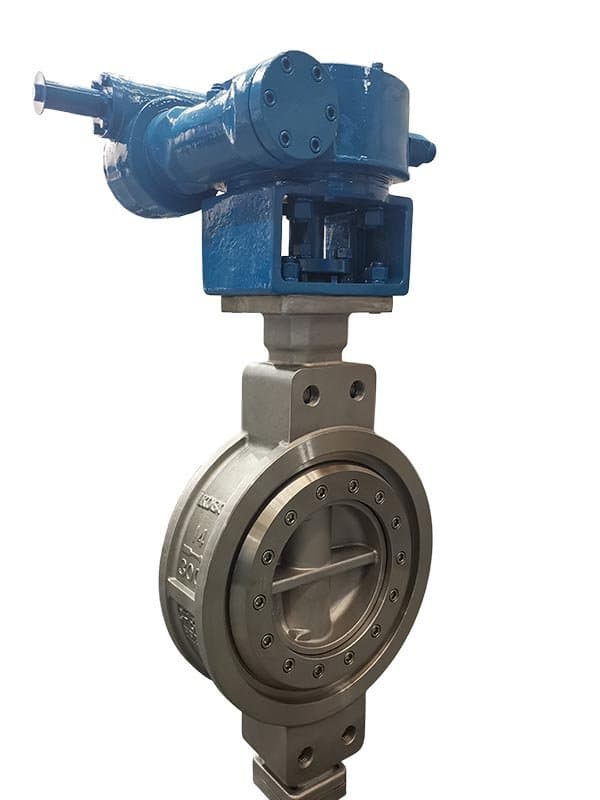
Katup Kupu-kupu Double Eccentric Wafer
2" - 48" (DN50 - DN1200) Class 150 - 300 / PN 10-40 A216 WCB, A351 CF8M, A351 CF8, besi ulet (GGG40) Elastomer tangguh (EPDM/NBR/Viton) pada tepi cakram, atau PTFE/PTFE termodifikasi untuk suhu lebih tinggi; opsional cincin dudukan logam dengan lapisan Stellite untuk konfigurasi suhu tinggi Eksentrik ganda (kinerja tinggi)—poros diimbangi dari pusat cakram dalam dua bidang (aksial + radial). Cakram terangkat dari dudukan selama rotasi awal, mengurangi gesekan dudukan dan memperpanjang umur siklus. Bodi wafer—dijepit di antara flensa pipa. API 609, ASME B16.34, EN 593 Celah yang Perlu Diisi Katup kupu-kupu centerline menyegel dengan baik pada tekanan rendah. Murah, sederhana, dan berfungsi. Tetapi dorong tekanan menuju Class 300 dan cakram mulai berubah bentuk di bawah beban diferensial. Dorong suhu melewati batas yang dapat ditoleransi elastomer dan liner akan terdegradasi. Dorong jumlah siklus hingga ribuan dan gesekan antara cakram dan dudukan mulai mengauskan elastomer. Katup dudukan logam eksentrik tiga menangani semua itu. Mereka menyegel pada Class 600, menangani 350°C+, dan bersiklus logam-ke-logam tanpa degradasi. Mereka juga jauh lebih mahal, dan untuk banyak aplikasi antara batas centerline dan wilayah eksentrik tiga, mereka berlebihan. Itulah celahnya. Eksentrik ganda—yang disebut API 609 sebagai "katup kupu-kupu kinerja tinggi"—mengisinya. Dua offset poros memindahkan cakram dari garis tengah dudukan. Cakram terangkat secara cam selama derajat awal rotasi alih-alih meluncur melintasi permukaan dudukan. Gesekan berkurang. Umur dudukan diperpanjang. Biasanya 3-5 kali lebih banyak siklus sebelum penggantian dudukan dibandingkan desain konsentris. Kemampuan tekanan hingga Class 300. Kemampuan suhu hingga sekitar 250°C dengan dudukan PTFE atau PTFE termodifikasi. Opsi dudukan logam dengan lapisan Stellite untuk layanan suhu tinggi sedang. Semua dalam bodi wafer yang dijepit di antara flensa pipa—format pemasangan paling hemat ruang yang tersedia. Dua Offset, Hasil Nyata Offset aksial menempatkan poros di belakang bidang garis tengah cakram sehingga cakram menjauh dari dudukan di sisi hilir selama rotasi pembukaan. Offset radial memposisikan poros dari garis tengah pipa sehingga cakram terangkat secara seragam saat mulai berputar. Bersama-sama, kedua offset ini menciptakan gerakan aksi cam—cakram terpisah dari dudukan pada derajat awal pembukaan alih-alih menyeret melintasinya. Pengurangan gesekan kontak itulah manfaat utamanya. Pada katup konsentris, cakram menggores liner elastomer sepanjang langkah 90°. Setiap siklus menggores dudukan. Setelah cukup banyak siklus, liner menipis, kehilangan kompresi terhadap tepi cakram, dan mulai bocor. Pada katup eksentrik ganda, cakram hanya menyentuh dudukan dalam posisi tertutup dan selama derajat akhir penutupan. Sisa langkah bebas gesekan. Material dudukan bertahan lebih lama. Interval siklus antara pemeliharaan memanjang. Waktu operasional pabrik meningkat. Dudukan elastomer berada di tepi cakram alih-alih di dalam lubang bodi—itu perbedaan lain dari konstruksi centerline. Dudukan tepi cakram memberi Anda zona kontak segel yang lebih rapat dan lebih jelas. Dudukan PTFE dan PTFE termodifikasi pada tepi cakram mendorong batas suhu lebih tinggi daripada liner elastomer lubang bodi. Cincin dudukan logam dengan lapisan Stellite pada cakram membawa Anda ke wilayah suhu tinggi sedang tanpa melompat ke harga eksentrik tiga. Format Wafer Menjaganya Tetap Ramping Bentuk badan katup wafer berarti katup tersebut terjepit di antara dua flensa pipa. Terdapat lubang tembus pada telinga flensa badan katup. Baut melewati katup dan masuk ke mur flensa pipa di kedua sisinya. Katup tidak memiliki flensa sendiri. Flensa pipa menanggung beban baut. Katup berada di celah di antara keduanya. Hal itu menjadikan katup kupu-kupu eksentrik ganda tipe wafer sebagai katup putar seperempat putaran berkinerja tinggi paling ringkas yang dapat Anda pasang. Dimensi muka-ke-muka mengikuti pola pendek atau pola panjang API 609. Pola pendek cocok dengan ruang muka-ke-muka yang sama dengan katup wafer garis tengah. Pola panjang memberi Anda lubang badan yang lebih panjang untuk karakteristik aliran yang lebih baik pada tekanan lebih tinggi. Apa pun pilihannya, jejak pemasangan lebih kecil daripada katup gerbang berflensa, lebih kecil daripada katup bola berflensa, dan bobotnya juga lebih rendah. Biaya berada di antara garis tengah dan eksentrik tiga kali. Anda membayar lebih daripada katup garis tengah untuk geometri offset ganda dan kemampuan tekanan/suhu yang lebih tinggi. Anda membayar lebih sedikit daripada katup eksentrik tiga kali karena Anda tidak memerlukan tiga offset dan dudukan logam tidak wajib. Untuk jalur proses yang berjalan pada Kelas 150-300 dengan suhu yang melebihi kenyamanan liner elastomer tetapi tidak menuntut dudukan logam-ke-logam tahan api penuh, ini...
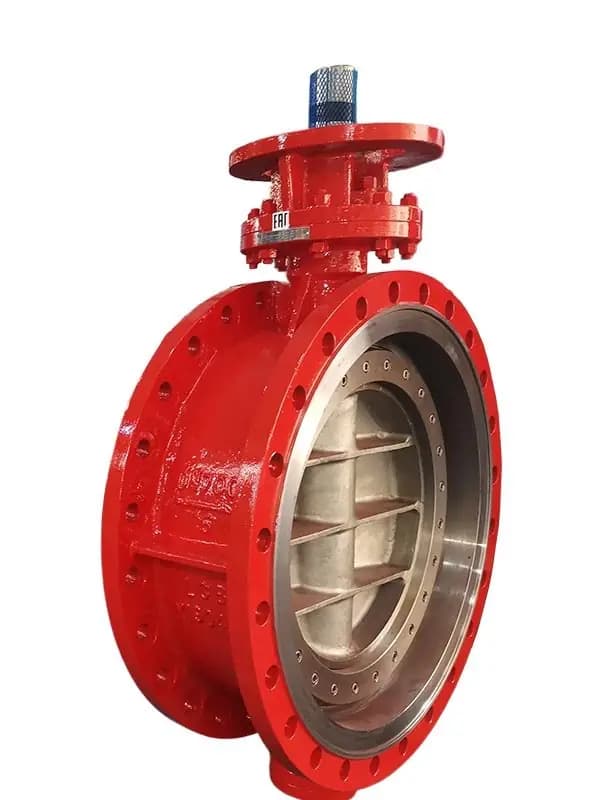
Katup Kupu-kupu Triple Eccentric Multi-layer Seated
Ukuran: 2" - 48" (DN50 - DN1200) Tekanan: Kelas 150 - 600 (PN 10 - 100) Standar: API 609, ASME B16.34, API 607 (tahan api), ISO 15848 Bahan Badan Pesawat: A216 WCB, A351 CF8M, A351 CF8, A182 F316 Dudukan: Dudukan komposit berlapis banyak—cincin dasar baja tahan karat atau Stellite + lapisan penyegel grafit fleksibel + lapisan bantalan elastomer opsional Desain: Geometri eksentrik tiga kali (offset poros tiga bidang), rotasi cakram aksi bubungan Katup eksentrik rangkap tiga dengan dudukan logam mampu menangani suhu tinggi dengan sangat baik. Tetapi pada suhu ruangan? Celah mikroskopis pada kontak logam ke logam berarti kebocoran yang terukur—tidak terlalu buruk, tetapi bukan nol. Katup dengan dudukan elastomer menyegel rapat sempurna pada suhu ruangan, setiap saat. Hingga terjadi kebakaran. Kemudian karetnya terbakar dan tidak ada yang dapat menahan kebocoran tersebut. Dudukan berlapis banyak memecahkan keduanya dalam satu komponen. Cincin dasar baja tahan karat atau Stellite memberikan tulang punggung struktural. Di atasnya duduk lapisan penyegel grafit fleksibel yang menekan tepi cakram—rapat gelembung pada suhu normal. Ketika kondisi kebakaran menghanguskan grafit pada 800°F+, cincin dasar logam di bawahnya masih menahan cakram dan menjaga integritas segel. Itulah sebabnya spesifikasi petrokimia beralih ke dudukan berlapis banyak. Anda tidak memilih antara "rapat pada suhu sekitar" dan "tetap berfungsi setelah kebakaran." Dudukan ini memberikan keduanya. Tiga Offset Melindungi Grafit Eksentrik tiga kali berarti tiga bidang offset antara garis tengah poros dan permukaan penyegel cakram. Digabungkan, mereka menghasilkan rotasi aksi bubungan—cakram terangkat dari dudukan segera alih-alih menggesek di atasnya. Lebih sedikit gesekan berarti lebih sedikit keausan pada lapisan grafit. Jika Anda pernah mengganti dudukan lunak yang tampak seperti diseret di atas amplas, Anda memahami mengapa aksi bubungan penting untuk dudukan komposit. Grafit tahan lama, tetapi tidak tidak dapat dihancurkan. Geometri eksentrik tiga kali melindunginya selama ribuan siklus. Di mana Para Insinyur Menentukan Ini Unit mentah kilang dengan fluktuasi suhu dari kondisi proses 650°F hingga suhu sekitar selama penghentian. Reaktor kimia yang berjalan panas tetapi diisolasi pada suhu kamar untuk perawatan. Katup isolasi tahan api lepas pantai yang juga harus memenuhi kepatuhan emisi ISO 15848. Jika spesifikasi Anda menuntut API 607 DAN rapat gelembung pada suhu sekitar, katup ini memenuhi kedua kotak tanpa katup isolasi sekunder di hilir. Jangan pernah mengencangkan baut flensa secara berlebihan. Lapisan grafit memampat di bawah beban, tetapi tegangan baut yang berlebihan menghancurkannya hingga tidak dapat pulih. Ikuti pola pengencangan silang secara bertahap. Untuk ukuran 24"+ , periksa kompresi dudukan setelah pengencangan awal—jika udara bocor pada uji tekanan ambien, lakukan satu kali pengencangan lagi sebelum grafit sepenuhnya menempel pada tepi cakram. Setelah terkompresi dengan benar, ia akan menahan. A: Ya. Lapisan grafit fleksibel menutup celah mikroskopis yang ditinggalkan oleh dudukan logam-ke-logam murni pada kondisi ambien. Kedap gelembung dapat dicapai dan dapat diulang. A: Grafitnya hangus. Cincin dasar logam mempertahankan kontak penyegelan terhadap cakram. Katup lulus uji tahan api karena cincin logam menyediakan permukaan penyegelan struktural setelah grafit habis terbakar. A: Ya. Lepaskan cakram, cabut cincin dudukan lama, pasang yang baru, lalu pasang kembali. Untuk ukuran 24 inci ke atas, rencanakan dua teknisi dan permukaan yang bersih—tidak ada kotoran di antara grafit dan tepi cakram selama pemasangan kembali. A: Dudukan logam murni lolos uji tahan api tetapi sering kali memungkinkan kebocoran yang terukur pada kondisi ambien. Jika spesifikasi Anda mensyaratkan keduanya—tahan api dan penutupan rapat pada kondisi normal—logam murni mungkin tidak memenuhi persyaratan kebocoran ambien.
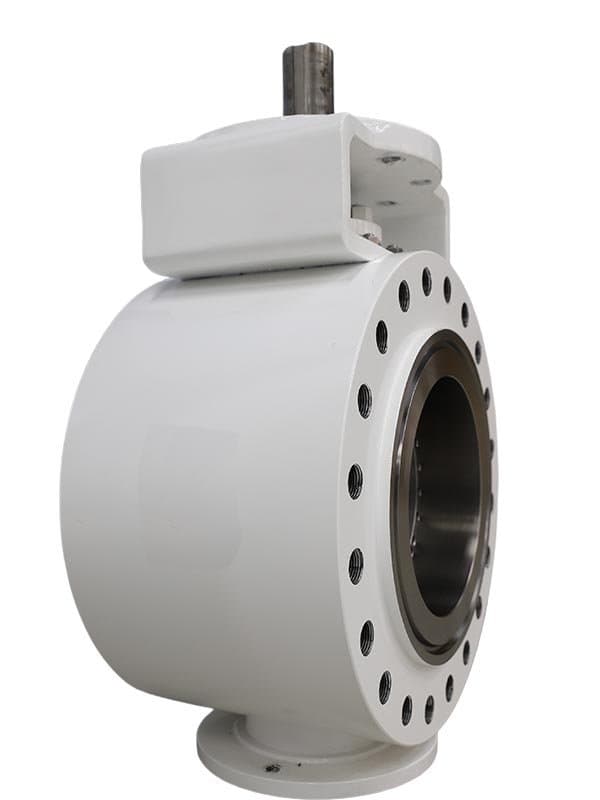
Katup Kupu-kupu Metal Seated Tempa
Ukuran: 2" - 12" (DN50 - DN300) Tekanan: Kelas 150 - 900 (PN 10 - 150) Standar: ASME B16.34, API 609, ISO 15848, API 607 (tahan api) Material Badan: A182 F316 (tempa), A182 F51/F53 (Duplex/Super Duplex tempa), A182 F5/F9/F11/F22 (Cr-Mo tempa), A182 F304 (tempa) Dudukan: Logam-ke-logam (lapisan Stellite 6 atau tungsten carbide pada cincin dudukan dan tepi penyegelan cakram) Desain: Konstruksi badan tempa, geometri eksentrik tiga atau eksentrik ganda Badan cor berfungsi baik pada Kelas 150-300. Ketebalan dinding cukup besar, porositas terdeteksi melalui radiografi, tekanan dapat ditahan. Mendorong melewati Kelas 600 ke wilayah 900 pada katup 4" atau 6", perhitungannya berubah. Porositas coran—rongga mikroskopis dari pembekuan—menjadi titik awal kegagalan di bawah beban tekanan tinggi yang berkelanjutan. Dindingnya tipis relatif terhadap tekanan yang ditanggungnya. Rongga di dinding tipis pada 1500 PSI bukan sekadar masalah kosmetik. Itu adalah retakan yang menunggu untuk dimulai. Penempaan menghilangkan risiko itu. Badan tempa A182 F316 atau F51 memiliki struktur butiran seragam di setiap bagian batas tekanan. Tanpa rongga. Tanpa porositas tersembunyi. Setiap milimeter persegi memiliki kekuatan tarik yang sama, titik luluh yang sama, keuletan yang sama. ASME B16.34 mengizinkan badan tempa dengan peringkat tekanan lebih tinggi dengan keyakinan karena integritas material dapat diprediksi. Kompensasinya: biaya penempaan meningkat seiring ukuran. Badan tempa 12" mahal tetapi dapat diproduksi. Di atas 12", penempaan menjadi tidak ekonomis dan ketebalan dinding meningkat cukup untuk mengelola porositas coran melalui inspeksi RT. Itulah sebabnya produk ini berhenti di 12"—ekonomi membuat coran menjadi rasional di atas ukuran itu. Dudukan Keras yang Tidak Cepat Aus Lapisan Stellite 6 pada cincin dudukan. Tungsten carbide pada tepi penyegelan cakram. Dua permukaan keras yang saling bergesekan setiap operasi. Dudukan logam-ke-logam terdengar seperti akan cepat aus—ternyata tidak, karena geometri eksentrik mengangkat cakram dari dudukan segera saat pembukaan. Tanpa kontak geser. Tanpa goresan. Setelah 10.000 siklus, dudukan masih menahan. Setelah 50.000, keausan masih dalam toleransi. Jalur slurry, pemulihan katalis, aliran abrasif yang menghancurkan dudukan elastomer dalam hitungan minggu—permukaan ini menahan hantaman dan terus menyegel. Duplex untuk Layanan Korosif Badan tempa A182 F51 dan F53 menangani lingkungan klorida yang merusak baja tahan karat standar. Injeksi air laut lepas pantai. Air garam desalinasi. Aliran proses di mana 316L berlubang dalam hitungan bulan. Badan tempa Duplex memberikan ketahanan korosi plus integritas batas tekanan dalam satu spesifikasi. Tanpa coran dengan persyaratan NDE tambahan—tempaan bersih secara definisi. A: Radiografi menangkap porositas yang terlihat, bukan rongga mikroskopis. Pada Kelas 900 dengan badan kecil berdinding tipis, rongga yang terlalu kecil untuk RT masih dapat memicu retakan lelah di bawah beban siklik. Penempaan menghilangkan ketidakpastian itu. A: Badan tempa A182 F22 memiliki peringkat untuk layanan berkelanjutan hingga sekitar 1050°F sesuai ASME B16.34. F5 dan F9 mencakup rentang yang lebih rendah dalam keluarga Cr-Mo. A: Cincin dudukan dapat diganti. Lapisan cakram tidak dapat diperbaiki di lapangan—Stellite dan tungsten carbide memerlukan lingkungan bengkel yang terkontrol untuk aplikasi ulang. Rencanakan suku cadang cadangan untuk layanan kritis. A: Penempaan di atas ukuran 12 inci menjadi tidak praktis secara ekonomi. Persyaratan pengepresan, volume material, dan biaya pemesinan melebihi penerimaan pasar. Ukuran yang lebih besar menggunakan pengecoran dengan NDE (Non-Destructive Evaluation) yang tepat—peningkatan ketebalan dinding mengakomodasi manajemen porositas.
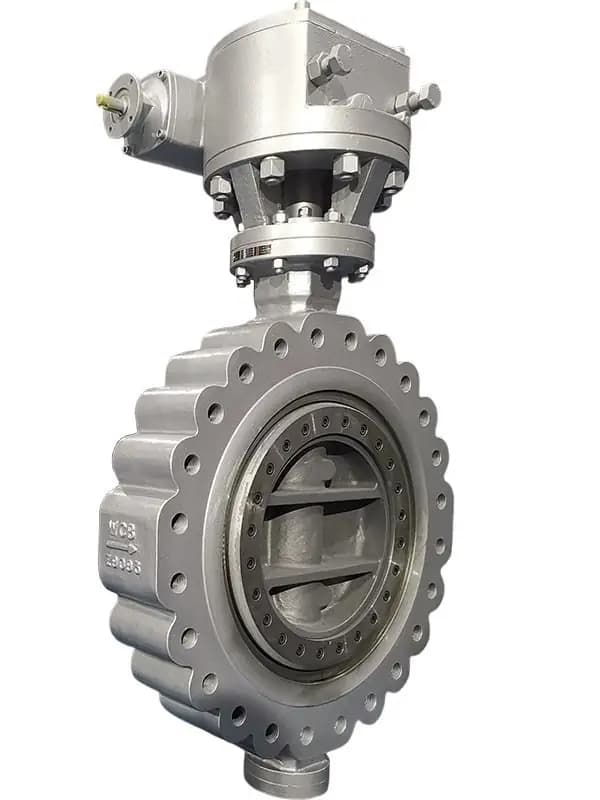
Katup Kupu-kupu Multi-layer Seated Lug
Ukuran: 2" - 24" (DN50 - DN600) Tekanan: Kelas 150 - 300 / PN 10-40 Standar: API 609, API 607 (tahan api), EN 593 Material Badan: A216 WCB, besi ulet (GGG40), A351 CF8M Dudukan: Dudukan komposit berlapis banyak—cincin dasar logam + lapisan penyegel grafit fleksibel Desain: Badan lug dengan telinga flensa berulir, geometri eksentrik ganda atau eksentrik tiga Badan Lug Menahan Dirinya di Dalam Pipa Katup kupu-kupu tipe lug tetap berada di dalam pipa saat Anda melepas baut di salah satu sisinya. Bagian berulir pada badan katup—satu set untuk setiap sisi flensa—menerima baut secara terpisah. Lepaskan baut di bagian hilir, lepaskan bagian pipa, dan katup tetap terpasang. Baut di bagian hulu menahannya. Itulah solusi untuk pipa buntu. Itulah isolasi pipa hilir tanpa perlu melepas katup. Badan wafer tidak melakukan hal ini. Buka baut satu sisi dan katup wafer akan jatuh keluar. Jika Anda membutuhkan isolasi satu sisi—perawatan peralatan hilir sementara hulu tetap bertekanan—Anda membutuhkan badan lug. Titik isolasi kilang, terminal jalur petrokimia, stasiun manifold lepas pantai membutuhkan persis hal ini. Tim perawatan membuka baut satu sisi, bekerja, dan memasang kembali. Katup tidak pernah meninggalkan jalur. Kursi Berlapis Ganda: Rapat pada Suhu Ruangan, Tetap Hidup Setelah Kebakaran Dudukan komposit menumpuk cincin dasar logam di bawah lapisan penyegel grafit fleksibel. Operasi normal: grafit menekan tepi cakram untuk penutupan rapat gelembung. Nol kebocoran terlihat. Sesuai ISO 15848. Kondisi kebakaran: grafit hangus, cincin dasar logam mempertahankan kontak penyegel. Lulus tahan api API 607. Spesifikasi petrokimia semakin menuntut dudukan berlapis banyak pada katup isolasi karena Anda tidak bisa membiarkan katup yang menutup sempurna pada suhu normal tetapi gagal saat kebakaran. Anda juga tidak bisa membiarkan katup yang selamat dari kebakaran tetapi bocor cukup banyak pada suhu normal hingga melanggar kepatuhan emisi. Berlapis banyak mencakup keduanya dalam satu komponen. Tidak perlu katup isolasi sekunder di hilir. Di Mana Kombinasi Ini Penting Titik isolasi kilang dengan akses perawatan hilir dan persyaratan tahan api hidrokarbon. Terminal jalur petrokimia antara unit proses—tahan api dan penutupan rapat keduanya wajib. Instalasi platform lepas pantai di mana badan lug memungkinkan isolasi modul per modul selama kampanye perawatan tanpa melepas katup. Instalasi apa pun yang membutuhkan layanan ujung mati DAN sertifikasi tahan api DAN kebocoran suhu normal rapat gelembung—katup ini memenuhi ketiganya. Baja karbon A216 WCB untuk layanan kilang standar—hemat biaya, menangani Kelas 150-300. Besi ulet GGG40 untuk air dan air limbah di mana baja karbon tidak diperlukan. Baja tahan karat A351 CF8M untuk aliran korosif dan lingkungan klorida. Konfigurasi dudukan berlapis banyak tetap konsisten di ketiga opsi badan. J: Wafer tidak memiliki telinga berulir—baut melewati antara flensa. Buka baut satu sisi dan katup jatuh keluar. Lug memiliki telinga berulir per sisi flensa, memungkinkan pembautan independen dan isolasi satu sisi. A: Ya. Grafit akan hangus akibat paparan api, tetapi cincin dasar logam tetap menjaga integritas penyegelan terhadap cakram. Persyaratan kebocoran melalui dudukan dan kebocoran eksternal terpenuhi. J: Ya, dalam Kelas 150-300. Pembautan independen per sisi memungkinkan pelepasan satu flensa sementara hulu menahan katup di bawah tekanan jalur penuh. Konfirmasikan peringkat ujung mati spesifik untuk ukuran dan material Anda. J: Cincin dudukan dapat diganti. Grafit fleksibel memberikan umur layanan panjang dalam kondisi normal. Jika kebocoran muncul setelah siklus berkepanjangan, ganti cincin dudukan—tidak perlu mengganti katup. Hindari torsi berlebih pada baut flensa saat pemasangan, yang menghancurkan grafit di luar pemulihan. J: GGG40 memadai untuk air, air limbah, dan aplikasi utilitas korosi rendah. Lebih murah daripada WCB, sifat mekanis cukup untuk Kelas 150-300. Untuk layanan hidrokarbon atau korosif, tentukan WCB atau CF8M.
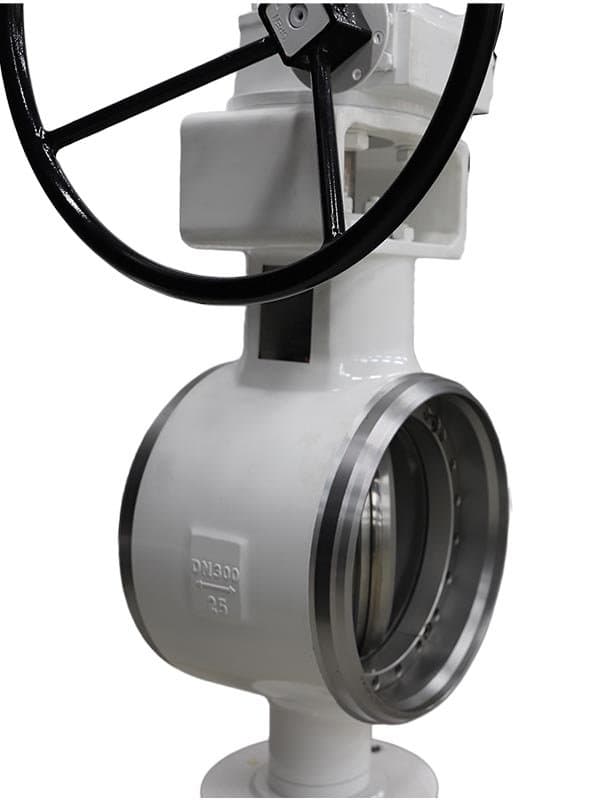
Katup Kupu-kupu Eksentrik Butt Weld
Ukuran: 2" - 24" (DN50 - DN600) Tekanan: Kelas 150 - 600 / PN 10-100 Standar: ASME B16.34, API 609, ISO 15848 Material Badan: A216 WCB, A182 F316 (tempa untuk ukuran lebih kecil), A351 CF8M Dudukan: Logam-ke-logam (lapisan Stellite 6) atau dudukan komposit berlapis banyak (dasar logam + grafit fleksibel) Desain: Sambungan ujung las tumpul (dibevel sesuai ASME B16.25), geometri eksentrik ganda atau eksentrik tiga kali lipat Tanpa Flensa, Tanpa Gasket, Tanpa Jalur Kebocoran Setiap sambungan berflensa memiliki dua titik kegagalan: gasket dan baut. Gasket menua dan terkompresi tidak merata. Baut mengendur di bawah siklus termal, kehilangan pra-tegangan, dan gasket turun di bawah kompresi penyegel—sekarang Anda memiliki jalur kebocoran yang tidak terlihat sampai muncul sebagai emisi atau tetesan di lantai. Pada Kelas 600+, sambungan berflensa membutuhkan pembautan berat dan gasket tebal, dan masih menjadi segel terlemah di jalur. Ujung las butt menghilangkan keduanya. Ujung katup diberi bevel sesuai ASME B16.25. Las langsung ke pipa. Tanpa gasket antara katup dan jalur pipa. Tanpa pola baut yang perlu dirawat. Tanpa jalur kebocoran eksternal. Setelah las dibuat, diperiksa, dan diterima, sambungan itu permanen. Tidak menua. Tidak mengendur. Tidak bocor. Ini penting dalam tiga skenario. Jalur bertekanan tinggi Kelas 600+ di mana setiap flensa adalah item perawatan dan sumber emisi. Instalasi terkubur atau terendam di mana pengencangan ulang baut membutuhkan penggalian. Sistem tahan api di mana gasket terbakar—sambungan las tidak. Dilas Berarti Permanen Komprominya cukup jelas. Katup kupu-kupu yang dilas tumpul tidak dapat dilepas tanpa memotongnya. Ketika Anda mengelas katup ini ke dalam saluran, ia menjadi komponen permanen dari pipa tersebut. Itulah mengapa beberapa instalasi menentukan ujung yang dilas tumpul. Ruang bawah tanah, penyeberangan bawah laut, jalur tahan api bertekanan tinggi di mana Anda menginginkan titik kebocoran eksternal minimum—instalasi permanen adalah pilihan teknik yang tepat. Anda merencanakannya agar tetap terpasang selama masa pakai pipa. Jika instalasi Anda memerlukan pelepasan katup secara berkala, tentukan ujung berflensa. Sambungan las tumpul (butt-welded) digunakan untuk penggunaan permanen. Geometri Eksentrik Melindungi Kedua Jenis Kursi Rotasi cakram aksi kamera dari geometri eksentrik ganda atau tiga mengangkat cakram dari dudukan segera alih-alih menggeser. Untuk dudukan logam-ke-logam Stellite 6, itu berarti tidak ada penggerusan melintasi permukaan keras setiap siklus—lapisan bertahan dalam layanan abrasif dan suhu tinggi. Untuk dudukan komposit berlapis banyak, lapisan grafit tidak terkikis selama rotasi—kinerja rapat gelembung bertahan ribuan siklus. Gesekan dudukan yang lebih rendah juga mengurangi torsi pengoperasian. Aktuator lebih kecil, pengoperasian manual lebih mudah. Pada katup yang dipasang permanen di ruang bawah tanah, torsi yang lebih rendah berarti tidak perlu perbesaran ukuran—berat lebih ringan, perawatan lebih sedikit di lokasi yang sulit dijangkau. A: Tidak ada jalur kebocoran eksternal pada sambungan katup-ke-pipa. Tanpa gasket, tanpa baut, tanpa segel mekanis yang kendor seiring waktu. Sambungan las bersifat permanen dan sesuai kode. A: Hanya dengan memotong lasan. Ini adalah katup pemasangan permanen. Jika aplikasi memerlukan pelepasan berkala, tentukan ujung bergelang. A: Stellite 6 metal-ke-metal untuk penggunaan suhu tinggi, abrasif, atau siklus di atas 500°F di mana sertifikasi tahan api diperlukan dan toleransi kebocoran ambien dapat diterima. Komposit multi-lapisan ketika Anda membutuhkan ketahanan api dan kedap gelembung pada suhu ambien dalam satu katup. A: Ujung katup dimiringkan sesuai ASME B16.25. Prosedur pengelasan, bahan pengisi, dan PWHT harus mematuhi ASME B31.3 atau kode proyek yang berlaku. WCB menggunakan prosedur baja karbon standar. F316 memerlukan pengisi baja tahan karat dan kontrol masukan panas. A: Ya. Ujung las-tumpul lebih disukai untuk pipa terkubur dan terendam—tanpa gasket yang bocor, tanpa baut yang berkarat. Tentukan pelapis eksternal sesuai persyaratan proyek untuk bahan bodi di lingkungan tersebut.
Gambaran Teknis
Katup kupu-kupu memutar cakram 90° di dalam jalur aliran untuk membuka atau menutup—mekanisme seperempat putaran paling sederhana dalam desain katup industri. Kesederhanaan inilah yang membuat katup kupu-kupu mendominasi aplikasi air, HVAC, dan isolasi proses umum: satu bagian bergerak, satu langkah 90°, satu antarmuka penyegelan, jejak ruang minimal, biaya terendah per inci diameter dari semua jenis katup penutup. FLOWKS memproduksi delapan konfigurasi katup kupu-kupu yang mencakup tiga filosofi penyegelan dan tiga format sambungan bodi. Desain konsentris (garis tengah) menyelaraskan poros, cakram, dan bodi pada sumbu yang sama—cakram meluncur melintasi permukaan dudukan selama rotasi, sederhana dan murah tetapi terbatas pada peringkat tekanan dan umur siklus. Desain eksentrik ganda (berkinerja tinggi) menggeser poros pada dua bidang sehingga cakram terangkat dari dudukan selama pembukaan, mengurangi gesekan dan memperpanjang umur dudukan elastomer 3-5x. Desain eksentrik tiga kali menggeser poros pada tiga bidang sehingga cakram hanya menyentuh dudukan pada 2-3° terakhir penutupan—perjalanan tanpa gesekan yang memungkinkan penyegelan logam-ke-logam untuk layanan suhu tinggi dan tahan api. Jenis dudukan berkisar dari pelapis elastomer tangguh (EPDM, NBR, Viton—kedap gelembung, biaya rendah, terbatas suhu) melalui dudukan logam (lapisan Stellite 6—tahan api, suhu tinggi, sedikit kebocoran ambien) hingga dudukan komposit multi-lapis (cincin dasar logam + lapisan grafit fleksibel—kedap gelembung pada suhu ambien DAN tahan api dalam kondisi kebakaran). Sambungan bodi mencakup wafer (dijepit di antara flensa, paling ramping, paling murah), lug (telinga berulir, kemampuan isolasi satu sisi), dan las-tumpul (instalasi permanen yang dilas, tanpa jalur kebocoran eksternal). Opsi aktuasi pneumatik, listrik, hidraulik, dan manual mencakup seluruh rentang kebutuhan otomatisasi proses.
Katup kupu-kupu FLOWKS menyediakan penutupan seperempat putaran di seluruh rentang kondisi proses terluas—dari isolasi air HVAC di Kelas 150 hingga layanan petrokimia bertekanan tinggi bersuhu tinggi di Kelas 900. Katup kupu-kupu konsentris garis tengah dengan pelapis elastomer tangguh memberikan penyegelan dua arah yang hemat biaya untuk aplikasi air, air limbah, dan proses ringan. Katup kupu-kupu eksentrik ganda berkinerja tinggi mengurangi gesekan dudukan melalui rotasi cakram aksi-kam, memperpanjang umur siklus elastomer dan memungkinkan layanan Kelas 150-300 dengan penutupan lebih rapat. Katup kupu-kupu eksentrik tiga kali dengan dudukan logam-ke-logam Stellite menghilangkan elastomer sepenuhnya—diberi peringkat untuk suhu kontinu 350°C+, tahan api sesuai API 607, mematuhi emisi fugitif kebocoran rendah ISO 15848. Dudukan komposit multi-lapis menggabungkan penyegelan kedap gelembung pada suhu ambien dengan cadangan logam tahan api untuk instalasi petrokimia yang membutuhkan kedua kemampuan tersebut. Bodi wafer menawarkan jejak instalasi paling ramping di antara flensa pipa. Bodi lug memungkinkan layanan ujung mati dan isolasi satu sisi melalui telinga flensa berulir independen. Ujung las-tumpul menghilangkan gasket flensa sepenuhnya untuk instalasi bertekanan tinggi permanen dan instalasi bawah tanah. Konstruksi bodi tempa memberikan integritas batas tekanan tanpa cor untuk layanan berat pada ukuran kecil. Aktuasi pneumatik, listrik, hidraulik, dan roda gigi manual tersedia di semua konfigurasi.
Unduhan Produk
Industri Pengguna Produk Ini
Aplikasi di berbagai sektor industri.
Petrochemical
Corrosion-resistant valves for aggressive media in chemical processing plants. FLOWKS alloy and fluorine-lined valves are engineered to handle the most challenging petrochemical environments.
Water Treatment
Reliable flow control solutions for desalination, wastewater, and potable water systems. FLOWKS butterfly valves and check valves are widely used in water infrastructure projects.
LNG
Cryogenic valves engineered for liquefied natural gas processing and transportation. FLOWKS cryogenic service valves are tested to -196degC per BS 6364.
Mining
Abrasion-resistant valves for slurry, tailings, and mineral processing applications. FLOWKS knife gate valves and butterfly valves are built to withstand harsh mining environments.
products.lookingMore
products.lookingMoreDesc
Ball Valves
FLOWKS offers floating ball valve, trunnion mounted ball valve and top entry ball valve for oil & gas, petrochemical and power generation. Designed per API 6D, API 608 and ASME B16.34.
DBB Valves
FLOWKS Double Block & Bleed (DBB) valves provide dual isolation with bleed verification in a single compact body. Replacing traditional multi-valve installations, FLOWKS DBB valves reduce weight, space and potential leak paths. Available in bolted bonnet, all-welded and expanding gate designs per API 6D and API 607.
Gate Valves
FLOWKS gate valves for isolation service in piping systems. Flexible wedge, solid wedge, slab and expanding gate designs per API 600, API 602 and ASME B16.34.
Globe Valves
FLOWKS globe valves for throttling and isolation. Standard, angle, Y-pattern and bellows seal configurations per API 602 and BS 1868.