Product Range
Complete range of industrial valves for every application.
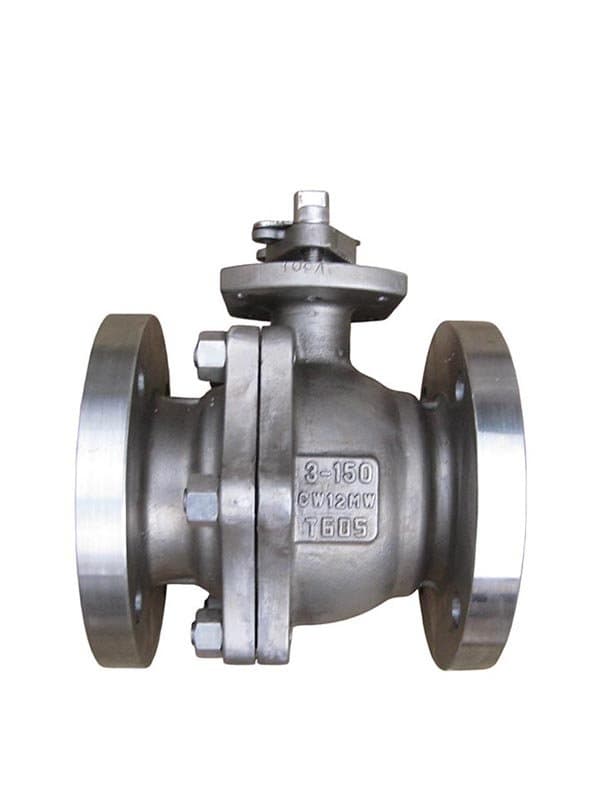
Hastelloy Valve
Quick Specs Why Hastelloy Beats Stainless When Your Process Fluid Can't Be Tamed Let's be blunt. If 316L holds up in your system, you don't need Hastelloy. But if you've already watched stainless valves pit, crack, or dissolve inside six months — you're in the territory where this nickel-molybdenum-chromium alloy earns its absurd price tag. Hastelloy C276 isn't just "better stainless." It's fundamentally different chemistry. The 16% molybdenum content gives it a fighting chance against reducing acids (hydrochloric, sulfuric at concentration levels that eat 316L alive). The 15% chromium and 4% tungsten handle oxidizing conditions. Most materials fail at one end of that spectrum. C276 covers both. That's why it shows up in flue gas desulfurization units — the slurry in those scrubbers swings between oxidizing and reducing depending on oxygen levels, temperature, and pH. A valve that only handles one mode is a valve that fails on shift days. Real-world win: HF alkylation units in refineries. The hydrofluoric acid environment destroys nearly everything. C276 valves in those circuits routinely run 5+ years without internal degradation. That's not marketing — that's plant data from operators who track every replacement. Where It Actually Falls Short (Because No Material Is Perfect) Price. Let's not pretend otherwise. A Hastelloy C276 gate valve costs 8–12x what a 316L equivalent runs. And the lead times? 16–20 weeks for castings if your supplier doesn't stock. That's not a supply chain hiccup — that's the normal state of affairs for a niche superalloy. Welding requires discipline. C276 works fine with GTAW and GMAW using matching filler (ERNiCrMo-4), but interpass temperature must stay below 100°C, and you need aggressive purge gas coverage. Skip the purge? You get oxide lines that become corrosion initiation points. I've seen shops try to fast-track Hastelloy welds the same way they handle stainless — and the radiograph always catches the result. C22 (N06022) is the upgrade if you're fighting crevice corrosion in high-chloride, high-temperature service. It costs even more, but the PREN number jumps significantly. Worth it for offshore seawater duty. Not worth it for a chemical tank where C276 already runs fine. Buying Advice That Actually Helps Don't spec Hastelloy as a "just in case" upgrade from stainless. That's how you burn budget without gaining reliability. Spec it when your corrosion engineer specifically identifies media that stainless can't handle — and document that decision for procurement. Stock one or two common sizes (2" Class 300 flanged gate, 3" Class 150 globe) if your plant runs C276 anywhere. Emergency replacements on this material are a nightmare because foundries don't keep inventory. Having a shelf spare saves you from the 18-week scramble. Check your flange bolting material. Running Hastelloy valve bodies with B7 studs because "it's cheaper" creates a galvanic mismatch in chloride service. Use B8M or matching alloy bolting — the cost difference is small, the failure risk reduction is large. FAQ A: Yes, but it's overkill cost-wise unless you also deal with acidic process streams in the same system. For pure seawater, 254SMO or titanium often gives equivalent performance at lower cost. A: C22 has higher chromium (22% vs 15%) and lower molybdenum (13% vs 16%). Better crevice corrosion resistance in high-chloride oxidizing conditions. C276 is slightly stronger in pure reducing acid environments. Most chemical plants stick with C276. Offshore and marine increasingly spec C22. A: No PWHT required for C276 or C22 — that's one of their actual advantages over some other nickel alloys. Solution anneal only if you need to restore full corrosion resistance after heavy cold working. A: Cast C276 (CW-12MW per ASTM A494) has slightly different chemistry limits but meets the same corrosion benchmarks for most services. For extreme crevice conditions, wrought forgings give a marginal edge due to cleaner microstructure.
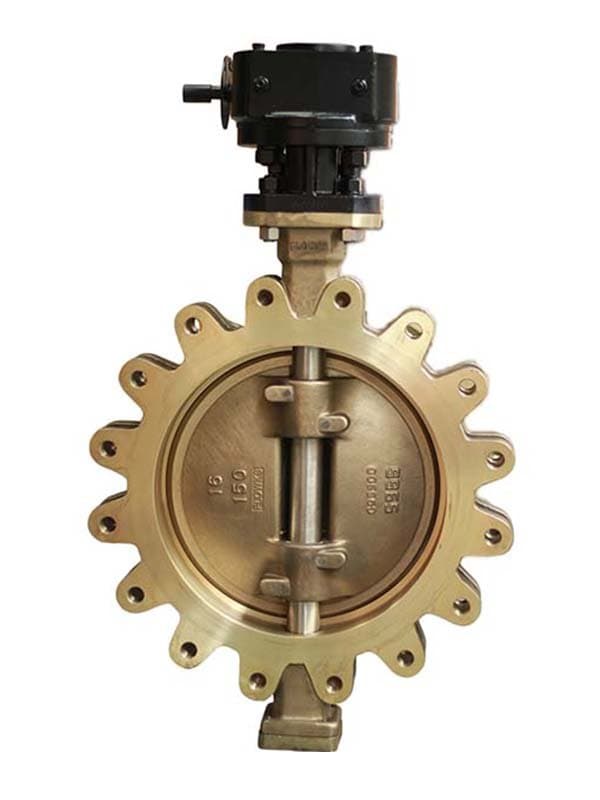
Aluminum Bronze Butterfly Valve
Quick Specs Why Aluminum Bronze Handles Saltwater When Stainless Can't Stay Clean Here's the thing about seawater that catches a lot of engineers off guard: it's not just "corrosive." It's biologically corrosive. The microbiologically influenced corrosion (MIC) in saltwater systems destroys 316L valves faster than most people expect — not because the chloride content exceeds stainless's threshold, but because marine organisms colonize the surface and create localized acid pockets under their biofilm. Aluminum bronze doesn't give MIC the same foothold. The aluminum content (9–11% in C95400) forms a tenacious, self-healing oxide layer that marine organisms struggle to adhere to. Combine that with the copper's natural biocidal properties, and you get a material that stays functional in conditions where stainless needs constant chemical cleaning and inspection. In ship ballast systems — where valves sit partially filled with stagnant seawater for weeks between port calls — aluminum bronze butterfly valves routinely outlast stainless by a factor of 3–4x. Not because the metallurgy is "better" in some abstract sense, but because the actual failure mode in that environment is biofouling-driven localized attack, and this alloy's surface chemistry specifically resists it. Nickel-aluminum bronze (C95500 / C63000, with 4–5.5% Ni) adds strength and improves stress corrosion cracking resistance. For high-pressure seawater fire mains on offshore platforms, that's the grade you want. Straight aluminum bronze (C95400) works fine for lower-pressure ballast and cooling circuits. The Drawbacks No Brochure Talks About Weight. Aluminum bronze butterfly valves are dense — 7.5 g/cm³, which means a 12" valve body weighs noticeably more than a stainless equivalent. On a vessel where every kilogram matters, that's a real consideration, not a footnote. Temperature ceiling. 260°C is your limit. Push past that and the aluminum oxide layer starts breaking down. If your system runs hot condensate or superheated process fluid, this isn't your material — switch to super duplex or nickel alloy. Dezincification is the ghost story people bring up every time you mention bronze valves. Here's the reality: aluminum bronze is specifically formulated to resist dezincification because it doesn't contain meaningful zinc. The "dezincification risk" applies to brass (Cu-Zn alloys), not aluminum bronze. If someone tells you aluminum bronze dezincifies, they're confusing alloy families — and that happens more than you'd think in procurement meetings. Machining is a pain. The aluminum content makes these alloys gummy — tooling wears fast, chip evacuation is difficult, and surface finish demands carbide inserts with positive rake. If your fabricator is set up for stainless and tries to treat aluminum bronze the same way, tool breakage and dimensional drift will show up on the first batch. Practical Selection Tips For desalination plant intake valves: C95400 butterfly in sizes 8"–24" with elastomer-lined seats. The alloy handles the raw seawater, the lining handles the sealing. Don't overthink it — this is the industry-standard combination, and it works. For offshore fire water systems: C95500 or C63000 (nickel-aluminum bronze) with metal-seated butterfly configuration. Higher pressure rating needed, and the nickel addition gives you the tensile strength to hold seat integrity under 10–16 bar fire main pressure. Avoid aluminum bronze in acid process streams. The copper matrix corrodes rapidly in sulfuric and nitric acid environments. This is a seawater material, not a chemical process material. Using it in a chemical plant because "it's corrosion-resistant" without qualifying the media is a mistake that shows up on replacement schedules within months. FAQ A: Yes, but with caveats. Free chlorine above 1 ppm accelerates copper dissolution. Most desalination plants dose 0.5–1 ppm at intake — that's within tolerance. Heavy chlorination for biofouling control (3+ ppm) will shorten service life. Use titanium for those conditions instead. A: EPDM or NBR for standard seawater. Viton if you need oil resistance (bilge systems). PTFE-lined seats for higher temperature duty (up to 200°C). Don't use cheap PVC seats — they harden in saltwater and leak within a year. A: For butterfly valves under Class 300 in seawater, cast C95400 meets all functional requirements. Wrought C63000 gives better mechanical consistency for high-pressure forged bodies. Most butterfly valves are cast by design — the disc and body geometry doesn't require wrought properties. A: No. The natural oxide layer is your protection. Painting or coating aluminum bronze actually reduces its biocidal surface properties. Leave it bare and let the alloy do its job.
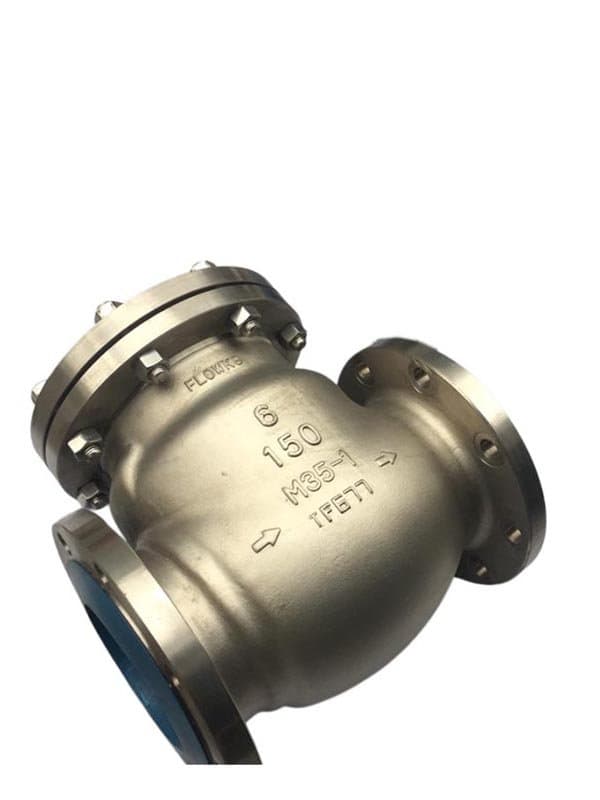
Monel Swing Check Valve
Quick Specs Why Monel Survives Hydrofluoric Acid When Everything Else Dissolves Hydrofluoric acid is the acid that scares experienced corrosion engineers. Not because it's the strongest acid — it's not. But because it attacks the materials people assume are "acid-proof." Stainless? Pitted through in hours at production concentrations. Glass-lined steel? Eventually permeated at weld seams. Titanium? Passable at low concentrations, but risky above 50% and at elevated temperatures. Monel 400 handles HF across concentrations that destroy other metals. The nickel-copper matrix forms a stable passive film in fluorides that other alloy systems can't replicate. In HF alkylation units — the single most demanding HF service in any refinery — Monel swing check valves on the acid circulation circuit run for years. That's not theory. That's decades of operating data from every major HF alkylation plant worldwide. The swing check configuration specifically makes sense in HF service because it's a valve type that minimizes internal cavity volume. Less trapped volume means less acid inventory in the valve body, which reduces both corrosion risk and the hazard exposure if a leak develops. In HF systems, reducing the amount of acid contained in any single component is a safety philosophy, not just a design preference. Monel K500 (N05500) adds aluminum and titanium for age-hardening, pushing tensile strength to roughly 2–3x that of Monel 400. Use it for check valve hinge pins and internal components that take repeated mechanical impact from the swing disc slamming shut. The body stays in 400; the moving parts benefit from K500's hardness. The Real Limitations (Because HF Service Demands Honesty) Cost bracket. Monel sits between high-end stainless and true nickel alloys like Hastelloy. A Monel swing check valve runs 4–5x the price of 316L, but only about half what a C276 equivalent costs. That makes it the "best value" choice for HF — you're paying enough for real protection, but not the premium of a superalloy designed for even more extreme chemistry. Oxidizing acid weakness. Monel's nickel-copper blend is optimized for reducing environments. In nitric acid, it corrodes faster than standard stainless. If your system swings between HF (reducing) and nitric (oxidizing) — rare but it happens in some chemical processing routes — Monel is not your answer. Hastelloy C276 covers both ends. Galvanic risk in mixed-metal systems. Monel is noble on the galvanic series — close to titanium. If you bolt a Monel check valve into a carbon steel pipeline using steel flanges, the steel becomes the sacrificial anode and accelerates its own corrosion right at the connection. Use insulation kits (Gasket + sleeves + washers) at every Monel-to-steel transition, or spec matching Monel flanges for the immediate piping. Machining is deceptively difficult. Monel 400 machines like soft gummy metal — tools drag instead of cutting cleanly, and work hardening builds fast on the surface. K500 is worse after age-hardening. Shops that don't specialize in nickel alloys routinely produce check valve bodies with dimensional errors on the hinge pin bore, which causes the disc to seat unevenly and leak on backflow. Choose a fabricator with documented nickel alloy experience. Selection Wisdom From Actual Plant Experience For HF alkylation acid circulation: Monel 400 body with K500 hinge pin. Swing check, bolted bonnet, Class 300 minimum. Size range 2"–6" covers most acid loop circuits. Don't use welded bonnet — the HF environment demands bonnet access for disc hinge replacement without cutting the valve out of the line. For seawater distillation brine reject: Monel 400 swing check works, but aluminum bronze is more cost-effective for the same corrosion resistance in pure saltwater. Use Monel only if the brine carries traces of HF or other fluorides from upstream process contamination. For caustic soda (NaOH) service: Monel 400 is the traditional choice and still valid, but pure nickel (Nickel 200) outperforms it in concentrated caustic at temperatures above 200°C. Below that threshold, Monel gives you 90% of nickel's caustic resistance at a fraction of the cost. FAQ A: Yes, at concentrations below 50% and temperatures under 80°C. Above that, it corrodes at unacceptable rates. For concentrated sulfuric, look at C4 steel or Hastelloy B2 depending on the specific conditions. A: No. The body's job is corrosion resistance and structural integrity under pressure — Monel 400 handles both. K500's strength advantage matters for moving parts (hinge pin, disc) that take mechanical shock. Mixing 400 body with K500 internals is the industry-standard optimization. A: PTFE envelope gaskets with compressed fiber filler. No elastomers — HF permeates rubber compounds and causes hidden degradation. Graphite gaskets are acceptable for non-HF Monel service but risky in...
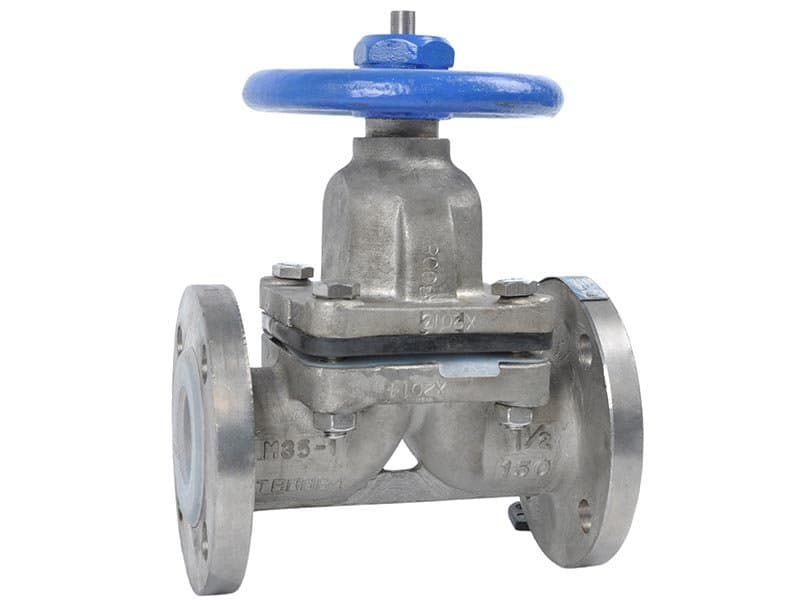
Monel Diaphragm Valve
Quick Specs Why Pure Nickel Diaphragm Valves Dominate in Caustic Soda Plants If you've ever toured a caustic soda (NaOH) production facility, you'll notice something: the valves in the 50% caustic circulation loop are almost always pure nickel diaphragm valves. Not because someone made a trendy choice — because the failure history of every alternative material proved it. Stainless 316L handles dilute caustic at room temperature. Push it to 50% concentration above 150°C — which is exactly where membrane cell caustic plants operate — and 316L develops stress corrosion cracking within months. Nickel 200? It runs for years in the same service. The nickel's inherent resistance to alkaline SCC isn't an alloy trick — it's a fundamental property of the metal itself. The diaphragm valve configuration pairs naturally with pure nickel because diaphragm valves isolate the process fluid from the valve actuator mechanism. In caustic service, this matters for two reasons: (1) caustic leaks are extremely hazardous to personnel, and the diaphragm barrier provides a physical seal between the process and the outside world, and (2) the valve body interior stays clean — no packed gland leaks, no stem packing that caustic can permeate and degrade over time. Nickel 201 (N02201) is the low-carbon variant, and it's the grade you must use above 315°C. Nickel 200 undergoes graphite transformation at sustained temperatures over 315°C — carbon precipitates as graphite nodules that embrittle the structure. Nickel 201's ≤0.02% carbon prevents this entirely. If your spec sheet says "Nickel 200" for a caustic valve running above 300°C, flag it. That's a latent failure mechanism waiting for the next thermal excursion. What Pure Nickel Can't Do (And Where It Fails Quietly) Oxidizing acid environments. Nitric acid, chromic acid, oxidizing chloride solutions — pure nickel corrodes rapidly. The passive film that protects nickel in caustic and reducing conditions doesn't form in oxidizing media. If your process fluid ever swings oxidizing — even transiently during a cleaning cycle — nickel 200 will attack faster than 304 stainless. Sulfur compounds at elevated temperature. Sulfur-bearing environments above 300°C cause nickel to suffer intergranular attack. This is relevant in refinery services where sour gas traces might reach caustic processing equipment through process upsets. Material specs often miss this because "the normal stream is clean caustic" — but upset conditions kill valves. Softness. Pure nickel (99%+) is mechanically soft compared to even 304 stainless. Tensile strength sits around 462 MPa — adequate for low-pressure diaphragm valve bodies, but not for high-pressure forged gate or globe configurations where you need 500+ MPa. That's part of why pure nickel valves are predominantly diaphragm or butterfly types — the geometry works within the material's mechanical envelope. Price volatility. Nickel metal pricing swings hard on commodity markets. A pure nickel valve body's material cost can shift 20–30% between order and delivery. Procurement teams hate this. Budgeting a pure nickel valve project requires pricing locks at order time, not estimates from three months prior. Practical Advice for Specifying Nickel Diaphragm Valves For 50% NaOH at 90–150°C: Nickel 200 diaphragm valve, weir type, PTFE or elastomer diaphragm depending on temperature. This is the textbook application and it works reliably. For caustic above 300°C: Switch to Nickel 201 immediately. No exceptions. Document the temperature limit on the spec sheet so future maintenance teams don't accidentally swap a 200 body into a high-temperature position. For food and pharmaceutical pure water systems: Nickel 200 diaphragm valves give you the lowest leaching risk of any metallic valve option. The near-zero impurity content means nothing migrates into your product stream. Stainless leaches trace chromium and nickel — acceptable for most applications, but not for injectable water or high-purity reagent production. FAQ A: Hastelloy works fine in caustic but costs 3–4x more with no performance advantage in that specific media. The molybdenum and chromium in Hastelloy are there for acid and chloride resistance you don't need in a caustic-only stream. Pure nickel gives you exactly the right resistance at the right price. A: Yes, with matching Nickel 200 filler (ERNi-1). Clean the weld zone aggressively — nickel picks up contamination from surface oils, marker ink, even fingerprints. Sulfur contamination from dirty grinding wheels causes hot cracking. Weld cleanliness discipline isn't optional for pure nickel. A: PTFE-faced diaphragms for service above 120°C. EPDM for lower-temperature caustic (below 100°C). Natural rubber works at ambient temperature but degrades in hot caustic. Never use Buna-N (NBR) in concentrated caustic — it swells and loses sealing force....
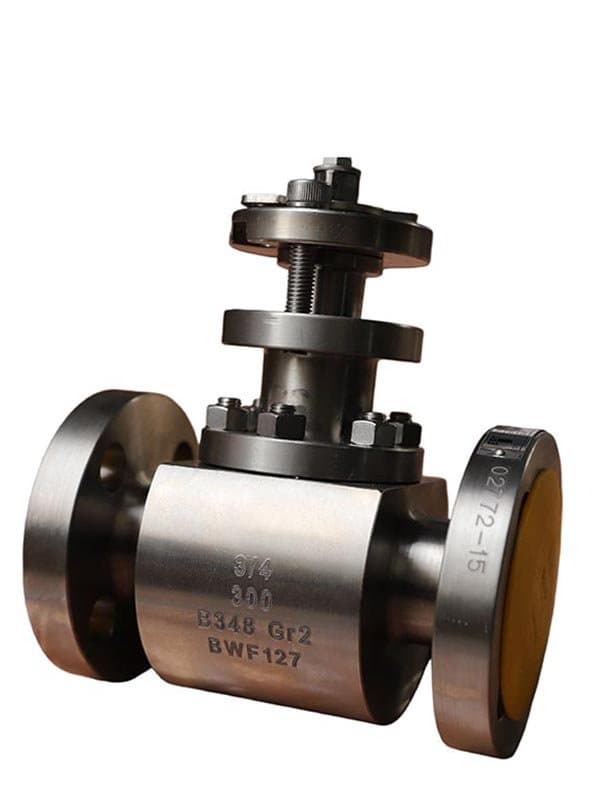
Top Entry Titanium Ball Valve
Quick Specs Why Titanium Ball Valves Win Where Stainless Corrodes and Steel Rusts Titanium's corrosion resistance comes from something deceptively simple: a 10-nanometer oxide film that forms spontaneously in any oxygen-containing environment. That film regenerates instantly if damaged. Scratch a titanium ball valve seat — the surface repassivates within milliseconds. Scratch a stainless seat in the same chloride-rich process stream, and the scratch becomes a pit within hours. That's why titanium ball valves dominate in wet chlorine service. Chlorine production plants, bleach manufacturing, sodium hypochlorite lines — these environments push 316L past its pitting threshold on day one. Titanium Grade 2 runs for decades. The oxide layer is stable in oxidizing chloride conditions that destroy every other common engineering metal. In desalination plants, the story is similar but the economics shift. High-performance stainless (254SMO, 904L) can handle the seawater — but titanium gives you a weight advantage that matters on offshore platforms where every kilogram of valve inventory affects structural loading. A 6" Grade 2 titanium ball valve weighs roughly half what a 254SMO equivalent weighs. On a floating production system, that savings compounds across hundreds of valves. Grade 7 (Ti + palladium) is the secret weapon for reducing acid environments where even Grade 2 struggles. The 0.2% palladium addition shifts the corrosion potential, allowing the oxide film to maintain stability in reducing conditions. It costs more than Grade 2 — but in mixed oxidizing/reducing acid streams, it prevents the crevice corrosion that standard titanium develops in stagnant pockets. The Drawbacks That Make Engineers Second-Guess Titanium Galling. Titanium-on-titanium sliding surfaces gall catastrophically. Ball valve seats that have the ball and seat both in titanium will seize under load unless you address this. The industry solution: hard-coat the ball (chrome oxide or tungsten carbide overlay) or use a dissimilar seat material (PTFE or reinforced PEEK). If your valve supplier quotes a "all-titanium" ball valve without specifying surface treatment on the seating surfaces, ask questions before ordering. Fluoride vulnerability. Titanium's oxide film dissolves in fluoride-containing environments. Hydrofluoric acid obviously — but also less obvious sources: fluoride traces in cooling water (some municipal supplies carry 1–2 ppm), fluoride in certain phosphate processing streams. If fluoride is present at any meaningful concentration, titanium corrodes. Hastelloy C276 handles fluoride; titanium doesn't. This is a binary distinction — no middle ground. Hydrogen embrittlement at elevated temperature. Above 300°C in reducing environments, titanium absorbs hydrogen, which causes embrittlement. In normal seawater and oxidizing acid service this isn't a concern, but in hot reducing gas streams (refinery hydrogen service, syngas) it's a real failure mechanism. Cost and availability. Grade 2 titanium isn't cheap — roughly 3–4x stainless pricing for raw material. Cast titanium valve bodies have limited supplier options worldwide; most titanium valves are wrought-forged configurations. Lead times for forged titanium ball valves in uncommon sizes run 12–16 weeks. Galvanic nobility. Titanium sits at the noble end of the galvanic series. Couple it to steel, copper, or aluminum flanges without insulation, and those less-noble metals corrode aggressively at the joint. Every titanium-to-steel flange connection needs a full insulation kit, or you're creating a localized corrosion cell that attacks the piping, not the valve. How to Spec Titanium Ball Valves Without Getting Burned For seawater service offshore: Grade 2, PTFE-seated, Class 300, sizes 2"–10". Hard-coated ball (Cr2O3 overlay). Insulation kits at every steel flange connection. This is the proven formula. For wet chlorine / bleach production: Grade 2, metal-seated with tungsten carbide coating on the ball, reinforced PTFE seat. The chlorine environment doesn't attack PTFE at normal bleach production temperatures, and the coated ball eliminates galling risk. For mixed acid service where reducing conditions appear: Grade 7 (Pd-enhanced). The palladium cost adds roughly 30% to the valve price, but it's the only way to prevent crevice corrosion in stagnant acid pockets. Don't try to save money by using Grade 2 here — you'll replace the valve in 18 months. FAQ A: Grade 2 handles dilute sulfuric (below 5% concentration) at moderate temperatures. Concentrated sulfuric attacks titanium. Grade 7 extends the range somewhat but still isn't the right choice for concentrated sulfuric. Use Hastelloy B2 or C276 for that service. A: Grade 5 gives roughly 2x the tensile strength of Grade 2 — useful for high-pressure Class 600+ service or where mechanical shock is expected. But Grade 5 has...
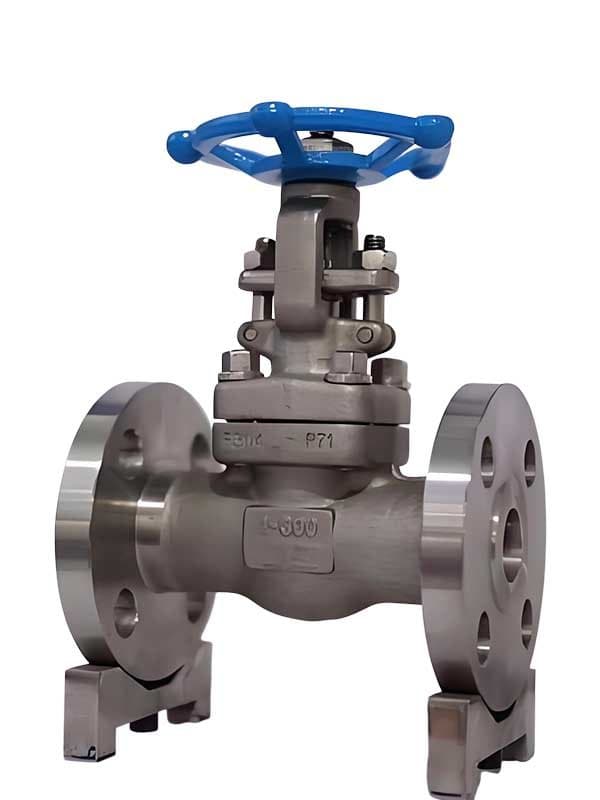
Zirconium-Valve
Quick Specs Why Zirconium Handles Nitric Acid Like Nothing Else Exists There's a hierarchy in corrosion-resistant metals, and zirconium sits near the top — below only tantalum in raw acid resistance, but at a fraction of tantalum's cost. In concentrated nitric acid service (the stuff above 65% that eats through stainless, monel, and even titanium at elevated temperatures), zirconium is the practical choice. The mechanism is straightforward: zirconium forms an extraordinarily stable, dense oxide film (ZrO2) that adheres to the metal surface with a binding energy most other oxide films can't match. That oxide doesn't dissolve in nitric acid at any commercially relevant concentration or temperature. In 98% boiling nitric acid, zirconium's corrosion rate measures below 0.025 mm/year. Stainless 304L in the same conditions? You can measure the weight loss in grams per day. This is why nitric acid concentration plants — the final stages where acid goes from 65% to 98% — specify zirconium for critical valve positions. The process runs at 80–150°C in acid concentrations that disintegrate other metals. Zirconium valves in those circuits hold up for 10+ years with negligible material loss. Zirconium also shines in organic acid processing. Acetic acid at production temperatures and concentrations corrodes stainless at rates that force annual valve replacement. Zirconium in the same service? Barely measurable corrosion. The urea synthesis industry uses zirconium valves in high-pressure carbamate service where the combination of ammonia, CO2, and water at 200°C creates a corrosive cocktail that defeats most alternatives. Where Zirconium Falters (Critical Knowledge for Survival) Fluoride ions. This is zirconium's Achilles heel, and it's absolute. Even trace fluoride (0.05 M NaF in nitric acid) causes the ZrO2 film to dissolve, exposing bare metal to rapid attack. If your process stream contains any fluoride — from raw water, from phosphate contamination, from any source — zirconium corrodes. No debate, no workaround, no "small amount is tolerable." Hastelloy C276 is the alternative for fluoride-bearing streams. Cost structure. Zirconium raw material costs roughly 6–8x stainless pricing. The valve body cost is high, but the real budget pain comes from fabrication — zirconium is extremely reactive at forging temperatures and must be worked in inert atmosphere. Most shops aren't equipped for this. Valve suppliers who stock zirconium configurations are rare, and custom orders take 20+ weeks. Welding demands absolute purity control. Zirconium absorbs oxygen, nitrogen, and hydrogen from the atmosphere during welding. These dissolved gases embrittle the weld zone permanently — no post-weld treatment reverses it. Welding must be done under full inert gas shielding (argon, triple-purged), and the heat tint on the back side of the weld must be silver to straw-colored. Blue or gray discoloration means oxygen contamination, and that joint is compromised. I've seen zirconium welds rejected on visual inspection alone — no radiograph needed, the color tells the story. Mechanical strength. Zirconium 702's tensile strength (380 MPa min) is modest compared to stainless (485+ MPa for 304). It's adequate for Class 150–300 valve bodies, but you won't find zirconium in Class 600 high-pressure forged configurations. Zr 705 (with 2–3% niobium) pushes tensile strength to ~480 MPa — use it when you need higher pressure ratings, but verify the niobium addition doesn't affect corrosion resistance in your specific media. Specifying Zirconium Valves Without Expensive Mistakes For concentrated nitric acid (65–98%): Zirconium 702, Class 150 or 300, globe or gate configuration. Verify fluoride absence in the process stream — test, don't assume. One fluoride contamination event and the valve body is scrap. For acetic acid synthesis at production temperature: Zr 702 diaphragm or ball valve. PTFE seating. This application is well-proven and the zirconium cost pays back within 2–3 years versus stainless replacement cycles. For urea high-pressure carbamate service: Zr 705 (niobium-strengthened) for the higher mechanical demands. Class 300 minimum. Verify your valve supplier has actual urea plant references — not just lab test data. FAQ A: In many acid services, yes. Zirconium gives tantalum-equivalent corrosion resistance in nitric, sulfuric, and organic acids at roughly 1/3 to 1/4 the cost. The exception: any fluoride presence. Tantalum resists fluoride; zirconium doesn't. If your process has even trace fluoride, zirconium is disqualified. A: Test regularly — fluoride at 1 ppm concentration in the process media is enough to compromise zirconium. Don't rely on raw material specifications alone. Process upsets, cleaning chemical residues, and feedstock contamination can introduce fluoride that wasn't in the design basis. A: Yes, up to...
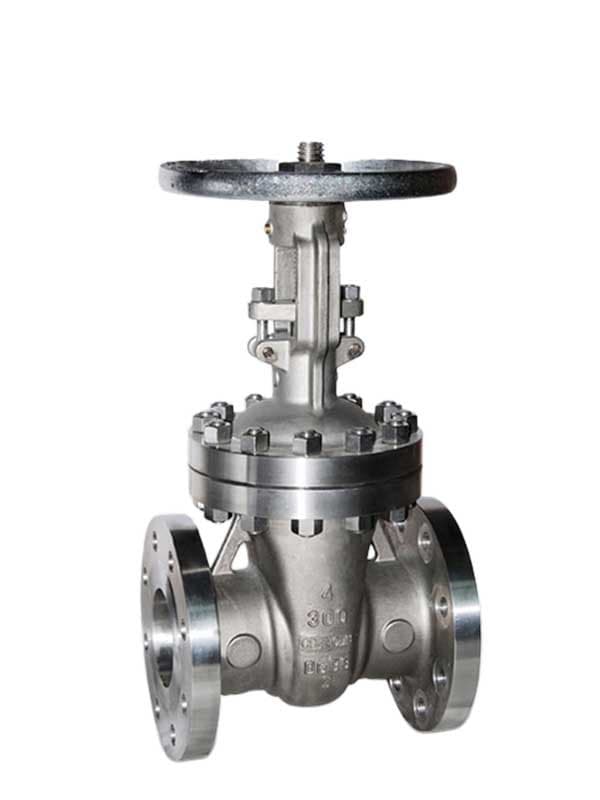
Incoloy-Valve
Quick Specs Why Incoloy 825 Is the Smart Middle Ground Between Stainless and Hastelloy Incoloy 825 sits in a sweet spot that most spec sheets miss because they're comparing extremes — "316L or Hastelloy?" — without considering the middle. 825 gives you roughly 80% of Hastelloy C276's corrosion resistance at roughly 40% of the cost. That math makes it the right choice for a wide band of applications where 316L fails prematurely but C276 is overkill. The chemistry tells the story. 38–46% nickel gives SCC resistance in chloride environments. 20% chromium handles oxidizing conditions. 3% molybdenum adds pitting resistance. 2% copper — the distinctive element — boosts performance in reducing acids like sulfuric. And 1% titanium stabilizes against sensitization during welding. It's not the champion in any single category, but the combination covers a broader range of corrosive conditions than any single-attribute specialist alloy. In sour gas service (H2S-containing natural gas production), Incoloy 825 valves hold up where 316L develops sulfide stress cracking and where running Hastelloy C276 would blow the budget on every wellhead. The NACE MR0175/ISO 15156 standard explicitly approves Incoloy 825 for sour service — that's not a theoretical acceptance, it's based on decades of field performance in Gulf of Mexico and Middle East production. Sulfuric acid processing at moderate concentrations and temperatures is another core application. 825 handles sulfuric acid up to roughly 50% concentration across a wide temperature band, which covers most production plant conditions. Beyond 50% and at elevated temperatures, you'd shift to Hastelloy — but most sulfuric acid plants don't actually run in that extreme zone. The Limitations That Keep It From Being a Universal Solution Not a true superalloy. Incoloy 825's pitting resistance (PREN ~31) falls short of both 254SMO (PREN ~43) and Hastelloy C276 (PREN effectively 65+). In aggressive chloride pitting environments — high-temp seawater, concentrated brine — 825 can pit where those higher-performing alternatives hold steady. If your service is pitting-dominated, don't spec 825 as the "cost-effective compromise" — it'll compromise your plant reliability. Crevice corrosion vulnerability. The copper and molybdenum levels give decent general corrosion resistance, but under gasket surfaces, under bolt heads, in any crevice where oxygen can't reach the surface to maintain the passive film, 825 is more vulnerable than 254SMO or Hastelloy. In seawater heat exchanger valve applications where crevice geometry is inherent, this matters. 800-series (800/800H/800HT) — the high-temperature variants — are not corrosion alloys. They're strength alloys designed for sustained high-temperature structural service (furnace components, superheater tubing). If you need corrosion resistance at high temperature, 825 is still your Incoloy grade. If you need strength at 700°C in a relatively clean environment, 800H is the right choice. Confusing these two families is a common specification error. Welding considerations. Incoloy 825 welds readily with standard GTAW/GMAW using ERNiCrMo-3 (Alloy 625) filler — that's the recommended matching wire, not a literal chemistry match. The filler overmatches the base metal in corrosion resistance, which protects the weld deposit. But interpass temperature should be controlled, and heavy section welds benefit from stress relief at 540–650°C. How to Get the Most Out of Incoloy 825 Valves For sour gas wellhead service: Incoloy 825 gate or ball valve, Class 600–900, per NACE MR0175 hardness limits (HRC 22 max). Verify the valve supplier's NACE certification — not just the material mill cert. The fabrication process (welding, heat treatment) must also meet NACE requirements. For sulfuric acid plant general service: 825 globe or diaphragm valve, Class 150–300. Covers up to 50% H2SO4 across the typical production temperature range. If your acid concentration exceeds 50%, or if the temperature runs above 80°C in concentrated acid, upgrade to Hastelloy C276 at those specific valve positions — not everywhere. For seawater service onshore: 825 works in ambient-temperature seawater, but 254SMO or titanium give better pitting resistance for the same cost bracket. Reserve 825 for seawater service only when you also need resistance to acidic process streams in the same system. FAQ A: Yes. "Incoloy" is a Special Metals Corporation trademark. "Alloy 825" is the generic designation per UNS N08825. Functionally identical. Some spec sheets list both names to avoid trademark issues. A: In corrosion-dominated services, yes — it's a meaningful upgrade. But if your 316L valves aren't failing, upgrading to 825 wastes budget without adding value. Spec it where 316L has documented failure history, not as a preventive "better-than" choice. A: Inconel 625 (N06625) has...
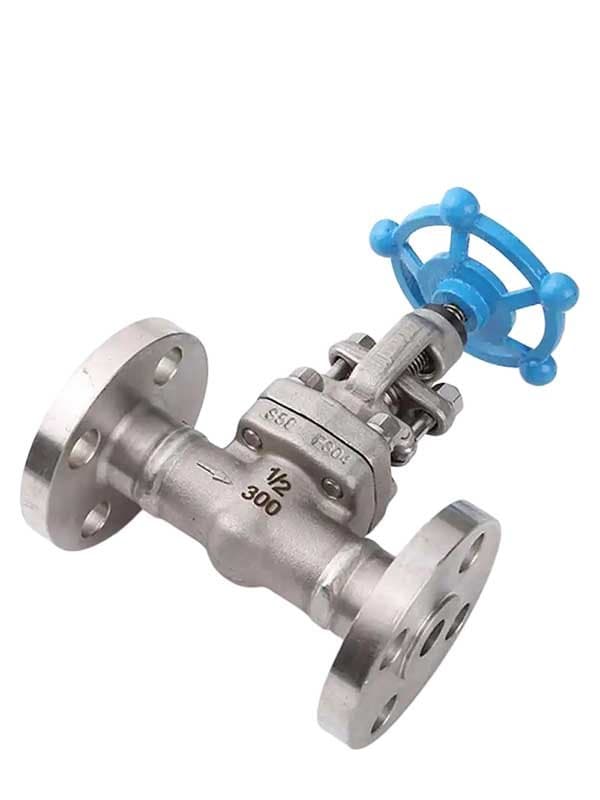
904L Valve
Quick Specs Why 904L Handles Sulfuric Acid Across the Full Concentration Range Here's a fact that surprises engineers who haven't worked in sulfuric acid plants: dilute sulfuric is more corrosive to stainless than concentrated. At 10–30% concentration, sulfuric attacks stainless aggressively, while at 90%+ concentration, 316L actually handles it reasonably well (the concentrated acid is less ionically active). 904L is the alloy that covers the entire 0–100% concentration band at temperatures up to about 35°C. That copper addition (1–2%) is what makes this possible. Copper improves resistance in reducing acid conditions — the same sulfuric acid dilute zone where 316L's chromium-only passive film breaks down. The 4.5% molybdenum handles pitting in the intermediate concentration ranges. The 25% nickel provides SCC resistance in the chloride-bearing acidic environments. It's a three-element coordinated defense that standard austenitic stainless just can't replicate. In pulp and paper bleach plants, 904L valves replaced 316L decades ago — the chloride-rich, acid-shifted bleach processing environment destroys 316L through pitting and crevice attack within 1–2 years. 904L in the same positions runs 5–8 years. That's not a marginal improvement; that's a qualitative change in maintenance planning. Pharmaceutical clean-in-place (CIP) systems increasingly spec 904L because the cleaning cycles swing between caustic (alkali) and acid (phosphoric or sulfuric) at elevated temperatures. 904L handles both swings where 316L develops micro-pitting during the acid phase that becomes bacterial harboring points — unacceptable in sterile manufacturing. Where 904L Comes Up Short Against Real Competitors Not the pitting champion. 904L's PREN sits around 34–35. 254SMO hits 43+ with its 6% molybdenum and nitrogen addition. In aggressive chloride pitting environments (hot seawater above 40°C, concentrated brine processing), 904L pits where 254SMO holds. If your failure mode is specifically chloride pitting, 254SMO is the correct spec, not 904L. Temperature ceiling in acid service. Above 35°C in sulfuric acid across the full concentration range, 904L's corrosion rates climb above acceptable limits. At 50–70°C in dilute sulfuric, it still performs — but you're now in territory where Hastelloy gives a safety margin. Designing a 904L valve into a process that runs hot acid without checking the isocorrosion diagram is asking for a premature replacement. Sigma phase precipitation. The high alloy content (25% Ni, 4.5% Mo, 20% Cr) makes 904L susceptible to sigma phase formation if it's held in the 600–900°C range for extended periods. That's not a normal valve service temperature, but it's relevant during fabrication — if the forge or foundry lets the material slow-cool through that range instead of quenching, the sigma phase forms and both corrosion resistance and toughness degrade. Verify your supplier's heat treatment certification: solution anneal at 1060–1140°C followed by rapid water quench. Fabrication cost. 904L machines and welds like any austenitic stainless — no exotic procedures needed — but the raw material cost sits at roughly 3x 316L pricing. In applications where 316L already works, 904L is pure waste. In applications where 316L fails but 254SMO would also work, 254SMO often gives better pitting performance at similar cost. 904L's niche is specifically the sulfuric acid full-concentration band and the pharmaceutical CIP swing service. Specifying 904L Valves Correctly For sulfuric acid dilute-to-moderate concentration: 904L globe or ball valve, Class 150–300, PTFE or metal seated. Covers 0–50% H2SO4 at ambient to 35°C. Above those limits, upgrade specific positions to Hastelloy — don't blanket-spec C276 for the whole plant. For pulp bleach processing: 904L butterfly or diaphragm valve, EPDM or PTFE lined. This is textbook service for 904L and the cost-benefit is proven over decades. For pharmaceutical CIP systems: 904L diaphragm valve, PTFE-faced, electropolished internal surfaces. The 904L body handles the chemical swings; the electropolish finish ensures cleanability. Specify surface finish Ra ≤0.4 μm for sterile applications. FAQ A: Yes — 904L outperforms 317L in every corrosive metric (pitting, crevice, general acid resistance). The question is whether you need that improvement. If 317L holds up in your service, upgrading to 904L adds cost without adding service life. A: Yes. 1.4539 is the EN/W.Nr designation for the same alloy (UNS N08904 / 904L). Different naming systems, identical material. Use whatever designation your procurement standard requires. A: Use ERNiCrMo-3 (Alloy 625 wire) or 20-25 CuL covered electrodes. The filler overmatches the base metal slightly, which is intentional — it ensures the weld deposit isn't the weak link in the corrosion chain. A: At ambient temperature, yes — and it...
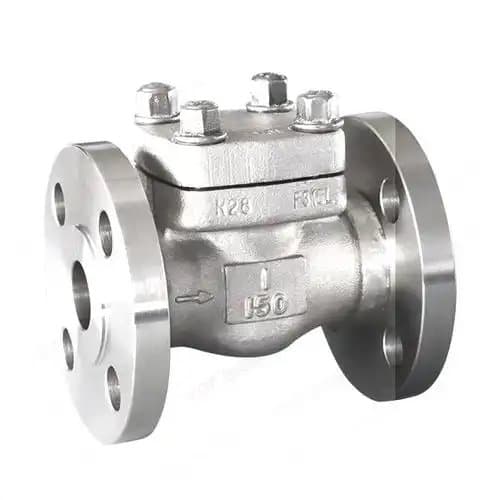
254SMO-S31254-Valve
Quick Specs Why 254SMO Beats Both 904L and Duplex in Aggressive Chloride Service The nitrogen addition (0.18–0.22%) is what separates 254SMO from 904L and puts it in a different performance class. Nitrogen in austenitic stainless does something specific and powerful: it drastically increases pitting resistance without adding the cost of more molybdenum. The PREN formula (Cr + 3.3×Mo + 16×N) shows this clearly — 254SMO's 0.2% nitrogen contributes 3.2 PREN points at 16× weighting, equivalent to adding another full percentage point of molybdenum at zero additional raw material cost. That puts 254SMO at PREN 43+, versus 904L's ~35 and super duplex 2507's ~42. In practical terms, this means 254SMO resists pitting initiation in seawater at temperatures where 904L already shows measurable pit density. For desalination plant high-pressure pump discharge valves — where the seawater is warm (35–45°C) and the pressure cycling creates turbulence that accelerates pitting kinetics — 254SMO is the proven choice that operators return to after trying every cheaper alternative. In flue gas desulfurization (FGD) scrubbers, the media is a sulfuric acid/chloride slurry that creates simultaneous general acid corrosion and localized chloride pitting. 316L fails both mechanisms. 904L handles the general acid but pits in the chloride zones. 254SMO's combined resistance to both attack modes makes it the standard FGD valve material in coal-fired power plants worldwide — not because it's the cheapest option, but because it's the option that actually stays in service. The copper addition (0.5–1.0%) is modest compared to 904L's 1–2%, but it still contributes to reducing acid resistance. In sulfuric acid that also contains chloride — the worst-case mixed media scenario — 254SMO's molybdenum handles the chloride while the copper helps with the reducing acid component. It's not as strong in pure reducing acid as 904L (which has double the copper), but in mixed conditions it wins overall. The Real Disadvantages That Affect Your Plant Cost sits at roughly 4–5x 316L and slightly above 904L. The 6% molybdenum content drives the price — moly is an expensive alloying element. In applications where 904L's PREN is sufficient (ambient seawater, moderate chloride environments), spending extra on 254SMO wastes budget. Spec it where the pitting conditions exceed 904L's threshold — not as a blanket upgrade. Sigma phase sensitivity is real and more pronounced than in 904L due to the higher molybdenum content. Holding 254SMO in the 600–1000°C range for even an hour allows sigma precipitation at grain boundaries, which drops both corrosion resistance and impact toughness. For valve fabrication, this means: solution anneal must be done correctly (1150–1200°C, then rapid water quench), and any subsequent hot work must not slow-cool through the danger zone. Ask your valve supplier for their heat treatment records — not just a certificate of conformance, but the actual thermal profile documentation. Limited supplier ecosystem. 254SMO isn't produced by every stainless mill. The major sources are Outokumpu (Avesta, Sweden), and a handful of Chinese specialty producers. Valve foundries that stock F44 (the ASTM A182 forging grade equivalent) castings are fewer than those stocking 316L or even 904L. Lead times for non-standard sizes run 14–18 weeks consistently. If you're building a project with 254SMO valves, lock in your casting orders early. Machining challenges. The high nitrogen and molybdenum content make 254SMO tougher to machine than standard austenitic stainless — tool wear is roughly 30% higher, and chip breaking is difficult. Shops set up for 316L production will struggle with dimensional control on 254SMO valve bodies unless they adjust feeds, speeds, and tooling geometry. Smart Specification Strategies For desalination high-pressure pump discharge: 254SMO butterfly or ball valve, Class 300–600, metal-seated with Stellite overlay on the seat surface. The 254SMO body handles the seawater; the hard-facing handles the erosion from turbulent flow. For FGD scrubber drain and recirculation: 254SMO globe or gate valve, Class 150–300. The acid/chloride slurry environment is textbook for this grade. Verify slurry velocity doesn't exceed 3 m/s at the valve inlet — erosion-corrosion synergy at high velocity degrades even 254SMO. For offshore fire water systems: 254SMO butterfly valve as an alternative to nickel-aluminum bronze where the fire main also carries warm process water. If it's pure ambient seawater, aluminum bronze saves money. If the water chemistry is mixed, 254SMO covers both the seawater component and any acid traces from process cross-contamination. FAQ A: Close in pitting resistance, but not equivalent in all corrosion mechanisms. 254SMO matches or exceeds C276's pitting resistance in warm seawater, but C276 has better general acid...
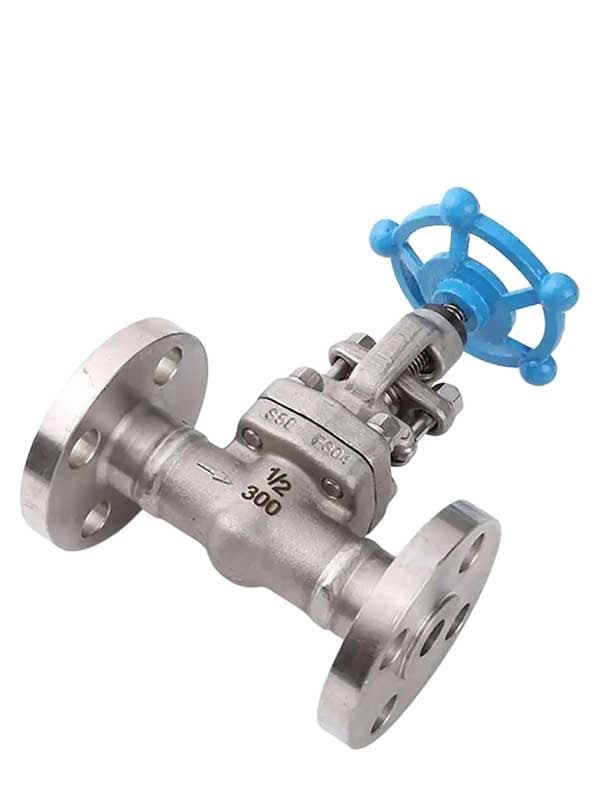
C4-00Cr14Ni14Si4-Valve
Quick Specs Why C4 Steel Survives 98% Nitric Acid When Everything Else Fails Concentrated nitric acid (above 95%, especially at 98%+) is an odd corrosion challenge: it's so aggressively oxidizing that it passivates most stainless steels — briefly. The problem comes from the transpassive zone. At production concentrations and temperatures, nitric pushes stainless past the passive region into transpassive dissolution, where the protective oxide film itself oxidizes and the metal corrodes at unacceptable rates. 304L and 316L fail in 98% HNO3 at production temperatures not because they can't form a passive film, but because that film dissolves in the extreme oxidizing potential. C4 steel's 3–5% silicon content changes the game. Silicon forms a SiO2-enriched surface layer that's stable in transpassive conditions where Cr2O3 breaks down. That silicon oxide layer is chemically inert in concentrated nitric — it doesn't dissolve, doesn't oxidize further, and doesn't allow nitric to reach the underlying metal. The result: C4 steel's corrosion rate in 98% boiling nitric acid measures below 0.1 mm/year, where 304L measures in millimeters per year. The Chinese nitric acid production industry developed C4 steel specifically for this application during the 1980s — it was a national-level R&D achievement that earned a Ministry of Defense science award. The magnesium nitrate method for concentrating nitric acid (the dominant process in Chinese nitric plants) runs at conditions that defeat every Western-standard stainless grade. C4 valves in those concentration loops run for 8–12 years. That's not anecdotal — it's the accumulated operating record across dozens of plants. The other advantage over alternatives: pure aluminum handles concentrated nitric reasonably well, but its mechanical strength is so low that you can't make functional pressure valve bodies from it. High-silicon cast iron (Durcomet 5, similar chemistry concept) has good corrosion resistance but is brittle — impact resistance is poor, and thermal shock cracks the casting. C4 steel gives you both the corrosion resistance and the mechanical integrity to build a real pressure valve. The Trade-offs That Limit C4 Steel's Broader Adoption Not a universal corrosion alloy. C4's silicon-stabilized oxide layer excels in oxidizing acid conditions, specifically concentrated nitric. In reducing acid environments (dilute sulfuric, hydrochloric), it offers no advantage over standard stainless — and in fluoride-containing environments, it's vulnerable just like every other silicon-containing alloy. C4 is a niche specialist, not a general upgrade. No established ASTM/UNS designation. This is the practical problem for international specifiers. C4 steel originated in Chinese metallurgical development and is standardized under GB (Chinese national standards). Western engineering firms working on Chinese nitric acid projects can specify it by GB designation, but there's no ASTM equivalent to reference for non-Chinese projects. That limits global adoption despite the material's proven performance. International sourcing is difficult. Most C4 steel production and valve manufacturing happens in Chinese specialty foundries. Procurement teams in Europe or North America face limited supplier options and long logistics chains. Quality verification requires either on-site inspection or established relationships with Chinese suppliers who understand Western documentation expectations. Welding requires specific filler. Standard stainless fillers (308, 316) don't match C4's high silicon content. The recommended practice is using奥0.12 silicon welding electrodes (Chinese designation) — essentially a matching high-silicon austenitic filler. Finding this filler outside China is difficult. ER309Si (AWS designation) is a reasonable Western approximation, but the silicon content is lower than optimal. Post-weld solution annealing at 1050°C is required to restore full corrosion resistance. Machining difficulty. The 3–5% silicon content makes C4 steel harder and more abrasive than standard austenitic stainless. Tool life is roughly 40–50% shorter than on 304/316 machining operations. Carbide inserts with proper geometry are mandatory. Shops accustomed to standard stainless will underestimate the tooling cost and dimensional drift. Specifying C4 Valves for Nitric Acid Service For concentrated nitric acid (95–98%) production: C4 steel gate or globe valve, Class 150–300, per GB 2100 casting specification. This is the proven application. Verify the supplier's track record in actual nitric acid concentration plants — not just lab corrosion data. For nitric acid tank farm and transfer: C4 works, but 304L also handles ambient-temperature concentrated nitric adequately in transfer and storage applications where the acid isn't hot. Use C4 at points where the acid is at or near process temperature...
Technical Overview
Standard stainless handles most process conditions. But when the media swings beyond what 316L can survive—hydrofluoric acid, concentrated sulfuric, hot wet chlorine, 98% nitric, seawater with biofouling pressure—standard materials pit, crack, dissolve, or fail within months. Alloy valves exist for that territory. FLOWKS manufactures valves in Hastelloy (C276/C22), Monel (400/K500), Incoloy 825, 904L, 254SMO (S31254), titanium (Grade 2/5/7), zirconium (R60702), aluminum bronze (C95400/C63000), pure nickel (N02200/N02201), and C4 steel (00Cr14Ni14Si4)—each alloy targeting a specific corrosion mechanism that stainless cannot address. Hastelloy covers both oxidizing and reducing acid swings. Monel resists fluoride and alkaline corrosion. Titanium's oxide film regenerates in chloride environments. Zirconium's ZrO2 layer survives concentrated nitric where even Hastelloy's oxide destabilizes. 254SMO's PREN 43+ makes it the pitting champion in seawater and FGD scrubbers. C4 steel's silicon oxide film handles transpassive nitric conditions that dissolve standard stainless oxide layers. Specifying alloy valves isn't about upgrading for prestige—it's about matching the material to the specific corrosion mechanism your process throws at it. Every alloy has weaknesses alongside its strengths: titanium fails in fluoride, Monel is vulnerable to oxidizing acids, C4 has no ASTM equivalent for Western projects. FLOWKS alloy valves are selected by corrosion engineers who know exactly what media the valve faces—not by procurement teams shopping for "better than stainless."
FLOWKS alloy valves address process conditions where standard stainless steel and carbon steel cannot survive. Hastelloy C276 and C22 valves resist both oxidizing and reducing acid environments—flue gas desulfurization, HF alkylation, mixed-acid chemical processing. Monel 400 and K500 valves excel in fluoride-containing and alkaline service—HF alkylation circuits, caustic processing, seawater exposure. Titanium valves (Grade 2, Grade 5, Grade 7) leverage a self-regenerating oxide film for chloride, wet chlorine, and seawater applications where 316L pits rapidly. Zirconium valves (R60702) survive concentrated nitric acid service through a chemically stable ZrO2 surface film. 904L valves cover the full sulfuric acid concentration range with high-nickel, high-molybdenum chemistry. 254SMO (S31254) valves deliver PREN 43+ pitting resistance for seawater, FGD scrubbers, and high-chloride process streams. Incoloy 825 valves handle sour gas and multi-element corrosive conditions with coordinated nickel-chromium-molybdenum defense. Pure nickel valves (N02200/N02201) are the standard choice for caustic soda and high-purity alkali service. Aluminum bronze butterfly valves resist seawater biofouling and corrosion at lower cost than nickel-alloy alternatives. C4 steel (00Cr14Ni14Si4) valves survive 98%+ concentrated nitric acid through a silicon oxide film stable in transpassive conditions. FLOWKS alloy valves are available in gate, globe, ball, butterfly, check, and diaphragm configurations per the corrosion engineer's specification.
Product Downloads
Technical Articles
Read our latest technical articles and industry insights.

304 vs 316 Stainless Steel Valves: Corrosion Resistance & Working Condition Selection Guide
5 min read

Globe Control Valve vs Cage Guided Control Valve: Structural Difference and Application
10 min read

Control Valve Actuator Types: Pneumatic vs Electric vs Hydraulic Selection Guide
11 min read
Engineering Calculators
Free online engineering calculators for valve selection and sizing.
Industries Using This Product
Applications across various industrial sectors.
Petrochemical
Corrosion-resistant valves for aggressive media in chemical processing plants. FLOWKS alloy and fluorine-lined valves are engineered to handle the most challenging petrochemical environments.
Chemical
Specialized alloy and fluorine-lined valves for highly corrosive and toxic chemical processes. Zero-emission bellows seal valves and exotic alloy construction for the chemical industry.
Looking for more options?
Explore our complete range of industrial valves or contact us for custom solutions.
Ball Valves
FLOWKS offers floating ball valve, trunnion mounted ball valve and top entry ball valve for oil & gas, petrochemical and power generation. Designed per API 6D, API 608 and ASME B16.34.
DBB Valves
FLOWKS Double Block & Bleed (DBB) valves provide dual isolation with bleed verification in a single compact body. Replacing traditional multi-valve installations, FLOWKS DBB valves reduce weight, space and potential leak paths. Available in bolted bonnet, all-welded and expanding gate designs per API 6D and API 607.
Gate Valves
FLOWKS gate valves for isolation service in piping systems. Flexible wedge, solid wedge, slab and expanding gate designs per API 600, API 602 and ASME B16.34.
Globe Valves
FLOWKS globe valves for throttling and isolation. Standard, angle, Y-pattern and bellows seal configurations per API 602 and BS 1868.