Dải Sản Phẩm
Dòng sản phẩm van công nghiệp đầy đủ cho mọi ứng dụng.
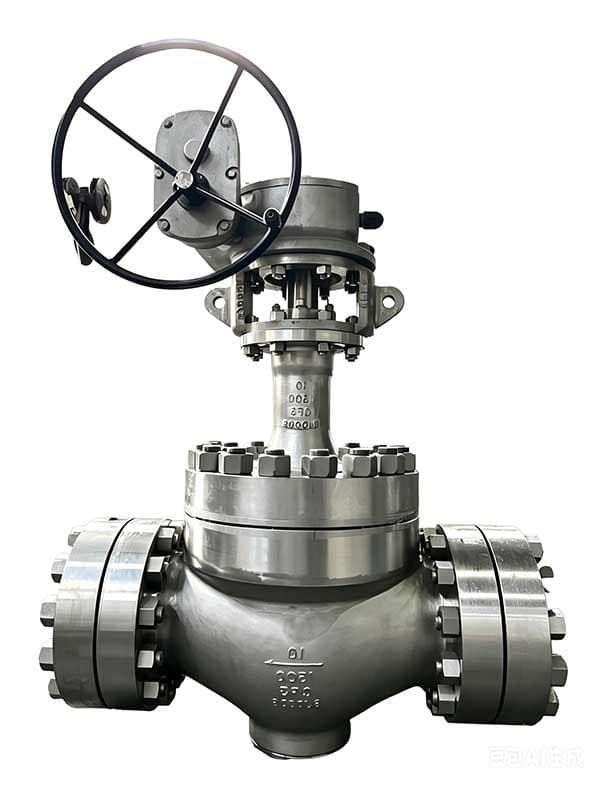
Van Cầu Lắp Trên Nhiệt Độ Thấp
Kích thước: 2" - 12" (DN50 - DN300) Áp suất: Class 150 - 300 / PN 10-40 Tiêu chuẩn: API 6D, BS 6364, MSS SP-134, ASME B16.34 Vật liệu thân: A351 CF8M, A182 F316, A351 CF8, hợp kim Monel/K Đế van: PCTFE (Kel-F) / TFM đế mềm; kim loại-kim loại với lớp phủ Stellite có sẵn Thiết kế: Nạp đỉnh, cổng kéo dài, lỗ thông hơi trên bi Tại Sao Van Này Trông Không Giống Van Nạp Đỉnh Tiêu Chuẩn Của Bạn Bước vào một nhà ga LNG và bạn sẽ thấy van bi nạp đỉnh trên mọi điểm cách ly chính. Cùng nắp bắt vít trên đỉnh. Cùng khả năng tiếp cận bên trong mà không cần tháo van khỏi đường ống. Nhưng nhìn kỹ hơn—trục van dài gấp đôi bình thường, có một lỗ nhỏ khoan xuyên qua bi, và đế van là PCTFE, không phải PTFE. Ba điểm khác biệt. Mỗi điểm tồn tại vì chất lỏng đông lạnh ở -196°C phá vỡ những thứ hoạt động tốt ở nhiệt độ môi trường. Thứ nhất: phần nắp kéo dài. Vật liệu làm kín tiêu chuẩn—PTFE, than chì, hoặc bất cứ loại nào bạn chọn—đều bị hỏng ở -196°C. PTFE bị nứt dưới áp lực khi lắp đặt. Than chì mất đi độ đàn hồi. Phần kéo dài nắp giúp tăng đủ chiều dài thân van để khoang chứa vật liệu làm kín nằm trên đường đóng băng, ở nhiệt độ gần bằng nhiệt độ môi trường. Vật liệu làm kín của bạn hoạt động bình thường vì nó không bao giờ tiếp xúc với vùng đông lạnh. Không cần vật liệu làm kín chuyên dụng cho vùng đông lạnh. Không có gioăng bị đóng băng. Không rò rỉ do vật liệu làm kín bị giòn đột ngột. Thứ hai: lỗ thông hơi trên bi. Đóng một van bi tiêu chuẩn trong dịch vụ đông lạnh và chất lỏng bị kẹt bên trong khoang bi. Chất lỏng đó ấm dần qua dẫn nhiệt từ thân van, giãn nở khi chuyển từ lỏng sang khí, và áp suất tăng đột biến khóa bi vào cả hai đế van. Bạn không thể xoay được. Lỗ thông hơi xuyên qua bi cho phép chất lỏng bị kẹt cân bằng áp suất về phía thượng nguồn. Đơn giản. Hiệu quả. Cứu bạn khỏi bi bị khóa đòi hỏi giảm áp đường ống để giải phóng. Thứ ba: đế PCTFE, không phải PTFE. PTFE trở nên giòn dưới -100°C—nó nứt dưới ứng suất đóng ở nhiệt độ đông lạnh. PCTFE (Kel-F) và TFM giữ độ linh hoạt và tính toàn vẹn làm kín xuống đến -196°C. Chúng giữ được tính chất cơ học khi PTFE bỏ cuộc. Khi Nạp Đỉnh Quan Trọng Hơn Tính Nhỏ Gọn Truy cập từ đỉnh có nghĩa là bạn bảo trì các bộ phận bên trong thông qua nắp trên mà không cần ngắt van khỏi đường ống. Tại một nhà ga LNG, việc cách ly đường ống tốn kém và mất nhiều thời gian. Xả một đường ống đông lạnh, làm ấm nó, giảm áp, rồi tháo van khỏi đường ống—đó là nhiều ngày làm việc. Truy cập từ đỉnh cho phép đội bảo trì của bạn tháo bu lông nắp, kéo bi và đế van ra, kiểm tra hoặc thay thế, rồi bắt bu lông nắp lại. Van vẫn nằm trên đường ống. Đường ống vẫn được xả nhưng không cần làm ấm để tháo van. Đế kim loại với lớp phủ Stellite có sẵn cho dịch vụ đông lạnh theo chu kỳ khi van đóng mở thường xuyên. Đế mềm xử lý hầu hết nhiệm vụ cách ly đông lạnh tốt—van bi tại các nhà ga LNG thường mở hoặc đóng trong thời gian dài. Nhưng nếu ứng dụng của bạn chu kỳ vài phút một lần, lớp phủ Stellite trên cả hai bề mặt tiếp xúc sẽ chịu được mài mòn. Vật liệu thân van Monel và hợp kim K được chỉ định cho điều kiện đông lạnh khắc nghiệt khi cần khả năng chống ăn mòn vượt trội hơn thép không gỉ 316. Hầu hết ứng dụng LNG sử dụng CF8M hoặc F316 và không bao giờ cần thêm. Nhưng nếu chất lỏng quy trình của bạn chứa thành phần ăn mòn mạnh, hoặc nếu bạn vận hành dưới -196°C trong dịch vụ helium hoặc hydro, các tùy chọn hợp kim cao hơn rất quan trọng. Điều Bị Bỏ Sót Trong Quá Trình Rà Soát Thông Số Kỹ Thuật Hướng của lỗ thông hơi rất quan trọng. Lỗ nên thông về phía thượng nguồn khi van đóng—đó là phía có áp suất thấp hơn trong quá trình cách ly. Nếu thiết kế hệ thống của bạn yêu cầu thông về phía hạ nguồn, hãy chỉ định rõ. Đừng giả định. Chiều dài phần nối dài thân van thay đổi theo cách lắp đặt. Phần nối dài cần đủ dài để buồng đệm làm kín nằm trên đường băng giá trong môi trường vận hành thực tế của bạn—không phải trong phòng thí nghiệm ở -196°C không có gió, không có độ ẩm môi trường, không có khối lượng nhiệt từ đường ống liền kề. Khí hậu lạnh với lắp đặt ngoài trời cần phần nối dài dài hơn so với nhà máy trong nhà có kiểm soát khí hậu. Hãy chỉ định điều kiện môi trường xung quanh, không chỉ nhiệt độ chất lỏng. Việc siết chặt các bu lông nắp thân van ở phía trên cần mô-men xoắn lớn hơn bạn tưởng sau khi sử dụng ở nhiệt độ cực thấp. Bu lông thép không gỉ ở nhiệt độ cực thấp sẽ có lực siết khác. Hãy sử dụng giá trị mô-men xoắn do nhà sản xuất khuyến nghị để lắp ráp lại sau khi bảo trì, chứ không phải bảng mô-men xoắn thép không gỉ thông thường. A: Bạn có thể, nhưng không nên. PTFE bắt đầu mất tính linh hoạt trước khi trở nên hoàn toàn giòn ở -100°C. Ở -80°C, nó đã cứng hơn ở nhiệt độ môi trường, và ứng suất tiếp xúc từ tải chu kỳ sẽ làm tăng tốc độ nứt. PCTFE tốn thêm một chút và cho bạn biên độ an toàn rộng hơn. Hãy dùng nó. A: Không. Lỗ thông hơi nhỏ—thường 3-6mm tùy thuộc kích thước bi. Nó không ảnh...
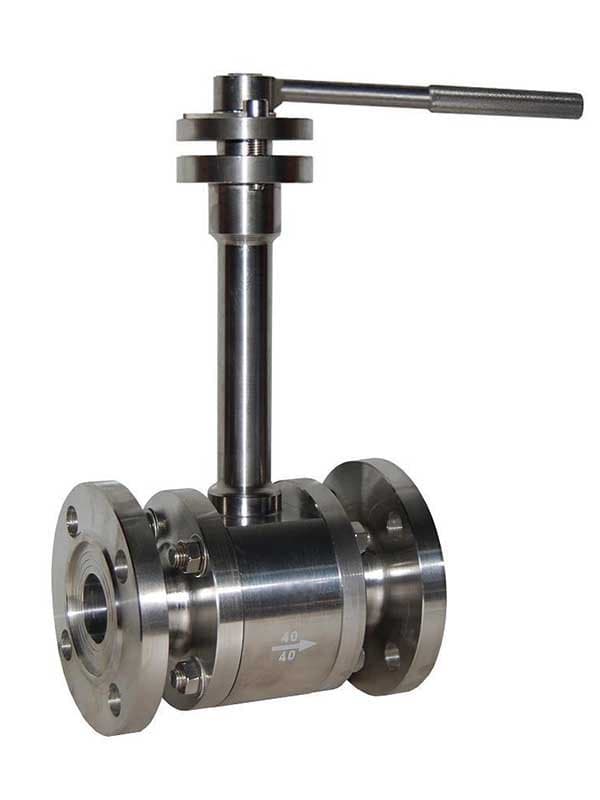
Van Cầu Hai Mảnh Nhiệt Độ Thấp
Kích thước: 1/2" - 4" (DN15 - DN100) Áp suất: Class 150 - 300 / PN 10-40 Tiêu chuẩn: API 6D, BS 6364, MSS SP-134, ASME B16.34 Vật liệu thân: A182 F316 (rèn), A351 CF8M (tùy chọn đúc) Đế van: PCTFE / TFM đế mềm; kim loại-kim loại có sẵn Thiết kế: Thân hai mảnh, phần nối dài thân van, lỗ thông hơi bi Van Nhỏ, Cùng Quy Tắc Đông Lạnh Van bi đông lạnh hai mảnh làm cùng công việc như van truy cập từ đỉnh—nó cách ly dòng chảy đông lạnh ở -196°C và làm kín đáng tin cậy khi đóng. Phần nối dài thân van giữ đệm làm kín ấm. Lỗ thông hơi bi ngăn sự giãn nở chất lỏng bị giữ lại. Đế PCTFE vẫn linh hoạt nơi PTFE tiêu chuẩn sẽ nứt. Sự khác biệt là cấu trúc thân. Van hai mảnh có nghĩa là thân van được chia thành hai nửa—thân chính và đầu nối—được nối với nhau bằng một đường hàn bắt vít. Bi van, đế van và trục van được đưa vào khoang thân van thông qua lỗ ở đầu nối, sau đó hai nửa được bắt vít lại với nhau. Điều này làm cho van ngắn hơn và nhẹ hơn so với van kiểu lắp đặt từ trên xuống có cùng kích thước. Không cần nắp đậy riêng. Không cần thêm bu lông cho tấm che. Đầu nối cũng đóng vai trò là điểm tiếp cận để lắp ráp. Sự đánh đổi rất rõ ràng: bạn không thể bảo dưỡng các bộ phận bên trong mà không cần tháo rời hai nửa thân van. Điều đó có nghĩa là phải tháo van ra khỏi đường ống hoặc ngắt kết nối ít nhất một đầu. Thiết kế nắp mở từ trên cho phép bạn thao tác qua nắp trên khi van vẫn nằm trong đường ống. Loại hai mảnh thì không. Nhưng đối với các kích thước nhỏ—từ 1/2" đến 4"—trên các đường ống nạp LNG, điểm lấy mẫu đông lạnh và cách ly thiết bị, tính nhỏ gọn quan trọng hơn khả năng bảo dưỡng trực tiếp trên đường ống. Những van này nằm trong không gian chật hẹp, nơi cấu trúc nắp mở từ trên sẽ làm tăng chiều dài mà bạn không có đủ không gian. Nơi Van Hai Mảnh Phù Hợp Cách ly tay đỡ nạp LNG. Đường lấy mẫu đông lạnh đường kính nhỏ. Các điểm lấy tín hiệu trên bồn đông lạnh. Cách ly bộ truyền áp suất trên bồn chứa đông lạnh. Các ứng dụng này sử dụng van trong phạm vi 1/2" đến 2", đôi khi lên đến 4", và chúng được lắp đặt trong các bố trí đường ống chật chội nơi từng milimét chiều dài van đều quan trọng. Thân hai mảnh ở kích thước 1" ngắn hơn đáng kể so với van nạp đỉnh ở kích thước 1" vì không có cụm nắp trên—chỉ có cổ nối dài và bộ truyền động hoặc tay quay. Kết cấu thân rèn (A182 F316) là tiêu chuẩn cho van đông lạnh hai mảnh ở kích thước nhỏ. Thép không gỉ rèn có khả năng chống va đập tốt hơn ở nhiệt độ đông lạnh so với thép đúc—quan trọng cho van nhỏ có thể chịu sốc cơ học trong quá trình vận hành nạp LNG. Đúc (CF8M) có sẵn cho kích thước 3" và 4" nơi chi phí rèn trở nên kém thuận lợi hơn, nhưng rèn là mặc định cho kích thước 1/2" đến 2". Mối nối bắt bu lông giữa thân và đầu nối cuối sử dụng đệm thân. Ở nhiệt độ đông lạnh, đệm bị chảy lạnh dưới sự giãn nở của bu lông—bu lông thép không gỉ giãn ở -196°C, và vật liệu đệm bị rão dưới tải trọng bu lông giảm. Đệm thân PCTFE chống chảy lạnh tốt hơn đệm PTFE tiêu chuẩn, và đệm quấn xoắn ốc với vòng ngoài thép không gỉ được chỉ định cho cụm hai mảnh áp suất cao hơn. Vật liệu đệm cho mối nối thân là lựa chọn thiết kế, không phải là suy nghĩ phụ. Sự Đánh Đổi Về Độ Nhỏ Gọn Là Thực Tế Nếu kế hoạch bảo trì của bạn bao gồm bảo dưỡng trực tuyến—tháo bu lông nắp, lấy các bộ phận bên trong ra, lắp ráp lại mà không cần tháo đường ống—thì van hai mảnh không thể làm được điều đó. Bạn phải tháo bu lông mối nối thân van, và van phải được tháo ra khỏi đường ống. Đối với các lắp đặt cố định trên các đường ống đông lạnh có đường kính nhỏ, nơi van được giữ nguyên vị trí trong nhiều năm và việc bảo dưỡng dù sao cũng đồng nghĩa với việc thay thế toàn bộ van, thì van hai mảnh là lựa chọn thiết thực hơn. Nếu ứng dụng của bạn yêu cầu kiểm tra nội bộ định kỳ—khoảng thời gian kiểm tra theo quy định trên đường nạp LNG, ví dụ—van nạp đỉnh ở kích thước 2" trở lên cho phép bạn truy cập đó. Dưới 2", lợi thế về kích thước của van hai mảnh thường thắng. A: Kích thước và trọng lượng. Van bi đông lạnh kiểu lắp đặt từ trên xuống 1 inch dài hơn và nặng hơn van hai mảnh 1 inch vì cấu trúc nắp trên làm tăng chiều cao thân van và số lượng bu lông. Trong các bố trí đường ống LNG chật hẹp—cần nạp, thiết bị lắp đặt trên khung đỡ, cụm thiết bị đo—thường không có đủ không gian cho chiều dài bổ sung. Van hai mảnh phù hợp với những nơi mà van lắp đặt từ trên xuống không thể. A: Đó là đường rò rỉ tiềm ẩn, giống như bất kỳ mối nối bu lông nào trong dịch vụ đông lạnh. Lựa chọn đệm phù hợp—PCTFE hoặc quấn xoắn ốc với vòng thép không gỉ—và mô-men xoắn bu lông chính xác cho nhiệt độ vận hành giảm thiểu rủi ro. Mối nối chịu cùng nhiệt độ đông lạnh như đường ống, không giống như hộp nhồi được cách ly bởi phần cổ nối dài. Chỉ định vật liệu đệm đúng. Đừng mặc định dùng PTFE. A: Có. Bộ truyền động khí nén và điện lắp trên cổ nối dài, giống như van nạp đỉnh. Bộ truyền động giữ ở nhiệt độ môi trường. Sự khác biệt duy nhất là...
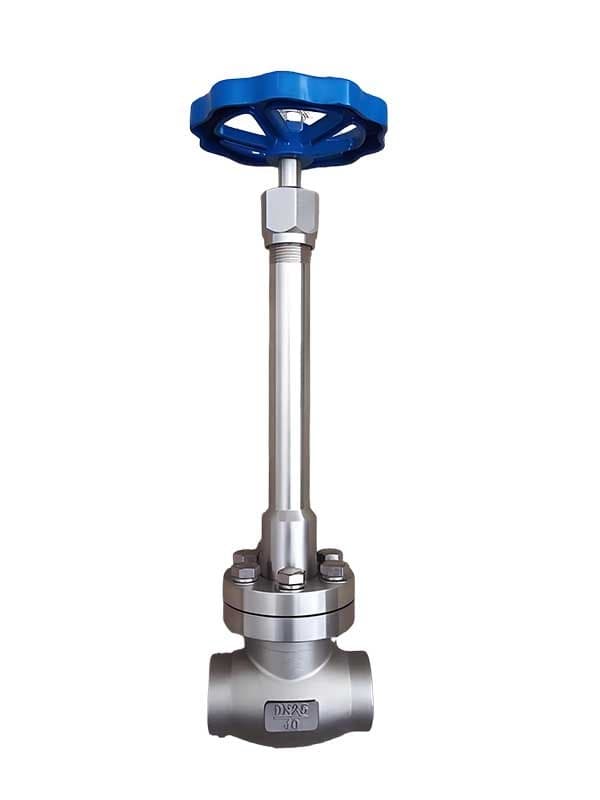
Van Cầu Điều Chỉnh Hàn Đối Đầu Nhiệt Độ Thấp
Kích thước: 1/2" - 2" (DN15 - DN50) Áp suất: Class 150 - 800 / PN 10-130 Tiêu chuẩn: BS 6364, MSS SP-134, ASME B16.34, ASME B16.11 Vật liệu thân: A182 F316, A182 F304, Monel, A182 F55 (super duplex) Ghế: Kim loại với kim loại; lớp phủ Stellite có sẵn trên đĩa và vòng ghế Thiết kế: Đầu hàn đối đầu, cổ nối dài, đĩa nâng khỏi ghế để mở Không Mặt Bích, Không Rò Rỉ Mặt Bích Mỗi mối nối mặt bích trong hệ thống đông lạnh là một rủi ro. Đệm chảy lạnh ở -196°C—đệm PTFE và sợi nén bị rão dưới sự giảm tải bu lông khi bu lông thép không gỉ giãn ở nhiệt độ đông lạnh. Lực căng bu lông giảm. Đệm rão để lấp khe hở. Con dấu nới lỏng. Chất lỏng đông lạnh tìm thấy đường đi. Rò rỉ LNG ở -196°C rất nguy hiểm—chúng bốc hơi nhanh khi tiếp xúc với không khí môi trường, tạo ra đám mây khí dễ cháy trong không gian kín—và tốn kém để sửa vì đường ống phải được xả, làm ấm, và giảm áp trước khi bạn có thể siết lại bu lông mặt bích. Van cầu hàn đối đầu loại bỏ hoàn toàn kết nối mặt bích. Van hàn trực tiếp vào đường ống. Không đệm. Không bu lông. Không rủi ro chảy lạnh. Mối hàn là vĩnh viễn—một khi đã vào, nó ở đó. Đối với cách ly đông lạnh đường kính nhỏ trên tay đỡ nạp LNG, cụm lấy mẫu đông lạnh, và điểm lấy tín hiệu cố định nơi van giữ vị trí trong nhiều năm, sự vĩnh viễn đó chính xác là điều bạn muốn. Bạn không có kế hoạch tháo các van này để bảo trì. Chúng là điểm cách ly vĩnh viễn trên các đường được kiểm tra, không phải tháo rời. Tại Sao Van Cầu, Tại Sao Không Van Bi Van cầu trong hệ thống đông lạnh dùng để điều tiết lưu lượng. Van bi dùng để cách ly. Nếu bạn cần điều chỉnh lưu lượng đông lạnh—giảm tốc độ dòng chảy, điều chỉnh áp suất, kiểm soát tốc độ nạp vào bình chứa đông lạnh—thiết kế đĩa và đế van cầu cho phép bạn giảm lưu lượng dần dần và có thể điều khiển được trên toàn bộ phạm vi hoạt động. Van bi về cơ bản chỉ cho phép dòng chảy nhị phân—mở hoặc đóng, với phạm vi điều tiết hẹp làm mòn đế van nhanh chóng. Kiểu ghế kim loại với kim loại là tiêu chuẩn cho van cầu đông lạnh. Đĩa van tỳ vào vòng ghế thân van, và cả hai bề mặt có thể được phủ Stellite để chịu được chu kỳ đóng mở thường xuyên. Ghế mềm trong van cầu không thể chịu được dịch vụ tiết lưu trong ứng dụng đông lạnh—đĩa van cào qua vòng ghế trong mỗi chu kỳ đóng mở, và PCTFE mòn nhanh hơn dưới tiếp xúc cào tuyến tính đó so với tiếp xúc ghế xoay của van bi. Ghế kim loại chịu được sự mài mòn. Lớp phủ Stellite kéo dài tuổi thọ ghế cho các van đóng mở hàng chục lần mỗi ngày trong các hoạt động nạp đông lạnh. Cấp áp suất lên đến Class 800 trên van cầu hàn giáp mép. Đó là PN130. Cách ly đông lạnh áp suất cao đường kính nhỏ trên bồn chứa LNG áp suất cao và đường xả bơm đông lạnh—các ứng dụng này cần một van xử lý được cả nhiệt độ đông lạnh và áp suất cao trong một thiết kế nhỏ gọn. Kết cấu hàn giáp mép với thân van thép không gỉ rèn (A182 F316) cho bạn định mức áp suất mà không cần mối nối mặt bích có thể rò rỉ ở nhiệt độ đông lạnh dưới tải trọng bu lông cao. Mối Hàn Là Cam Kết Hàn giáp mép nghĩa là bạn không thể tháo van ra mà không cắt mối hàn. Không có mặt bích nghĩa là không dễ dàng thay thế. Nếu van cần thay thế, bạn cắt nó ra và hàn một van mới vào. Đó là triết lý lắp đặt vĩnh viễn—bạn chọn hàn giáp mép khi bạn tự tin van sẽ hoạt động suốt tuổi thọ của hệ thống đường ống, và khi việc loại bỏ các đường rò rỉ qua mặt bích đáng đánh đổi với tính vĩnh viễn. Trên cần nạp LNG và cụm thiết bị đo cố định, sự đánh đổi đó là rõ ràng. Van cách ly một đường ống đường kính nhỏ là một phần của lắp đặt cố định. Nó không bị tháo ra để bảo trì định kỳ—bản thân đường ống không bị tháo dỡ. Khi van cuối cùng cần thay thế, đó là một đợt ngừng hoạt động có kế hoạch với cắt mối hàn và hàn lại. Không tiện lợi, nhưng an toàn, vì không có đường rò rỉ qua mặt bích nào trong suốt tuổi thọ hoạt động. A: Bạn có thể, nhưng bạn đang thêm một đường rò rỉ qua mặt bích ở mỗi đầu—hai gioăng, hai bộ bu lông, hai điểm mà dòng chảy lạnh và giãn bu lông tạo rủi ro rò rỉ ở -196°C. Hàn giáp mép loại bỏ cả hai. Nếu hệ thống đường ống của bạn sử dụng kết nối mặt bích ở khắp nơi và bạn cần khả năng tháo van, đầu mặt bích có sẵn. Nhưng nếu bạn chọn van này cụ thể để cách ly không có đường rò rỉ, hàn giáp mép là kết nối đầu đúng. A: Stellite là hợp kim coban-crom được hàn lên các bề mặt ghế—mặt đĩa van và mặt vòng ghế. Nó cứng hơn vật liệu thép không gỉ nền và chống mài mòn từ tiếp xúc lặp đi lặp lại giữa đĩa và ghế trong quá trình đóng mở. Nếu van của bạn đóng mở hơn vài lần mỗi ngày—hoạt động nạp đông lạnh với khởi động/dừng thường xuyên, van lấy mẫu đóng mở mỗi lần lấy mẫu—lớp phủ Stellite kéo dài tuổi thọ ghế đáng kể. Đối với đóng mở không thường xuyên (van cách ly mở hoặc đóng trong nhiều tuần), ghế kim loại với kim loại tiêu chuẩn là đủ. A: Dải kích thước thực tế là 1/2" đến 2" vì kết cấu hàn giáp mép phù hợp với đường ống đường kính nhỏ. Kích thước lớn hơn—4" trở lên—sử dụng kết nối mặt bích...
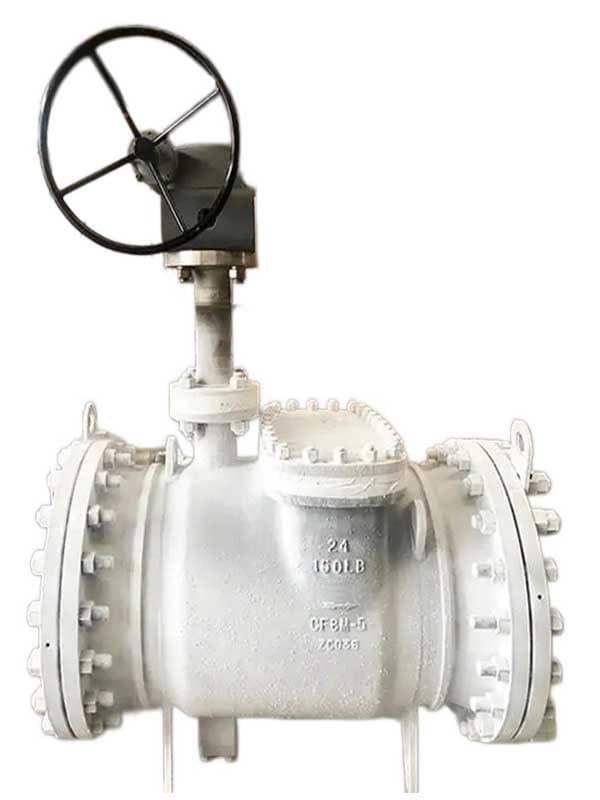
Van Bướm Nhiệt Độ Thấp Có Cổng Kiểm Tra
Kích thước: 2" - 12" (DN50 - DN300) Áp suất: Class 150 - 300 / PN 10-40 Tiêu chuẩn: BS 6364, MSS SP-134, API 609 Vật liệu thân: A351 CF8M, A182 F316 (đĩa rèn) Ghế: Ghế lót PCTFE / TFM; ghế kim loại lệch tâm ba lớp phủ Stellite/Inconel có sẵn Thiết kế: Đĩa lệch tâm kép/ba, nắp kéo dài, cổng kiểm tra thân van với lối vào kín Một Van, Hai Chức Năng Các van bướm tiêu chuẩn trong hệ thống đông lạnh chỉ làm một việc duy nhất—cách ly dòng chảy. Khi bạn đóng đĩa van, dòng chảy dừng lại. Khi bạn mở van, dòng chảy tiếp tục. Điều gì đang xảy ra bên trong thân van tại vị trí đó? Bạn không biết. Để tìm hiểu, bạn lắp đặt một đầu nối đo riêng biệt ở phía thượng nguồn hoặc hạ nguồn—một khớp nối chữ T với cảm biến nhiệt độ, bộ truyền áp suất, có thể là kính quan sát để kiểm tra trực quan. Mỗi đầu nối là một điểm kết nối khác, một điểm rò rỉ tiềm tàng khác, một đoạn ống khác cần bảo trì trong một hệ thống vốn đã hoạt động ở -96°C, nơi mà mỗi phụ kiện bổ sung đều là một rủi ro. Van bướm này có một cửa kiểm tra trên thân van. Một điểm truy cập kín – nắp đậy bắt vít hoặc cửa sổ kính – cho phép bạn quan sát vị trí đĩa van, đưa đầu dò nhiệt độ vào đường dẫn dòng chảy hoặc kết nối trực tiếp bộ truyền áp suất tại vị trí van. Một thân van. Một điểm kết nối. Cách ly và giám sát quy trình trong cùng một hệ thống lắp đặt. Cổng Kiểm Tra Thực Sự Làm Gì Ba khả năng, tùy thuộc vào cấu hình cổng bạn chỉ định: Kiểm tra trực quan qua cửa sổ kính. Vị trí của đĩa van—mở, đóng, trung gian—có thể nhìn thấy qua cửa sổ mà không cần tháo bất kỳ nắp đậy nào. Trong các đường ống dẫn khí LNG, người vận hành kiểm tra vị trí đĩa van trước khi bắt đầu hoặc dừng các hoạt động chuyển tải. Việc xác nhận trực quan tại van nhanh hơn và trực tiếp hơn so với việc dựa vào các chỉ báo vị trí bộ truyền động có thể bị sai lệch hoặc hỏng hóc. Cảm biến nhiệt độ. Đưa đầu dò nhiệt độ qua cổng kín vào đường dòng chảy. Điều kiện chất lỏng đông lạnh thay đổi nhanh chóng trong quá trình nạp và dỡ LNG—nhiệt độ chất lỏng tại vị trí van thay đổi khi dòng chảy bắt đầu, dừng và ổn định. An toàn quy trình phụ thuộc vào việc biết nhiệt độ chất lỏng tại các điểm cách ly quan trọng. Cổng kiểm tra cung cấp dữ liệu đó mà không cần một cụm thiết bị đo riêng. Giám sát áp suất. Kết nối bộ truyền áp suất với cổng. Áp suất cục bộ tại vị trí van—không phải áp suất suy ra từ thượng nguồn hoặc hạ nguồn, mà là áp suất thực tế tại điểm cách ly—rất quan trọng cho an toàn đường ống vận chuyển đông lạnh. Sự thay đổi áp suất trong quá trình nạp LNG có thể chỉ ra tắc nghẽn đường ống, tràn bồn chứa, hoặc giãn nở nhiệt trong các đoạn cụt. Áp suất thời gian thực tại van phát hiện các sự kiện đó. Các Tính Năng Đông Lạnh Không Thay Đổi Nắp van kéo dài — giống như mọi van đông lạnh khác trong danh mục này. Phần kéo dài trục van giúp giữ cho buồng đệm ở nhiệt độ môi trường. Đệm lót PCTFE — cùng nguyên lý vật liệu với đệm van bi đông lạnh, vẫn giữ được độ dẻo ở -196°C trong khi PTFE trở nên giòn. Lỗ thông hơi tương đương với van bi — thiết kế đĩa trong van bướm không giữ chất lỏng trong khoang như van bi, nhưng khoang thân van phía sau đĩa có thể tích tụ chất lỏng đông lạnh khi đóng. Nắp cổng kiểm tra bịt kín khoang đó, và thiết kế thân van bao gồm cân bằng áp suất với phía thượng nguồn. Phiên bản ghế kim loại lệch tâm ba có sẵn cho ứng dụng đông lạnh chu kỳ cao—đường ống vận chuyển LNG hoạt động theo chu kỳ trong mỗi lần nạp. Hình học lệch tâm ba có nghĩa là đĩa nhấc khỏi ghế trước khi xoay, giảm mài mòn ghế. Lớp phủ Stellite hoặc Inconel trên đĩa và vòng ghế chịu được hàng nghìn chu kỳ ở nhiệt độ đông lạnh nơi ghế lót mềm sẽ bị mòn xuyên qua. Đặc Tính Kỹ Thuật Cổng Kiểm Tra Chính Xác Kích thước và vị trí của cổng trên thân van thay đổi tùy thuộc vào kích thước van. Đối với các van nhỏ hơn (2"-4"), cổng thường nằm ở một bên thân van với một nắp bắt vít duy nhất. Đối với các van lớn hơn (6"-12"), bạn có thể chỉ định hai cổng—mỗi bên một cổng—để cảm biến dự phòng hoặc giám sát nhiệt độ và áp suất kết hợp. Gioăng nắp sử dụng cùng vật liệu gioăng PCTFE như đường nối thân van đối với các van hai mảnh—không nên chỉ định PTFE cho gioăng nắp cổng. Vật liệu cửa kính cho cổng kiểm tra trực quan phải chịu được nhiệt độ đông lạnh ở mặt trong và nhiệt độ môi trường ở mặt ngoài đồng thời. Đặc tính kỹ thuật kính borosilicate hoặc acrylic định mức cho sốc nhiệt từ -196°C đến nhiệt độ môi trường. Kính cửa sổ tiêu chuẩn nứt dưới gradient nhiệt đó. A: Không. Cổng được thiết kế vào thành thân với gia cố đầy đủ—phần thân dày hơn tại vị trí cổng, hoặc tấm gia cố bên ngoài trên kích thước lớn hơn. Nắp cổng và gioăng được định mức cùng cấp áp suất như thân van. Cổng không làm ảnh hưởng đến ranh giới áp suất. A: Không trực tiếp. Cổng được thiết kế để kiểm tra trực quan và lắp thiết bị đo—đầu dò nhiệt độ và bộ truyền áp suất. Trích xuất mẫu chất lỏng qua cổng yêu cầu phụ kiện trích mẫu riêng biệt kín với nắp...
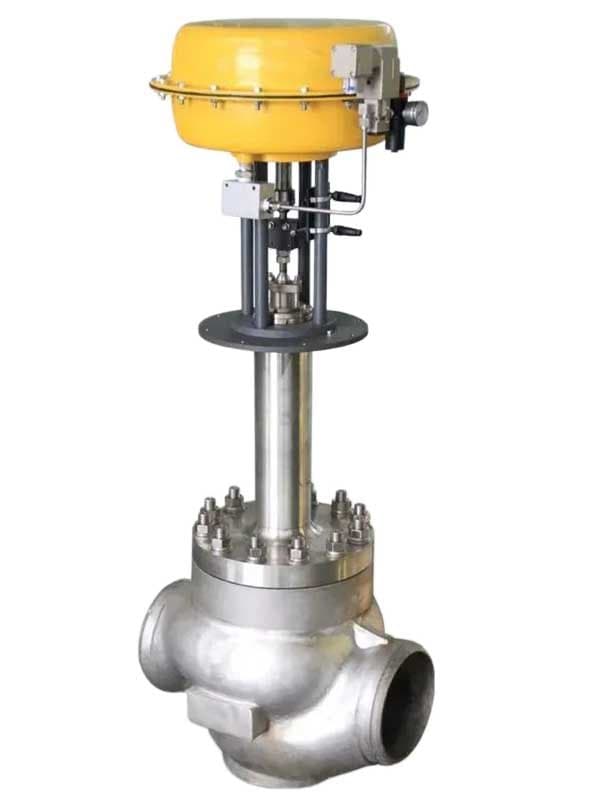
Van Điều Khiển Nhiệt Độ Thấp
Kích thước: 1/2" - 8" (DN15 - DN200) Áp suất: Class 150 - 600 / PN 10-100 Tiêu chuẩn: BS 6364, MSS SP-134, IEC 60534, ISA 75 Vật liệu thân: A351 CF8M, A182 F316, A182 F55, Monel Ghế: Kim loại với kim loại có lớp phủ Stellite Thiết kế: Thân dạng cầu, thân van kéo dài, bộ giảm áp đa tầng hoặc cân bằng có sẵn Bộ Truyền Động Phải Giữ Ấm Van điều khiển trong ứng dụng nhiệt độ đông lạnh gặp hai vấn đề mà van điều khiển thông thường không gặp phải. Thứ nhất, bộ truyền động. Bộ truyền động khí nén sử dụng màng cao su và gioăng đàn hồi. Bộ truyền động điện sử dụng động cơ, bộ bánh răng và bộ định vị với các linh kiện điện tử. Không cái nào trong số này hoạt động được ở -196°C. Màng cao su đóng băng cứng—chúng nứt khi bộ truyền động cố gắng hành trình. Động cơ điện mất mô-men xoắn ở nhiệt độ đông lạnh. Bộ định vị bị trôi hoặc hỏng vì hiệu chuẩn của chúng giả định hoạt động ở nhiệt độ môi trường. Phần cổ nối dài trên van điều khiển đông lạnh thực hiện cách nhiệt tương tự như trên van cách ly—giữ khoang đệm ở nhiệt độ môi trường—nhưng nó có lợi ích thứ hai đặc thù cho van điều khiển: nó tạo khoảng cách đủ giữa thân van đông lạnh và bộ truyền động để bộ truyền động hoạt động ở nhiệt độ môi trường bình thường. Mặt bích lắp bộ truyền động trên đỉnh cổ nối dài ấm. Bộ truyền động hoạt động bình thường. Không sốc nhiệt. Không màng đông cứng. Không trôi bộ định vị. Thứ hai: bộ tiết lưu. Van điều khiển trong dịch vụ đông lạnh tiết lưu—chúng điều chỉnh dòng chảy liên tục, không chỉ đóng mở. Việc tiết lưu đó tạo ra sụt áp qua bộ tiết lưu. Trong giảm áp đông lạnh—ví dụ giảm áp LNG từ bồn chứa sang vận chuyển—sụt áp buộc một phần chất lỏng đông lạnh bay hơi thành khí ngay lập tức. Dòng chảy hai pha—lỏng và khí trộn lẫn—ăn mòn bộ tiết lưu tiêu chuẩn chỉ trong vài tháng. Vận tốc cao, mật độ thay đổi qua đế van, và khí bay hơi mang theo các giọt lỏng va đập vào bề mặt bộ tiết lưu như phun cát. Bộ tiết lưu đa tầng ngăn chặn hiện tượng bay hơi chớp Bộ tiết lưu đa tầng chia tổng sụt áp thành nhiều tầng bên trong thân van thay vì dồn toàn bộ vào một vòng đế. Mỗi tầng giảm áp theo từng bước. Cường độ bay hơi chớp ở mỗi tầng thấp hơn vì bước áp suất nhỏ hơn. Dòng chảy hai pha ít mạnh hơn vì ít chất lỏng bay hơi hơn ở mỗi bước. Bộ tiết lưu tồn tại được. Hãy nghĩ theo cách này: giảm 10 bar qua một lỗ đơn trong dịch vụ chất lỏng đông lạnh tạo ra dòng bay hơi chớp dữ dội—hầu hết chất lỏng bay hơi thành khí tại lỗ, và tia hai pha kết quả phá hủy bộ tiết lưu phía sau. Giảm cùng 10 bar qua bốn tầng—2,5 bar mỗi tầng—tạo ra bay hơi chớp nhẹ ở mỗi tầng. Chất lỏng ở mỗi áp suất trung gian vẫn chủ yếu là lỏng. Bộ tiết lưu chịu được điều kiện dòng chảy kiểm soát được ở mỗi tầng. Van điều chỉnh áp suất mà không tự phá hủy. Bộ tiết lưu cân bằng có sẵn cho điều chỉnh đông lạnh áp suất cao. Cân bằng nghĩa là nút van có các rãnh cân bằng áp suất giúp giảm lực thủy lực ròng mà bộ truyền động phải vượt qua. Trong dịch vụ đông lạnh áp suất cao—ví dụ điều chỉnh LNG từ 50 bar xuống 5 bar—lực không cân bằng trên nút van sẽ đòi hỏi bộ truyền động quá khổ. Bộ tiết lưu cân bằng cắt giảm lực đó để bộ truyền động kích thước tiêu chuẩn xử lý việc điều chỉnh mà không cần nguồn khí hoặc công suất động cơ quá mức. Van điều khiển đông lạnh sử dụng thân van dạng cầu, không phải thân van bi. Hình dạng thân van cầu cho bạn đường dòng chảy phù hợp cho tiết lưu—chất lỏng vào thân, chuyển hướng qua vòng đế và nút van, và thoát ra với sụt áp được kiểm soát. Hình dạng van bi không điều chỉnh tốt—đường dòng chảy về cơ bản là hình trụ thẳng với vật cản xoay được. Bạn có thể tiết lưu van bi một chút, nhưng mài mòn đế nhanh và đặc tính dòng chảy phi tuyến. Van tiết lưu dẫn hướng bằng lồng giữ cho nút van nằm chính giữa lồng trong suốt quá trình di chuyển – phù hợp hơn cho các ứng dụng lưu lượng cao, nơi độ ổn định của nút van rất quan trọng. Van tiết lưu dẫn hướng bằng thân van dẫn hướng nút van từ khớp nối thân van – cấu tạo đơn giản hơn, phù hợp với kích thước nhỏ hơn và lưu lượng thấp hơn. Cả hai loại đều có lớp phủ Stellite trên bề mặt tiếp xúc. Stellite có khả năng chống lại tác động ăn mòn của dòng chảy hai pha ở nhiệt độ cực thấp tốt hơn so với thép không gỉ trần, kéo dài tuổi thọ của van tiết lưu trong điều kiện hoạt động nhanh. Các chi tiết kỹ thuật quan trọng Lựa chọn vật liệu bộ tiết lưu phụ thuộc vào sụt áp và cường độ bay hơi chớp của bạn. Lớp phủ Stellite trên bộ tiết lưu thép không gỉ xử lý bay hơi chớp đông lạnh ở mức trung bình—sụt áp dưới 5 bar mỗi tầng, tỷ lệ bay hơi dưới 15%. Cường độ bay hơi chớp cao hơn đòi hỏi vật liệu bộ tiết lưu cứng hơn—lớp phủ Inconel, miếng chèn cacbua vonfram, hoặc bộ tiết lưu toàn phần bằng Monel cho dịch vụ khắc nghiệt. Đừng chọn Stellite cho mọi thứ. Nó đắt hơn thép không gỉ trần và nếu ứng dụng của bạn không cần, bạn đang lãng phí tiền. Nhưng nếu ứng dụng của bạn cần và bạn chọn thép không gỉ trần, bạn sẽ phải thay bộ...
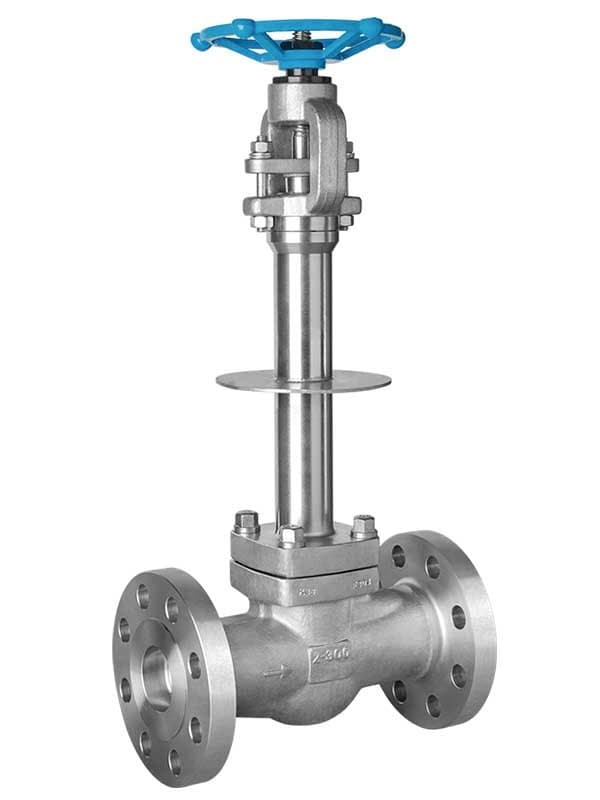
Van Cổng Thép Rèn Mặt Bích Nhiệt Độ Thấp
Kích thước: 1/2" - 2" (DN15 - DN50) Áp suất: Class 150 - 800 / PN 10-130 Tiêu chuẩn: BS 6364, MSS SP-134, ASME B16.34, ASME B16.11 Vật liệu thân: A182 F316 (rèn), A182 F304 (rèn), A182 F51/F55 (duplex/super duplex rèn) Đế van: Kim loại-kim loại, cổng nêm đặc; có thể phủ lớp Stellite Thiết kế: Thân rèn, đầu hàn ống hoặc đầu ren, nắp van kéo dài, trục nâng OS&Y, cổng nêm đặc Cách Ly Đường Kính Nhỏ, Không Xốp Van này nằm trên các đường ống nhỏ. Từ 1/2" đến 2". Các điểm lấy tín hiệu dụng cụ. Các ống góp lấy mẫu. Các điểm cách ly tay nạp hàng. Những đường ống bạn không nghĩ đến cho đến khi cần—và khi đó bạn cần chúng bịt kín tuyệt đối. Ở các kích thước này, rèn không phải là nâng cấp so với đúc. Đúc không hiệu quả về chi phí ở 1/2"-2" dù sao đi nữa. Rèn là quy trình sản xuất tự nhiên cho thân van đường kính nhỏ. Và nó mang lại cho bạn sự đảm bảo không xốp mà cách ly đông lạnh quan trọng đòi hỏi. Thân rèn A182 F316—không có lỗ rỗng, không có đường rò rỉ ẩn, không có độ xốp vi mô có thể mở ra ở -196°C. Nếu bạn đang chỉ định một van cổng đông lạnh đường kính nhỏ và bạn quan tâm đến tính toàn vẹn của thân van, thì đây là loại phù hợp. Nó không đắt hơn so với lựa chọn đúc. Nó đơn giản là tốt hơn vì quy trình sản xuất hợp lý ở các kích thước này cũng tạo ra chất lượng thân van mà bạn cần. Nêm Đặc Ở Kích Thước Nhỏ—Giữ Đơn Giản Cổng nêm linh hoạt quan trọng ở 2" trở lên. Ở 1/2"-2", nó không cần thiết. Chênh lệch co ngót giữa cổng van và thân van là không đáng kể ở các đường kính nhỏ này. Cổng van nhỏ. Thân van nhỏ. Chúng nguội và co lại gần như giống hệt nhau. Cổng nêm đặc bịt kín tốt mà không cần điều chỉnh linh hoạt. Thêm cơ chế nêm linh hoạt vào van 1/2" sẽ làm tăng độ phức tạp mà không thêm giá trị. Nhiều bộ phận hơn. Nhiều điểm hỏng hóc tiềm ẩn hơn. Nhiều chi phí hơn. Không có lợi ích. Nêm đặc. Đơn giản. Đáng tin cậy. Bịt kín ở -196°C vì hình học đủ nhỏ để co ngót nhiệt không tạo ra vấn đề kẹt. Đây là chủ nghĩa thực dụng kỹ thuật—sử dụng cơ chế bạn cần, bỏ qua cơ chế bạn không cần. Hàn Ổ Cắm và Ren—Tiêu Chuẩn Cho Đường Kính Nhỏ Đầu hàn ổ cắm cho lắp đặt cố định. Đầu ren cho các kết nối có thể bảo trì. Hàn đối đầu có sẵn nếu bạn thích. Đây là các loại kết nối tiêu chuẩn cho đường ống quy trình 1/2"-2" trong dịch vụ đông lạnh. Hàn ổ cắm mang lại cho bạn mối nối sạch, cố định—không có khả năng rò rỉ qua lỗ bu lông, không có gioăng để thay thế. Bạn hàn một lần và nó ở đó mãi mãi. Đối với các điểm lấy tín hiệu cách ly dụng cụ trên tháp tách khí, cho các điểm lấy mẫu đông lạnh cố định, hàn ổ cắm là lựa chọn đúng. Đầu ren cho bạn khả năng tháo và thay thế van mà không cần hàn. Đối với các kết nối có thể bảo trì—nơi bạn có thể cần thay van trong thời gian bảo dưỡng mà không cần công việc nóng—đầu ren tiết kiệm thời gian. ASME B16.11 bao phủ cả hai loại. Class 800 Ở Đường Kính Nhỏ—Thân Rèn Xử Lý Được Định mức áp suất lên đến Class 800 ở kích thước 1/2"-2". Đó là PN 130. Thân rèn xử lý áp suất cao hiệu quả ở đường kính nhỏ—vật liệu đặc, đồng nhất và độ dày thành so với đường kính lỗ là đáng kể. Điều này hữu ích cho dịch vụ đông lạnh áp suất cao. Không phải mọi đường ống đông lạnh đều chạy ở Class 150. Hóa lỏng hydro, xử lý khí áp suất cao, một số giai đoạn tách khí—các dịch vụ này chạy ở áp suất cao. Thân rèn ở đường kính nhỏ mang lại cho bạn định mức áp suất mà không cần chuyển sang thiết kế van áp suất cao chuyên dụng. Vị Trí Của Van Này Van cổng cách ly cần nạp LNG. Van lấy mẫu đông lạnh. Van cách ly thiết bị trên cột tách khí. Van đóng cắt đường kính nhỏ trên các thiết bị cracking etylen. Bất kỳ vị trí nào cần van cổng đường kính 1/2"-2" với thân van chắc chắn và thiết kế chịu được nhiệt độ đông lạnh. Nó không phải là van hào nhoáng trên dự án. Nó là loại nằm trên các đường ống nhỏ không ai chụp ảnh. Nhưng những đường ống đó quan trọng—nguồn cấp dụng cụ, tiếp cận lấy mẫu, cách ly an toàn. Khi chúng hỏng, bạn sẽ nhận ra. A: Ở kích thước 1/2"-2", chênh lệch co ngót giữa đĩa van và thân van là không đáng kể—chúng nguội và co lại gần như giống hệt nhau. Đĩa chêm đặc bịt kín đáng tin cậy mà không cần cơ chế linh hoạt. Thêm đĩa chêm linh hoạt sẽ làm tăng độ phức tạp và chi phí mà không mang lại lợi ích hiệu suất nào ở các đường kính nhỏ này. A: Hàn ổ cắm cho các lắp đặt cố định—mối hàn sạch, không có gioăng, không có nguy cơ rò rỉ ngoài bản thân mối hàn. Ren cho các kết nối cần bảo trì, nơi bạn có thể cần thay van trong thời gian ngừng máy mà không cần hàn nóng. Chọn dựa trên triết lý tiếp cận bảo trì của bạn. A: Thân van rèn có khả năng chịu áp suất cao hiệu quả ở đường kính nhỏ. Vật liệu đặc và đồng nhất (không có lỗ rỗng), và độ dày thành van so với đường kính lỗ khoan là đáng kể. Ở đường kính 1/2"-2", thân van rèn A182 F316 hỗ trợ cấp độ 800 mà không cần thiết kế van áp suất cao chuyên dụng. A: Có. Lớp phủ Stellite có sẵn cho các ứng dụng chu kỳ cao, nơi mài mòn bệ van là mối quan tâm. Đối với...
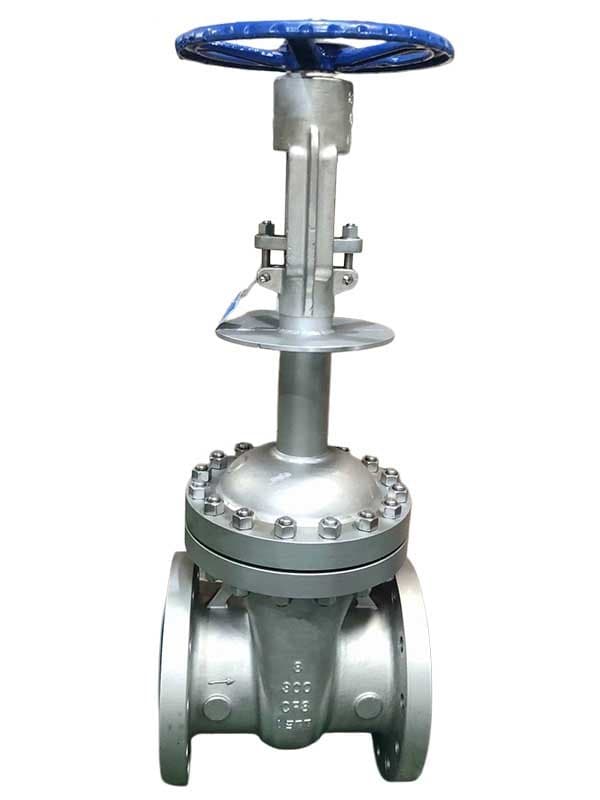
Van Cổng Nhiệt Độ Thấp
Kích thước: 1/2" - 24" (DN15 - DN600) Áp suất: Class 150 - 600 / PN 10-100 Tiêu chuẩn: API 6D, BS 6364, MSS SP-134, ASME B16.34 Vật liệu thân: A351 CF8M (đúc 316), A351 CF8 (đúc 304), A216 WCB (đúc thép carbon, tối thiểu -46°C) Bệ van: Tiếp xúc kim loại-kim loại, đĩa chêm linh hoạt hoặc đĩa chêm đặc Thiết kế: Thân đúc, mặt bích hoặc đầu hàn giáp mép, nắp kéo dài, trục nâng (OS&Y) hoặc trục không nâng, lỗ thông hơi khoang thân Van Đáp Ứng Mọi Nhu Cầu Đây là van cổng nhiệt độ lạnh cơ bản. Loại van xuất hiện trên mọi bảng thông số kỹ thuật của nhà máy LNG. Loại van xử lý từ 1/2" đến 24" trong một thiết kế duy nhất. Nó không chuyên dụng. Nó không phải phiên bản cao cấp thân rèn. Nó không phải tùy chọn hai mảnh nhỏ gọn. Nó là van cách ly đa dụng hoạt động ở mọi nhiệt độ lạnh từ -46°C đến -196°C. Và phạm vi rộng đó chính là điểm mạnh của nó. Khi bạn cần đặc tả van cho toàn bộ dây chuyền quy trình nhiệt độ lạnh—xử lý LNG, tách khí, cracking ethylene—bạn cần một loại van bao phủ toàn bộ phạm vi. Bạn không muốn ba thiết kế van cổng khác nhau cho ba dải kích thước khác nhau. Bạn muốn một loại. Đây chính là loại đó. Thân Đúc—Thực Tế Ở Kích Thước Lớn Hãy nói thẳng về thân đúc. A351 CF8M ở -196°C. A216 WCB ở -46°C. Đúc, không phải rèn. Các thân van rèn có chất lượng tốt hơn—không có lỗ rỗng, không có khoảng trống ẩn, không có đường rò rỉ tiềm tàng. Chúng tôi sản xuất các phiên bản rèn. Nhưng ở kích thước trên 12 inch, thân van rèn có giá gấp hai đến ba lần so với thân van đúc. Quá trình rèn ở đường kính lớn rất tốn kém. Đúc thì tiết kiệm chi phí hơn. Và đối với hầu hết các ứng dụng—không phải các điểm cách ly quan trọng, không phải các điểm dừng an toàn, mà là các điểm cách ly quy trình tiêu chuẩn trên đường ống đông lạnh—thân van đúc A351 CF8M hoạt động tốt. Nó chịu được lực. Nó kín. Thử nghiệm đông lạnh BS 6364 đã xác nhận điều đó. Bạn đặc tả thân rèn cho các điểm quan trọng. Bạn đặc tả thân đúc cho phần còn lại. Đó là cách các nhà máy thực tế được xây dựng. Đĩa Chêm Linh Hoạt Cho Nhiệt Độ Rất Thấp, Đĩa Chêm Đặc Cho Nhiệt Độ Trung Bình Ở -196°C, đĩa van và thân van co lại khác nhau. Các phần khác nhau nguội với tốc độ khác nhau. Đĩa chêm đặc có thể bị kẹt. Đĩa chêm linh hoạt—hai đĩa với một quả cầu ở giữa—tự điều chỉnh độc lập với từng vòng bệ van. Việc đóng kín vẫn chặt. Việc mở vẫn dễ dàng. Ở nhiệt độ lạnh trung bình—từ -46°C đến -100°C—chênh lệch co ngót nhỏ hơn. Đĩa chêm đặc bịt kín tốt. Nó đơn giản hơn. Nó rẻ hơn. Nó đáng tin cậy hơn vì có ít cơ chế cần bảo trì. Đối với cách ly nhà máy tách khí ở -100°C, đĩa chêm đặc là lựa chọn thực tế. Chúng tôi cung cấp cả hai. Bạn chọn dựa trên nhiệt độ vận hành của mình. Lỗ Thông Hơi Khoang Thân—Khí Bị Kẹt Giết Chết Van Van cổng đông lạnh có một lỗ thông hơi trên thân van. Sau đây là lý do. Khi van đóng, môi chất lỏng nhiệt độ lạnh lấp đầy khoang thân quanh đĩa van. Khi nhiệt độ xung quanh dao động, chất lỏng đó có thể bay hơi. Áp suất khí tích tụ bên trong khoang. Đĩa van bị khóa—áp suất ở cả hai phía của chêm, không có cách nào mở nó mà không cân bằng áp suất trước. Lỗ thông hơi cho phép khí đó thoát ra. Áp suất cân bằng. Đĩa van di chuyển tự do. Đó là một chi tiết nhỏ. Nhưng không có nó, van hỏng trong quá trình vận hành—không phải vì vật liệu sai, không phải vì thiết kế kém, mà vì áp suất khí bị kẹt khóa cơ chế. BS 6364 yêu cầu điều đó. Chúng tôi lắp nó trên mọi van chúng tôi sản xuất. Nắp Kéo Dài—Nguyên Tắc Tương Tự, Mọi Kích Thước Hộp nhồi cần giữ ấm. Ở -196°C, vật liệu nhồi đóng băng. Trục bị kẹt. Bạn không thể vận hành van. Nắp kéo dài nâng hộp nhồi ra khỏi vùng lạnh—nhiệt độ môi trường 30°C tại hộp nhồi, -196°C tại thân van. Mọi van nhiệt độ lạnh đều cần điều này. Van này có nó. Từ 1/2" đến 24". Nguyên tắc tương tự. Độ tin cậy tương tự. A: Với kích thước trên 12 inch, thân van rèn có giá thành cao hơn gấp 2-3 lần so với thân van đúc. Đối với việc cách ly trong quy trình tiêu chuẩn—không phải các trường hợp dừng khẩn cấp vì lý do an toàn—thân van đúc A351 CF8M tiết kiệm chi phí và hoạt động đáng tin cậy. Thử nghiệm nhiệt độ cực thấp theo tiêu chuẩn BS 6364 xác nhận hiệu suất của thân van đúc. Bạn nên dành thân van rèn cho các điểm quan trọng và sử dụng thân van đúc cho các trường hợp còn lại. A: Nêm linh hoạt dùng cho dịch vụ đông lạnh sâu ở -196°C, nơi sự co giãn nhiệt khác biệt có thể kẹt nêm đặc. Nêm đặc dùng cho nhiệt độ đông lạnh trung bình (-46°C đến -100°C), nơi chênh lệch co giãn đủ nhỏ để nêm đặc bịt kín đáng tin cậy mà không cần cơ chế linh hoạt. A: Khi van đóng lại, chất lỏng trong khoang thân van có thể bay hơi và tạo ra áp suất khí, giữ cho van đóng chặt giữa hai lực áp suất. Lỗ thông hơi cho phép khí thoát ra ngoài để van có thể di chuyển tự do. Tiêu chuẩn BS 6364 yêu cầu tính năng này trên tất cả các van cổng dùng cho môi trường đông lạnh. A: Từ cấp 150 đến cấp 600 (PN 10-100). Thân van đúc và thiết kế đế van bằng kim loại đáp...
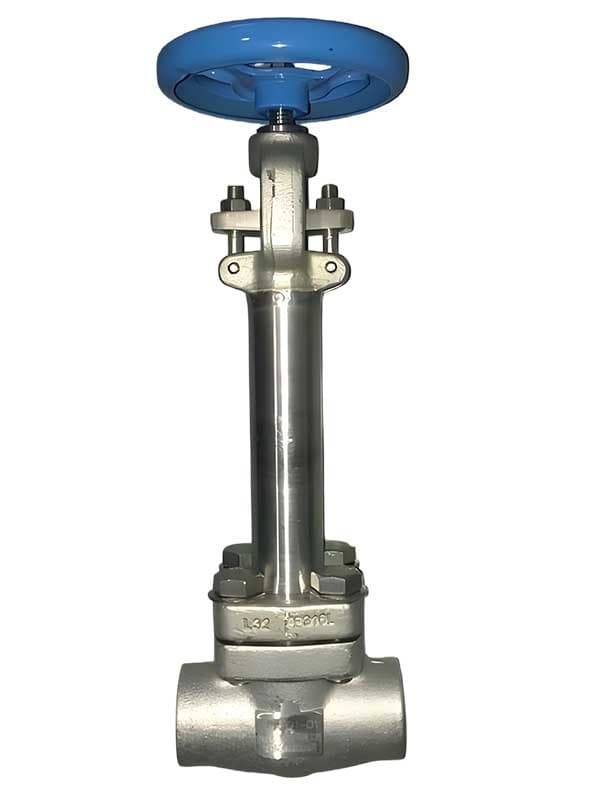
Van Cổng Thép Rèn Nhiệt Độ Thấp
Van cổng thép rèn đông lạnh được thiết kế cho dịch vụ nhiệt độ cực thấp từ -196°C đến -50°C, thường dùng trong các nhà máy LNG, ethylene và tách khí. Kết cấu thép rèn (ASTM A350 LF2/LF3) đảm bảo tính chất cơ học vượt trội và tính toàn vẹn kết cấu ở nhiệt độ đông lạnh nơi vật liệu đúc có thể bị giòn. Đặc điểm thiết kế: - Thiết kế nắp ca-pô kéo dài với cột khí đủ để ngăn đệm trục bị đóng băng - Xử lý đông lạnh sâu cho đế và các bộ phận làm kín để ổn định kích thước - Đóng kín hoàn toàn với tùy chọn đế kim loại tiếp xúc kim loại hoặc PTFE/PEEK - Thiết kế trục chống tĩnh điện và chống bật ra theo yêu cầu API 6D - Có van bypass và cân bằng áp suất cho ứng dụng đông lạnh áp suất cao Q: Van cổng thép rèn đông lạnh xử lý dải nhiệt độ nào? A: Các van này được thiết kế cho dịch vụ liên tục ở nhiệt độ từ -196°C (-320°F) đến -50°C (-58°F), bao phủ các ứng dụng LNG (-162°C), nitơ lỏng (-196°C), oxy lỏng (-183°C) và ethylene (-104°C). Q: Tại sao nắp ca-pô kéo dài cần thiết cho van đông lạnh? A: Nắp ca-pô kéo dài tạo ra cột khí hoạt động như lớp cách nhiệt, ngăn chất lỏng đông lạnh tiếp cận đệm trục. Điều này ngăn đệm bị đóng băng và trở nên giòn, gây rò rỉ trục. Chiều dài kéo dài tiêu chuẩn là 1,5 đến 3 lần kích thước van tùy thuộc vào nhiệt độ. Q: Vật liệu nào được sử dụng để chế tạo van đông lạnh? A: Thân rèn sử dụng thép cacbon nhiệt độ thấp ASTM A350 LF2 (cho -46°C) hoặc LF3 (cho -101°C). Đối với nhiệt độ dưới -101°C, thép không gỉ austenit (ASTM A182 F304L hoặc F316L) được yêu cầu do độ dẻo dai đông lạnh tuyệt vời. Các bộ phận bên trong sử dụng thép không gỉ 316 với lớp phủ cứng Stellite trên bề mặt đế.
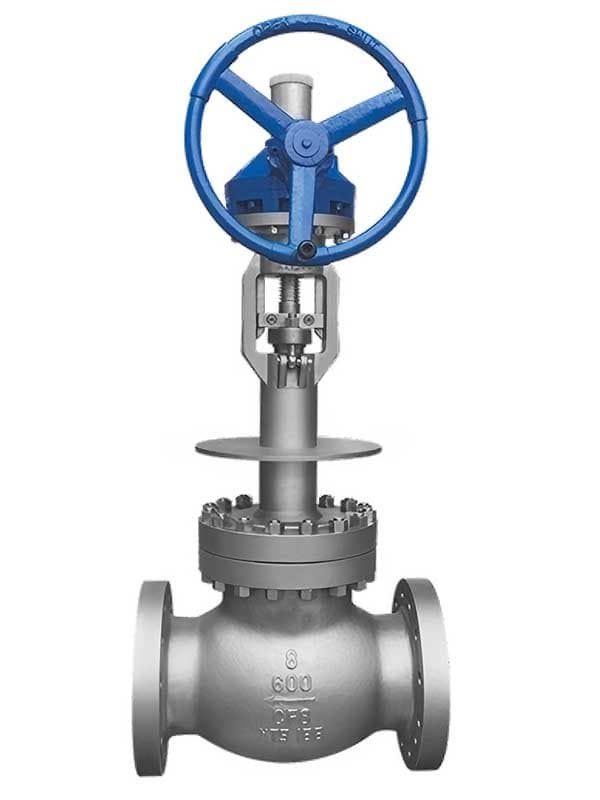
Van Cầu Điều Chỉnh Mặt Bích Nhiệt Độ Thấp
Van cầu mặt bích đông lạnh được thiết kế để kiểm soát lưu lượng chính xác trong hệ thống đường ống nhiệt độ cực thấp, hoạt động từ -196°C đến -50°C. Kết nối mặt bích theo ASME B16.5 tạo điều kiện lắp đặt và bảo trì trong các đường ống quy trình đông lạnh nơi hàn có thể không khả thi do hạn chế vật liệu ở nhiệt độ thấp. Đặc điểm thiết kế: - Nắp ca-pô kéo dài với cách nhiệt cột khí để bảo vệ đệm trục khỏi nhiệt độ đông lạnh - Dạng van cầu với nút hình parabol hoặc cổng V để điều khiển điều chỉnh chính xác - Thân thép không gỉ austenit rèn hoặc đúc (A351 CF8M / A182 F316L) cho độ dẻo dai đông lạnh - Bu lông và đai ốc nắp ca-pô bằng thép hợp kim nhiệt độ thấp theo ASTM A320/A194 - Lỗ giảm áp khoang trong nêm để ngăn hư hỏng do giãn nở chất lỏng bị kẹt - Có sẵn với bộ truyền động khí nén hoặc điện cho điều khiển quy trình đông lạnh tự động Q: Sự khác biệt giữa van cầu đông lạnh và van cổng đông lạnh là gì? A: Van cầu cung cấp khả năng điều chỉnh lưu lượng vượt trội với tổn thất áp suất cao hơn, lý tưởng cho điều khiển điều chỉnh trong quy trình đông lạnh. Van cổng cung cấp dòng chảy thẳng với tổn thất áp suất tối thiểu, phù hợp cho cách ly đóng/mở. Trong dịch vụ đông lạnh, van cầu thường được sử dụng cho đường bypass, thông hơi và điều khiển trong khi van cổng xử lý cách ly chính. Hỏi: Cơ chế xả áp trong khoang van hoạt động như thế nào trong van cầu dùng cho môi trường đông lạnh? Đáp: Một lỗ nhỏ được khoan trên nêm hoặc đĩa van để kết nối khoang thân van với phía thượng lưu. Khi van đóng và chất lỏng đông lạnh bị giữ lại nóng lên và giãn nở, lỗ xả áp sẽ ngăn chặn sự tích tụ áp suất nguy hiểm có thể làm hỏng thân van hoặc trục van. Q: Yêu cầu thử nghiệm nào cho van cầu đông lạnh? A: Van đông lạnh yêu cầu thử nghiệm đặc biệt theo BS 6364 bao gồm: thử nghiệm rò rỉ khối phổ kế heli ở nhiệt độ đông lạnh, thử nghiệm rò rỉ đế ở nhiệt độ đông lạnh -196°C với heli, và thử nghiệm chu kỳ nhiệt. Mỗi van phải chứng minh khả năng đóng kín hoàn toàn ở nhiệt độ đông lạnh thiết kế trước khi xuất xưởng.
Tổng quan kỹ thuật
Van đông lạnh hoạt động trong dịch vụ chất lỏng dưới -46°C (theo định nghĩa ASHRAE) và xuống đến -196°C (nitơ lỏng, điểm sôi LNG). Ở nhiệt độ này, ba vấn đề thiết kế mà van tiêu chuẩn không bao giờ gặp phải trở nên nghiêm trọng: (1) hỏng đệm làm kín — đệm PTFE tiêu chuẩn bị nứt và đệm graphite mất độ đàn hồi dưới -100°C, do đó buồng đệm phải được giữ ở nhiệt độ môi trường thông qua cổ van kéo dài, thêm đủ chiều dài trục để đưa bộ nén đệm lên trên đường băng giá. (2) khóa áp suất chất lỏng bị kẹt — khi van đóng với chất lỏng đông lạnh bị kẹt bên trong khoang thân van, chất lỏng đó ấm dần qua dẫn nhiệt, giãn nở từ lỏng sang khí, và áp suất tăng đột biến có thể khóa cơ cấu đóng vào đế van; lỗ thông hơi xuyên qua bi (van bi) hoặc lỗ thông hơi khoang thân (van cổng) ngăn chặn khóa áp suất này. (3) vật liệu đế van bị giòn — PTFE tiêu chuẩn trở nên giòn dưới -100°C và nứt dưới ứng suất đóng; PCTFE (Kel-F) và TFM giữ được độ linh hoạt và tính toàn vẹn làm kín xuống đến -196°C. FLOWKS sản xuất tám cấu hình van đông lạnh bao gồm các loại van bi, van cầu, van bướm, van cổng và van điều khiển. Van bi đông lạnh nạp đỉnh cung cấp khả năng tiếp cận bảo trì trực tuyến qua nắp trên mà không cần tháo đường ống. Van bi đông lạnh hai mảnh cung cấp thân van nhỏ gọn ở kích thước 1/2"-4" khi khả năng bảo trì trực tuyến ít quan trọng hơn. Van cầu đông lạnh hàn đối đầu loại bỏ tất cả kết nối mặt bích để không có rủi ro rò rỉ mặt bích trên các lắp đặt cố định đường kính nhỏ. Van bướm đông lạnh có cổng kiểm tra kết hợp cách ly và giám sát quy trình trong một thân van thông qua cổng tiếp cận kín để cảm biến nhiệt độ/áp suất. Van điều khiển đông lạnh điều tiết lưu lượng với cổng kéo dài giữ bộ truyền động ở nhiệt độ môi trường và bộ giảm áp nhiều tầng ngăn chặn dòng chảy flash trong quá trình giảm áp đông lạnh. Van cổng đông lạnh thép rèn mặt bích cung cấp tính toàn vẹn thân rèn ở kích thước 2"-12" với tiếp cận mặt bích để bảo trì định kỳ. Van cổng đông lạnh thân đúc bao phủ toàn bộ phạm vi 1/2"-24" với giá đúc tiết kiệm chi phí cho cách ly đông lạnh thông thường. Van cổng đông lạnh thép rèn đường kính nhỏ cung cấp tính toàn vẹn rèn không xốp ở kích thước 1/2"-2" với kết nối hàn ổ cắm/ren cho các điểm cách ly cố định quan trọng.
Van đông lạnh FLOWKS cung cấp khả năng cách ly, điều tiết và điều khiển cho LNG, nitơ lỏng, oxy lỏng, argon lỏng và tất cả chất lỏng quy trình hoạt động dưới -46°C xuống đến -196°C. Thiết kế cổng kéo dài giữ buồng đệm trên đường băng giá để vật liệu đệm tiêu chuẩn hoạt động ở nhiệt độ môi trường trong khi thân van xử lý chất lỏng đông lạnh. Vật liệu đế PCTFE và TFM giữ độ linh hoạt và tính toàn vẹn làm kín khi PTFE tiêu chuẩn trở nên giòn. Lỗ thông hơi trên bi và lỗ thông hơi khoang thân ngăn chất lỏng đông lạnh bị kẹt giãn nở và khóa cơ cấu đóng. Van bi nạp đỉnh cung cấp khả năng tiếp cận bảo trì trực tuyến mà không cần tháo đường ống. Van bi hai mảnh cung cấp thân van nhỏ gọn cho các đường lấy mẫu LNG và đông lạnh đường kính nhỏ. Van cầu hàn đối đầu loại bỏ kết nối mặt bích để không có rủi ro rò rỉ mặt bích trên lắp đặt cố định. Van bướm có cổng kiểm tra kết hợp cách ly và giám sát quy trình thời gian thực thông qua cổng tiếp cận kín. Van điều khiển với bộ giảm áp nhiều tầng ngăn chặn dòng chảy flash trong quá trình giảm áp đông lạnh trong khi cổng kéo dài giữ bộ truyền động ấm. Van cổng thép rèn mặt bích cung cấp tính toàn vẹn thân rèn không xốp ở kích thước 2"-12". Van cổng thân đúc bao phủ 1/2"-24" với giá tiết kiệm chi phí. Van cổng rèn đường kính nhỏ với đầu hàn ổ cắm/ren cung cấp cách ly quan trọng ở kích thước 1/2"-2" lên đến Class 800.
Tải xuống sản phẩm
Tìm Kiếm Thêm Giải Pháp?
Khám phá dải sản phẩm được thiết kế cho thách thức ngành của bạn.
Ball Valves
FLOWKS offers floating ball valve, trunnion mounted ball valve and top entry ball valve for oil & gas, petrochemical and power generation. Designed per API 6D, API 608 and ASME B16.34.
DBB Valves
FLOWKS Double Block & Bleed (DBB) valves provide dual isolation with bleed verification in a single compact body. Replacing traditional multi-valve installations, FLOWKS DBB valves reduce weight, space and potential leak paths. Available in bolted bonnet, all-welded and expanding gate designs per API 6D and API 607.
Gate Valves
FLOWKS gate valves for isolation service in piping systems. Flexible wedge, solid wedge, slab and expanding gate designs per API 600, API 602 and ASME B16.34.
Globe Valves
FLOWKS globe valves for throttling and isolation. Standard, angle, Y-pattern and bellows seal configurations per API 602 and BS 1868.