products.productRange
适用于各种应用的完整工业阀门系列。
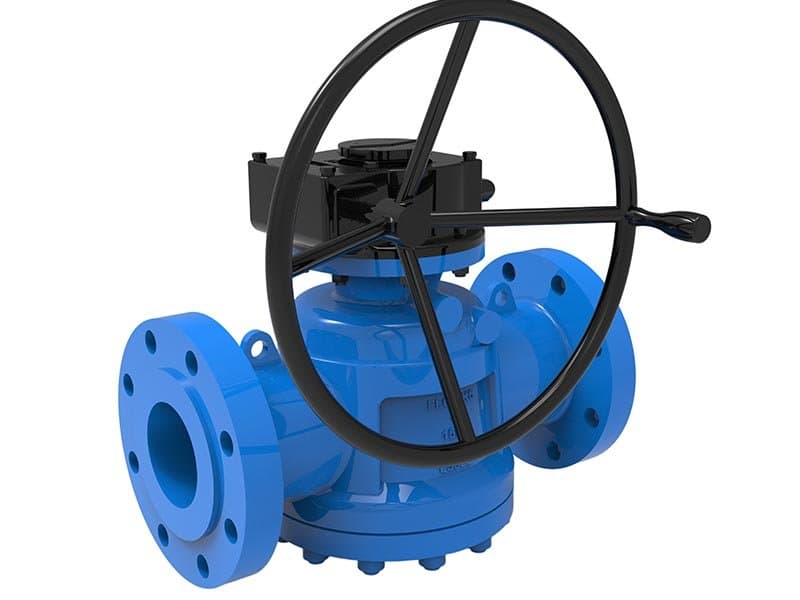
油润滑旋塞阀
口径:2" - 24"(DN50 - DN600) 压力:Class 150 - 600 / PN 10-100 标准:API 6D、API 599、ASME B16.34 阀体材料:A216 WCB、A217 WC6/WC9(铬钼钢)、A351 CF8M、A182 F316(锻制) 阀座:金属对金属,带润滑膜密封 设计:锥形塞,90°旋转,外部润滑剂喷射 当软阀座无法生存时 原油携带芳香烃。天然气携带凝析油。炼油工艺流携带的混合物会从内部侵蚀弹性体阀座——PTFE膨胀、Viton硬化、EPDM开裂。当您的管线介质对市面上所有软阀座选项都具有侵蚀性时,您需要一种不依赖嵌件即可密封的金属阀座。 这正是润滑旋塞阀的用武之地。锥形旋塞位于匹配的锥形阀体孔内——相同的几何形状、相同的锥角,金属对金属。没有润滑剂,这两个表面会咬合卡死,因为旋塞向关闭方向旋转时,锥度迫使接触面积不断增加。润滑剂注入系统同时解决了密封问题和摩擦问题。 每次操作循环前,您通过外部注脂嘴注入润滑脂。用注脂枪打几泵,然后转动阀门。润滑脂流经旋塞表面的内部分布槽,填充旋塞与阀体之间的微观间隙——形成同时承受管线压力并降低操作扭矩的静水膜。润滑脂不仅仅是便利措施,它就是主密封。 使其发挥作用的锥形几何形状 锥度是这种阀门可靠密封的全部原因。当旋塞向关闭方向旋转时,收窄的锥度增加了旋塞与阀体孔之间的接触压力。这正是迫使润滑膜进入每个表面不平整处的力量——几何本身就对密封层施加压力。打开旋塞,锥度松弛。关闭旋塞,锥度压缩。这是一种不依赖弹簧力或外部载荷的自调节密封。 阀体外部的润滑脂注入口连接到塞子表面加工的內部分布槽。你在外部看到那些接头——通常每个阀门一到两个,视尺寸而定。对于使用频率低的阀门,每次操作循环前注入;对于频繁操作的阀门,则设定定期注入计划。无论哪种方式,保持润滑脂膜就是保持密封。忽视注入计划,塞子最终会卡死。 专为管道隔离点设计 API 6D管道规范要求在隔离点使用润滑式旋塞阀,这些场合强制要求金属阀座,且管线介质不能耐受弹性体或PTFE。这不是小众需求——在原油干线、输气总管和炼油厂交叉管汇中,这是标准做法。Class 150至600覆盖了大多数管道运行的压力范围。2英寸至24英寸的尺寸则涵盖了从支管连接到主管道截断阀的直径范围。 阀体材料选项覆盖了温度和腐蚀范围。WCB用于常温碳钢工况。WC6和WC9用于高温Cr-Mo应用——蒸汽管线、高温烃类介质。CF8M用于耐腐蚀不锈钢要求。F316锻件用于高压不锈钢场合,此时铸造完整性不足。指定防火级润滑脂时可提供防火配置——阀门在火灾条件下保持密封完整性,因为金属对金属阀座不会烧毁。 答:对于使用频率低的隔离阀——每次操作循环前注入。用黄油枪打几下,然后转动塞子。对于定期循环的阀门,根据操作条件设定定期注入计划。大多数管道运营商对频繁循环的阀门每周或每月注入一次。 答:塞子最终会卡在阀体孔内。如果没有润滑油膜,锥形结构会导致金属与金属直接接触——这些表面会发生磨损。操作扭矩增大,然后塞子就会卡死。您需要将润滑油注入卡住的阀门并将其拧松,如果您按照注油计划进行操作,这本是可以避免的维护工作。 答:润滑脂膜密封提供非常低的泄漏——通常在API 6D对金属阀座阀门的可接受限值内。它无法像软阀座设计那样实现气泡级零泄漏。如果你的规格要求零可见泄漏,考虑改用软阀座旋塞阀,前提是你的管线介质与阀座材料兼容。 答:是的,当你指定防火级润滑脂时。金属对金属阀座在火灾条件下不会烧毁——阀座完整性由金属表面维持,而不是由会被破坏的弹性体维持。润滑脂膜可能会降解,但金属阀座提供备用密封能力。 答:锥形设计在塞子向关闭位置旋转时提供自调节接触压力。圆柱形塞子依赖沿整个密封长度的恒定接触压力——它们得不到锥形提供的渐进压缩。锥形还允许塞子在注入润滑脂时轻微提升,而不会完全脱离阀体孔。
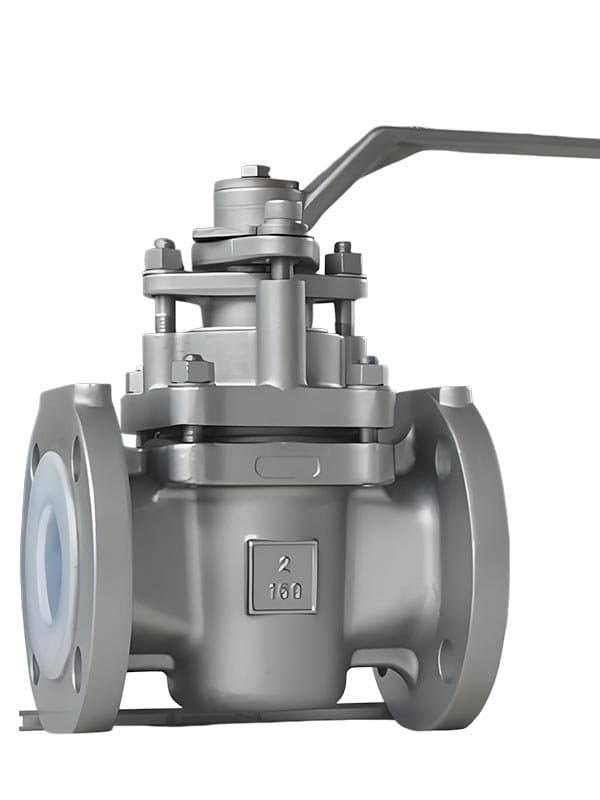
软密封旋塞阀
尺寸:1/2英寸 - 12英寸(DN15 - DN300) 压力:Class 150 - 300 / PN 10-40 标准:API 599、MSS SP-111、ASME B16.34 阀体材料:A216 WCB、A351 CF8M、A351 CF8、球墨铸铁(GGG40) 阀座:PTFE, RPTFE, FEP包覆, EPDM, Viton, NBR 设计:圆柱形或锥形塞子带软阀座嵌件,90°旋转,无需润滑 零泄漏——没有星号,没有免责声明 金属密封旋塞阀总会存在一些残余泄漏。表面光洁度不够完美,阀座圆周上的接触也不均匀,微小的通道会允许微量流体通过。这是金属与金属相互作用的物理特性——你可以改进它,但无法完全消除它。 软密封旋塞阀彻底解决了这个问题。当旋塞旋转至关闭位置时,阀座嵌件会紧贴旋塞表面。无论是 PTFE、Viton、EPDM 还是 NBR,无论您指定何种阀座材料,它都能在压缩下流入每一个表面不规则处,并填充每一个缝隙。最终实现气密性极佳的密封。在额定压力下,无任何可见泄漏。无需任何附加说明,无需“在可接受的范围内”,也无需任何限定条件。软密封阀座能够做到金属阀座无法做到的事情。 这就是为什么软阀座旋塞阀在水处理、化工加工以及任何零泄漏是规格要求而非愿望清单项目的应用中占据主导地位。当你的隔离点必须保持无通过时——联锁关断、取样连接、危险管线上的排放隔离——软阀座是正确的选择。 聚四氟乙烯:兼具两种功能的座椅 PTFE是主力材料。化学惰性——它几乎能处理所有工艺流体而不降解。自润滑——塞子与PTFE旋转时的摩擦低于任何金属对金属接触,这意味着更低的操作扭矩且无需外部润滑脂注入。可承受约200°C的连续温度。而且每次循环都能实现气泡级密封。 局限性:PTFE在持续压力载荷下会发生冷流。材料在阀塞端面施加的压缩力作用下缓慢变形。在额定压力下经过数百次循环后,阀座接触面形状发生变化——即发生蠕变。增强PTFE(RPTFE)通过添加玻璃纤维或碳填料来解决这一问题。增强材料减少了冷流变形并提高了耐压性,同时保留了使PTFE最初具有实用价值的化学惰性和自润滑特性。当您的应用处于压力范围上限或需要在更换阀座前承受更多循环次数时,RPTFE是实用的升级选择。 氟橡胶(Viton)适用于高温下具有腐蚀性的化学介质——酸、溶剂、碳氢化合物流体,这些介质会侵蚀其他弹性体。三元乙丙橡胶(EPDM)适用于水和蒸汽工况。丁腈橡胶(NBR)适用于中等温度下的油和燃料应用。每种阀座材料都有其性能优于替代品的特定范围,而错误的选择比不选择失效得更快。 防火安全在这里的真正含义 软阀座会燃烧。PTFE的熔点约为327°C——远低于火灾温度。氟橡胶和三元乙丙橡胶在火灾暴露下会分解。这就是软阀座的根本权衡:正常运行时零泄漏,但如果火灾波及阀门,密封完整性就会丧失。 防火安全版本通过FEP包覆金属嵌件解决这一问题。正常运行时,FEP外层提供软阀座密封——零泄漏、低扭矩,性能与您对PTFE阀座的期望一致。当火灾烧毁FEP层时,下方的金属嵌件保持密封完整性。阀门无需外部干预即可从软阀座密封过渡到金属阀座备用密封。火灾条件下并非零泄漏——而是满足防火测试标准的可接受泄漏量。但阀门不会发生灾难性失效,这正是防火安全规范所要求的。 答:这取决于工作压力和温度。在中等压力和不频繁循环的情况下,PTFE阀座可使用数千次循环。在额定压力和频繁循环的情况下,冷流变形会在几百次循环后变得明显。RPTFE阀座则能显著延长使用寿命。阀座更换应根据实际运行条件而定——没有统一的标准。 答:是的——PTFE和氟橡胶在气体上都能实现气泡级密封。关键考虑因素是气体成分。含凝析油芳烃的天然气可能随时间降解氟橡胶。纯干气使用PTFE效果良好。含H2S的湿气需要在选型前对阀座材料进行化学兼容性评估。 答:软阀座的完整性取决于阀座圆周上均匀的压缩。对于较大直径的阀门,保持这种均匀性变得困难——阀座嵌件必须覆盖更大的表面积,并且阀体孔径的尺寸变化会影响密封的一致性。金属密封润滑式阀门在处理较大尺寸的阀门时更为可靠。对于直径大于 12 英寸且要求零泄漏的应用,请考虑其他类型的阀门。 答:球墨铸铁(GGG40)适用于水、废水和非腐蚀性工业工况。它不适用于强腐蚀性化学管线——与CF8M不锈钢相比,耐腐蚀性有限。化工处理应用请指定CF8M或CF8。球墨铸铁是介质温和、温度适中时的经济高效选择。 答:影响显著。PTFE的摩擦系数约为带润滑膜金属对金属接触的三分之一。这意味着每个尺寸下的操作扭矩都更低——手动操作更轻松、执行器更小、操作机构磨损更少。每次循环前无需使用注脂枪。阀座具有自润滑性。
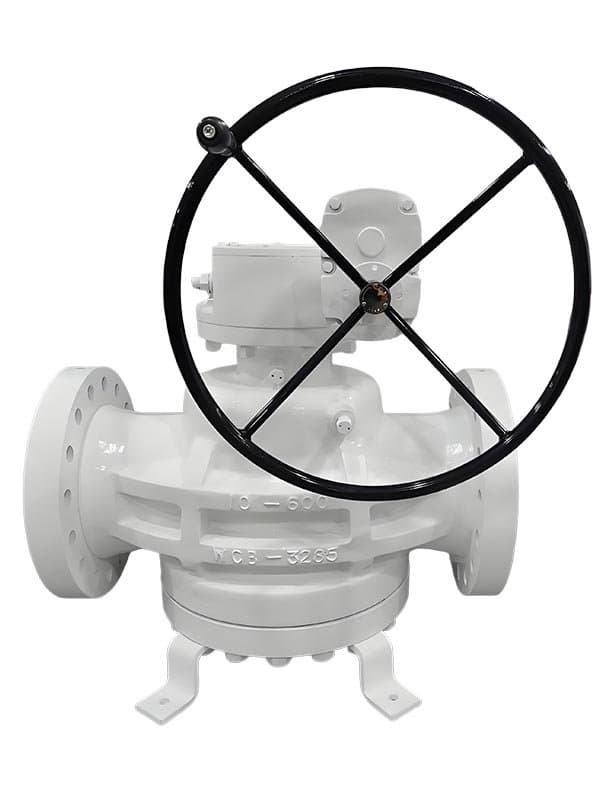
压力平衡式旋塞阀
尺寸:2英寸 - 24英寸(DN50 - DN600) 压力:Class 150 - 900 / PN 10-150 标准:API 6D、API 599、ASME B16.34 阀体材料:A216 WCB, A217 WC6/WC9, A351 CF8M, A182 F316 阀座:金属对金属(润滑)或软阀座(PTFE/RPTFE/氟橡胶) 设计:带内部旁通通道的压力平衡旋塞,90°旋转 没人谈论的扭矩问题 在12英寸管线上,600级压力的非平衡旋塞阀内部会发生以下情况:管线压力作用于旋塞阀瓣的一侧,而该力除了流入阀体内部之外别无他处。在12英寸直径的管线上施加600 psi的压力,会产生数千磅的非平衡液压力。操作人员必须克服这种力才能转动旋塞阀瓣——在这种压力下,手动操作几乎不可能。气动执行器难以胜任。电动执行器则需要功率更大的电机。扭矩需求决定了执行器的规格,而执行器的成本也随之而来。 压力平衡旋塞阀消除了这种液压力。内部旁通通道将上游和下游压力同时连接到阀塞两侧。上游压力推动上游阀塞端面。相同的压力通过内部通道引导,从相反方向推动下游阀塞端面。两个力相互抵消。阀塞上的净液压力降至接近零。 操作人员只需克服机械摩擦——而非液压压力。这就是手动可转动的阀门与需要数千美元执行器组件的阀门之间的区别。您可以手动操作16英寸Class 600的压力平衡旋塞阀。相同尺寸和压力等级的非平衡设计则无法手动操作。对于高压大口径的管线隔离点,压力平衡不是奢侈配置——而是将操作扭矩保持在可控范围内的唯一实用方法。 旁通通道如何在阀塞内部工作 内部旁通通道直接加工在旋塞组件上。通道将上游腔体连接到旋塞端面的下游侧,反之亦然。当管线压力进入阀门时,压力在旋塞开始旋转前通过这些通道流向旋塞两侧。压力平衡自动发生——无需操作员干预,无需外部平衡管线,无需控制系统。 这些通道增加了阀塞内部结构的复杂性。更多的加工特征意味着组件内部存在更多潜在的泄漏路径。当阀门处于关闭位置时,阀塞必须密封这些内部通道,防止交叉流动——否则旁通通道将绕过阀门本应提供的隔离功能。内部 O 形圈或金属对金属密封的旁通阀盖可以满足这一要求。这增加了阀塞内部的密封工作量,但在高压大直径应用中,扭矩的降低足以证明这种复杂性的合理性。 同一平台上的两种阀座选项 压力平衡旋塞阀不局限于一种阀座类型。当管线介质会降解弹性体阀座时——如原油、天然气、具有腐蚀性化学性质的炼油厂流——金属对金属润滑阀座适用。当规格要求零泄漏且介质与阀座材料兼容时,软密封PTFE或Viton嵌件适用。两种阀座类型均可在压力平衡平台上使用。 这种灵活性在管道隔离点至关重要,因为同一规格的阀门可能需要在不同位置满足不同的工况要求。例如,原油干线上的16英寸600级隔离阀需要润滑金属阀座。而相同尺寸和等级的阀门在注水管线上可能需要PTFE软阀座以实现零泄漏。阀门无需改变阀体设计或压力平衡几何形状,只需改变阀座结构即可。无论采用何种阀座类型,扭矩优势都保持不变。 A:交叉点取决于尺寸和介质压力。一般来说,在Class 300以上、尺寸10英寸及以上时,非平衡旋塞扭矩开始超过实际手动操作极限。在Class 600及以上、任何尺寸超过6英寸时,压力平衡是标准做法。在Class 150以下、较小尺寸时,非平衡设计工作良好——液压力是可管理的。 A:不会——当阀门完全关闭时,旁通通道在内部被密封。旋塞内部的O型圈或金属对金属座式封闭件阻止通过平衡通道的交叉流动。这些通道仅在旋塞在开启和关闭位置之间移动时平衡旋塞端面两侧的压力。关断完整性由主阀座维持,不会因平衡几何结构而受损。 A:实际上不行。旁通通道在制造过程中加工到旋塞组件中——你无法将内部通道改装到实心旋塞中。压力平衡从一开始就需要不同的旋塞设计。如果你的操作条件已改变且扭矩现在成为问题,你需要一个带有平衡旋塞配置的新阀门。 A:在旋塞拆卸进行大修时,可接触到在阀门关闭时密封平衡通道的内部O型圈或旁通封闭件。它们无法从阀门外部维护。在润滑金属阀座版本中,润滑脂注入计划覆盖主阀座和旁通密封表面——每次循环前注入润滑脂,内部密封保持受保护。在软密封版本中,旁通密封件遵循与主阀座嵌件相同的更换计划。 A:成本和可靠性。超大执行器昂贵——在大尺寸高压阀门上每个阀门需数千美元。它们需要更大的电源、更重的安装支架和更多维护。压力平衡将扭矩降低到标准执行器或手动操作器可工作的程度。资本成本更低,持续维护更少,且如果执行器故障,操作员仍可手动转动阀门。这是每次执行器离线时都能体现的可靠性优势。
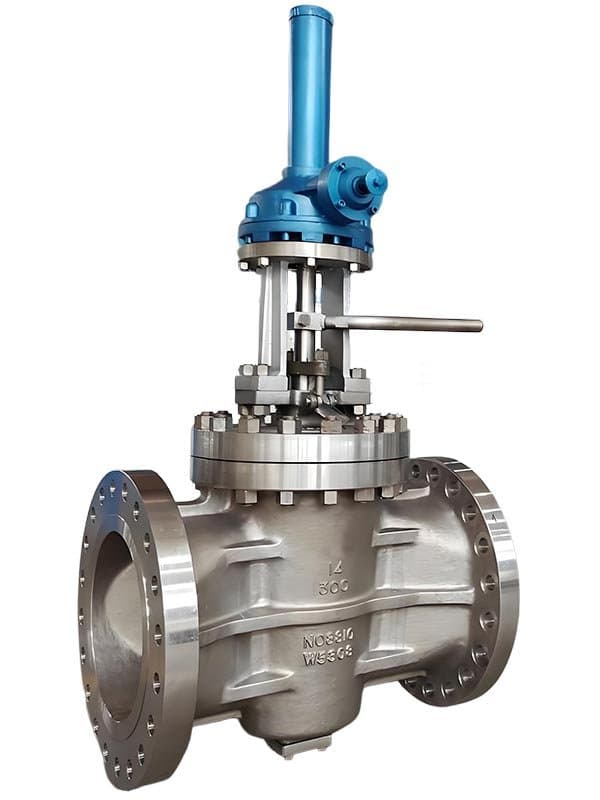
提升式旋塞阀
1/2英寸 – 4英寸(DN15 – DN100) Class 150 – 300 / PN 10-40 API 599、MSS SP-111、制造商特定标准 A216 WCB、A351 CF8M、A182 F316(锻造)、小尺寸用黄铜/青铜 金属对金属(旋塞端面与阀体阀座环)或软密封(PTFE/RPTFE嵌件)。金属阀座可选Stellite堆焊,用于耐磨/循环工况。 升降式操作——旋塞在旋转前从阀座上升起,然后重新就座。两步运动:升起 → 旋转 → 重新就座。旋转期间零滑动接触。 它实际如何运动 大多数旋塞阀让旋塞直接在阀座表面旋转。每次转动都会轻微刮擦阀座。在金属对金属阀门上经过数百次循环后,这种刮擦累积起来——咬合、阀座划伤、行程中途扭矩尖峰。你会在手柄上感觉到。阀门变得越来越难转动。 升降式旋塞阀完全避开了这个问题。在旋塞旋转之前,它直接向上从阀座上抬起。旋塞在旋转90°到新位置时处于悬空状态。然后它落回阀座上。升起、旋转、重新就座——三个独立动作,旋塞旋转时零滑动接触。 无刮擦。无咬合。无行程中途扭矩尖峰。阀座表面保持清洁,因为旋转期间没有任何东西在其上摩擦。 为什么止步于四英寸 升降式运动需要比简单四分之一转更多的阀杆行程。阀杆必须向上移动,然后旋转,然后向下移动。这种额外行程距离随阀门尺寸增大而增加——4英寸阀门升起几毫米,这是可管理的。12英寸阀门需要升起足够高以避开更大的阀座直径,机械组件很快变得笨重。 这就是为什么提升式旋塞阀适用于小口径领域。半英寸到四英寸。仪表隔离。取样点。化学注入管线。这些场合需要金属阀座密封,但阀门尺寸足够小,提升距离短,机构保持紧凑。 偏心塞设计通过偏移轴杆并使塞子以一定角度脱离阀座来处理较大尺寸的活塞。不同的机械方法,相同的目标。但对于以阀座磨损为主要考虑因素的小口径应用,升降式活塞可提供最干净利落的活塞动作。 金属阀座配Stellite何时有意义 软阀座(PTFE、RPTFE)在清洁、低温工况下表现良好。它们密封紧密、价格低廉,且不需要提升机构来保护——软材料不像金属那样容易磨损。 金属对金属阀座是提升式发挥价值的地方。磨蚀性浆料、每周数百次执行循环的循环工况、会破坏PTFE的高温工艺——这些是需要耐用硬阀座的应用。而且这种硬阀座在旋转过程中永远不会被刮擦。 阀座表面上的Stellite堆焊进一步增强了耐久性。Stellite耐磨损、耐咬合,在会侵蚀标准不锈钢阀座表面的工况中依然坚固。结合消除滑动接触的提升式运动,你得到了一对能反复循环而无渐进磨损的密封副。 答:不。升降式阀门最大尺寸为 4 英寸。尺寸更大时,升降距离会变得不切实际。对于 6 英寸及以上的尺寸,请使用偏心旋塞阀或其他类型的阀门。 答:是的。除了旋转之外,阀杆还需要轴向行程。执行器的选择必须考虑旋转开始前的提升行程。手柄操作式阀杆采用凸轮或螺纹驱动机构,在内部控制提升-旋转-复位的顺序。 答:两种设计都消除了滑动阀座接触,但方式不同。偏心设计偏置阀杆,使旋塞以一定角度从阀座凸轮脱开。提升式将旋塞垂直抬起。在小尺寸下,提升式以最简单的几何结构提供最直接的密封动作。在更大尺寸下,偏心设计更实用。 答:防火认证取决于制造商和配置。采用适当阀体材料的金属对金属阀座版本可满足API 607防火测试要求。软阀座版本在软嵌件烧毁后依赖金属备用阀座实现防火密封。请向制造商确认具体认证。 答:球阀的密封原理是利用软性阀座与旋转的球体进行摩擦——球体每旋转一周都会在阀座上滑动。在磨损性强或高循环工况下,这种滑动接触会磨损阀座。而采用金属阀座的升降式旋塞阀则完全消除了这种滑动接触。如果您的工况会导致球阀阀座随时间推移而磨损,那么升降式旋塞阀将为您提供更耐用的密封方案。
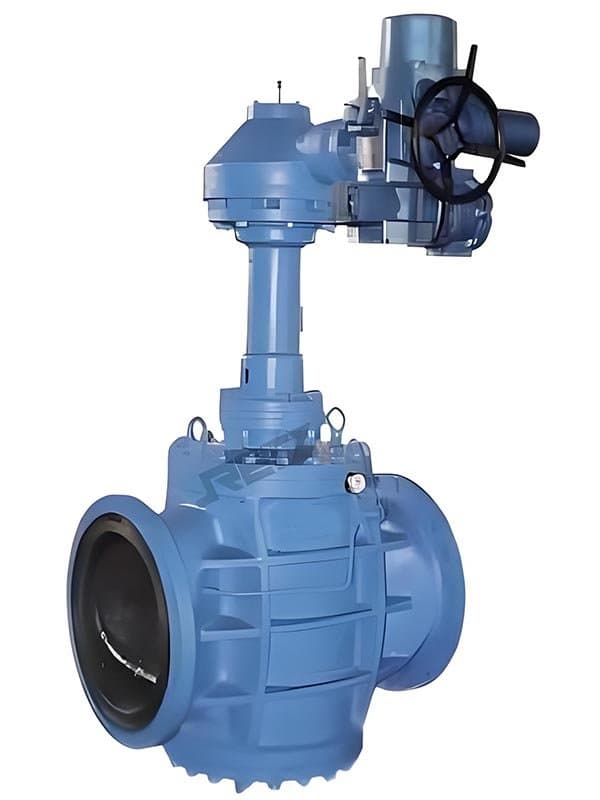
膨胀式旋塞阀-文丘里型
关于膨胀式旋塞阀-文丘里 2英寸–24英寸(DN50–DN600) Class 150 – 600 / PN 10-100 API 6D, API 599, ASME B16.34, API 607(可提供防火型) A216 WCB, A217 WC6/WC9, A351 CF8M 金属对金属、膨胀式旋塞机构。中心芯驱动可膨胀密封元件向外压向阀体阀座面,在单个阀体中实现DBB密封。 文丘里孔——阀座区域缩小的流通通道。膨胀式旋塞密封在文丘里阀座面上。开启时有压降;紧凑的阀座几何结构提高机构可靠性。 单阀体双阻塞与排放 管道隔离规范通常要求双阻塞与排放——两个独立密封边界,中间有排放口,以便验证两个阀座都在密封。传统方法是两个独立阀门串联安装,中间加排放三通。两个阀门。两套法兰。两个阀体。两个螺栓连接接头。以及它们之间必须保持可触及的排放连接空间。 膨胀式旋塞阀在单个阀体中完成这一切。 旋塞组件有一个中心芯和两个可膨胀密封元件——滑板或楔块——当旋塞到达关闭位置时向外移动压向阀体阀座面。上游和下游阀座同时密封。两个独立密封边界,一个阀体,一个螺栓连接接头。排放口内置在阀体两个阀座面之间。 一个阀门代替两个。更少的管道、更少的法兰连接、更轻的重量、更低的安装成本。而且双阻塞密封是阀门设计固有的——不是需要现场指定和组装的布置。 为什么文丘里孔有帮助 文丘里孔减小了阀座区域的阀体直径。更小的阀座面意味着膨胀滑板需要密封的周长更短。更少的膨胀行程。更紧凑的机构。在大尺寸下——16英寸、24英寸——这种紧凑性很重要。24英寸全通径膨胀式旋塞必须将滑板向外推压近两英尺宽的阀座周长。文丘里收缩降低了阀座直径,机构变得更简单、更可靠。 权衡很直接:文丘里收缩在阀门开启时限制流量。通过缩小的孔口面积会产生压降。在阀门大部分时间关闭、仅在管道吹扫或维护检修时开启的隔离应用中,短暂开启期间的压降很少重要。阀门的作用是隔离,而不是流通。 但如果您的应用要求阀门保持开启状态下的连续流动,文丘里压降是永久性的。阀门每开启一小时,您都在为此付出代价。在这些情况下,您需要决定文丘里设计的紧凑结构和更易维护是否值得那永久节流带来的能源成本。 管道隔离——这些阀门的主导领域 管道隔离是核心应用。输气管道、集输系统、压缩机站隔离、计量站截断阀——这些工况下,DBB是规范要求,而单阀解决方案每次都优于双阀组件。 带文丘里通道的扩张式旋塞阀在这一市场占据主导地位,原因有三:单阀体实现DBB、大尺寸下仍保持可靠的紧凑结构,以及由于阀座几何尺寸更小,制造成本低于全通径扩张式旋塞。管道运营商熟悉这些阀门。它们是隔离工具包中的标准部件。 对于穿越火灾风险区域的管段,可提供防火安全配置。API 607测试确认金属阀座在火灾暴露后仍能保持密封——扩张机构在冷却后重新啮合,两个密封边界均保持功能。 答:是的。阀座区域的缩径通道会阻挡清管器。如果清管是要求,请改用全通径扩张式旋塞阀。文丘里设计适用于阀门保持关闭且无需通过阀门进行清管的隔离应用。 答:当旋塞到达关闭位置时,中心芯体驱动可扩张密封元件向外推压,同时作用于上游和下游阀体阀座面。径向扩张形成两个独立的金属对金属密封边界——一个朝向上游,一个朝向下游。两者同时啮合。 答:DBB能力取决于制造商的设计和测试。API 6D管道阀门可根据标准定义认证DBB功能。请与制造商确认具体型号满足您规范要求的DBB要求。 答:扩张式旋塞阀专为隔离工况设计——低频次操作、长时间处于关闭位置。频繁操作会增加扩张元件和阀座面的磨损。对于高循环应用,其他阀门类型可能更合适。请与制造商讨论循环频率预期。 答:是的。A217 WC9可用于高温蒸汽和烃类介质。WC6也可用于中等温度。材料选择遵循与其他同等级阀门类型相同的ASME B16.34压力-温度限值。
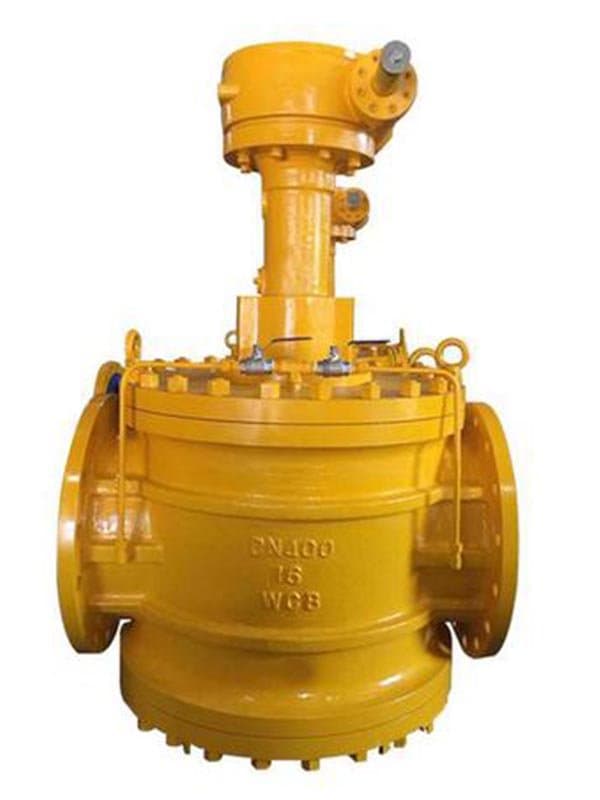
膨胀式旋塞阀-全通径型
2英寸–36英寸(DN50–DN900) Class 150 – 600 / PN 10-100 API 6D、API 599、ASME B16.34、API 607(可提供防火安全型) A216 WCB、A217 WC6/WC9、A351 CF8M、A351 CF8 金属对金属、扩张式旋塞机构——中心芯体+可扩张密封元件,针对全直径阀座面实现DBB密封。 全通径(全端口)流道。阀体座圈处的孔径与公称管径一致。开启时可进行清管。开启状态下压降为零。 文丘里版本的一切优势,外加全通径流道 全通径膨胀式旋塞阀与文丘里式旋塞阀具有相同的双阻隔密封(DBB)功能——单个阀体内有两个独立的密封边界,可膨胀的阀片同时密封上游和下游阀座面,阀座之间设有内置泄压口。隔离能力相同。相同的单阀双阻隔密封(DBB)组件。 不同之处在于通道。全通径意味着阀座区域的阀体通道与管道直径匹配。无收缩。无截面减小。阀门开启时,流道两侧与管道直径相同。 打开通道后,有两件事发生变化。 首先是管道清管。管道清管器、清洁工具、刮削工具、检查清管器——它们都需要全直径的管道才能通过。文丘里管的收缩段会阻碍清管器通过,而全直径通道则能让它顺利通过。如果您的管道规范要求在隔离点安装可清管阀,那么全通径膨胀式旋塞阀是唯一一种能够在一个阀体中同时实现双相隔离和可清管流量的旋塞阀设计。 第二点:压降。在阀门大部分时间保持开启的连续流应用中,文丘里管的收缩会造成持续的压降。这种压降每时每刻都在发生。全通径通道可以消除这种压降。全通径通道的通径与管道直径相匹配,流体可以畅通无阻地通过,泵或压缩机无需补偿本不应该存在的阻力。 全直径阀座的机械成本 全直径阀座面更大。膨胀式阀片必须密封与管道全直径相匹配的阀座周长,而不是缩小的文丘里管直径。更大的周长意味着更大的膨胀行程、更大的密封元件和更重的机构。 在12英寸及以下,差异不大。全通径机构仍足够紧凑,易于实现。在24英寸和36英寸时,扩张元件要向外推压两到三英尺宽的阀座周长。机构变得更大、更复杂,制造成本更高。 这就是权衡之处。全通径设计可提供可清管流量和零压降。但成本更高——尤其是在大尺寸情况下——因为膨胀机构需要克服更大的阀座。如果您的规格要求清管或零开启压降,那么这种成本是合理的。如果没有这些要求,文丘里管版本也能以更低的成本和更简单的机构实现相同的双通径功能。 在清管器通过的站点进行输送管道隔离,这是主要应用场景。管道运营商定期运行清管器进行清洁、检查和完整性验证。可清管管段上的每个隔离阀都必须允许清管器通过。文丘里阀会阻挡清管器——每次运行清管器时,工作人员都必须拆除阀门或安装旁通。全通径膨胀式楔形闸阀消除了这一问题。 连续流隔离点——例如计量站、压缩机站的截止阀(这些阀门常年开启数月,仅在维护时关闭)——也能从全通径设计中受益。文丘里阀在开启状态下的压降会随时间累积。在连续运行中,消除这种压降可以节省泵送能量并降低运行成本。 可提供防火安全配置。API 607测试确认火灾暴露后两个密封边界均保持有效,且全通径通道不会影响防火测试性能。 答:标准清洁清管器和检测清管器可通过全通径开启通道。请与阀门制造商核实清管器尺寸——某些膨胀式楔形设计存在细微的内部特征,可能影响特定类型的清管器。总体而言,全通径膨胀式楔形闸阀适用于标准管道清管作业程序。 答:更大的阀座周长需要更大的膨胀密封元件和更多的膨胀行程。机构部件——滑块、楔块、阀芯、阀座面——均随公称通径按比例放大。在24英寸至36英寸规格下,机械组件比等效的文丘里设计大得多。 答:是的。膨胀机构针对全直径上下游阀座面形成两个独立的密封边界。双阻断与排放(DBB)功能相同——唯一区别是滑块所密封的阀座直径。 答:这正是全通径阀门压降优势的体现。文丘里式阀门在长时间开启期间会造成持续的流量限制,而全通径阀门则消除了这种限制。对于很少关闭但需要动态阻尼的隔离阀而言,全通径阀门是更佳选择。
技术概述
旋塞阀通过将圆柱形或锥形旋塞在阀体孔内旋转90°来开启或关闭流道。旋塞本身即为密封元件——其外表面直接接触阀体阀座表面,或通过中间阀座嵌件实现截断。这种直接的旋塞对阀座界面是旋塞阀区别于球阀(独立阀座环接触球体)和闸阀(平板闸板在两个阀座环之间滑动)的根本特征。FLOWKS生产六种旋塞阀配置,涵盖三种密封理念和三种机械运动类型。润滑式旋塞阀通过外部注脂嘴将密封剂注入锥形旋塞表面的内部分布槽——润滑膜同时形成主密封边界和防止金属咬合的旋转润滑层。软阀座旋塞阀使用PTFE、增强PTFE、Viton、EPDM或NBR嵌件,粘接在阀体孔或旋塞表面——软阀座压缩填充表面不平整,实现气泡级零泄漏,无需外部润滑剂。压力平衡式旋塞阀通过内部旁通通道将管线压力引导至旋塞两侧——液压力相互抵消,在Class 600-900及12"-24"规格下操作扭矩保持可控,否则不平衡扭矩将超出手动或执行器能力。提升式旋塞阀在旋转前将旋塞从阀座抬起——旋转过程中零滑动接触,消除阀座磨损,仅限于1/2"-4"规格,此时提升距离较短。扩张式旋塞阀(文丘里型)使用可扩张密封元件(滑板/楔块)向外移动,接触缩径的阀体阀座面——在单个阀体内实现双阻塞泄放密封,开启状态下通过文丘里缩径存在一定压降。扩张式旋塞阀(全通径型)将相同的扩张机构应用于全通径阀座面——实现DBB密封及可清管的不受限流道,但机械复杂性和成本高于文丘里设计。
FLOWKS旋塞阀通过旋塞与阀体之间的直接密封接触,在最广泛的压力和阀座要求范围内提供四分之一转截断。油润滑旋塞阀通过注入的润滑膜在锥形旋塞与阀体孔之间形成静水密封——适用于原油、天然气和炼油工况,此时管线介质会降解弹性体阀座。软阀座旋塞阀通过PTFE、增强PTFE、Viton或EPDM阀座嵌件实现气泡级零泄漏——无需外部润滑剂,扭矩更低,适用于Class 300以下的化工、水处理和工艺隔离。压力平衡式旋塞阀通过内部旁通通道消除旋塞面上的液压力——在Class 600-900、12"至24"管线隔离中操作扭矩可控,否则不平衡扭矩超出执行器能力。提升式旋塞阀在旋转前将旋塞从阀座抬起——零滑动摩擦、零阀座磨损,仅限于1/2"-4"规格,用于仪表和取样隔离。扩张式旋塞阀(文丘里型)通过向外扩张的密封元件接触缩径阀座面,在单个阀体内实现双阻塞泄放密封——阀座几何紧凑,开启状态存在一定压降。扩张式旋塞阀(全通径型)通过全通径扩张滑板提供DBB密封及可清管的不受限流道——开启状态零压降、兼容清管作业,但机械复杂性更高。
产品下载
products.lookingMore
products.lookingMoreDesc
Ball Valves
FLOWKS offers floating ball valve, trunnion mounted ball valve and top entry ball valve for oil & gas, petrochemical and power generation. Designed per API 6D, API 608 and ASME B16.34.
DBB Valves
FLOWKS Double Block & Bleed (DBB) valves provide dual isolation with bleed verification in a single compact body. Replacing traditional multi-valve installations, FLOWKS DBB valves reduce weight, space and potential leak paths. Available in bolted bonnet, all-welded and expanding gate designs per API 6D and API 607.
Gate Valves
FLOWKS gate valves for isolation service in piping systems. Flexible wedge, solid wedge, slab and expanding gate designs per API 600, API 602 and ASME B16.34.
Globe Valves
FLOWKS globe valves for throttling and isolation. Standard, angle, Y-pattern and bellows seal configurations per API 602 and BS 1868.