products.productRange
Rangkaian lengkap katup industri untuk setiap aplikasi.
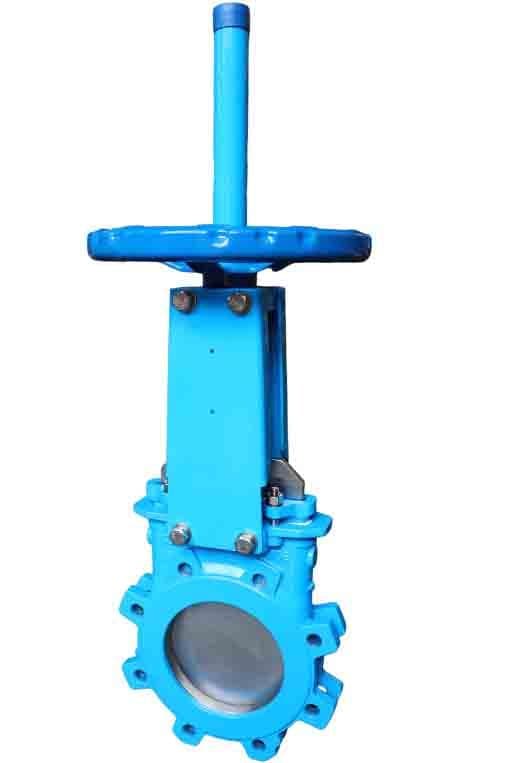
Katup Gerbang Pisah Wafer
2" - 24" (DN50 - DN600) Kelas 150 (hingga 10 bar / 150 psi) MSS SP-81, ASME B16.34 A216 WCB, A351 CF8M, A351 CF8 Karet lunak (EPDM/NBR), berlapis PTFE, logam-ke-logam Badan wafer (lug), tanpa bonnet, gerbang satu bagian, penyegelan satu arah, profil badan tipis di antara flensa Mengapa Wafer? Karena Ruang Itu Berharga Beberapa pabrik memasang pipa ke dalam terowongan dengan sangat rapat sehingga Anda hampir tidak dapat menjangkau tangan Anda di antara dua flensa. Di situlah katup gerbang pisau pipih (wafer knife gate valve) berperan. Tidak ada ujung flensa pada badan katup—katup ini langsung terjepit di antara flensa pipa Anda, ditahan di tempatnya oleh baut yang melewati lubang pengait. Hasilnya? Dimensi jarak antar muka yang hampir tidak lebih lebar dari gerbang itu sendiri. Saya pernah melihat kru instalasi memasang katup pisau wafer 12 inci ke saluran umpan digester pabrik kertas dalam waktu kurang dari dua puluh menit. Bagaimana dengan bodi berflensa ukuran yang sama? Mereka masih akan kesulitan dengan pengencangan baut dan penyelarasan. Profil yang ramping bukan hanya praktis—tetapi juga alasan mengapa katup ini ada. Keunggulan Harga Bukan Sekadar Kalimat Pemasaran Katup tipe wafer harganya 30-40% lebih murah daripada katup tipe flensa dengan diameter yang sama. Ini bukan kesalahan pembulatan. Pengecoran bodinya lebih kecil, pengerjaannya lebih sederhana, dan lebih sedikit permukaan yang perlu diselesaikan. Jika Anda membeli dua puluh katup untuk peningkatan instalasi pengolahan air, perbedaan itu akan sangat menghemat anggaran. Tetapi—dan ini penting—penghematan datang dengan trade-off. Gerbang pisau wafer menyegel hanya dalam satu arah. Gerbang mendorong ke satu dudukan. Aliran datang dari sisi hulu, tekanan mendorong gerbang ke kantong dudukan, dan Anda mendapatkan segel yang rapat. Balikkan arah aliran itu, dan dudukan tidak dapat menahan. Jika proses Anda membutuhkan penutupan dua arah, ini bukan katup Anda. Beralihlah ke desain dudukan ganda. Apa Arti Opsi Dudukan dalam Praktik Dudukan EPDM menangani air bersih dan layanan kimia encer. NBR adalah pilihan Anda untuk minyak dan jejak hidrokarbon. Dudukan berlapis PTFE naik tingkat ketika Anda membutuhkan ketahanan kimia yang tidak dapat diberikan karet—pikirkan jalur asam atau layanan pelarut. Dudukan logam-ke-logam ada di lembar spesifikasi, tetapi sejujurnya, jika Anda membeli gerbang pisau wafer, Anda biasanya berada di wilayah dudukan lunak. Dudukan logam berada di sisi tekanan tinggi dari keluarga ini. Catatan Instalasi dari Lapangan Selalu pastikan arah aliran sebelum Anda memasang katup pisau wafer ke saluran. Badan katup biasanya ditandai—biasanya berupa tanda panah yang dicetak pada badan katup atau label di area penutup—tetapi saya pernah melihat lebih dari satu pabrik mengalirkan media secara terbalik melalui katup searah dan kemudian mengeluh tentang kebocoran. Itu bukan kegagalan katup. Itu adalah kesalahan pemasangan. Badan katup tipe lug memungkinkan Anda melepas satu sisi pipa sementara katup tetap di tempatnya, yang berguna untuk akses perawatan pada saluran buntu. Katup tipe wafer standar (tanpa lug) mengharuskan kedua flensa tetap terpasang untuk menahan katup. Ketahui jenis mana yang Anda pesan. J: Tidak. Rating Class 150 dan dudukan lunak tidak cocok untuk layanan uap. Gunakan knife gate bertekanan tinggi dengan dudukan logam dan bonnet segel tekanan untuk aplikasi tersebut. J: Slurry ringan, ya—bubur pulp, tailing tambang encer, air limbah dengan padatan tersuspensi. Slurry abrasif berat akan cepat mengikis dudukan karet lunak. Pertimbangkan knife gate berlapis poliuretan untuk tugas tersebut. J: Bod i wafer tipe lug memiliki lubang berulir yang menerima baut dari masing-masing flensa secara independen. Bod i wafer standar memiliki lubang tembus polos—baut melewati seluruh rakitan. Tipe lug memungkinkan pelepasan pipa satu sisi. J: Ya. Aktuator pneumatik dan elektrik dipasang di area bonnet katup. Perlu diingat bahwa aktuasi menambah ketinggian di atas katup—periksa jarak vertikal Anda pada instalasi yang sempit. J: Desain dudukan tunggal hanya menyegel ketika tekanan aliran mendorong gate ke dudukan. Aliran balik mengangkat gate dari dudukan. Jalur proses apa pun dengan potensi aliran balik memerlukan desain penyegelan dua arah.
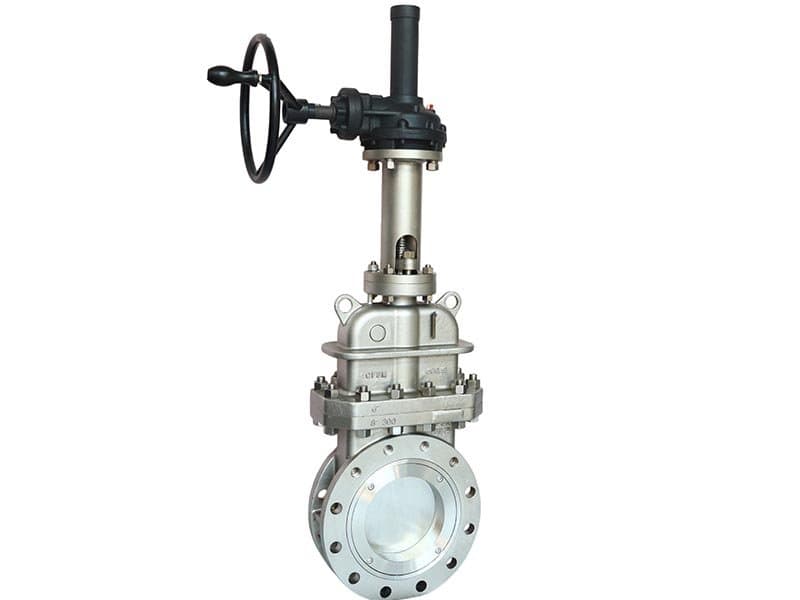
Katup Gerbang Pisah Tekanan Tinggi
2" - 24" (DN50 - DN600) Class 300 - 900 (hingga 150 bar / 2200 psi) A216 WCB, A217 WC6/WC9, A182 F316, A182 F51/F53 Logam-ke-logam (lapisan Stellite 6), PTFE diperkuat untuk konfigurasi tekanan lebih rendah Badan berflensa atau dilas, konstruksi dinding tebal, penutup segel tekanan di atas Kelas 600, batang pengangkat dengan indikator OS&Y, penyegelan dua arah. Katup Ini Ada Karena Desain Wafer Meledak Katup gerbang pisau standar memiliki batas atas Kelas 150. Dorong tekanan melebihi 10 bar dan badan katup yang tipis mulai melentur. Dorong hingga 50 bar dan Anda sedang berjudi. Pada 150 bar? Anda bukan berjudi—Anda sedang merencanakan kegagalan. Knife gate valve tekanan tinggi memecahkan masalah ini dengan dibuat seperti katup blok dengan ujung pisau. Coran bodi dinding tebal. Ujung flensa atau las—tanpa sandwich wafer di sini. Di atas Class 600, bonnet beralih ke desain segel tekanan, di mana tekanan internal sebenarnya menekan cincin segel bonnet lebih kencang. Semakin tinggi tekanan, semakin rapat segelnya. Ini adalah konsep bonnet yang sama yang digunakan pada gate valve tekanan tinggi di pembangkit listrik dan sistem uap petrokimia. Kursi Stellite Bukan Pilihan Tambahan di Tingkat Ini Dudukan logam-ke-logam dengan lapisan Stellite 6 adalah standar pada konfigurasi tekanan tinggi. Stellite tahan terhadap galling, menangani siklus suhu, dan mempertahankan integritas dudukan ketika gate menutup keras di bawah tekanan saluran penuh. Dudukan PTFE diperkuat tersedia pada konfigurasi Class 300 untuk layanan di mana ketahanan kimia penting dan tekanan moderat—tetapi begitu Anda melewati Class 600, dudukan logam adalah pilihan sepenuhnya. Saya telah mengganti dudukan pada knife gate yang bersiklus dua kali sehari pada jalur bypass uap tekanan tinggi selama tiga tahun tanpa keausan terukur pada lapisan Stellite. Itulah jenis umur panjang yang Anda bayar ketika Anda menentukan spesifikasi katup ini. Sistem Manajemen STEM OS&Y Memberi Tahu Anda Apa yang Perlu Anda Ketahui Indikator batang naik dengan batang luar dan kuk (OS&Y). Anda dapat melihat katup dari seberang lantai pabrik dan melihat apakah katup tersebut terbuka atau tertutup—posisi batangnya terlihat, tidak tersembunyi di dalam badan katup. Pada saluran bertekanan tinggi, konfirmasi visual tersebut sangat penting. Anda tidak ingin menebak apakah katup yang menahan tekanan 100 bar terbuka atau tertutup. Batang naik memberi Anda jawaban itu sekilas. Pemilihan Material Sesuai dengan Layanan A216 WCB menangani layanan hidrokarbon dan uap standar hingga sekitar 425°C. WC6 dan WC9 masuk ke wilayah suhu lebih tinggi—paduan tahan creep untuk operasi suhu tinggi berkelanjutan. A182 F316 memberi Anda ketahanan korosi pada layanan asam atau lingkungan klorida. Paduan dupleks F51 dan F53 menjembatani kesenjangan antara kekuatan dan ketahanan korosi, terutama berguna pada jalur proses lepas pantai dan bawah laut di mana kedua sifat tersebut penting secara bersamaan. A: Pada Kelas 900, tekanan nominal bergantung pada material bodi dan suhu. Periksa tabel tekanan-suhu ASME B16.34 untuk material dan suhu operasi spesifik Anda. Beberapa konfigurasi mencapai 150 bar; tidak semuanya mencapai 200 bar. A: Tutup katup yang dibaut mengandalkan tegangan baut untuk menjaga agar gasket tutup katup tetap terkompresi. Saat tekanan meningkat, gaya internal mendorong tutup katup ke atas, melawan baut. Desain segel tekanan menggunakan tekanan internal untuk mengompres cincin segel—tekanan yang lebih tinggi berarti segel yang lebih rapat. Di atas Kelas 600, segel tekanan adalah pilihan yang andal. J: Ya. Knife gate valve tekanan tinggi menggunakan desain dudukan ganda atau dudukan melingkar yang menahan tekanan dari kedua arah. Penyegelan satu arah tidak dapat diterima pada tingkat tekanan ini. A: Aktuator motor listrik umum digunakan pada pintu pisau bertekanan tinggi untuk pemosisian yang presisi dan berulang. Silinder pneumatik bekerja pada ukuran Kelas 300-600. Pada Kelas 900, aktuator listrik dengan pembatas torsi lebih disukai—Anda membutuhkan gaya penahan yang terkontrol, bukan hentakan palu pneumatik. J: Knife gate valve memotong padatan tersuspensi dan bubur yang akan macet pada wedge gate valve standar. Jika media Anda adalah fluida bersih, gate valve standar sudah cukup. Jika ada padatan di saluran, ujung tajam knife gate adalah keunggulan fungsionalnya.
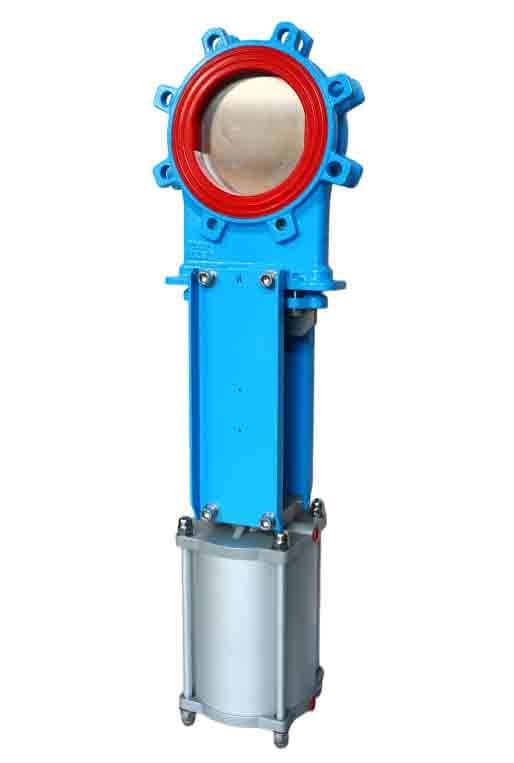
Katup Gerbang Pisah Berlapis Penuh Polyurethane
2" - 24" (DN50 - DN600) Class 150 - 300 (hingga 20 bar / 300 psi) MSS SP-81, spesifik pabrikan (tidak ada standar API untuk katup berlapis PU) Bod i baja karbon (A216 WCB) dengan lapisan poliuretan internal penuh Pelapis poliuretan seluruh badan (kekerasan Shore 80A-95A), pintu dilapisi PU atau krom keras. Badan tipe wafer atau flens, liner PU menutupi semua permukaan basah—rongga badan, area dudukan, saluran gerbang, lubang bonnet. Tidak ada kontak logam dengan media di dalam katup. Juara Ketahanan untuk Media yang Mengikis Logam Operasi penambangan, pabrik pengolahan mineral, pipa pengangkut limbah tambang—semua ini tidak ramah terhadap katup. Lumpur membawa pecahan batuan, silika, konsentrat mineral, dan apa pun yang digiling menjadi suspensi selama proses tersebut. Media tersebut mengalir melalui katup dengan kecepatan 2-3 m/s dan mengikis setiap permukaan yang disentuhnya. Dudukan karet standar bertahan mungkin tiga hingga enam bulan pada jalur tailing batuan keras. Dudukan logam? Kadang lebih singkat, karena slurry tidak hanya mengikis dudukan—ia menggores gerbang, mengikis tepi rongga badan, dan mengubah lubang bonnet menjadi saluran yang rusak. Lapisan poliuretan mengubah ekonomi sepenuhnya. Ketahanan abrasi PU 5-10x lebih baik daripada karet keras. Itu bukan angka laboratorium di lembar data—itu yang Anda lihat dalam layanan aktual di jalur konsentrator yang beroperasi 18 jam sehari. Liner Badan Penuh Berarti Nol Kontak Logam Ini bukan pelapis saku dudukan atau lapisan sebagian. Pelapis poliuretan menutupi setiap permukaan yang bersentuhan dengan cairan di dalam katup: rongga badan, area dudukan, saluran gerbang tempat bilah bergerak, dan lubang penutup di atas gerbang. Ketika bubur masuk ke dalam katup, ia menyentuh poliuretan—bukan baja karbon, bukan besi cor, bukan baja tahan karat. Itu penting karena dua alasan. Pertama, ketahanan abrasi seragam di seluruh jalur aliran. Tidak ada tepi logam terbuka di mana erosi dipercepat karena liner berhenti pendek. Kedua, liner bertindak sebagai penghalang kimia. Banyak slurry tambang membawa sisa bahan kimia proses—flokulan, kapur, jejak asam—yang mengkorosi logam telanjang seiring waktu. PU mengisolasi struktur badan dari paparan kimia itu sepenuhnya. Ganti Liner, Bukan Katupnya Saat liner aus setelah dua atau tiga tahun layanan berkelanjutan, Anda tidak membuang badan katup. Anda mengganti liner. Cangkang baja karbon masih kokoh secara struktural—ia tidak pernah kontak dengan media, jadi tidak ada erosi, tidak ada korosi, tidak ada kelelahan dari serangan kimia. Penggantian liner membuat katup offline selama satu shift, mungkin satu hari. Mengganti seluruh badan katup akan memakan waktu lebih lama dan biaya lima hingga sepuluh kali lebih banyak. Ini adalah argumen ekonomi yang memenangkan keputusan pengadaan di lokasi tambang. Total biaya kepemilikan selama masa layanan sepuluh tahun mendukung katup berliner PU dengan selisih besar, meskipun harga pembelian awal lebih tinggi daripada knife gate logam telanjang. Pemilihan Kekerasan Shore Tergantung Pada Slurry Anda Shore 80A lebih lunak—ia lebih fleksibel, menyerap energi benturan dari partikel batuan besar, dan memberikan penyegelan lebih baik pada jalur tekanan rendah. Shore 95A lebih keras—ia menahan abrasi partikel halus lebih baik dan mempertahankan geometri dudukan di bawah tekanan lebih tinggi. Sebagian besar aplikasi pertambangan berada di kisaran 85A-90A. Bicaralah dengan produsen tentang komposisi slurry spesifik Anda, distribusi ukuran partikel, dan kecepatan aliran. Pilihan kekerasan yang tepat memperpanjang umur liner secara signifikan. J: Tidak. Kategori produk ini berada di bawah standar desain spesifik produsen. Peringkat badan mengikuti ASME B16.34 untuk batas tekanan-suhu, tetapi desain liner dan kriteria kinerja ditetapkan oleh masing-masing produsen. A: Poliuretan tahan terhadap sebagian besar bahan kimia proses pertambangan termasuk jejak asam ringan, kapur, dan residu flokulan. Untuk penggunaan pada asam kuat (pH di bawah 3 secara terus menerus), verifikasi kompatibilitas kimia dengan senyawa PU spesifik—beberapa formulasi terdegradasi di bawah paparan asam yang berkepanjangan. J: Liner PU standar beroperasi hingga sekitar 80°C secara berkelanjutan. Di atas itu, material melunak dan kehilangan ketahanan abrasi. Formulasi PU suhu tinggi mencapai 100-120°C, tetapi lebih sulit didapat dan lebih mahal. J: Liner karet bekerja pada slurry yang kurang abrasif. Tetapi pada jalur batuan keras dan konsentrat mineral, karet aus dalam hitungan bulan sementara PU bertahan bertahun-tahun. Keunggulan ketahanan abrasi 5-10x itu nyata pada layanan ini. J: Dampak minimal. Liner menambah sedikit gesekan pada pergerakan gerbang, tetapi perbedaannya dapat diabaikan pada katup beraktuasi pneumatik. Katup dengan roda tangan mungkin terasa sedikit lebih berat saat digerakkan pada ukuran lebih besar.
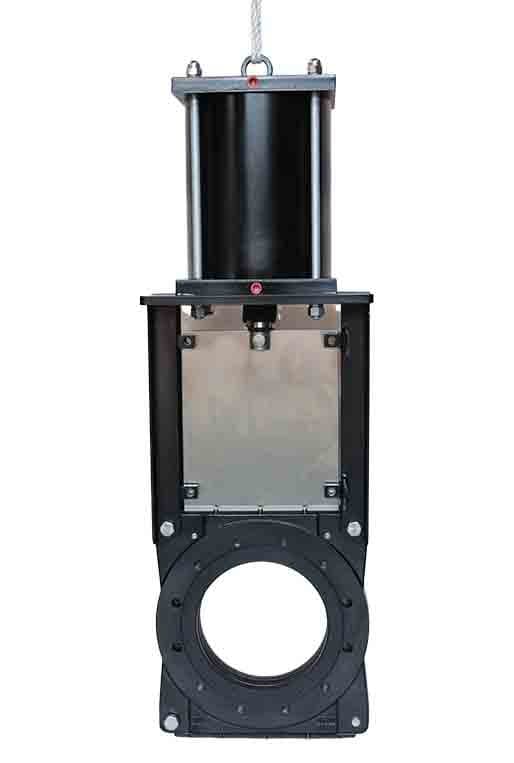
Katup Slurry Heavy-Duty (Long Pattern)
2" - 36" (DN50 - DN900) Kelas 150 - 300 (hingga 20-50 bar tergantung konfigurasi) Standar desain spesifik produsen, peringkat badan ASME B16.34 A216 WCB, besi ulet (A536 65-45-12), A351 CF8M Logam-ke-logam dengan lapisan Stellite, atau kantong dudukan berliner elastomer Badan pola panjang (dimensi muka-ke-muka diperpanjang dibandingkan wafer), badan baut dua bagian, lubang penuh, gerbang tugas berat dengan rusuk pemandu, aktuasi OS&Y atau pneumatik Pola Panjang Bukan Wafer dengan Panjang Ekstra Ini kesalahpahaman yang paling sering saya dengar: "Pola panjang hanyalah knife gate wafer dengan badan lebih panjang." Itu tidak benar. Dimensi muka-ke-muka yang diperpanjang ada karena layanan slurry menuntut ruang internal yang tidak dapat disediakan secara fisik oleh badan wafer. Gerbang membutuhkan saluran perjalanan lebih panjang untuk membersihkan lubang penuh tanpa macet. Slurry membawa padatan yang mengisi ruang sempit—saluran gerbang pendek pada badan wafer terisi puing, gerbang macet, dan Anda menggerakkan aktuator berulang kali untuk memaksanya lewat. Pola panjang memberi gerbang jalur perjalanan bersih dengan ruang bagi padatan untuk bergerak keluar daripada terkompresi ke dalam saluran. Kantong dudukan membutuhkan kedalaman. Sisipan elastomer untuk isolasi slurry memerlukan volume kantong yang cukup untuk mempertahankan bentuknya di bawah tekanan saluran dan aliran abrasif. Kantong dudukan tipe wafer yang dangkal berubah bentuk di bawah layanan berkelanjutan. Badan pola panjang menyediakan kedalaman struktural untuk geometri dudukan yang stabil. Dinding badan wafer membutuhkan ketebalan agar dapat bertahan. Lumpur dengan kecepatan 2-3 m/s terus menerus mengikis permukaan bagian dalam. Dinding badan wafer yang tipis cukup memadai untuk air bersih. Namun, dinding tersebut tidak memadai untuk media yang mengikis logam hingga milimeter per tahun. Bodi Baut Dua Bagian—Kemudahan Perawatan yang Berharga Badan katup yang terdiri dari dua bagian yang disambung dengan baut terpisah di sepanjang sambungan horizontal. Anda dapat membuka badan katup, memeriksa dudukan katup, membersihkan saluran gerbang, dan mengganti komponen yang aus tanpa perlu memotong katup dari saluran pipa pada instalasi yang lebih kecil. Pada ukuran yang lebih besar di mana pelepasan saluran pipa diperlukan, sambungan baut tetap menghemat waktu—badan katup terpisah untuk akses internal tanpa pengelasan atau pemotongan. Ini adalah keuntungan praktis di lokasi tambang dan pabrik pengolahan di mana jendela perawatan katup singkat dan kru pemeliharaan bekerja melawan waktu. Lubang Full-Port Menjaga Lumpur Tetap Mengalir Diameter lubang katup sesuai dengan diameter pipa tanpa pengurangan. Lumpur tidak toleran terhadap perubahan kecepatan—penyempitan lubang mempercepat aliran, meningkatkan erosi, dan menciptakan turbulensi yang memadatkan padatan ke area dudukan katup. Desain lubang penuh mempertahankan kecepatan aliran yang konsisten melalui katup, yang mengurangi keausan dudukan katup dan risiko pengendapan padatan di rongga badan katup saat katup terbuka sebagian. Rusuk Pemandu Gerbang Mencegah Penyimpangan Katup pada katup lumpur berpola panjang bukanlah bilah datar yang menggantung bebas di dalam saluran. Rusuk pemandu pada katup terhubung dengan celah atau saluran di badan katup, menjaga agar bilah tetap sejajar sepanjang langkah pergerakannya. Pada saluran lumpur yang berat, gaya lateral dari aliran dan beban padatan mendorong katup ke samping. Tanpa rusuk pemandu, katup dapat berbelok cukup jauh hingga tidak menyentuh dudukan sama sekali saat penutupan. Rusuk pemandu mencegah hal itu terjadi. A: Bodi wafer tidak memiliki kedalaman internal untuk desain kantong dudukan yang tepat, pemandu gerbang, atau ketebalan dinding yang diperlukan untuk layanan abrasif berkelanjutan. Pada lumpur ringan, wafer berfungsi. Pada lumpur berat, pola panjang adalah spesifikasi yang benar. A: Hingga 36 inci (DN900) pada beberapa rentang produsen. Ukuran besar biasanya menggunakan konstruksi bodi flensa dengan aktuasi pneumatik—operasi roda tangan pada katup lumpur 36 inci memerlukan torsi lebih dari yang dapat diterapkan satu orang secara wajar. A: Besi ulet (A536 65-45-12) hemat biaya dan cukup kuat secara struktural untuk layanan lumpur Kelas 150 pada jalur non-kritis. Baja karbon (A216 WCB) adalah pilihan ketika Anda memerlukan peringkat tekanan lebih tinggi, kompatibilitas pengelasan, atau kepatuhan terhadap spesifikasi pabrik yang mewajibkan bodi baja. A: Anda bisa, tetapi itu spesifikasi berlebihan. Air bersih tidak memerlukan saluran gerbang yang diperpanjang, ketebalan dinding yang berat, atau kedalaman kantong dudukan yang dibutuhkan lumpur. Katup pisau wafer standar lebih ekonomis untuk layanan itu. A: Tidak ada yang "standar"—itu tergantung pada instalasi Anda. OS&Y berfungsi untuk titik isolasi manual dengan siklus yang jarang....
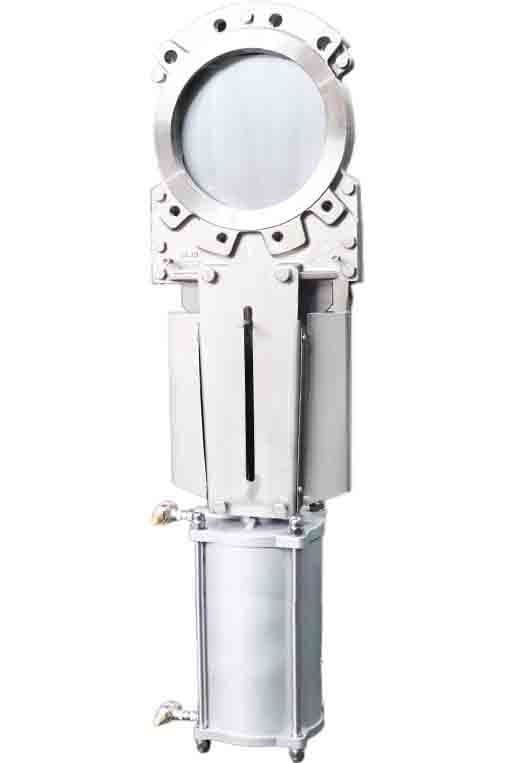
Katup Gerbang Pisah Sealing Bidirectional Pneumatik
2" - 24" (DN50 - DN600) Kelas 150 - 300 (hingga 20 bar / 300 psi) MSS SP-81, desain dua arah khusus produsen A216 WCB, A351 CF8M, A351 CF8, besi ulet Susunan dudukan ganda (hulu + hilir), elastomer (EPDM/NBR/Viton) atau logam dengan lapisan Stellite Bodi baut dua bagian, kantong dudukan ganda bentuk U atau perifer, aktuator silinder pneumatik (pegas kembali kerja tunggal atau kerja ganda), penutupan tanpa kebocoran dua arah Segel Dua Arah—Dan Mengapa Anda Membutuhkannya Sebagian besar katup gerbang pisau menyegel hanya dalam satu arah. Aliran mendorong gerbang ke dudukan, dudukan tertekan, dan Anda mendapatkan segel yang rapat. Balikkan aliran dan gerbang terangkat dari dudukan. Tekanan keluar. Pada jalur proses yang hanya mengalir satu arah, itu tidak masalah. Tetapi banyak jalur proses dunia nyata memiliki tekanan di kedua sisi katup. Pertimbangkan katup isolasi tangki di mana tekanan kepala tangki mendorong satu arah dan tekanan pipa mendorong arah lain. Pertimbangkan jalur bypass pompa di mana Anda perlu mengisolasi terhadap tekanan balik dari sistem hilir. Pertimbangkan sirkuit loop di mana arah aliran berbalik tergantung pada pompa mana yang berjalan. Dalam semua kasus ini, katup pisau satu arah bocor pada aliran balik—bukan karena katupnya cacat, tetapi karena desain dudukan tunggal secara fisik tidak dapat menahan tekanan dari arah yang salah. Segel dua arah memecahkan ini dengan dua susunan dudukan independen. Satu dudukan menyegel ketika aliran mendorong gerbang ke depan. Dudukan lainnya menyegel ketika aliran mendorong gerbang ke belakang. Tidak ada arah yang lolos tanpa hambatan. Dudukan Bentuk U Membungkus Tepi Gerbang Desain dudukan dua arah yang paling umum adalah kantong dudukan bentuk U atau perifer. Dudukan elastomer atau logam membentuk saluran yang membungkus tepi bawah gerbang—kedua sisi, kedua permukaan. Ketika gerbang memasuki kantong dudukan, ia menekan material dudukan pada permukaan hulu dan permukaan hilir secara bersamaan. Geometri bentuk U menciptakan kontak segel terlepas dari sisi mana tekanan berasal. Ini berbeda dari dua dudukan datar terpisah yang ditumpuk di sisi berlawanan dari gerbang. Dua dudukan datar dapat membentuk celah di bawah siklus termal atau keausan tidak merata. Bentuk U mempertahankan kontak terus-menerus di sekitar perimeter gerbang, yang memberikan kinerja penyegelan yang lebih konsisten selama masa pakai katup. Aktuasi Pneumatik—Cepat, Berulang, Otomatis Aktuator silinder pneumatik menggerakkan gate melalui langkah penuh dalam hitungan detik. Silinder kerja tunggal dengan pegas balik menggunakan tekanan udara untuk membuka katup dan pegas mekanis untuk menutupnya—penutupan fail-safe saat kehilangan udara, yang merupakan pilihan standar untuk tugas isolasi. Silinder kerja ganda menggunakan tekanan udara untuk membuka dan menutup—siklus lebih cepat, gaya dudukan lebih besar, tetapi tidak ada posisi fail-safe tanpa logika eksternal. Waktu langkah dapat diulang. Setiap siklus memakan waktu yang sama, menerapkan gaya dudukan yang sama, dan menghasilkan hasil yang sama. Konsistensi ini penting pada jalur proses otomatis di mana sistem kontrol menjadwalkan operasi katup berdasarkan waktu tetap. Operasi handwheel tidak dapat memberikan pengulangan itu—kecepatan manusia bervariasi, gaya manusia bervariasi, dan hasilnya ikut bervariasi. Dudukan Elastomer Atau Logam—Pilih Berdasarkan Media Dudukan EPDM untuk air dan bahan kimia encer. NBR untuk minyak dan jejak hidrokarbon. Viton untuk pelarut agresif dan suhu lebih tinggi. Dudukan logam dengan lapisan Stellite untuk uap, hidrokarbon suhu tinggi, atau layanan di mana elastomer terdegradasi. Susunan dudukan ganda bekerja dengan semua ini—geometrinya sama, materialnya berubah. A: Ya, pada konfigurasi dudukan elastomer. Kantong dudukan berbentuk U menciptakan kontak segel tekan pada kedua permukaan gate. Konfigurasi dudukan logam memberikan kebocoran hampir nol—dapat diterima untuk sebagian besar standar isolasi proses, tetapi secara teknis bukan "nol" seperti yang dapat dicapai dudukan elastomer. A: Pegas balik (kerja tunggal) jika Anda membutuhkan penutupan fail-safe—katup menutup saat pasokan udara hilang. Ini adalah pilihan standar untuk tugas isolasi. Kerja ganda jika Anda membutuhkan siklus cepat di kedua arah dan sistem kontrol Anda menangani logika fail-safe secara eksternal. A: Ya. Susunan dudukan ganda membutuhkan lebih banyak pengerjaan mesin, lebih banyak material dudukan, dan bodi dengan geometri internal tambahan. Perbedaan biaya biasanya 15-25% dibandingkan dengan katup pisau searah yang sebanding. Premi tersebut memberi Anda kemampuan isolasi aliran balik yang tidak dapat diberikan oleh desain searah. A: Aktuator knife gate pneumatik standar beroperasi pada tekanan pasokan 4-7 bar (60-100 psi). Tentukan tekanan udara pabrik yang tersedia saat memesan—ukuran aktuator bergantung pada...
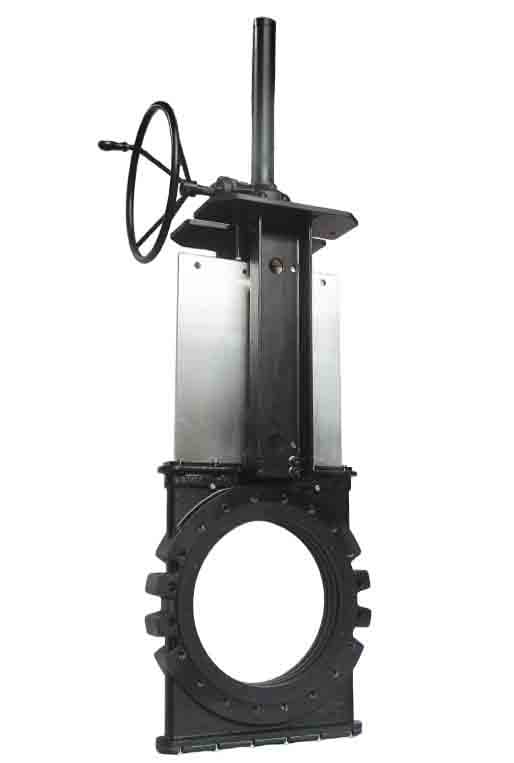
Katup Slurry Whole Unit
2" - 36" (DN50 - DN900) Kelas 150 - 300 (hingga 20-50 bar) Spesifik pabrikan, peringkat bodi ASME B16.34 A216 WCB, besi ulet (A536 65-45-12), A351 CF8M Logam-ke-logam (lapisan Stellite 6), atau sisipan dudukan elastomer yang dapat diganti Bodi cor satu bagian (tanpa belahan bodi yang dibaut), lubang port penuh, kantong dudukan terintegrasi, konstruksi dinding tebal, gate dengan rusuk pemandu, OS&Y atau aktuasi pneumatik Satu Bodi, Tanpa Gasket Bodi—Itulah Intinya Sebagian besar katup lumpur terdiri dari dua bagian. Dua bagian yang disatukan dengan baut. Sebuah gasket terjepit di antara keduanya. Gasket itu berada tepat di zona basah — lumpur abrasif mengalir di atasnya, di bawahnya, melalui setiap celah mikroskopis yang terbuka setelah ribuan siklus termal. Sambungan itu bocor. Pada akhirnya pasti akan bocor. Pihak tambang menceritakan kisah yang sama: mereka mengencangkan baut badan katup, mengganti gasket, enam bulan kemudian bocor lagi karena lumpur telah mengikis tepi gasket dari dalam jalur aliran. Katup slurry seluruh unit tidak memiliki sambungan itu. Bodinya adalah coran tunggal—satu bagian, tanpa belahan, tanpa gasket bodi, tanpa baut bodi yang perlu dirawat. Anda masih memiliki sambungan bonnet-ke-bodi, tetapi gasket itu berada di atas zona basah di mana slurry tidak pernah menyentuhnya. Jalur kebocoran yang paling sering menyebabkan masalah pada katup dua bagian tidak ada di sini. Itulah alasan mengapa tambang yang beroperasi 24/7 dengan saluran pembuangan tailing menentukan penggunaan katup seluruh unit. Lebih sedikit jalur kebocoran berarti lebih sedikit penghentian operasi. Dalam layanan yang abrasif, setiap sambungan merupakan risiko. Hilangkan sambungan, hilangkan risikonya. Apa yang Anda Korbankan—dan Mengapa Itu Sepadan Bodi satu bagian berarti Anda tidak dapat membelah katup untuk memeriksa bagian dalam dari samping. Anda masuk melalui bukaan bonnet—lepaskan bonnet, tarik gate dan dudukan ke atas dari atas. Bagi sebagian besar kru perawatan, itu sebenarnya lebih cepat daripada membuka baut bodi dua bagian, menyelaraskannya kembali, dan memasang gasket ulang. Tetapi jika Anda membutuhkan akses visual ke rongga bodi tanpa melepas rakitan bonnet, desain dua bagian memberi Anda opsi itu. Pertukarannya sederhana. Anda kehilangan akses inspeksi samping. Anda mendapatkan nol kebocoran sambungan bodi. Dalam layanan slurry berkelanjutan di mana penghentian menghabiskan jam produksi, pertukaran itu hampir selalu menguntungkan katup seluruh unit. Gate dan Dudukan Bekerja Bersama Katup ini bergerak di atas rusuk pemandu yang dicetak ke dalam badan katup — bukan pemandu lepas yang dapat bergeser di bawah tekanan. Lubang port penuh berarti tidak ada hambatan aliran saat katup terbuka, yang menjaga kecepatan bubur tetap lancar dan mengurangi keausan akibat turbulensi pada dinding badan katup. Kantung dudukan terintegrasi ke dalam cetakan, sehingga tidak ada celah cincin dudukan terpisah untuk masuknya bubur. Untuk dudukan logam-ke-logam, lapisan Stellite 6 pada permukaan dudukan menangani keausan abrasif. Untuk aplikasi di mana penutupan lebih ketat lebih penting daripada ketahanan aus maksimum—campuran air-slurry bertekanan rendah, misalnya—sisipan dudukan elastomer yang dapat diganti memberi Anda penutupan kedap gelembung dan opsi untuk mengganti dudukan tanpa mengganti seluruh permukaan dudukan. Dinding Tebal Karena Slurry Tidak Peduli dengan Jadwal Anda Lumpur abrasif mengikis semua yang disentuhnya. Badan berdinding tipis mungkin memenuhi rating tekanan di atas kertas, tetapi setelah dua tahun tailing mengalir melaluinya pada kecepatan 3-4 m/s, permukaan internal menjadi tipis tepat di titik-titik di mana aliran berbelok atau berakselerasi. Katup unit utuh dicor dengan dinding tebal — ketebalan ekstra di tempat di mana pengalaman menunjukkan keausan terkonsentrasi. Itu bukan rekayasa berlebihan. Itu pengalaman pertambangan yang dibangun ke dalam coran. A: Ya. Lepaskan kap mesin, tarik pintu, dan akses kantong dudukan dari atas. Sisipan atau lapisan dudukan dapat diservis melalui lubang kap mesin — tidak perlu melepas baut katup dari pipa. A: Anda bisa, dan banyak pabrik melakukannya. Tetapi dalam layanan slurry abrasif, gasket badan terletak di jalur aliran dan diserang dari dalam pipa. Mengganti gasket badan dua bagian berarti penghentian total, membuka baut, menyelaraskan kembali, dan merakit ulang. Katup unit utuh menghilangkan jalur kebocoran itu sepenuhnya. A: Hingga 36" (DN900). Di atas itu, mengecor badan satu bagian menjadi tidak praktis — ketebalan dinding, berat, dan kapasitas pengecoran mendorong Anda menuju desain dua bagian pada ukuran yang lebih besar. A: Coran lebih mahal karena lebih besar dan lebih berat sebagai satu bagian. Tetapi Anda menghilangkan gasket badan, baut badan, dan tenaga kerja pemeliharaan yang terkait dengan sambungan itu. Selama umur layanan...
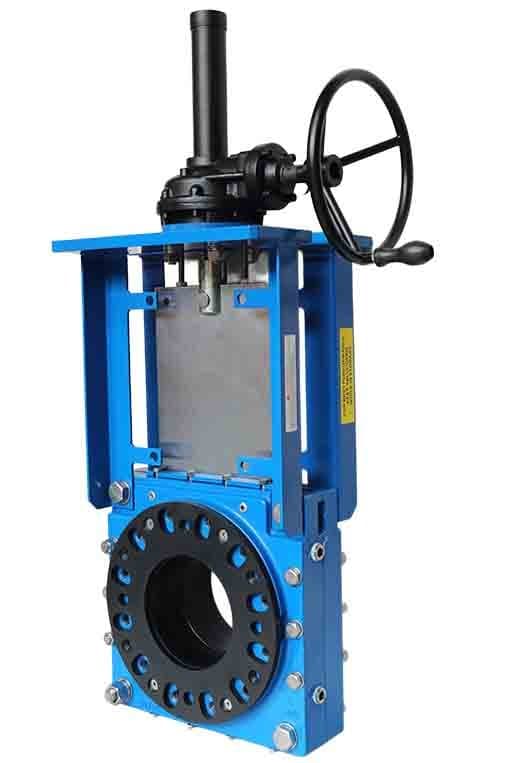
Katup Slurry Tekanan Tinggi
2" - 24" (DN50 - DN600) Kelas 300 - 900 (hingga 100-150 bar tergantung ukuran) ASME B16.34, desain slurry tekanan tinggi khusus pabrikan A216 WCB, A217 WC6/WC9, A182 F316, A182 F51/F53 Logam-ke-logam (lapisan Stellite 6 pada seat dan ujung gate), insert elastomer yang diperkuat tersedia untuk konfigurasi tekanan lebih rendah dalam rentang tersebut Badan baut satu bagian atau dua bagian berdinding tebal, penutup segel tekanan di atas Kelas 600, lubang port penuh dengan geometri internal tahan abrasi, batang pengangkat OS&Y atau dioperasikan secara pneumatik/hidraulik. Ketika Jalur Slurry Anda Berjalan pada 100 Bar Katup slurry standar berhenti di Kelas 150 atau 300. Itu mencakup sebagian besar transportasi tailing, sebagian besar sirkuit pengolahan mineral, sebagian besar aplikasi di mana "katup slurry" berarti sesuatu yang menangani media abrasif pada tekanan sedang. Tetapi beberapa jalur berjalan lebih keras. Jalur pembuangan pompa tekanan tinggi pengolahan mineral mendorong 50-100 bar. Sirkuit pemisahan media padat beroperasi pada tekanan di mana dinding badan katup slurry standar akan terlalu tipis — bukan hanya untuk rating tekanan, tetapi untuk serangan gabungan tekanan dan abrasi. Pada tekanan tersebut, kecepatan slurry melalui area seat berakselerasi. Partikel abrasif yang sama yang mengauskan seat Kelas 150 dalam setahun akan memotong seat logam yang tidak terlindungi dalam hitungan minggu pada kecepatan aliran Kelas 900. Inilah sebabnya katup slurry tekanan tinggi mendapatkan lapisan Stellite 6 pada permukaan seat dan ujung gate — dua permukaan yang melihat kecepatan tertinggi dan dampak partikel paling langsung. Stellite 6 itu keras. Ia menahan erosi pada kecepatan yang akan mengikis logam lunak dalam satu shift. Badan Dibangun untuk Dua Musuh Sekaligus Tekanan dan abrasi menyerang bagian katup yang berbeda. Tekanan memberi tekanan pada dinding badan katup, sambungan penutup, setiap baut, dan setiap gasket. Abrasi menyerang permukaan aliran internal — area dudukan, tepi gerbang, dinding rongga badan katup tempat bubur bersirkulasi kembali. Katup bubur bertekanan tinggi harus mengatasi keduanya secara bersamaan, dan itu berarti ketebalan dinding yang jauh lebih besar daripada katup bubur standar dengan ukuran nominal yang sama. Anda dapat melihat perbedaannya jika Anda berdiri di samping katup slurry Kelas 900 6" di sebelah katup slurry Kelas 150 6". Badan Kelas 900 terlihat lebih tebal, terlihat lebih berat. Geometri internal — saluran aliran, kantong seat, saluran gate — dirancang untuk meminimalkan zona turbulensi di mana partikel abrasif berakselerasi dan terkonsentrasi. Transisi halus, radius yang memadai, tidak ada sudut internal tajam di mana slurry dapat berhenti dan mengikis. Bonnet Segel Tekanan di Atas Kelas 600 Bonnet berbaut dengan gasket bekerja dengan baik hingga Kelas 600. Di atas itu, gasket bonnet menjadi kewajiban — tekanan internal mendorongnya terus-menerus, dan dalam kondisi layanan slurry gasket terdegradasi lebih cepat daripada dalam aplikasi cairan bersih. Bonnet segel tekanan memecahkan ini dengan menggunakan tekanan internal untuk mengaktifkan segel. Saat tekanan saluran meningkat, segel menjadi lebih ketat. Tidak ada gasket bonnet yang perlu diganti, tidak ada tegangan baut yang perlu dipertahankan terhadap creep. Semakin tinggi tekanan, semakin baik segel bonnet. Untuk aplikasi Kelas 300-600 dalam rentang tekanan tinggi, bonnet berbaut tetap standar — lebih sederhana untuk dirawat, terbukti baik, dan beban gasket dapat dikelola. Tetapi jika Anda menjalankan slurry Kelas 900, Anda menginginkan bonnet segel tekanan. Itu bukan opsi premium — itu adalah pilihan rekayasa yang benar. Pemilihan Material Sesuai dengan Layanan A216 WCB mencakup sebagian besar aplikasi — baja karbon, hemat biaya, terbukti dalam slurry tambang pada tekanan tinggi. A217 WC6/WC9 untuk layanan suhu lebih tinggi. A182 F316 untuk kimia slurry korosif — air proses asam, tailing kaya klorida. A182 F51/F53 stainless duplex untuk aplikasi di mana Anda membutuhkan ketahanan korosi dan kekuatan mekanis pada tekanan. Pilihan material tergantung pada apa yang ada dalam slurry Anda dan pada suhu berapa ia berjalan, bukan hanya kelas tekanan. A: Anda bisa — sekitar tiga bulan. Katup gerbang standar tidak dirancang untuk media abrasif. Permukaan dudukan, komponen internal bodi, dan pengemasan batang akan cepat rusak ketika lumpur mengalir melaluinya. Katup gerbang lumpur tekanan tinggi memiliki dudukan lapisan Stellite, geometri internal tahan abrasi, dan pengemasan yang dirancang untuk cairan yang mengandung partikel. Peringkat tekanannya serupa, tetapi kemampuan lumpurnya berbeda secara fundamental. A: Sisipan elastomer yang diperkuat dapat menangani Kelas 300-400 dalam beberapa konfigurasi, tetapi di atas Kelas 600 tekanan dan kecepatannya terlalu tinggi bagi elastomer untuk mempertahankan...
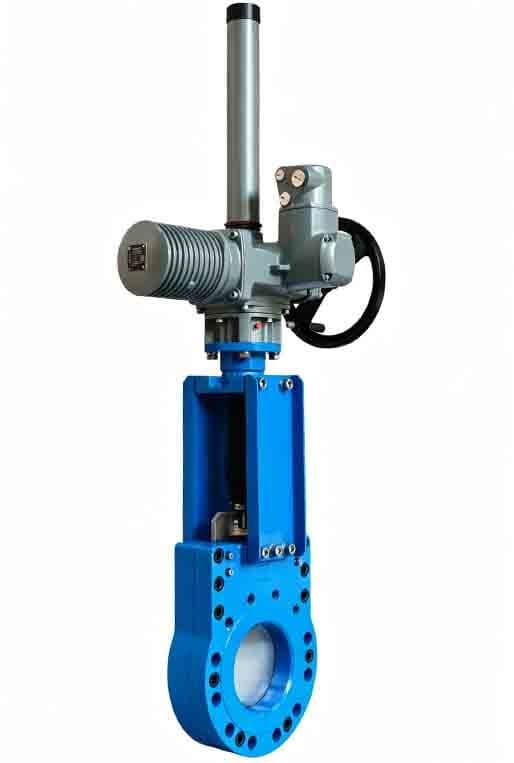
Katup Gerbang Pisah Sealing Bidirectional Tekanan Tinggi
2" - 24" (DN50 - DN600) Kelas 300 - 900 (hingga 150 bar / 2200 psi) ASME B16.34, desain dua arah tekanan tinggi khusus pabrikan A216 WCB, A182 F316, A182 F51/F53, A217 WC6/WC9 Dudukan ganda berbahan logam (lapisan Stellite 6 pada dudukan hulu dan hilir), mekanisme dudukan yang diaktifkan pegas atau baji. Bodi dua bagian yang dibaut atau satu bagian, konstruksi dinding tebal, batas penyegelan ganda independen (dudukan hulu + dudukan hilir), penutup segel tekanan di atas Kelas 600, batang pengangkat OS&Y atau dioperasikan secara pneumatik/hidraulik. Dua Masalah yang Biasanya Membutuhkan Dua Katup Berbeda Segel dua arah dan peringkat tekanan tinggi biasanya tidak berada dalam katup yang sama. Katup pisau dua arah — jenis yang menyegel di kedua arah aliran — biasanya maksimal pada Kelas 150 atau 300. Dudukan elastomer yang membuat segel dua arah terjangkau dan praktis tidak dapat menangani tekanan tinggi. Mereka berubah bentuk, mereka menekan keluar, mereka gagal. Katup pisau tekanan tinggi ada, tetapi kebanyakan satu arah — gerbang menyegel terhadap satu dudukan, dan dudukan itu hanya bekerja ketika tekanan saluran mendorong gerbang ke arah yang benar. Tetapi beberapa jalur proses membutuhkan keduanya. Sirkuit pengolahan mineral di mana arah aliran berbalik selama operasi batch. Jalur transfer yang dapat memiliki tekanan di kedua sisi tergantung pada pompa mana yang berjalan. Titik isolasi di mana Anda membutuhkan katup untuk menahan rapat terlepas dari arah mana tekanan berasal — dan tekanan itu adalah 50 bar, 100 bar, 150 bar. Di situlah katup gerbang pisau dua arah tekanan tinggi menjadi satu-satunya jawaban praktis. Dua Dudukan Independen, Tanpa Titik Lemah Bersama Katup ini memiliki dua dudukan logam — hulu dan hilir — keduanya dengan lapisan Stellite 6. Setiap dudukan menyegel secara independen. Ketika tekanan datang dari hulu, dudukan hilir yang menahan. Ketika tekanan berbalik, dudukan hulu yang menahan. Gerbang tidak peduli ke arah mana tekanan mendorong karena kedua dudukan dilengkapi pegas atau diaktifkan baji untuk mempertahankan tekanan kontak pada gerbang terlepas dari arah tekanan saluran. Itulah mekanisme kuncinya. Dudukan berpegas menekan permukaan gerbang setiap saat — bukan hanya ketika tekanan saluran membantu segel. Tekanan saluran memperkuat dudukan aktif, tetapi dudukan tidak aktif masih menahan karena gaya pegasnya menjaga tetap terhubung. Dudukan yang diaktifkan baji menggunakan baji mekanis yang mendorong dudukan terhadap gerbang ketika gerbang mencapai posisi tertutup. Bagaimanapun, kedua batas segel independen. Jika satu dudukan rusak, yang lain masih menyegel. Itu redundansi yang tidak Anda dapatkan dengan desain dudukan tunggal. Dudukan Logam Karena Elastomer Tidak Dapat Melakukan Pekerjaan Ini Pada tekanan Kelas 900, dudukan elastomer tidak berlaku. Perbedaan tekanan melintasi dudukan terlalu tinggi — elastomer menekan keluar melalui celah dudukan di bawah beban itu, bahkan dengan cincin anti-ekstrusi. Lapisan Stellite 6 pada kedua dudukan memberikan kekerasan yang dibutuhkan untuk menahan lumpur abrasif pada kecepatan tinggi dan kemampuan segel logam-ke-logam yang diperlukan untuk menahan tekanan pada 150 bar. Permukaan dudukan dikerjakan dengan toleransi ketat dan dilap untuk akurasi kontak. Ini tidak murah, tetapi itulah yang berfungsi. Untuk konfigurasi Kelas 300-500 dalam rentang tersebut, sisipan elastomer yang diperkuat dapat ditentukan pada satu atau kedua dudukan jika komposisi kimia dan tekanan bubur memungkinkan. Namun, desain standar pada Kelas 600 ke atas adalah sambungan logam ganda. Tanpa kompromi. Bodi Berat, Bonnet Segel Tekanan, Konstruksi Serius Ketebalan dinding bodi mengikuti ASME B16.34 untuk kelas tekanan yang dinilai, ditambah ketebalan tambahan untuk kelonggaran keausan lumpur abrasif. Pada Kelas 900, bodi secara substansial lebih berat daripada katup pisau dua arah Kelas 300 pada ukuran yang sama — itu bukan opsional, itu struktural. Bonnet segel tekanan di atas Kelas 600 menghilangkan gasket bonnet sebagai jalur kebocoran di bawah tekanan internal ekstrem. Untuk Kelas 300-600, bonnet baut adalah standar. Pilihan aktuasi penting pada tekanan-tekanan ini. OS&Y rising stem memberikan indikasi posisi visual dan operasi manual dengan gaya dudukan yang terkontrol. Aktuasi pneumatik bekerja untuk Kelas 300-500 di mana gaya dudukan masih dapat dikelola. Aktuasi hidraulik direkomendasikan untuk Kelas 600 ke atas — gaya yang dibutuhkan untuk mendudukkan gate terhadap dua dudukan logam berpegas pada 150 bar melebihi apa yang dapat dihasilkan silinder pneumatik secara efisien. A: Anda bisa, tetapi Anda membayar untuk kemampuan dua arah yang tidak Anda butuhkan. Jika arah aliran selalu diketahui, knife gate valve tekanan tinggi satu arah lebih sederhana dan lebih murah. Desain dua arah digunakan untuk jalur di mana tekanan dapat datang dari kedua...
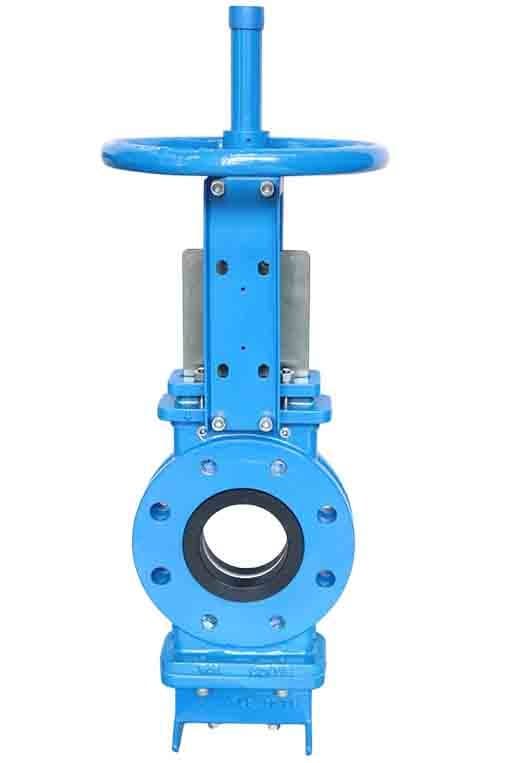
Katup Gerbang Pisah Sealing Unidirectional
2" - 24" (DN50 - DN600) Kelas 150 - 300 (hingga 20 bar / 300 psi) MSS SP-81, ASME B16.34 A216 WCB, A351 CF8M, A351 CF8, besi ulet Dudukan hilir tunggal (elastomer: EPDM/NBR/Viton, atau PTFE), gate mendorong ke dudukan hanya dalam satu arah Badan pipih atau berflensa, tanpa penutup atau dengan penutup yang dibaut, kantong dudukan tunggal di sisi hilir, pintu ringan, tuas manual atau dioperasikan secara pneumatik. Satu Dudukan, Satu Arah — dan Itu Sudah Cukup Knife gate valve satu arah menyegel dalam satu arah. Tekanan jalur mendorong gate ke dudukan hilir, dudukan sedikit terkompresi, katup menahan dengan rapat. Itulah seluruh mekanisme penyegelan — tanpa pegas, tanpa dudukan ganda, tanpa geometri internal yang kompleks. Kesederhanaan itulah intinya. Balikkan arah aliran dan gate terangkat dari dudukan. Katup bocor. Itu terdengar seperti cacat, tetapi sebenarnya bukan. Itu adalah tujuan desain. Knife gate satu arah ditentukan untuk jalur di mana arah aliran selalu diketahui dan selalu konsisten. Jalur pembuangan gravitasi yang mengalir menurun. Jalur pembuangan pompa di mana Anda mengisolasi sisi hilir, tidak pernah sisi hulu. Outlet tangki di mana fluida keluar dari tangki dan tidak pernah kembali melalui katup yang sama. Jika jalur proses Anda memiliki tekanan di satu sisi dan katup hanya perlu menahan ke arah itu, knife gate satu arah melakukan pekerjaan dengan lebih sedikit komponen, konstruksi lebih ringan, dan biaya 20-30% lebih rendah daripada setara dua arah pada ukuran yang sama. Di Mana Ia Bekerja — dan Di Mana Ia Tidak Bekerja Operasi pertambangan menggunakan knife gate satu arah pada jalur pembuangan tailing, header distribusi air proses, dan jalur transfer slurry di mana pompa selalu berjalan dalam satu arah. Pabrik pengolahan air menggunakannya pada jalur pembuangan lumpur yang mengendap dan jalur umpan filter. Pabrik pulp dan kertas menggunakannya pada jalur aliran stok di mana gravitasi dan arah pompa konsisten. Benang merahnya: tekanan jalur selalu datang dari satu sisi, dan isolasi hanya dibutuhkan ke arah itu. Di mana katup ini tidak berfungsi: saluran apa pun di mana tekanan dapat berbalik. Sistem sirkulasi tertutup. Saluran yang terhubung ke dua sumber yang bergantian. Titik isolasi di mana Anda membutuhkan katup untuk menahan tekanan terlepas dari sisi mana yang bertekanan. Dalam aplikasi tersebut, katup gerbang pisau dua arah adalah pilihan yang tepat — Anda membutuhkan dua dudukan, dan Anda perlu membayar untuk itu. Dudukan Elastomer yang Benar-Benar Berfungsi Pada Kelas 150-300, dudukan elastomer adalah pilihan yang tepat untuk sebagian besar aplikasi bubur. EPDM untuk bubur berbasis air dan air proses pH netral. NBR untuk bubur yang mengandung minyak dan aliran proses yang terkontaminasi hidrokarbon. Viton untuk bubur kimia agresif dengan asam, pelarut, atau media organik suhu tinggi. PTFE untuk ketahanan kimia di mana kompatibilitas elastomer terbatas. Dudukan tersebut berada di dalam kantong di sisi hilir badan katup — katup masuk terdorong ke dalamnya di bawah tekanan saluran, elastomer terkompresi di sekitar tepi katup, dan Anda mendapatkan penutupan kedap gelembung dengan biaya yang jauh lebih rendah daripada dudukan logam. Geometri dudukan sederhana. Kantong tunggal, cincin dudukan tunggal, arah penyegelan tunggal. Tidak ada dudukan hulu yang perlu dirawat, tidak ada penyelarasan dudukan ganda yang perlu dikelola selama perakitan. Penggantian sederhana — tarik sisipan dudukan lama, dorong yang baru ke dalam kantong, tanpa alat khusus atau pelapisan yang diperlukan. Badan Ringan, Pemasangan Sederhana Desain bodi wafer berarti katup dipasang di antara flensa — tanpa flensa katup sendiri, berat keseluruhan lebih ringan, dimensi muka-ke-muka lebih pendek. Desain bodi berflensa memberikan flensa sendiri pada katup jika pemasangan membutuhkannya. Bagaimanapun, bodi lebih ringan daripada pisau gerbang dua arah pada ukuran yang sama karena hanya ada satu kantong dudukan dan tidak ada mekanisme penyegelan ganda internal. Gerbangnya juga lebih ringan — tidak perlu penampang tebal untuk menahan dua dudukan secara bersamaan. Operasi tuas manual berfungsi untuk katup 2" hingga 6" di mana gaya dudukan dari tekanan saluran cukup dan tuas memberikan indikasi posisi visual yang jelas. Aktuasi pneumatik untuk ukuran lebih besar atau kontrol proses otomatis. Pilihan aktuator sederhana karena kebutuhan gaya dudukan lebih rendah — tekanan saluran melakukan sebagian besar pekerjaan mendorong gerbang ke dudukan. A: Katup tidak akan menutup rapat. Pintu katup terangkat dari dudukannya akibat tekanan balik dan saluran bocor. Tanda panah pada badan katup menunjukkan arah aliran yang benar. Periksa tanda panah sebelum pemasangan — itu adalah tanda terpenting pada katup. A: Katup pisau gerbang dirancang untuk lumpur dan cairan yang mengandung partikel. Tepi gerbang memotong padatan di...
Gambaran Teknis
Katup gerbang pisau memotong media yang tidak dapat ditangani oleh katup gerbang konvensional—bubur berserat, lumpur yang mengendap, tailing dengan padatan tersuspensi, residu proses lengket yang menyumbat gerbang dudukan paralel sebelum mencapai posisi tertutup. Gerbang berbentuk pisau mengiris apa pun yang berada di jalur aliran, bukan mencoba mendorongnya ke samping. Itulah perbedaan mendasar antara gerbang pisau dan gerbang baji konvensional: satu memotong, satu menjepit, dan dalam media yang menumpuk di permukaan dudukan, memotong lebih unggul. FLOWKS memproduksi sembilan konfigurasi katup gerbang pisau dan katup lumpur—dari katup isolasi satu arah tipe wafer ringan hingga katup lumpur pola panjang tugas berat, desain dudukan ganda dua arah, katup layanan abrasif berlapis poliuretan, dan unit tekanan tinggi dengan peringkat Kelas 900. Badan wafer dipasang di antara flensa pipa dengan jejak minimal. Badan berflensa dibaut langsung ke jalur pipa. Coran satu bagian ("unit utuh") menghilangkan paking belah badan sebagai jalur kebocoran. Desain dua arah memasang gerbang dari kedua arah dengan dua batas penyegelan independen. Desain satu arah hanya memasang di satu arah—lebih murah, lebih sederhana, memadai untuk jalur dengan arah aliran yang diketahui. Lapisan poliuretan melindungi setiap permukaan basah dari serangan abrasif. Konfigurasi tekanan tinggi menggunakan dudukan logam Stellite 6 dan bonnet segel tekanan untuk layanan di atas 50 bar. Setiap konfigurasi berbagi prinsip operasi yang sama: gerbang bertepi tajam yang memotong media dan duduk di segel perifer, bukan menjepit di antara dua permukaan paralel yang menjebak kotoran.
Katup gerbang pisau dan katup lumpur FLOWKS menyediakan penutupan yang andal dalam kondisi media yang mengalahkan katup gerbang konvensional—stok bubur, lumpur tambang, transportasi tailing, air limbah dengan padatan tersuspensi, dan residu proses lengket. Gerbang berbentuk pisau mengiris media yang menumpuk daripada menjepitnya ke samping, mencegah penyumbatan rongga dudukan dan memastikan penutupan lubang penuh bahkan setelah layanan berkepanjangan dalam media yang mengendap atau berserat. Katup gerbang pisau wafer menawarkan opsi isolasi paling ringan dan paling kompak untuk layanan Kelas 150—penyegelan satu arah, jejak pemasangan minimal, biaya terendah per ukuran. Katup gerbang pisau dua arah menambahkan penyegelan dudukan ganda untuk jalur dengan tekanan di kedua sisi katup. Katup gerbang pisau tekanan tinggi memperpanjang layanan ke Kelas 300–900 dengan dudukan logam dan bonnet segel tekanan. Katup gerbang pisau berlapis poliuretan melindungi semua permukaan basah dari lumpur abrasif dengan liner PU badan penuh yang bertahan 5–10x lebih lama dari karet keras. Katup lumpur pola panjang tugas berat menyediakan kedalaman struktural dan lubang port penuh untuk aplikasi pertambangan dan pengolahan mineral yang menuntut. Katup lumpur unit utuh menggunakan badan cor satu bagian untuk menghilangkan jalur kebocoran paking badan sepenuhnya. Katup lumpur tekanan tinggi menggabungkan ketahanan media abrasif dengan peringkat tekanan Kelas 300–900 dan dudukan logam Stellite 6. Katup gerbang pisau penyegelan satu arah memberikan isolasi satu arah yang hemat biaya untuk jalur dengan arah aliran yang konsisten. Opsi aktuasi manual, pneumatik, dan hidraulik tersedia di semua konfigurasi.
Unduhan Produk
Industri Pengguna Produk Ini
Aplikasi di berbagai sektor industri.
Water Treatment
Reliable flow control solutions for desalination, wastewater, and potable water systems. FLOWKS butterfly valves and check valves are widely used in water infrastructure projects.
Mining
Abrasion-resistant valves for slurry, tailings, and mineral processing applications. FLOWKS knife gate valves and butterfly valves are built to withstand harsh mining environments.
products.lookingMore
products.lookingMoreDesc
Ball Valves
FLOWKS offers floating ball valve, trunnion mounted ball valve and top entry ball valve for oil & gas, petrochemical and power generation. Designed per API 6D, API 608 and ASME B16.34.
DBB Valves
FLOWKS Double Block & Bleed (DBB) valves provide dual isolation with bleed verification in a single compact body. Replacing traditional multi-valve installations, FLOWKS DBB valves reduce weight, space and potential leak paths. Available in bolted bonnet, all-welded and expanding gate designs per API 6D and API 607.
Gate Valves
FLOWKS gate valves for isolation service in piping systems. Flexible wedge, solid wedge, slab and expanding gate designs per API 600, API 602 and ASME B16.34.
Globe Valves
FLOWKS globe valves for throttling and isolation. Standard, angle, Y-pattern and bellows seal configurations per API 602 and BS 1868.