products.productRange
Gama completa de válvulas industriales para toda aplicación.
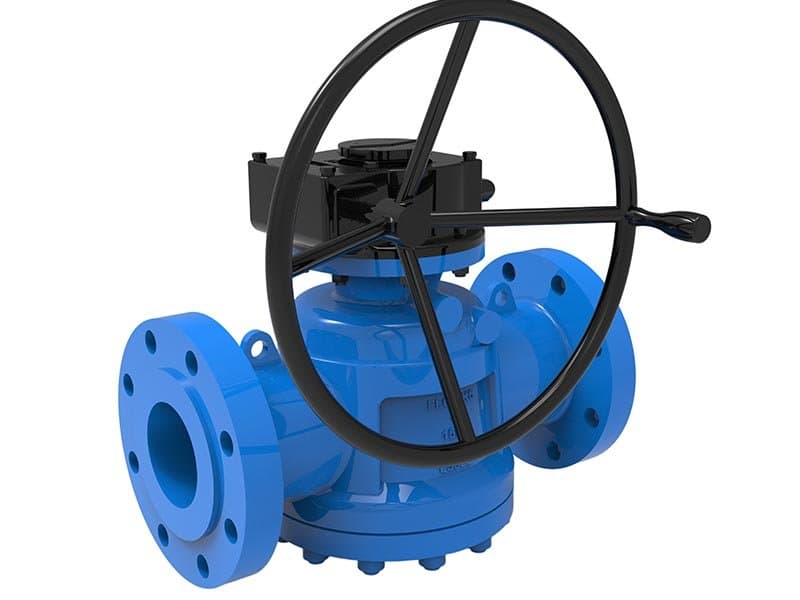
Válvula de Émbolo Lubricada con Aceite
Tamaño: 2" - 24" (DN50 - DN600) Presión: Clase 150 - 600 / PN 10-100 Norma: API 6D, API 599, ASME B16.34 Materiales de la carrocería: A216 WCB, A217 WC6/WC9 (Cr-Mo), A351 CF8M, A182 F316 (forjado) Los puertos de inyección de lubricante en el exterior del cuerpo se conectan a ranuras de distribución internas mecanizadas en la superficie del obturador. Usted ve esos accesorios en el exterior — típicamente uno o dos por válvula, dependiendo del tamaño. Inyecte antes de cada ciclo para válvulas de servicio poco frecuente, o establezca programas de inyección periódica para válvulas en operación frecuente. De cualquier manera, mantener la película de grasa es lo que mantiene el sello. Si descuida el programa de inyección, el obturador eventualmente se atascará. Las especificaciones API 6D para tuberías requieren válvulas de obturador lubricadas en puntos de aislamiento donde el asiento metálico es obligatorio y el medio de la línea no tolera elastómero ni PTFE. Eso no es un requisito de nicho — es práctica estándar en líneas troncales de crudo, cabezales de transmisión de gas y colectores de cruce en refinerías. Las clases 150 a 600 cubren el rango de presión en el que operan la mayoría de las tuberías. Los tamaños de 2" a 24" manejan el rango de diámetros desde conexiones de derivación hasta válvulas de bloqueo de línea principal. R: Para válvulas de aislamiento de servicio poco frecuente — inyecte antes de cada ciclo de operación. Unas cuantas bombadas de la pistola de grasa, luego gire el obturador. Para válvulas que ciclan regularmente, establezca un programa de inyección periódica basado en sus condiciones de operación. La mayoría de los operadores de tuberías inyectan semanal o mensualmente en válvulas de ciclo frecuente. R: El sello de película de lubricante proporciona fugas muy bajas — típicamente dentro de los límites aceptables de API 6D para válvulas de asiento metálico. No logrará cero fugas hermético a burbujas como un diseño de asiento blando. Si su especificación exige cero fugas visibles, considere una válvula de obturador de asiento blando en su lugar, siempre que su medio de línea sea compatible con el material del asiento. R: La conicidad proporciona presión de contacto autoajustable a medida que el obturador rota hacia la posición cerrada. Los obturadores cilíndricos dependen de presión de contacto constante a lo largo de toda la longitud de sellado — no obtienen la compresión progresiva que entrega una conicidad. La conicidad también permite que el obturador se levante ligeramente para la inyección de lubricante sin desengancharse completamente del orificio del cuerpo. Se inyecta grasa a través de los racores externos antes de cada ciclo de operación. Unas pocas pulsaciones con la pistola de engrase y, a continuación, se gira la válvula. El lubricante fluye a través de las ranuras de distribución internas de la superficie del tapón y rellena los huecos microscópicos entre el tapón y el cuerpo, formando una película hidrostática que mantiene la presión de la línea y reduce el par de apriete simultáneamente. La grasa no es solo un elemento práctico; es el sello principal. La Geometría Cónica Que Hace Que Funcione El cono es la razón principal por la que esta válvula sella de manera confiable. A medida que el macho gira hacia la posición cerrada, el cono que se estrecha aumenta la presión de contacto entre el macho y el orificio del cuerpo. Eso es lo que fuerza a la película de lubricante a entrar en cada irregularidad de la superficie — la propia geometría presuriza la capa de sellado. Abra el macho, y el cono se relaja. Ciérrelo, y el cono se comprime. Es un sello autoajustable que no depende de la fuerza de un resorte ni de una carga externa. Los puertos de inyección de lubricante en el exterior del cuerpo se conectan a ranuras de distribución internas mecanizadas en la superficie del macho. Usted ve esos accesorios en el exterior — típicamente uno o dos por válvula, dependiendo del tamaño. Inyecte antes de cada ciclo para válvulas de servicio poco frecuente, o establezca programas de inyección periódicos para válvulas en operación frecuente. De cualquier manera, mantener la película de grasa es lo que mantiene el sello. Si descuida el programa de inyección, el macho eventualmente se atascará. Las válvulas de obturador de asiento blando la eliminan. El inserto del asiento se comprime contra la cara del obturador a medida que el obturador rota a la posición cerrada. PTFE, Viton, EPDM, NBR — cualquier material de asiento que especifique, fluye dentro de cada irregularidad superficial bajo compresión y llena cada espacio. El resultado es cierre hermético a burbujas. Cero fugas visibles a presión nominal. Sin asteriscos, sin "dentro de límites aceptables," sin calificaciones. El asiento hace lo que el metal no puede. Las especificaciones de tuberías API 6D requieren válvulas de...
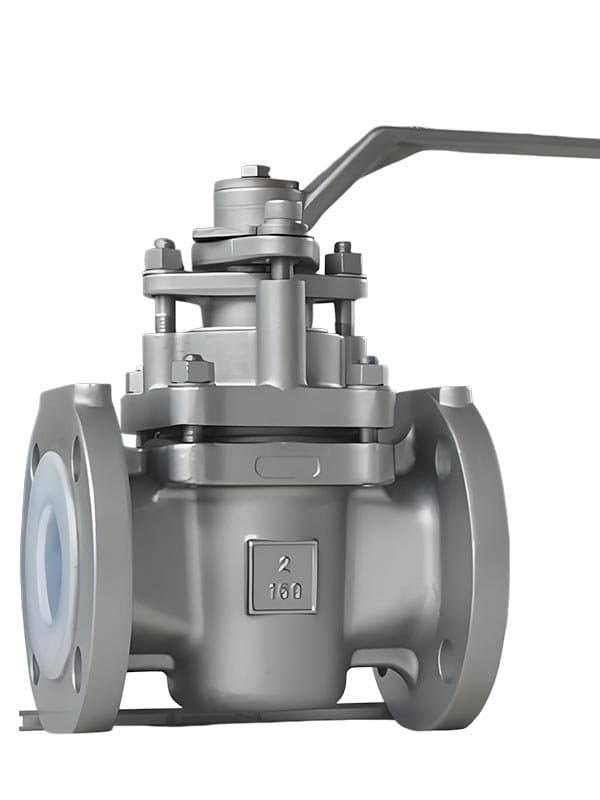
Válvula de Émbolo con Asiento Blando
Tamaño: 1/2" - 12" (DN15 - DN300) Presión: Clase 150 - 300 / PN 10-40 Las válvulas de tapón con equilibrio de presión eliminan esa fuerza hidráulica. Los pasajes internos de derivación conectan la presión aguas arriba y aguas abajo a ambos lados del tapón simultáneamente. La presión aguas arriba empuja la cara del tapón aguas arriba. La misma presión se enruta a través de canales internos para empujar la cara del tapón aguas abajo desde la dirección opuesta. Las dos fuerzas se cancelan. La fuerza hidráulica neta sobre el tapón cae a casi cero. Materiales de la carrocería: A216 WCB, A351 CF8M, A351 CF8, hierro dúctil (GGG40) Los pasajes añaden complejidad dentro del obturador. Más características mecanizadas significan más posibles rutas de fuga dentro del propio conjunto. El obturador debe sellar esos canales internos contra el flujo cruzado cuando la válvula está en posición cerrada; de lo contrario, los pasajes de derivación eludirían la función de aislamiento que se supone que debe proporcionar la válvula. Las juntas tóricas internas o los cierres de derivación con asiento metal-metal manejan ese requisito. Es trabajo de sellado adicional dentro del obturador, pero la reducción de par justifica la complejidad cada vez en aplicaciones de alta presión y gran diámetro. Las válvulas de obturador con balanceo de presión no están limitadas a un tipo de asiento. El asiento lubricado metal-metal funciona cuando el medio de línea degrada los asientos elastoméricos: petróleo crudo, gas natural, corrientes de refinería con química agresiva. Los insertos blandos de PTFE o Viton funcionan cuando la especificación exige cero fugas y el medio es compatible con el material del asiento. Ambos tipos de asiento están disponibles en la plataforma de balanceo de presión. R: El punto de cruce depende del tamaño y la presión del medio. Generalmente, por encima de Clase 300 en tamaños de 10" y mayores, el par del obturador desbalanceado comienza a exceder los límites prácticos de operación manual. En Clase 600 y superior en cualquier tamaño por encima de 6", el balanceo de presión es práctica estándar. Por debajo de Clase 150 en tamaños más pequeños, los diseños desbalanceados funcionan bien: la fuerza hidráulica es manejable. R: No prácticamente. Los pasajes de derivación se mecanizan en el conjunto del obturador durante la fabricación: no puedes adaptar canales internos a un obturador sólido. El balanceo de presión requiere un diseño de obturador diferente desde el principio. Si tus condiciones de operación han cambiado y el par ahora es un problema, necesitas una válvula nueva con la configuración de obturador balanceado. R: Costo y confiabilidad. Los actuadores sobredimensionados son caros: miles de dólares por válvula en tamaños grandes a alta presión. Requieren fuentes de alimentación más grandes, soportes de montaje más pesados y más mantenimiento. El balanceo de presión reduce el par al punto donde actuadores estándar u operadores manuales funcionan. Menos costo de capital, menos mantenimiento continuo, y el operador aún puede girar la válvula a mano si el actuador falla. Esa es una ventaja de confiabilidad que da resultados cada vez que el actuador está fuera de servicio. Es por eso que las válvulas de macho con asiento blando dominan en el tratamiento de agua, el procesamiento químico y cualquier aplicación donde la fuga cero es un requisito de especificación, no un elemento de lista de deseos. Cuando su punto de aislamiento tiene que mantener sin paso — enclavamientos de parada, conexiones de muestreo, aislamiento de drenaje en líneas peligrosas — el asiento blando es la decisión correcta. API 599, MSS SP-111, específico del fabricante El PTFE es el material por excelencia. Químicamente inerte, soporta prácticamente cualquier fluido de proceso sin degradarse. Autolubricante: el tapón gira contra el PTFE con menor fricción que cualquier contacto metal con metal, lo que se traduce en un menor par de apriete y la ausencia de inyección de grasa externa. Soporta temperaturas de hasta aproximadamente 200 °C de forma continua. Y sella herméticamente en cada ciclo. Limitación: El PTFE se deforma por fluencia en frío bajo cargas de presión sostenidas. El material se deforma lentamente bajo la fuerza de compresión de la superficie del tapón. Tras cientos de ciclos a la presión nominal, la huella del asiento cambia de forma, deformándose gradualmente. El PTFE reforzado (RPTFE) soluciona este problema añadiendo fibra de vidrio o relleno de carbono. El refuerzo reduce la deformación por fluencia en frío y aumenta la resistencia a la presión, manteniendo la inercia química y las propiedades autolubricantes que hacen que el PTFE sea útil. El RPTFE es la mejora práctica cuando su aplicación opera al límite superior del rango de presión o requiere más ciclos antes de reemplazar el asiento. El Viton soporta condiciones...
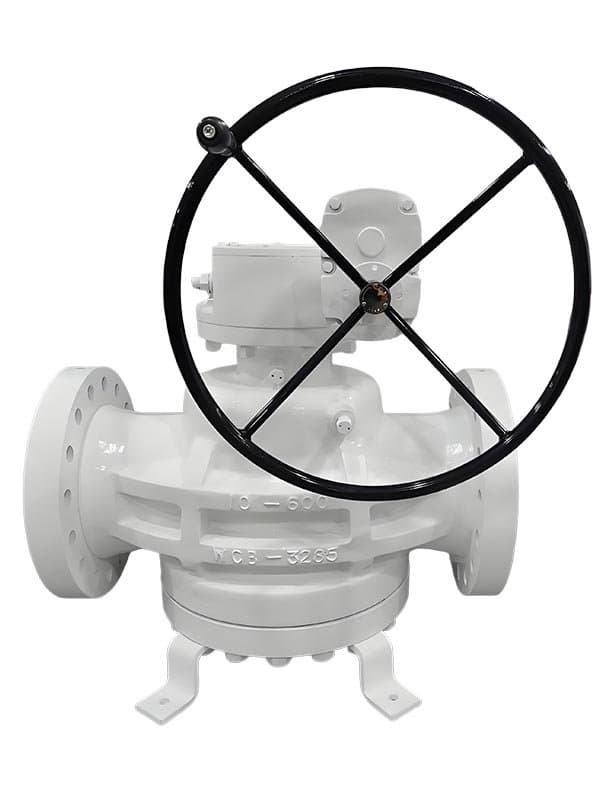
Válvula de Émbolo Equilibrada a Presión
Tamaño: 2" - 24" (DN50 - DN600) Presión: Clase 150 - 900 / PN 10-150 El conjunto del macho tiene un núcleo central y dos elementos de sellado expansibles (deslizadores o cuñas) que se mueven hacia afuera contra las caras del asiento del cuerpo cuando el macho alcanza la posición cerrada. Tanto el asiento aguas arriba como el aguas abajo sellan simultáneamente. Dos límites de sellado independientes, un cuerpo, una unión atornillada. El puerto de purga está integrado en el cuerpo de la válvula entre las dos caras del asiento. Materiales de la carrocería: A216 WCB, A217 WC6/WC9, A351 CF8M, A182 F316 Asiento: Metal-metal (lubricado) o asiento blando (PTFE/RPTFE/Viton) Diseño: Tapón con compensación de presión y conductos de derivación internos, rotación de 90°. Las válvulas de macho expansible con orificio venturi dominan este mercado por tres razones: DBB en un solo cuerpo, mecanismo compacto que se mantiene confiable en tamaños grandes, y menor costo de fabricación que los machos expansibles de paso completo porque la geometría del asiento es más pequeña. Los operadores de tuberías conocen estas válvulas. Son una pieza estándar del kit de herramientas de aislamiento. Esto es lo que sucede dentro de una válvula de tapón desequilibrada de Clase 600 en una línea de 12": la presión de la línea empuja un lado de la cara del tapón sin que esa fuerza pueda disiparse, excepto hacia el interior del cuerpo. Con 600 psi en un diámetro de 12", se generan miles de libras de fuerza hidráulica desequilibrada. El operador debe vencer esa fuerza para girar el tapón, y con esas cifras, la operación manual se vuelve físicamente imposible. Los actuadores neumáticos tienen dificultades. Los actuadores eléctricos requieren motores sobredimensionados. El par requerido determina las especificaciones del actuador, y el costo del mismo es consecuencia. Las válvulas de tapón con compensación de presión eliminan esa fuerza hidráulica. Los conductos de derivación internos conectan simultáneamente la presión aguas arriba y aguas abajo a ambos lados del tapón. La presión aguas arriba empuja la cara aguas arriba del tapón. La misma presión se canaliza a través de conductos internos para empujar la cara aguas abajo del tapón desde la dirección opuesta. Ambas fuerzas se anulan. La fuerza hidráulica neta sobre el tapón se reduce prácticamente a cero. El operador solo necesita vencer la fricción mecánica, no la presión hidráulica. Esa es la diferencia entre una válvula que se puede girar a mano y una que requiere un actuador de varios miles de dólares. Se puede operar manualmente una válvula de tapón de 16" Clase 600 con compensación de presión. No se puede operar manualmente una válvula del mismo tamaño y clase con un diseño desequilibrado. Para puntos de aislamiento de tuberías a alta presión y gran diámetro, la compensación de presión no es un lujo, sino la única forma práctica de mantener el par de operación dentro de límites manejables. Cómo Funcionan los Pasajes de Derivación Dentro del Macho Los pasajes de derivación internos están mecanizados directamente en el conjunto del macho. Los canales conectan la cavidad aguas arriba con el lado aguas abajo de la cara del macho, y viceversa. Cuando la presión de línea entra a la válvula, fluye a través de estos pasajes hacia ambos lados del macho antes de que el macho comience a girar. La ecualización de presión ocurre automáticamente — sin intervención del operador, sin líneas de balanceo externas, sin sistema de control requerido. Los conductos añaden complejidad al interior del tapón. Un mayor número de elementos mecanizados implica más posibles vías de fuga dentro del conjunto. El tapón debe sellar estos canales internos para evitar el flujo cruzado cuando la válvula está cerrada; de lo contrario, los conductos de derivación anularían la función de aislamiento que la válvula debe proporcionar. Las juntas tóricas internas o los cierres de derivación con asiento metal-metal cumplen con este requisito. Si bien implica un trabajo de sellado adicional dentro del tapón, la reducción del par justifica la complejidad en aplicaciones de alta presión y gran diámetro. Todo lo que el Venturi Le Ofrece, Más un Orificio Abierto Las válvulas de tapón compensadas por presión no se limitan a un solo tipo de asiento. El asiento metal-metal lubricado es ideal cuando el fluido de la línea degrada los asientos de elastómero (petróleo crudo, gas natural, corrientes de refinería con química agresiva). Los insertos de PTFE o Viton con asiento blando son adecuados cuando la especificación exige cero fugas y el fluido es compatible con el material del asiento. Ambos tipos de asiento están disponibles en la plataforma de válvulas compensadas por presión. Primero: rastreo (pigging). Los pigs de tubería, herramientas de limpieza, herramientas de raspado, pigs de inspección — todos necesitan un orificio de...
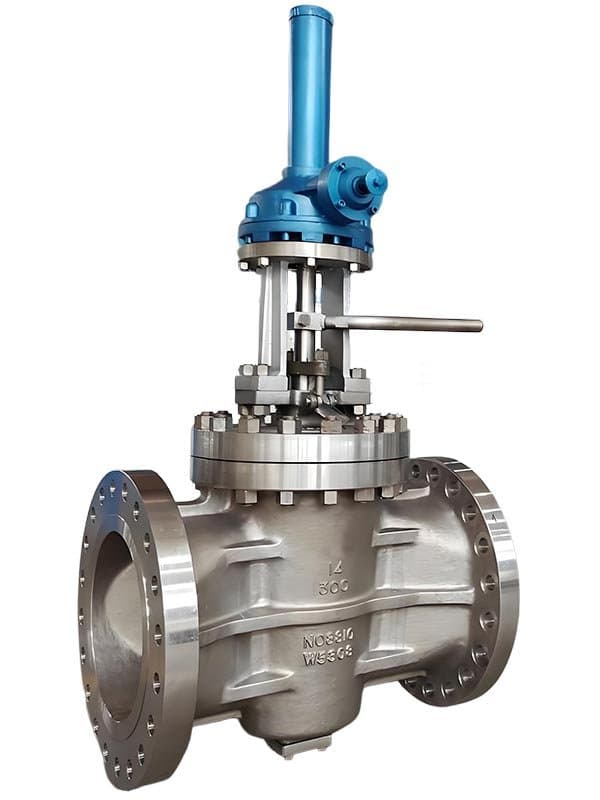
Válvula de Émbolo de Tipo Levante
1/2" – 4" (DN15 – DN100) Clase 150 – 300 / PN 10-40 API 599, MSS SP-111, específico del fabricante A216 WCB, A351 CF8M, A182 F316 (forjado), latón/bronce para tamaños pequeños Metal-metal (cara del obturador contra el anillo de asiento del cuerpo) o asiento blando (inserto de PTFE/RPTFE). Los asientos metálicos están disponibles con recubrimiento de Stellite para servicio abrasivo/cíclico. Funcionamiento mediante elevador: el tapón se levanta del asiento antes de girar y luego se vuelve a colocar. Movimiento en dos pasos: levantar → girar → volver a colocar. Sin contacto deslizante durante la rotación. Cómo Se Mueve Realmente La mayoría de las válvulas de macho hacen girar el macho directamente sobre la superficie del asiento. Cada giro raspa ligeramente el asiento. Tras cientos de ciclos en una válvula metal-metal, ese raspado se acumula, provocando desgaste, rayaduras en el asiento y picos de torsión a mitad de la carrera. Se nota en la maneta. La válvula se vuelve más difícil de girar. La válvula de tapón de tipo elevador evita por completo ese problema. Antes de girar, el tapón se eleva directamente desde su asiento. El tapón permanece en el aire mientras gira 90° hasta la nueva posición. Luego, vuelve a descender sobre el asiento. Elevación, rotación y asentamiento: tres movimientos distintos, sin contacto deslizante durante el giro del tapón. Sin raspado. Sin agarrotamiento. Sin pico de par a mitad de carrera. La superficie del asiento se mantiene limpia porque nada roza sobre ella durante la rotación. Por Qué Se Detiene en Cuatro Pulgadas El movimiento tipo elevación necesita más recorrido del vástago que un simple cuarto de vuelta. El vástago tiene que moverse hacia arriba, luego girar, luego moverse hacia abajo. Ese recorrido adicional escala con el tamaño de la válvula — una válvula de 4 pulgadas se eleva unos pocos milímetros, lo cual es manejable. Una válvula de 12 pulgadas necesitaría elevarse lo suficiente para despejar un diámetro de asiento mucho mayor, y el conjunto mecánico se vuelve voluminoso rápidamente. Por eso, las válvulas de tapón de elevación se utilizan en aplicaciones de pequeño diámetro: de media pulgada a cuatro pulgadas. Aislamiento de instrumentación. Puntos de muestreo. Líneas de inyección de productos químicos. Lugares donde se requiere un cierre con asiento metálico, pero la válvula es lo suficientemente pequeña como para que la distancia de elevación sea corta y el mecanismo sea compacto. Los tapones excéntricos permiten trabajar con diámetros mayores desplazando el eje y separando el tapón del asiento en ángulo. Un enfoque mecánico diferente, pero con el mismo objetivo. Sin embargo, para aplicaciones de diámetro pequeño, donde el desgaste del asiento es la principal preocupación, el tipo de elevación ofrece el funcionamiento más limpio disponible. Cuándo Tienen Sentido los Asientos Metálicos con Stellite Los asientos blandos (PTFE, RPTFE) funcionan bien en servicio limpio y de baja temperatura. Sellan herméticamente, son económicos y no necesitan el mecanismo de elevación para protegerlos — el material blando no se agarrota de la misma manera que el metal. Los asientos de metal a metal son donde este tipo de elevador demuestra su valía. Las superficies abrasivas, el servicio cíclico con cientos de ciclos de accionamiento por semana y los procesos a altas temperaturas que destruirían el PTFE son aplicaciones donde se necesita un asiento resistente y duradero. Y un asiento que nunca se desgaste durante la rotación. El recubrimiento de Stellite en las caras de los asientos lleva esa durabilidad más lejos. El Stellite resiste la abrasión, resiste el agarrotamiento y soporta servicios que desgastarían las superficies estándar de acero inoxidable. Combinado con el movimiento de tipo elevación que elimina el contacto deslizante, se obtiene un par de asientos que puede ciclar repetidamente sin desgaste progresivo. R: No. Las válvulas de elevación se fabrican hasta 4 pulgadas. En tamaños mayores, la distancia de elevación resulta poco práctica. Para tamaños de 6 pulgadas o superiores, utilice una válvula de tapón excéntrico u otro tipo de válvula. R: Sí. El vástago necesita recorrido axial además de rotación. La selección del actuador debe tener en cuenta la carrera de elevación antes de que comience la rotación. Las versiones accionadas por manivela utilizan un mecanismo de leva o roscado que gestiona internamente la secuencia de elevación, rotación y reposicionamiento. R: Ambos diseños eliminan el contacto deslizante del asiento, pero lo hacen de manera diferente. Los diseños excéntricos desplazan el eje para que el tapón se separe del asiento en ángulo. El tipo elevación levanta el tapón verticalmente. En tamaños pequeños, el tipo elevación proporciona la acción de asentamiento más directa con la geometría más simple. En tamaños mayores, los diseños...
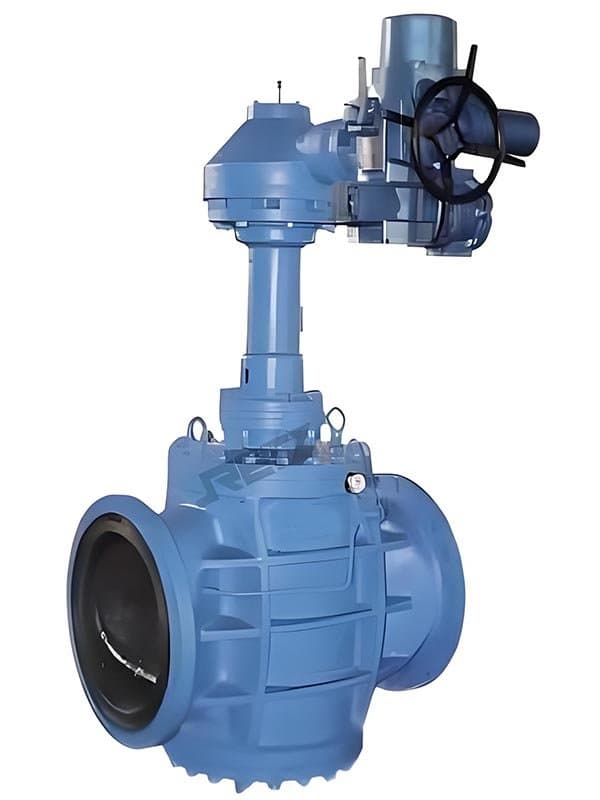
Válvula de Émbolo Expandible-Venturi
Acerca de la Válvula de Macho Tipo Elevación 1/2" – 4" (DN15 – DN100) Clase 150 – 300 / PN 10-40 API 599, MSS SP-111, específica del fabricante A216 WCB, A351 CF8M, A182 F316 (forjado), latón/bronce para tamaños pequeños Metal-metal (cara del macho contra el anillo de asiento del cuerpo) o asiento blando (inserto de PTFE/RPTFE). Asientos metálicos disponibles con recubrimiento de Stellite para servicio abrasivo/cíclico. Operación tipo elevación — el macho se levanta del asiento antes de girar, luego se reasienta. Movimiento en dos pasos: elevar → girar → reasentar. Cero contacto deslizante durante la rotación. Cómo Se Mueve Realmente La mayoría de las válvulas de macho giran el macho directamente sobre la superficie del asiento. Cada giro raspa un poco el asiento. Después de cientos de ciclos en una válvula metal-metal, ese raspado se acumula — agarrotamiento, rayado del asiento, picos de par a mitad de la carrera. Usted lo siente en la manija. La válvula se vuelve más difícil de girar. La válvula de macho tipo elevación evita ese problema por completo. Antes de que el macho gire, se levanta directamente del asiento. El macho está en el aire mientras gira 90° a la nueva posición. Luego baja de nuevo al asiento. Elevar, girar, reasentar — tres movimientos distintos, cero contacto deslizante mientras el macho está girando. Sin raspado. Sin agarrotamiento. Sin pico de par a mitad de carrera. La superficie del asiento se mantiene limpia porque nada roza sobre ella durante la rotación. Por Qué Se Detiene en Cuatro Pulgadas El movimiento tipo elevación necesita más recorrido del vástago que un simple cuarto de vuelta. El vástago tiene que moverse hacia arriba, luego girar, luego moverse hacia abajo. Ese recorrido adicional escala con el tamaño de la válvula — una válvula de 4 pulgadas se eleva unos pocos milímetros, lo cual es manejable. Una válvula de 12 pulgadas necesitaría elevarse lo suficiente para despejar un diámetro de asiento mucho mayor, y el conjunto mecánico se vuelve voluminoso rápidamente. Es por eso que las válvulas de macho tipo elevación viven en el mundo de diámetro pequeño. De media pulgada a cuatro pulgadas. Aislamiento de instrumentos. Puntos de muestreo. Líneas de inyección química. Lugares donde necesita cierre con asiento metálico pero la válvula se mantiene lo suficientemente pequeña para que la distancia de elevación sea corta y el mecanismo se mantenga compacto. Los diseños de macho excéntrico manejan tamaños más grandes al desplazar el eje y aplicar leva al macho fuera del asiento en un ángulo. Enfoque mecánico diferente, mismo objetivo. Pero para aplicaciones de diámetro pequeño donde el desgaste del asiento es la preocupación principal, el tipo elevación le brinda la acción más limpia disponible. Cuándo Tienen Sentido los Asientos Metálicos con Stellite Los asientos blandos (PTFE, RPTFE) funcionan bien en servicio limpio y de baja temperatura. Sellan herméticamente, son económicos y no necesitan el mecanismo de elevación para protegerlos — el material blando no se agarrota de la misma manera que el metal. Los asientos metal-metal son donde el tipo de elevación demuestra su valor. Lodos abrasivos, servicio cíclico con cientos de ciclos de accionamiento por semana, procesos de alta temperatura que destruirían el PTFE — estas son las aplicaciones donde se necesita un asiento duro que sobreviva. Y un asiento duro que nunca se raspe durante la rotación. El recubrimiento de Stellite en las caras de los asientos lleva esa durabilidad más lejos. El Stellite resiste la abrasión, resiste el agarrotamiento y soporta servicios que desgastarían las superficies estándar de acero inoxidable. Combinado con el movimiento de tipo elevación que elimina el contacto deslizante, se obtiene un par de asientos que puede ciclar repetidamente sin desgaste progresivo. R: No. Las válvulas de tipo elevación se fabrican hasta 4 pulgadas. En tamaños mayores, la distancia de elevación se vuelve impráctica. Use una válvula de tapón excéntrico u otro tipo de válvula para 6 pulgadas y mayores. R: Sí. El vástago necesita recorrido axial además de rotación. La selección del actuador debe considerar la carrera de elevación antes de que comience la rotación. Las versiones con manija usan un mecanismo de leva o rosca que gestiona la secuencia elevar-girar-reasentar internamente. R: Ambos diseños eliminan el contacto deslizante del asiento, pero lo hacen de manera diferente. Los diseños excéntricos desplazan el eje para que el tapón se separe del asiento en ángulo. El tipo elevación levanta el tapón verticalmente. En tamaños pequeños, el tipo elevación proporciona la acción de asentamiento más directa con la geometría más simple. En tamaños mayores, los diseños excéntricos son más prácticos. R: La certificación contra incendios depende del fabricante y la configuración. Las versiones con asiento...
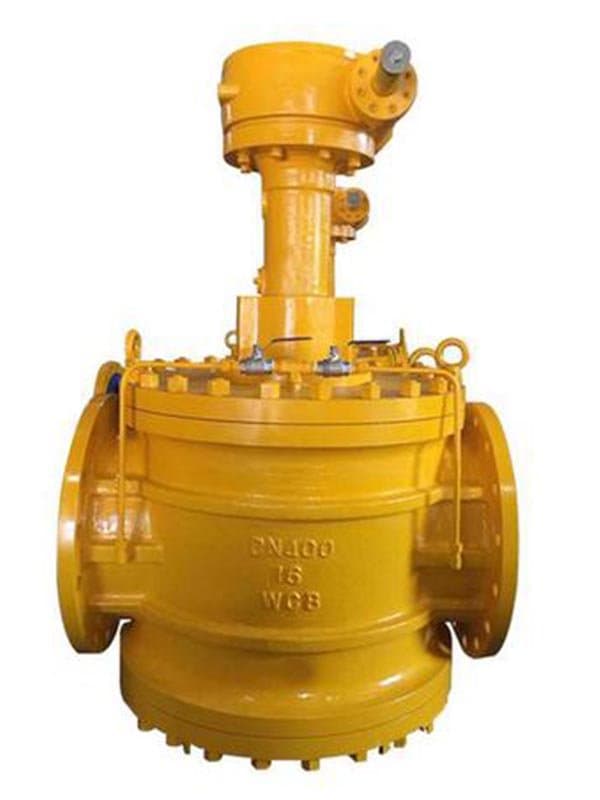
Válvula de Émbolo Expandible-Paso Completo
2" – 36" (DN50 – DN900) Clase 150 – 600 / PN 10-100 API 6D, API 599, ASME B16.34, API 607 (a prueba de fuego disponible) A216 WCB, A217 WC6/WC9, A351 CF8M, A351 CF8 Mecanismo de tapón expandible metal-metal: núcleo central + elementos de sellado expandibles para el sellado DBB contra las caras de asiento de diámetro completo. Paso de flujo de paso completo (puerto completo). El diámetro del cuerpo en la zona del asiento coincide con el diámetro nominal de la tubería. Se puede limpiar con raspadores cuando está abierto. Caída de presión nula en estado abierto. Todo lo que te ofrece el Venturi, además de un orificio abierto. La válvula de tapón expansible de paso total ofrece la misma función DBB que la versión venturi — dos límites de sellado independientes en un solo cuerpo de válvula, segmentos expansibles que sellan simultáneamente contra las caras de los asientos aguas arriba y aguas abajo, un puerto de purga integrado entre los asientos. La misma capacidad de aislamiento. El mismo paquete DBB de válvula única. La diferencia radica en el diámetro interior. El diámetro interior completo significa que el paso del cuerpo en la zona del asiento coincide con el diámetro de la tubería. Sin constricción. Sin reducción de la sección transversal. Cuando la válvula está abierta, el paso del flujo tiene el mismo diámetro que la tubería en ambos lados. Dos cosas cambian cuando se agranda el cañón. Primero: el rastreo (pigging). Los pigs de tubería, herramientas de limpieza, herramientas de raspado, pigs de inspección — todos necesitan un paso de diámetro completo para atravesar. Una constricción venturi bloquea el pig. El paso total permite que pase. Si su especificación de tubería requiere válvulas rastreables en puntos de aislamiento, el tapón expansible de paso total es el único diseño de válvula de tapón que le ofrece aislamiento DBB y flujo rastreable en un solo cuerpo. Segundo: caída de presión. En aplicaciones de flujo continuo donde la válvula permanece abierta la mayor parte del tiempo, la constricción venturi añade una pérdida de presión permanente. Cada hora, cada día, esa pérdida está ahí. El paso total la elimina. El paso abierto coincide con el diámetro de la tubería, el flujo pasa sin obstrucciones, y su bomba o compresor no tiene que compensar una restricción que no debería estar ahí. El Costo Mecánico de un Asiento de Diámetro Completo Las caras de asiento de diámetro completo son más grandes. Los segmentos expansibles tienen que sellar contra una circunferencia de asiento que coincide con el diámetro completo de la tubería — no un diámetro venturi reducido. Más circunferencia significa más recorrido de expansión, elementos de sellado más grandes, y un mecanismo más pesado. A 12 pulgadas o menos, la diferencia es mínima. El mecanismo de recorrido completo sigue siendo lo suficientemente compacto como para ser sencillo. A 24 y 36 pulgadas, los elementos expansibles ejercen presión hacia afuera contra una circunferencia de asiento de dos o tres pies de diámetro. El mecanismo se vuelve más grande, más complejo y más costoso de fabricar. Ese es el intercambio. El paso total le da flujo rastreable y caída de presión cero. Cuesta más — especialmente en tamaños grandes — porque el mecanismo expansible tiene que trabajar contra un asiento más grande. Cuando su especificación exige rastreo o caída de presión cero en estado abierto, el costo está justificado. Cuando no, la versión venturi le da la misma función DBB por menos dinero y con un mecanismo más simple. Aislamiento de tuberías de transmisión en estaciones donde pasan pigs. Esa es la aplicación principal. Los operadores de tuberías ejecutan pigs regularmente para limpieza, inspección y verificación de integridad. Cada válvula de aislamiento en una sección rastreable tiene que permitir el paso del pig. Una válvula venturi bloquea el pig — el equipo tiene que retirar la válvula o instalar un bypass cada vez que ejecutan uno. Las válvulas de tapón expansible de paso total eliminan ese problema. Puntos de aislamiento de flujo continuo — estaciones de medición, válvulas de bloqueo de estaciones de compresores que permanecen abiertas durante meses y solo se cierran para mantenimiento — también se benefician del paso total. La caída de presión en estado abierto a través de una válvula venturi se acumula con el tiempo. En servicio continuo, eliminar esa caída ahorra energía de bombeo y reduce el costo operativo. Las configuraciones a prueba de fuego están disponibles. Las pruebas API 607 confirman que ambos límites de sellado se mantienen después de la exposición al fuego, y el paso de diámetro completo no compromete el rendimiento en la prueba de fuego. R: Los raspadores estándar y los raspadores de inspección pasan a través del paso abierto de diámetro completo. Verifique las dimensiones del raspador con el fabricante de la válvula;...
Descripción técnica
Las válvulas de macho giran un macho cilíndrico o cónico 90° dentro del cuerpo para abrir o cerrar el paso del flujo. El macho en sí es el elemento de sellado: su superficie exterior contacta directamente con la superficie del asiento del cuerpo, o a través de un inserto de asiento intermedio, para lograr el cierre. Esa interfaz directa macho-asiento es la característica fundamental que distingue las válvulas de macho de las válvulas de bola (donde un anillo de asiento separado contacta la bola) y de las válvulas de compuerta (donde una compuerta plana se desliza entre dos anillos de asiento). FLOWKS fabrica seis configuraciones de válvulas de macho que abarcan tres filosofías de sellado y tres tipos de movimiento mecánico. Las válvulas de macho lubricadas inyectan sellante a través de conexiones externas hacia ranuras de distribución internas en la superficie del macho cónico: la película de lubricante crea tanto la barrera de sellado primaria como la capa de lubricación rotacional que evita el agarre metálico. Las válvulas de macho con asiento blando utilizan insertos de PTFE, PTFE reforzado, Viton, EPDM o NBR unidos al cuerpo o a la superficie del macho: la compresión del asiento blando llena las irregularidades superficiales para lograr cero fugas con burbuja hermética, sin necesidad de lubricante externo. Las válvulas de macho de presión equilibrada dirigen la presión de línea a ambos lados del macho a través de pasajes de derivación internos: las fuerzas hidráulicas se cancelan y el torque de operación se mantiene manejable en clases 600-900 y tamaños de 12"-24", donde el torque desequilibrado excedería la capacidad manual o del actuador. Las válvulas de macho de elevación levantan el macho del asiento antes de rotar: el contacto deslizante cero durante la rotación elimina el desgaste del asiento, limitado a tamaños de 1/2"-4" donde la distancia de elevación es corta. Las válvulas de macho expansibles (Venturi) utilizan elementos de sellado expansibles (zapatas/cuñas) que se mueven hacia afuera contra caras de asiento de diámetro reducido: sellado de doble bloqueo y purga en un solo cuerpo de válvula, con cierta caída de presión en estado abierto a través de la constricción venturi. Las válvulas de macho expansibles (Paso Total) aplican el mismo mecanismo expansible contra caras de asiento de diámetro completo: sellado DBB más paso de flujo sin restricciones apto para pig, con mayor complejidad mecánica y costo que el diseño venturi.
Descargas de productos
Industrias que utilizan este producto
Aplicaciones en diversos sectores industriales.
products.lookingMore
products.lookingMoreDesc
Ball Valves
FLOWKS offers floating ball valve, trunnion mounted ball valve and top entry ball valve for oil & gas, petrochemical and power generation. Designed per API 6D, API 608 and ASME B16.34.
DBB Valves
FLOWKS Double Block & Bleed (DBB) valves provide dual isolation with bleed verification in a single compact body. Replacing traditional multi-valve installations, FLOWKS DBB valves reduce weight, space and potential leak paths. Available in bolted bonnet, all-welded and expanding gate designs per API 6D and API 607.
Gate Valves
FLOWKS gate valves for isolation service in piping systems. Flexible wedge, solid wedge, slab and expanding gate designs per API 600, API 602 and ASME B16.34.
Globe Valves
FLOWKS globe valves for throttling and isolation. Standard, angle, Y-pattern and bellows seal configurations per API 602 and BS 1868.