products.productRange
Полный спектр промышленных клапанов для любых применений.
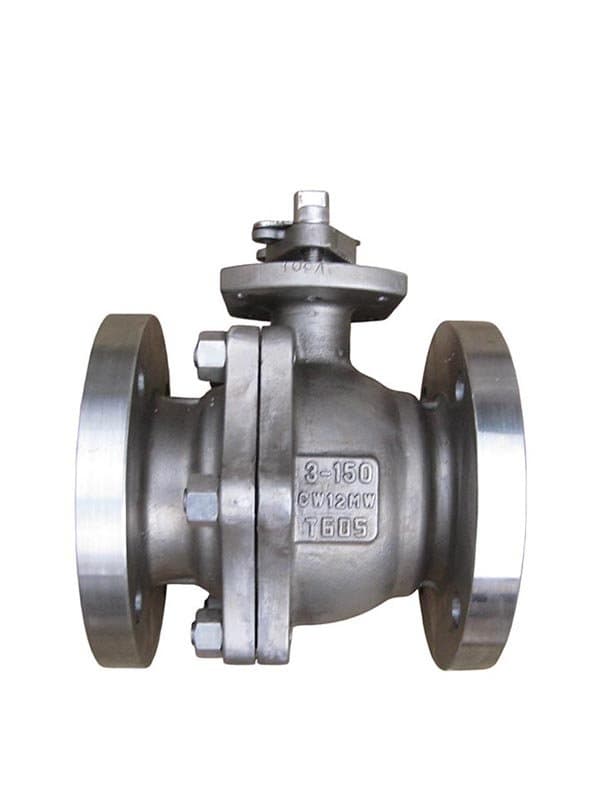
Клапан Hastelloy
Цена. Не будем притворяться. Задвижка из Хастеллоя C276 стоит в 8–12 раз дороже аналога из 316L. А сроки поставки? 16–20 недель на литье, если ваш поставщик не имеет запасов. Это не сбой в цепочке поставок — это нормальное положение дел для нишевого суперсплава. Давайте будем откровенны. Если сталь 316L выдерживает эксплуатацию в вашей системе, вам не нужен сплав Hastelloy. Но если вы уже видели, как клапаны из нержавеющей стали покрываются ямками, трескаются или растворяются в течение шести месяцев, — вы попали в ту область, где этот никель-молибден-хромовый сплав оправдывает свою абсурдную цену. Hastelloy C276 — это не просто «улучшенная нержавеющая сталь». Это принципиально иной химический состав. 16% содержания молибдена обеспечивают ему устойчивость к восстановительным кислотам (соляной и серной в концентрациях, которые буквально разъедают сталь 316L). 15% хрома и 4% вольфрама справляются с окислительными условиями. Большинство материалов выходят из строя на одном конце этого спектра. C276 же подходит для обоих. Именно поэтому он используется в установках десульфуризации дымовых газов — суспензия в этих скрубберах меняет свои свойства от окислительных до восстановительных в зависимости от уровня кислорода, температуры и pH. Клапан, работающий только в одном режиме, выходит из строя в рабочие дни. Реальный успех: установки алкилирования фтористоводородной кислотой на нефтеперерабатывающих заводах. Среда фтористоводородной кислоты разрушает практически всё. Клапаны C276 в этих контурах обычно работают более 5 лет без внутреннего износа. Это не маркетинговый ход — это данные с предприятий, полученные от операторов, которые отслеживают каждую замену. О: C22 имеет более высокое содержание хрома (22% против 15%) и более низкое содержание молибдена (13% против 16%). Лучшая стойкость к щелевой коррозии в высокохлоридных окислительных условиях. C276 немного прочнее в чистых восстанавливающих кислых средах. Большинство химических заводов придерживаются C276. Оффшорная и морская промышленность все чаще выбирают C22. О: Литейный C276 (CW-12MW по ASTM A494) имеет несколько иные пределы химического состава, но соответствует тем же коррозионным показателям для большинства применений. Для экстремальных щелевых условий кованые поковки дают небольшое преимущество благодаря более чистой микроструктуре. Сварка требует дисциплины. Сплав C276 хорошо работает при сварке GTAW и GMAW с использованием соответствующего присадочного материала (ERNiCrMo-4), но температура между проходами должна оставаться ниже 100°C, и необходима интенсивная продувка газом. Пропустить продувку? Образуются оксидные полосы, которые становятся очагами коррозии. Я видел, как в цехах пытаются ускорить сварку сплавов Hastelloy так же, как и нержавеющей стали, — и рентгенограмма всегда показывает результат. Алюминиевая бронза не дает МИК такой же опоры. Содержание алюминия (9–11% в C95400) образует стойкий, самовосстанавливающийся оксидный слой, к которому морским организмам трудно прикрепиться. В сочетании с естественными биоцидными свойствами меди вы получаете материал, который остается функциональным в условиях, где нержавейка требует постоянной химической очистки и осмотра. Никель-алюминиевая бронза (C95500 / C63000, с 4–5,5% Ni) добавляет прочность и улучшает стойкость к коррозионному растрескиванию под напряжением. Для пожарных магистралей высокого давления на оффшорных платформах — это именно та марка, которая нужна. Чистая алюминиевая бронза (C95400) отлично подходит для балластных и охлаждающих контуров низкого давления. Не следует рассматривать Hastelloy как запасной вариант «на всякий случай» вместо нержавеющей стали. Это приведет к растрате бюджета без повышения надежности. Используйте его только в том случае, если ваш инженер по коррозии выявит среду, с которой нержавеющая сталь не справляется, и задокументируйте это решение для закупочной комиссии. Обесцинкование — это страшилка, которую вспоминают каждый раз, когда упоминают бронзовые клапаны. Вот реальность: алюминиевая бронза специально разработана для сопротивления обесцинкованию, потому что не содержит значимого количества цинка. «Риск обесцинкования» относится к латуни (сплавы Cu-Zn), а не к алюминиевой бронзе. Если кто-то говорит, что алюминиевая бронза обесцинковывается, они путают семейства сплавов — и это случается чаще, чем вы думаете, на совещаниях по закупкам. Проверьте материал болтов фланца. Использование корпусов клапанов из сплава Hastelloy со шпильками B7, потому что «это дешевле», создает гальваническое несоответствие в условиях воздействия хлоридов. Используйте болты из сплава B8M или аналогичного сплава — разница в стоимости невелика, а риск отказа значительно снижается. Для оффшорных противопожарных систем: C95500 или C63000 (никель-алюминиевая бронза) с металлическим уплотнением седла поворотного затвора. Требуется более высокий класс давления, а добавление...
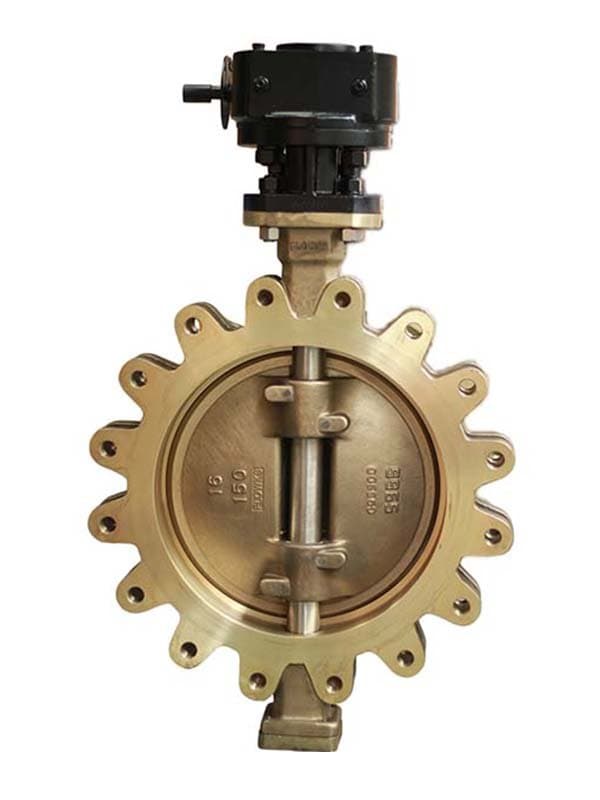
Дисковый затвор из алюминиевой бронзы
Почему алюминиевая бронза выдерживает воздействие соленой воды, в отличие от нержавеющей стали, которая плохо чистится? Вот что часто удивляет инженеров в морской воде: она не просто "коррозионная". Она вызывает биологическую коррозию. Микробиологически обусловленная коррозия (МИК) в системах с соленой водой разрушает клапаны из стали 316L быстрее, чем многие ожидают, — не потому, что содержание хлоридов превышает пороговое значение для нержавеющей стали, а потому, что морские организмы колонизируют поверхность и создают локальные кислотные зоны под своей биопленкой. Механическая обработка обманчиво сложна. Monel 400 обрабатывается как мягкий липкий металл — инструмент тянет вместо чистого резания, и наклёп быстро нарастает на поверхности. K500 ещё хуже после дисперсионного твердения. Цеха, не специализирующиеся на никелевых сплавах, регулярно производят корпуса обратных клапанов с погрешностями размеров в отверстии оси шарнира, что приводит к неравномерной посадке диска и утечкам при обратном потоке. Выбирайте изготовителя с подтверждённым опытом работы с никелевыми сплавами. Для циркуляции кислоты в HF-алкилировании: корпус из Monel 400 с осью шарнира из K500. Поворотный обратный, болтовой боннет, класс 300 минимум. Диапазон размеров 2"–6" покрывает большинство контуров кислотной петли. Не используйте сварной боннет — среда HF требует доступа к боннету для замены шарнира диска без вырезания клапана из линии. Никель-алюминиевая бронза (C95500 / C63000, с содержанием никеля 4–5,5%) повышает прочность и улучшает устойчивость к коррозионному растрескиванию под напряжением. Для противопожарных трубопроводов высокого давления на морских платформах это именно тот сорт, который вам нужен. Чистая алюминиевая бронза (C95400) хорошо подходит для балластных и охлаждающих контуров низкого давления. A: Нет. Задача корпуса — коррозионная стойкость и структурная целостность под давлением — Monel 400 справляется с обоими. Преимущество прочности K500 важно для движущихся частей (ось шарнира, диск), испытывающих механические удары. Комбинация корпуса из 400 с внутренними деталями из K500 — отраслевая стандартная оптимизация. Вес. Алюминиево-бронзовые дисковые затворы плотные — 7,5 г/см³, что означает, что корпус клапана 12" заметно тяжелее нержавеющего аналога. На судне, где каждый килограмм имеет значение, это реальное соображение, а не сноска. Температурный предел. 260°C — ваш максимум. Превышение этого предела приведет к разрушению слоя оксида алюминия. Если ваша система работает с горячим конденсатом или перегретой технологической жидкостью, этот материал вам не подойдет — переходите на супердуплексную сталь или никелевый сплав. Нержавеющая сталь 316L справляется с разбавленным каустиком при комнатной температуре. Поднимите концентрацию до 50% при температуре выше 150°C — а именно так работают мембранные хлорные производства — и 316L развивает коррозионное растрескивание под напряжением в течение месяцев. Никель 200? Он работает годами в тех же условиях. Врожденная устойчивость никеля к щелочному SCC — это не уловка сплава — это фундаментальное свойство самого металла. Никель 201 (N02201) — это низкоуглеродистый вариант, и это марка, которую необходимо использовать выше 315°C. Никель 200 подвергается графитовому превращению при длительных температурах выше 315°C — углерод осаждается в виде графитовых узелков, которые охрупчивают структуру. Содержание углерода ≤0,02% в никеле 201 полностью предотвращает это. Если ваша спецификация указывает «Никель 200» для каустикового клапана, работающего выше 300°C, обратите на это внимание. Это скрытый механизм отказа, ожидающий следующего теплового скачка. Практические советы по выбору Мягкость. Чистый никель (99%+) механически мягче даже нержавеющей стали 304. Предел прочности составляет около 462 МПа — достаточно для корпусов диафрагмовых клапанов низкого давления, но не для кованых задвижек или шаровых клапанов высокого давления, где требуется 500+ МПа. Это отчасти причина того, что клапаны из чистого никеля — преимущественно диафрагмовые или дисковые — геометрия работает в пределах механических возможностей материала. Для оффшорных противопожарных систем: C95500 или C63000 (никель-алюминиевая бронза) с металлическим уплотнением седла дискового затвора. Требуется более высокий номинальный класс давления, а добавка никеля даёт предел прочности для сохранения целостности седла под давлением пожарной магистрали 10–16 бар. Избегайте использования алюминиевой бронзы в кислых технологических потоках. Медная матрица быстро корродирует в средах серной и азотной кислот. Это материал для морской воды, а не для химических процессов. Использование его на химическом заводе только потому, что «он коррозионностойкий», без проверки пригодности среды — это ошибка, которая отразится на графике замены уже через несколько месяцев. О: Хастеллой отлично работает в каустике, но стоит в 3–4...
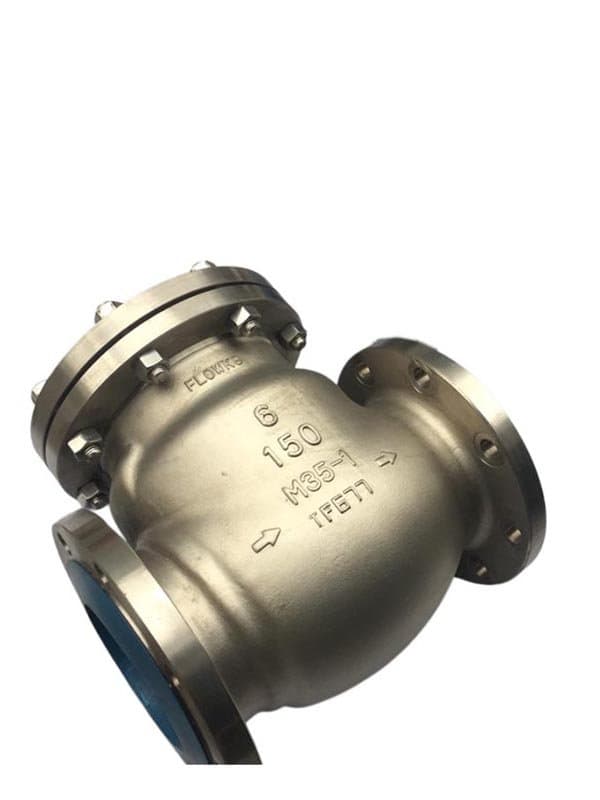
Поворотный обратный клапан Monel
Задиры. Контакт титана с титаном при скольжении вызывает катастрофические задиры. Седла шаровых кранов, где и шар, и седло выполнены из титана, заклинит под нагрузкой, если не решить эту проблему. Отраслевое решение: твердое покрытие шара (оксид хрома или наплавка карбида вольфрама) или использование разнородного материала седла (PTFE или армированный PEEK). Если поставщик предлагает «цельнотитановый» шаровой кран без указания обработки поверхности посадочных поверхностей, задайте вопросы перед заказом. Фтороводородная кислота — это кислота, которая пугает опытных инженеров-коррозионников. Не потому, что это самая сильная кислота — это не так. А потому, что она разрушает материалы, которые люди считают «кислотостойкими». Нержавеющая сталь? При производственных концентрациях она пропитывается насквозь за несколько часов. Сталь с футеровкой из стекловолокна? В конечном итоге проникает через сварные швы. Титан? При низких концентрациях допустим, но опасен при концентрации выше 50% и при повышенных температурах. Гальваническое благородство. Титан находится на благородном конце гальванического ряда. Соедините его со стальными, медными или алюминиевыми фланцами без изоляции — и эти менее благородные металлы будут агрессивно корродировать в месте соединения. Каждое фланцевое соединение титан-сталь требует полного изоляционного комплекта, иначе вы создаете локальный коррозионный элемент, который атакует трубопровод, а не клапан. Для морской воды на шельфе: Grade 2, седло PTFE, Class 300, размеры 2"–10". Шар с твердым покрытием (наплавка Cr2O3). Изоляционные комплекты на каждом стальном фланцевом соединении. Это проверенная формула. Монель K500 (N05500) содержит добавки алюминия и титана для упрочнения при старении, что повышает его прочность на растяжение примерно в 2–3 раза по сравнению с монелем 400. Он используется для шарнирных штифтов обратных клапанов и внутренних компонентов, подвергающихся многократным механическим ударам при резком закрытии поворотного диска. Корпус сохраняет твердость монеля 400; движущиеся части выигрывают от твердости монеля K500. О: Grade 5 дает примерно в 2 раза большую прочность на растяжение, чем Grade 2 — полезно для работы под высоким давлением Class 600+ или при ожидаемых механических ударах. Но Grade 5 имеет несколько меньшую коррозионную стойкость, чем Grade 2, в некоторых средах, поскольку добавки алюминия и ванадия изменяют поведение оксидной пленки. Большинство спецификаций, ориентированных на коррозию, останавливаются на Grade 2. Ценовой диапазон. Монель находится между высококачественной нержавеющей сталью и настоящими никелевыми сплавами, такими как Hastelloy. Обратный клапан из монеля стоит в 4–5 раз дороже, чем из стали 316L, но примерно вдвое дешевле, чем аналог из стали C276. Это делает его «оптимальным по соотношению цены и качества» выбором для высокочастотной коррозии — вы платите достаточно за реальную защиту, но не переплачиваете за суперсплав, разработанный для еще более экстремальных химических процессов. Слабость к окислительным кислотам. Никель-медная смесь Monel оптимизирована для восстановительных сред. В азотной кислоте она корродирует быстрее, чем стандартная нержавеющая сталь. Если ваша система работает в средах с высокой фтористоводородной кислотой (восстановительная) и азотной кислотой (окислительная) — что случается редко, но происходит в некоторых процессах химической обработки, — Monel вам не подойдет. Hastelloy C276 подходит для обоих случаев. Механизм прост: цирконий образует чрезвычайно стабильную плотную оксидную пленку (ZrO2), которая удерживается на поверхности металла с энергией связи, недостижимой для большинства других оксидных пленок. Этот оксид не растворяется в азотной кислоте ни при какой коммерчески значимой концентрации или температуре. В кипящей 98% азотной кислоте скорость коррозии циркония составляет менее 0,025 мм/год. Нержавеющая сталь 304L в тех же условиях? Потерю массы можно измерять в граммах в день. Обработка на станках обманчиво сложна. Монель 400 обрабатывается как мягкий, клейкий металл — инструменты скорее заедают, чем режут чисто, а упрочнение на поверхности происходит быстро. С К500 после старения ситуация еще хуже. В цехах, не специализирующихся на никелевых сплавах, часто изготавливают корпуса обратных клапанов с погрешностями размеров в отверстии для шарнирного штифта, что приводит к неравномерной посадке диска и утечке при обратном потоке. Выбирайте производителя с подтвержденным опытом работы с никелевыми сплавами. Фторид-ионы. Это ахиллесова пята циркония, и она абсолютна. Даже следовые количества фторида (0,05 M NaF в азотной кислоте) вызывают растворение пленки ZrO2, обнажая голый металл для быстрого разрушения. Если ваш технологический поток содержит любой фторид — из сырой воды, из фосфатного загрязнения, из любого источника — цирконий корродирует. Без обсуждений, без обходных путей, без «небольшое...
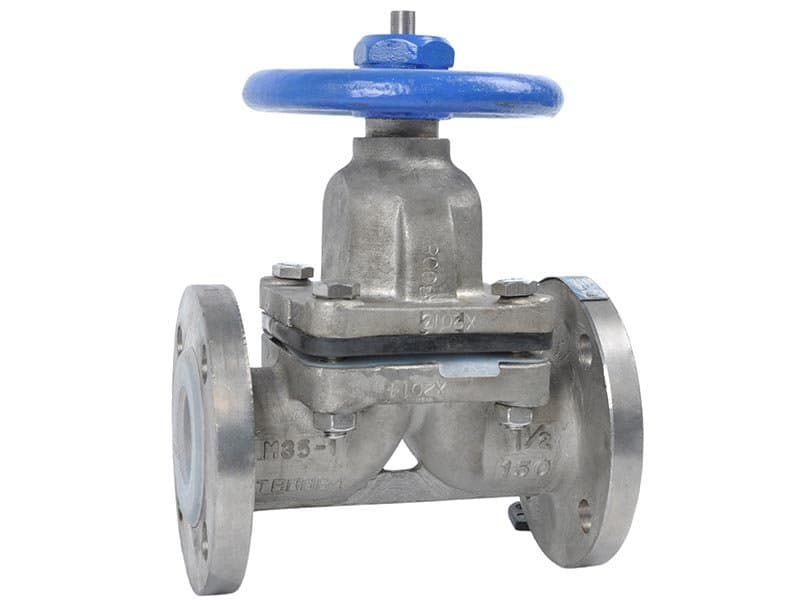
Мембранный клапан Monel
Не настоящий суперсплав. Стойкость Incoloy 825 к питтингу (PREN ~31) уступает как 254SMO (PREN ~43), так и Hastelloy C276 (PREN фактически 65+). В агрессивных хлоридных питтинговых средах — высокотемпературная морская вода, концентрированный рассол — 825 может подвергаться питтингу там, где эти более высокопроизводительные альтернативы остаются стабильными. Если ваш сервис доминируется питтингом, не указывайте 825 как «экономичный компромисс» — это скомпрометирует надёжность вашей установки. Серия 800 (800/800H/800HT) — высокотемпературные варианты — не являются коррозионными сплавами. Это сплавы прочности, предназначенные для длительной высокотемпературной структурной службы (компоненты печей, трубки пароперегревателей). Если вам нужна коррозионная стойкость при высокой температуре, 825 всё ещё ваш сорт Incoloy. Если вам нужна прочность при 700°C в относительно чистой среде, 800H — правильный выбор. Путаница между этими двумя семействами — распространённая ошибка в спецификациях. Нержавеющая сталь 316L хорошо работает с разбавленными щелочами при комнатной температуре. Но стоит довести концентрацию до 50% при температуре выше 150°C — именно при такой температуре работают установки для производства щелочи с мембранными ячейками — и в течение нескольких месяцев в стали 316L начинается коррозионное растрескивание под напряжением. А что насчет никеля 200? Он работает годами в тех же условиях. Присущая никелю устойчивость к щелочному коррозионному растрескиванию под напряжением — это не особенность сплава, а фундаментальное свойство самого металла. Конструкция мембранного клапана естественным образом сочетается с чистым никелем, поскольку мембранные клапаны изолируют рабочую жидкость от механизма привода клапана. В работе с щелочами это важно по двум причинам: (1) утечки щелочи крайне опасны для персонала, а мембранный барьер обеспечивает физическую герметизацию между технологическим процессом и внешней средой, и (2) внутренняя часть корпуса клапана остается чистой — отсутствуют утечки через сальник, отсутствует уплотнение штока, через которое щелочь может проникать и разрушаться со временем. Никель 201 (N02201) — это низкоуглеродистый вариант, и именно этот сорт необходимо использовать при температурах выше 315°C. Никель 200 подвергается графитовой трансформации при длительном воздействии температур выше 315°C — углерод выпадает в осадок в виде графитовых включений, которые делают структуру хрупкой. Содержание углерода в никеле 201 (≤0,02%) полностью предотвращает это. Если в вашей спецификации указано «никель 200» для клапана, работающего при температуре выше 300°C, отметьте это. Это скрытый механизм отказа, ожидающий следующего температурного воздействия. О: Inconel 625 (N06625) имеет более высокое содержание никеля (58+%), больше молибдена (8–10%) и не содержит меди. Лучшая стойкость к питтингу и щелевой коррозии, особенно в средах с высоким содержанием хлоридов. Примерно в 1,5–2 раза дороже 825. Используйте 625, когда нужен этот дополнительный запас; используйте 825, когда его профиль стойкости покрывает ваши условия. Кислотные окислительные среды. Азотная кислота, хромовая кислота, окислительные хлоридные растворы — чистый никель быстро корродирует. Пассивная пленка, защищающая никель в щелочных и восстановительных условиях, не образуется в окислительных средах. Если в вашей технологической жидкости происходит изменение окислительной среды — даже кратковременное во время цикла очистки — никель 200 будет корродировать быстрее, чем нержавеющая сталь 304. Вот факт, который удивляет инженеров, не работавших на заводах серной кислоты: разбавленная серная кислота более коррозионна для нержавеющей стали, чем концентрированная. При концентрации 10–30% серная кислота агрессивно атакует нержавеющую сталь, тогда как при 90%+ концентрации 316L на самом деле справляется с ней достаточно хорошо (концентрированная кислота менее ионно активна). 904L — это сплав, который покрывает весь диапазон концентраций 0–100% при температурах до примерно 35°C. Мягкость. Чистый никель (99%+) механически мягкий по сравнению даже с нержавеющей сталью 304. Предел прочности при растяжении составляет около 462 МПа — достаточно для корпусов диафрагмовых клапанов низкого давления, но не для кованых задвижек или шаровых клапанов высокого давления, где требуется 500+ МПа. Это отчасти причина того, что клапаны из чистого никеля — преимущественно диафрагмовые или дисковые — геометрия работает в пределах механических возможностей материала. Волатильность цен. Цены на никель сильно колеблются на товарных рынках. Стоимость материала корпуса клапана из чистого никеля может измениться на 20–30% в период между заказом и поставкой. Команды по закупкам ненавидят это. При составлении бюджета проекта по клапану из чистого никеля необходимо фиксировать цены на момент заказа, а не делать предварительные оценки за три месяца. Температурный предел в...
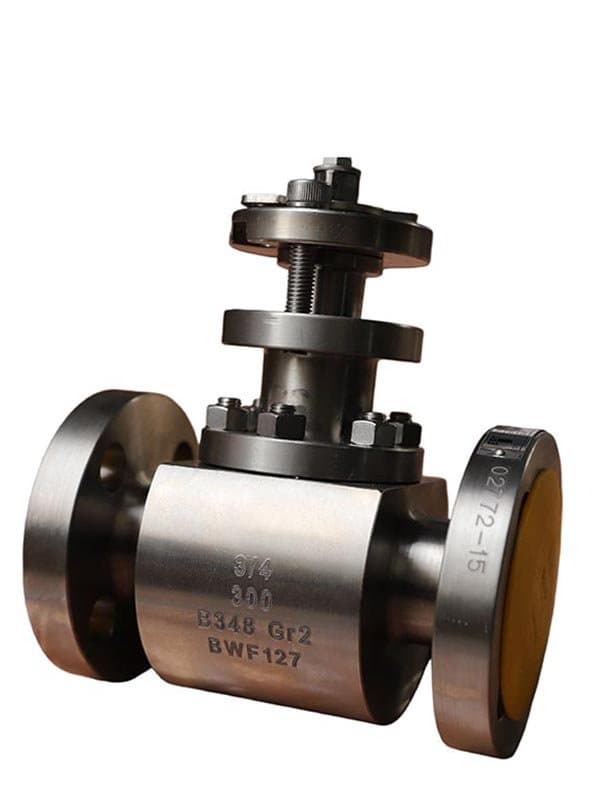
Шаровой кран с верхней крышкой из титана
Чувствительность к сигма-фазе реальна и более выражена, чем у 904L, из-за более высокого содержания молибдена. Выдержка 254SMO в диапазоне 600–1000°C даже в течение часа допускает выделение сигма-фазы по границам зерен, что снижает как коррозионную стойкость, так и ударную вязкость. Для производства клапанов это означает: растворная обработка должна быть выполнена правильно (1150–1200°C, затем быстрое водяное охлаждение), и любая последующая горячая обработка не должна медленно охлаждаться через опасную зону. Запросите у поставщика клапанов записи термообработки — не просто сертификат соответствия, а фактическую документацию теплового профиля. Коррозионная стойкость титана обусловлена удивительно простым явлением: оксидной пленкой толщиной 10 нанометров, которая спонтанно образуется в любой среде, содержащей кислород. Эта пленка мгновенно восстанавливается при повреждении. Поцарапайте седло шарового клапана из титана — поверхность восстанавливает свою пассивацию в течение миллисекунд. Поцарапайте седло из нержавеющей стали в том же технологическом потоке, богатом хлоридами, и царапина превратится в ямку в течение нескольких часов. Для нагнетания насоса высокого давления на опреснительных установках: дисковый или шаровой клапан из 254SMO, класс 300–600, с металлическим уплотнением и наплавкой стеллита на поверхности седла. Корпус из 254SMO справляется с морской водой; твердосплавное покрытие справляется с эрозией от турбулентного потока. Для морских систем противопожарного водоснабжения: дисковый клапан из 254SMO как альтернатива никель-алюминиевой бронзе там, где пожарная магистраль также транспортирует теплую технологическую воду. Если это чистая морская вода при температуре окружающей среды, алюминиевая бронза экономит средства. Если химический состав воды смешанный, 254SMO покрывает как морской компонент, так и любые следы кислоты от перекрестного загрязнения технологических потоков. Титан марки 7 (Ti + палладий) — это секретное оружие для восстановительных кислотных сред, где даже титан марки 2 испытывает трудности. Добавление 0,2% палладия смещает коррозионный потенциал, позволяя оксидной пленке сохранять стабильность в восстановительных условиях. Он стоит дороже, чем титан марки 2, но в смешанных окислительно-восстановительных кислотных потоках предотвращает щелевую коррозию, которая развивается в застойных зонах при использовании стандартного титана. О: Лучше — более высокий PREN дает 254SMO значительно улучшенную стойкость к щелевой коррозии. При той же температуре морской воды 254SMO сопротивляется щелевой атаке под прокладками и фланцами там, где 904L начал бы корродировать. Но экстремальные щелевые условия (узкие зазоры, застойные зоны выше 50°C) все еще требуют Hastelloy или титана. Заедание. Титановые скользящие поверхности катастрофически заедают. Седла шаровых клапанов, у которых шар и седло изготовлены из титана, будут заклинивать под нагрузкой, если не устранить эту проблему. Решение, принятое в отрасли: твердое покрытие шара (оксид хрома или карбид вольфрама) или использование седла из разнородного материала (ПТФЭ или армированный ПЭЭК). Если ваш поставщик клапанов предлагает шаровой клапан «полностью титановый», не указывая на обработку поверхности седла, задайте вопросы перед заказом. Содержание кремния 3–5% в стали C4 меняет правила игры. Кремний образует обогащённый SiO2 поверхностный слой, стабильный в транспассивных условиях, где Cr2O3 разрушается. Этот оксид кремния химически инертен в концентрированной азотной кислоте — он не растворяется, не окисляется дальше и не позволяет азотной кислоте достигать основного металла. Результат: скорость коррозии стали C4 в кипящей 98% азотной кислоте составляет менее 0,1 мм/год, тогда как у 304L — миллиметры в год. Другое преимущество перед альтернативами: чистый алюминий достаточно хорошо выдерживает концентрированную азотную кислоту, но его механическая прочность настолько низка, что из него нельзя изготовить функциональные корпуса напорных клапанов. Высококремнистый чугун (Durcomet 5, аналогичная химическая концепция) обладает хорошей коррозионной стойкостью, но хрупок — ударная вязкость низкая, а термический удар растрескивает отливку. Сталь C4 даёт и коррозионную стойкость, и механическую целостность для создания настоящего напорного клапана. Не универсальный коррозионный сплав. Кремнийстабилизированный оксидный слой C4 превосходен в окислительных кислотных средах, конкретно в концентрированной азотной кислоте. В восстанавливающих кислотных средах (разбавленная серная, соляная) он не даёт преимуществ перед стандартной нержавеющей сталью — а в средах, содержащих фториды, он уязвим, как и любой другой сплав с кремнием. C4 — узкоспециализированный материал, а не универсальное улучшение. Международные закупки затруднены. Большая часть производства стали C4 и изготовления клапанов сосредоточена в китайских специализированных литейных...
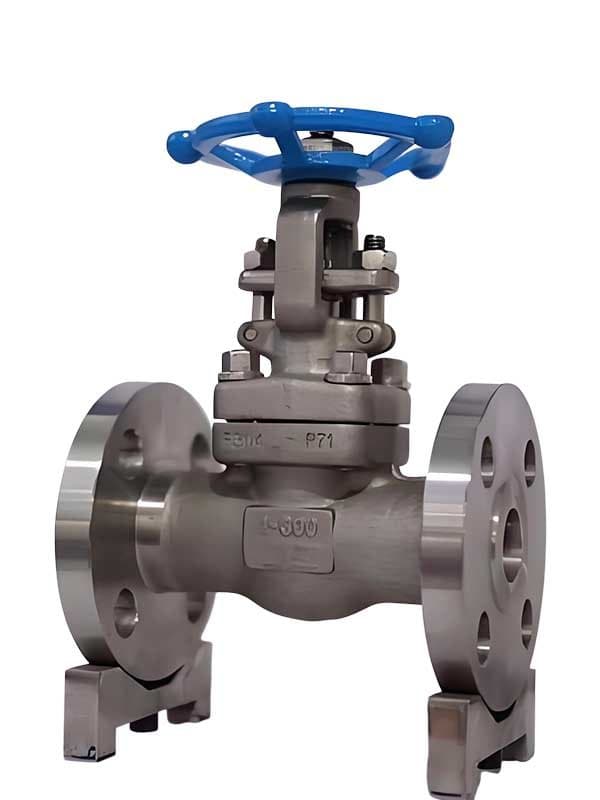
Клапан из циркония
Почему цирконий справляется с азотной кислотой так, как ни один другой материал В иерархии коррозионностойких металлов цирконий находится почти на вершине — уступая только танталу по стойкости к кислотам, но стоит лишь малую долю цены тантала. В среде концентрированной азотной кислоты (той, что выше 65%, которая разъедает нержавеющую сталь, монель и даже титан при повышенных температурах) цирконий — практичный выбор. Механизм прост: цирконий образует чрезвычайно стабильную, плотную оксидную плёнку (ZrO2), которая прилипает к поверхности металла с энергией связи, недостижимой для большинства других оксидных плёнок. Этот оксид не растворяется в азотной кислоте ни при каких коммерчески значимых концентрациях или температурах. В кипящей 98% азотной кислоте скорость коррозии циркония составляет менее 0,025 мм/год. Нержавеющая сталь 304L в тех же условиях? Потерю массы можно измерять в граммах в день. Именно поэтому на установках концентрирования азотной кислоты — на финальных стадиях, где кислота переходит от 65% до 98% — цирконий указывают в спецификациях для критических позиций клапанов. Процесс идёт при 80–150°C в концентрациях кислоты, разрушающих другие металлы. Циркониевые клапаны в таких контурах служат 10+ лет с пренебрежимо малой потерей материала. Цирконий также отлично показывает себя в переработке органических кислот. Уксусная кислота при производственных температурах и концентрациях разъедает нержавеющую сталь со скоростью, вынуждающей ежегодно заменять клапаны. Цирконий в тех же условиях? Коррозия едва измерима. Промышленность синтеза мочевины использует циркониевые клапаны в среде карбамата высокого давления, где сочетание аммиака, CO2 и воды при 200°C создаёт коррозионный коктейль, который побеждает большинство альтернатив. Где цирконий даёт сбой (критические знания для выживания) Ионы фторида. Это ахиллесова пята циркония, и она абсолютна. Даже следовые количества фторида (0,05 M NaF в азотной кислоте) вызывают растворение плёнки ZrO2, обнажая голый металл для быстрой атаки. Если ваш технологический поток содержит любой фторид — из сырой воды, из фосфатного загрязнения, из любого источника — цирконий корродирует. Без обсуждений, без обходных путей, без «небольшое количество допустимо». Hastelloy C276 — альтернатива для потоков, содержащих фторид. Структура затрат. Сырьё из циркония стоит примерно в 6–8 раз дороже нержавеющей стали. Стоимость корпуса клапана высока, но основная боль бюджета — в изготовлении: цирконий чрезвычайно реакционноспособен при температурах ковки и должен обрабатываться в инертной атмосфере. Большинство цехов не оснащены для этого. Поставщики клапанов, имеющие на складе циркониевые конфигурации, редки, а индивидуальные заказы занимают 20+ недель. Сварка требует абсолютного контроля чистоты. Цирконий поглощает кислород, азот и водород из атмосферы во время сварки. Эти растворённые газы необратимо охрупчивают зону сварного шва — никакая послесварочная обработка это не исправляет. Сварка должна выполняться под полной защитой инертным газом (аргон, тройная продувка), а цвет побежалости на обратной стороне шва должен быть от серебристого до соломенного. Синее или серое обесцвечивание означает загрязнение кислородом, и это соединение скомпрометировано. Я видел, как циркониевые сварные швы отклонялись только на основании визуального осмотра — рентгенография не нужна, цвет рассказывает всё. Механическая прочность. Прочность на разрыв циркония 702 (мин. 380 МПа) скромна по сравнению с нержавеющей сталью (485+ МПа для 304). Этого достаточно для корпусов клапанов классов 150–300, но вы не найдёте цирконий в кованых конфигурациях класса 600 высокого давления. Zr 705 (с 2–3% ниобия) поднимает прочность на разрыв до ~480 МПа — используйте его, когда нужны более высокие номиналы давления, но проверьте, что добавка ниобия не влияет на коррозионную стойкость в вашей конкретной среде. Спецификация циркониевых клапанов без дорогостоящих ошибок Для концентрированной азотной кислоты (65–98%): цирконий 702, класс 150 или 300, шаровая или задвижная конфигурация. Убедитесь в отсутствии фторида в технологическом потоке — проводите тестирование, а не делайте предположения. Одно загрязнение фторидом — и корпус клапана отправляется на утилизацию. Для синтеза уксусной кислоты при производственной температуре: мембранный или шаровой клапан из Zr 702. Седло из ПТФЭ. Это применение хорошо проверено, и стоимость циркония окупается в течение 2–3 лет по сравнению с циклами замены нержавеющей стали. Для карбамата высокого давления в производстве мочевины: Zr 705 (упрочнённый ниобием) для более высоких механических требований. Класс 300 минимум. Убедитесь, что ваш поставщик клапанов имеет реальные ссылки на заводы по производству мочевины — не только лабораторные данные. A: Во многих кислых средах — да. Цирконий обеспечивает коррозионную стойкость, эквивалентную танталу, в азотной, серной и...
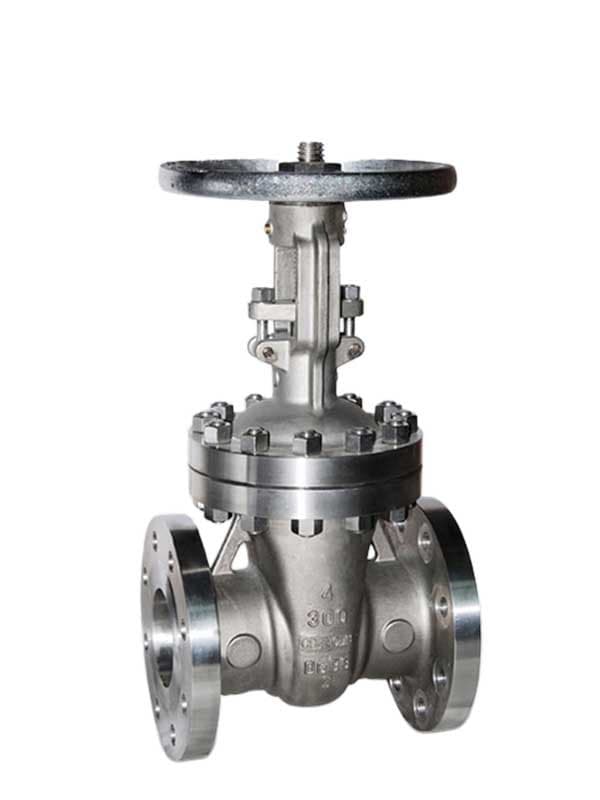
Клапан Incoloy
Почему Incoloy 825 — разумная золотая середина между нержавеющей сталью и Hastelloy Incoloy 825 находится в оптимальной точке, которую большинство технических спецификаций упускают, потому что они сравнивают крайности — «316L или Hastelloy?» — не рассматривая середину. 825 дает примерно 80% коррозионной стойкости Hastelloy C276 примерно за 40% стоимости. Эта математика делает его правильным выбором для широкого диапазона применений, где 316L выходит из строя преждевременно, а C276 избыточен. Химический состав говорит сам за себя. 38–46% никеля обеспечивает стойкость к SCC в хлоридных средах. 20% хрома справляется с окислительными условиями. 3% молибдена добавляет стойкость к питтингу. 2% меди — отличительный элемент — повышает производительность в восстанавливающих кислотах, таких как серная. И 1% титана стабилизирует против сенсибилизации при сварке. Это не чемпион ни в одной отдельной категории, но комбинация охватывает более широкий диапазон коррозионных условий, чем любой специализированный сплав с одним атрибутом. В сероводородной среде (добыча природного газа с содержанием H2S) клапаны Incoloy 825 выдерживают там, где 316L развивает сульфидное растрескивание под напряжением, а использование Hastelloy C276 разорило бы бюджет на каждой устьевой арматуре. Стандарт NACE MR0175/ISO 15156 явно одобряет Incoloy 825 для сероводородных сред — это не теоретическое признание, оно основано на десятилетиях полевых показателей в добыче в Мексиканском заливе и на Ближнем Востоке. Переработка серной кислоты при умеренных концентрациях и температурах — еще одно ключевое применение. 825 выдерживает серную кислоту до концентрации примерно 50% в широком температурном диапазоне, что охватывает большинство условий производственных установок. Выше 50% и при повышенных температурах следует переходить на Hastelloy — но большинство заводов серной кислоты на самом деле не работают в этой экстремальной зоне. Ограничения, которые не позволяют ему быть универсальным решением Не настоящий суперсплав. Стойкость Incoloy 825 к питтингу (PREN ~31) уступает как 254SMO (PREN ~43), так и Hastelloy C276 (PREN фактически 65+). В агрессивных хлоридных средах с питтингом — высокотемпературная морская вода, концентрированный рассол — 825 может подвергаться питтингу там, где более производительные альтернативы остаются стабильными. Если ваша среда характеризуется питтингом, не указывайте 825 как «экономически эффективный компромисс» — это поставит под угрозу надежность вашего завода. Уязвимость к щелевой коррозии. Содержание меди и молибдена обеспечивает неплохую общую коррозионную стойкость, но под прокладками, под головками болтов, в любых щелях, где кислород не может достичь поверхности для поддержания пассивной пленки, сплав 825 более уязвим, чем 254SMO или Hastelloy. В системах теплообменников для морской воды, где щелевая геометрия является неотъемлемой частью конструкции, это имеет значение. Серия 800 (800/800H/800HT) — высокотемпературные варианты — не являются коррозионными сплавами. Это сплавы прочности, предназначенные для длительной высокотемпературной структурной службы (компоненты печей, трубы пароперегревателей). Если вам нужна коррозионная стойкость при высокой температуре, 825 — ваш сорт Incoloy. Если вам нужна прочность при 700°C в относительно чистой среде, 800H — правильный выбор. Путаница между этими двумя семействами — распространенная ошибка спецификации. Сварочные соображения. Incoloy 825 легко сваривается стандартным GTAW/GMAW с присадочным материалом ERNiCrMo-3 (сплав 625) — это рекомендуемая сварочная проволока, а не буквальное химическое соответствие. Присадочный материал превосходит основной металл по коррозионной стойкости, что защищает сварной шов. Но температура между проходами должна контролироваться, а сварные швы тяжелых сечений выигрывают от снятия напряжений при 540–650°C. Как получить максимальную отдачу от клапанов Incoloy 825 Для сероводородной устьевой арматуры: задвижка или шаровой клапан Incoloy 825, класс 600–900, в соответствии с пределами твердости NACE MR0175 (макс. HRC 22). Проверьте сертификацию NACE поставщика клапанов — не только сертификат материала с завода. Процесс изготовления (сварка, термообработка) также должен соответствовать требованиям NACE. Для общего применения на предприятиях по производству серной кислоты: шаровой или мембранный клапан 825, класс 150–300. Подходит для работы с серной кислотой до 50% в типичном диапазоне производственных температур. Если концентрация кислоты превышает 50%, или если температура в концентрированной кислоте превышает 80°C, следует заменить клапан на клапан из сплава Hastelloy C276 в этих конкретных местах — но не везде. Для морского обслуживания на суше: 825 работает в морской воде при температуре окружающей среды, но 254SMO или титан дают лучшую стойкость к питтингу в том же ценовом диапазоне. Резервируйте 825 для морского обслуживания...
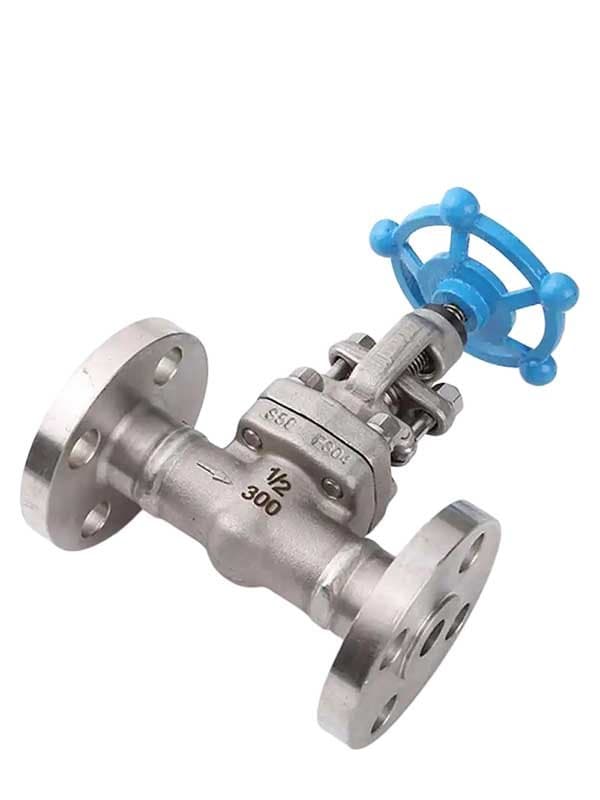
Клапан 904L
Почему 904L подходит для работы с серной кислотой во всем диапазоне концентраций? Вот факт, который удивляет инженеров, не работавших на заводах по производству серной кислоты: разбавленная серная кислота более коррозионна для нержавеющей стали, чем концентрированная. При концентрации 10–30% серная кислота агрессивно атакует нержавеющую сталь, тогда как при концентрации 90%+ 316L справляется достаточно хорошо (концентрированная кислота менее ионно активна). 904L — это сплав, который покрывает весь диапазон концентраций 0–100% при температурах до примерно 35°C. Именно добавление меди (1–2%) делает это возможным. Медь улучшает стойкость в восстановительных кислотных средах — в той же зоне разбавленной серной кислоты, где разрушается хромовая пассивная пленка 316L. 4,5% молибдена обеспечивают стойкость к питтингу в промежуточных диапазонах концентраций. 25% никеля обеспечивают стойкость к SCC в хлоридсодержащих кислых средах. Это скоординированная защита из трех элементов, которую стандартная аустенитная нержавеющая сталь просто не может воспроизвести. На отбельных заводах целлюлозно-бумажной промышленности клапаны 904L заменили 316L десятилетия назад — среда отбеливания, богатая хлоридами и с кислым сдвигом, разрушает 316L через питтинг и щелевую коррозию в течение 1–2 лет. 904L на тех же позициях работает 5–8 лет. Это не незначительное улучшение; это качественное изменение в планировании технического обслуживания. Системы очистки на месте (CIP) в фармацевтике все чаще специфицируют 904L, потому что циклы очистки колеблются между щелочью (щелочной средой) и кислотой (фосфорной или серной) при повышенных температурах. 904L выдерживает оба колебания, тогда как 316L развивает микропиттинг в кислотной фазе, который становится точками размножения бактерий — что неприемлемо в стерильном производстве. Где 904L уступает реальным конкурентам Не чемпион по питтингу. PREN 904L составляет около 34–35. 254SMO достигает 43+ благодаря 6% молибдена и добавлению азота. В агрессивных хлоридных питтинговых средах (горячая морская вода выше 40°C, концентрированные рассольные процессы) 904L подвергается питтингу там, где 254SMO держится. Если ваш режим отказа — именно хлоридный питтинг, правильная спецификация — 254SMO, а не 904L. Температурный предел в кислотной среде. Выше 35°C в серной кислоте во всем диапазоне концентраций скорость коррозии 904L превышает допустимые пределы. При 50–70°C в разбавленной серной кислоте он все еще работает — но теперь вы находитесь в зоне, где Хастеллой дает запас прочности. Проектирование клапана 904L в процесс с горячей кислотой без проверки изокоррозионной диаграммы — это путь к преждевременной замене. Выпадение сигма-фазы. Высокое содержание легирующих элементов (25% Ni, 4,5% Mo, 20% Cr) делает 904L восприимчивым к образованию сигма-фазы при длительном выдерживании в диапазоне 600–900°C. Это не нормальная рабочая температура клапана, но это актуально при изготовлении — если кузнечный или литейный цех позволяет материалу медленно охлаждаться через этот диапазон вместо закалки, образуется сигма-фаза, и коррозионная стойкость, и вязкость ухудшаются. Проверьте сертификат термообработки вашего поставщика: растворный отжиг при 1060–1140°C с последующей быстрой закалкой в воде. Стоимость изготовления. 904L обрабатывается и сваривается как любая аустенитная нержавеющая сталь — никаких экзотических процедур не требуется — но стоимость сырья примерно в 3 раза выше цены 316L. В применениях, где 316L уже работает, 904L — чистая трата. В применениях, где 316L выходит из строя, но 254SMO также подошел бы, 254SMO часто дает лучшую питтинговую стойкость при аналогичной стоимости. Ниша 904L — это конкретно полный диапазон концентраций серной кислоты и колебательные режимы фармацевтических CIP-систем. Правильная спецификация клапанов из 904L Для серной кислоты от разбавленной до умеренной концентрации: проходной или шаровой клапан из 904L, класс 150–300, с PTFE или металлическим седлом. Покрывает 0–50% H2SO4 при температуре от окружающей до 35°C. Выше этих пределов модернизируйте отдельные позиции до Hastelloy — не специфицируйте C276 оптом для всего завода. Для отбеливания целлюлозы: дисковый или мембранный клапан 904L, с EPDM или PTFE футеровкой. Это классическое применение для 904L, и соотношение затрат и выгод доказано десятилетиями. Для фармацевтических CIP-систем: мембранный клапан из стали 904L, внутренние поверхности с покрытием из ПТФЭ, электрополированные. Корпус из стали 904L выдерживает колебания концентрации химических веществ; электрополировка обеспечивает легкость очистки. Для стерильных применений необходимо указать шероховатость поверхности Ra ≤0,4 мкм. A: Да — 904L превосходит 317L по всем коррозионным показателям (питтинг, щелевая коррозия, общая кислотная стойкость). Вопрос в том, нужны ли вам эти улучшения. Если 317L выдерживает ваши условия, переход на 904L добавляет затраты...
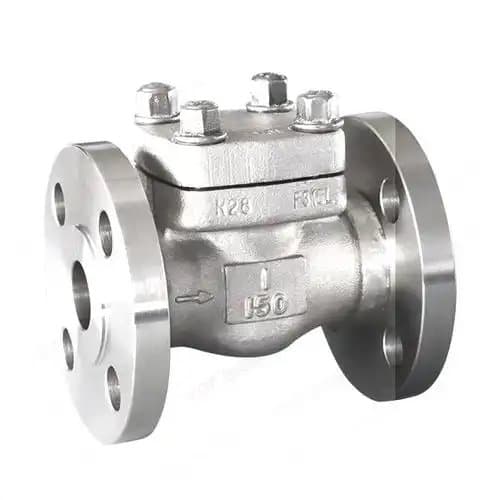
Клапан 254SMO-S31254
Почему 254SMO превосходит и 904L, и дуплекс в агрессивных хлоридных средах Добавка азота (0,18–0,22%) — это то, что отличает 254SMO от 904L и выводит его в другой класс производительности. Азот в аустенитной нержавеющей стали выполняет конкретную и мощную функцию: он резко повышает стойкость к питтингу без дополнительных затрат на увеличение содержания молибдена. Формула PREN (Cr + 3,3×Mo + 16×N) наглядно это демонстрирует — 0,2% азота в 254SMO даёт 3,2 балла PREN при коэффициенте 16, что эквивалентно добавлению ещё одного полного процентного пункта молибдена при нулевых дополнительных затратах на сырьё. Это выводит 254SMO на уровень PREN 43+, тогда как у 904L — около 35, а у супердуплекса 2507 — примерно 42. На практике это означает, что 254SMO сопротивляется зарождению питтинга в морской воде при температурах, где 904L уже демонстрирует измеримую плотность питтинга. Для нагнетательных клапанов высокого давления опреснительных установок — где морская вода тёплая (35–45°C), а циклическое давление создаёт турбулентность, ускоряющую кинетику питтинга — 254SMO является проверенным выбором, к которому операторы возвращаются после испытания всех более дешёвых альтернатив. В скрубберах десульфуризации дымовых газов (FGD) среда представляет собой суспензию серной кислоты и хлоридов, которая одновременно вызывает общую кислотную коррозию и локальный хлоридный питтинг. 316L не выдерживает оба механизма. 904L справляется с общей кислотой, но подвержен питтингу в хлоридных зонах. Комбинированная стойкость 254SMO к обоим видам воздействия делает его стандартным материалом для клапанов FGD на угольных электростанциях по всему миру — не потому что это самый дешёвый вариант, а потому что это вариант, который действительно остаётся в эксплуатации. Добавка меди (0,5–1,0%) скромнее, чем у 904L (1–2%), но она всё же способствует снижению кислотостойкости. В серной кислоте, содержащей также хлориды — наихудший сценарий смешанной среды — молибден в 254SMO справляется с хлоридами, а медь помогает с восстановительным кислотным компонентом. В чистой восстановительной кислоте он не так силён, как 904L (у которого меди вдвое больше), но в смешанных условиях он выигрывает в целом. Реальные недостатки, которые могут повлиять на ваше растение. Стоимость примерно в 4–5 раз выше, чем у 316L, и немного выше, чем у 904L. Содержание молибдена в 6% определяет цену — молибден является дорогим легирующим элементом. В применениях, где PREN 904L достаточен (морская вода при температуре окружающей среды, умеренные хлоридные среды), дополнительные расходы на 254SMO — это пустая трата бюджета. Специфицируйте его там, где условия питтинга превышают порог 904L, а не как универсальное улучшение. Чувствительность к сигма-фазе реальна и более выражена, чем у 904L, из-за более высокого содержания молибдена. Выдержка 254SMO в диапазоне 600–1000°C даже в течение часа допускает выделение сигма-фазы по границам зёрен, что снижает как коррозионную стойкость, так и ударную вязкость. Для производства клапанов это означает: аустенитизация должна выполняться правильно (1150–1200°C с последующей быстрой закалкой в воде), и любая последующая горячая обработка не должна допускать медленного охлаждения через опасную зону. Запросите у поставщика клапанов записи термообработки — не просто сертификат соответствия, а фактическую документацию по термическому профилю. Ограниченная экосистема поставщиков. 254SMO производится не каждым сталелитейным заводом. Основные источники — Outokumpu (Авеста, Швеция) и несколько специализированных китайских производителей. Литейных заводов, которые держат на складе отливки F44 (эквивалент поковочного класса ASTM A182), меньше, чем тех, что работают с 316L или даже 904L. Сроки поставки нестандартных размеров стабильно составляют 14–18 недель. Если вы реализуете проект с клапанами из 254SMO, размещайте заказы на отливки заранее. Сложности механической обработки. Высокое содержание азота и молибдена делает 254SMO более трудным в обработке, чем стандартная аустенитная нержавеющая сталь — износ инструмента примерно на 30% выше, а ломка стружки затруднена. Цеха, настроенные на производство 316L, будут испытывать проблемы с контролем размеров корпусов клапанов из 254SMO, если они не скорректируют подачи, скорости и геометрию инструмента. Умные стратегии спецификации Для нагнетания высокого давления опреснительных установок: дисковый или шаровой клапан из 254SMO, класс 300–600, с металлическим уплотнением и наплавкой стеллитом на поверхности седла. Корпус из 254SMO выдерживает морскую воду; твёрдая наплавка — эрозию от турбулентного потока. Для дренажа и рециркуляции скруббера FGD: игольчатый или задвижка из 254SMO, класс 150–300. Среда из кислотно-хлоридной суспензии — классический случай для этой марки. Убедитесь, что скорость суспензии не превышает 3 м/с на входе в клапан — синергия эрозии и коррозии при высокой скорости разрушает...
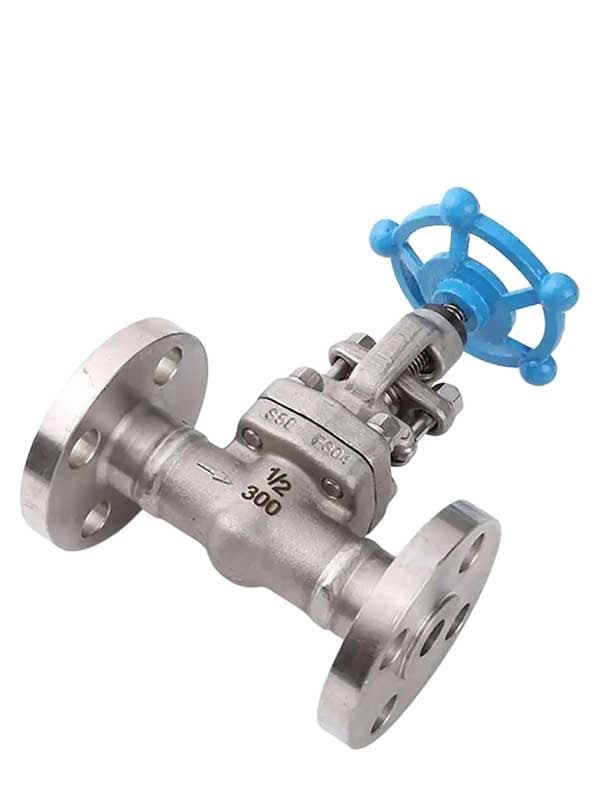
Клапан C4-00Cr14Ni14Si4
Почему сталь C4 выдерживает 98% азотную кислоту, когда всё остальное выходит из строя Концентрированная азотная кислота (выше 95%, особенно при 98%+) представляет собой необычную коррозионную задачу: она настолько агрессивно окисляет, что пассивирует большинство нержавеющих сталей — но лишь на короткое время. Проблема возникает в транспассивной зоне. При производственных концентрациях и температурах азотная кислота выводит нержавеющую сталь за пределы пассивной области в транспассивное растворение, где сама защитная оксидная плёнка окисляется, и металл корродирует с неприемлемой скоростью. 304L и 316L выходят из строя в 98% HNO3 при производственных температурах не потому, что не могут сформировать пассивную плёнку, а потому, что эта плёнка растворяется в условиях экстремального окислительного потенциала. Содержание кремния 3–5% в стали C4 меняет правила игры. Кремний образует поверхностный слой, обогащённый SiO2, который стабилен в транспассивных условиях, где Cr2O3 разрушается. Этот оксид кремния химически инертен в концентрированной азотной кислоте — он не растворяется, не окисляется дальше и не позволяет азотной кислоте достичь основного металла. Результат: скорость коррозии стали C4 в кипящей 98% азотной кислоте составляет менее 0,1 мм/год, тогда как у 304L она измеряется миллиметрами в год. Китайская промышленность по производству азотной кислоты разработала сталь C4 специально для этого применения в 1980-х годах — это было достижение НИОКР национального уровня, удостоенное научной премии Министерства обороны. Метод нитрата магния для концентрирования азотной кислоты (доминирующий процесс на китайских азотнокислотных заводах) работает в условиях, которые выводят из строя все западные стандартные марки нержавеющей стали. Клапаны из C4 в этих контурах концентрирования работают 8–12 лет. Это не единичные случаи — это накопленный эксплуатационный опыт на десятках заводов. Ещё одно преимущество перед альтернативами: чистый алюминий достаточно хорошо выдерживает концентрированную азотную кислоту, но его механическая прочность настолько низка, что из него невозможно изготовить функциональные корпуса запорных клапанов под давлением. Высококремнистый чугун (Durcomet 5, аналогичная химическая концепция) обладает хорошей коррозионной стойкостью, но хрупок — ударная вязкость низкая, а термический удар приводит к растрескиванию отливки. Сталь C4 даёт и коррозионную стойкость, и механическую целостность для создания полноценного клапана под давлением. Компромиссы, ограничивающие более широкое применение стали C4 Не универсальный коррозионностойкий сплав. Оксидный слой, стабилизированный кремнием в C4, превосходно работает в окислительных кислотных средах, конкретно в концентрированной азотной кислоте. В восстановительных кислотных средах (разбавленная серная, соляная) он не даёт преимуществ перед стандартной нержавеющей сталью — а в средах, содержащих фториды, он уязвим так же, как и любой другой сплав с кремнием. C4 — узкоспециализированный материал, а не универсальное улучшение. Отсутствие установленного обозначения ASTM/UNS. Это практическая проблема для международных спецификаторов. Сталь C4 возникла в результате китайской металлургической разработки и стандартизирована по GB (китайским национальным стандартам). Западные инженерные фирмы, работающие над китайскими проектами по азотной кислоте, могут указывать её по обозначению GB, но для некитайских проектов нет эквивалента ASTM, на который можно ссылаться. Это ограничивает глобальное внедрение, несмотря на доказанную эффективность материала. Международные закупки затруднены. Большая часть производства стали C4 и изготовления клапанов осуществляется на китайских специализированных литейных предприятиях. Закупочные команды в Европе или Северной Америке сталкиваются с ограниченным числом поставщиков и длинными логистическими цепочками. Проверка качества требует либо инспекции на месте, либо установленных отношений с китайскими поставщиками, которые понимают ожидания западной документации. Сварка требует специального присадочного материала. Стандартные присадки для нержавеющей стали (308, 316) не соответствуют высокому содержанию кремния в C4. Рекомендуемая практика — использование сварочных электродов с кремнием 0,12 (китайское обозначение) — по сути, аналогичный высококремнистый аустенитный присадочный материал. Найти этот присадочный материал за пределами Китая сложно. ER309Si (обозначение AWS) является разумным западным приближением, но содержание кремния ниже оптимального. После сварки требуется растворение при 1050°C для восстановления полной коррозионной стойкости. Сложность механической обработки. Содержание кремния 3–5% делает сталь C4 более твёрдой и абразивной, чем стандартную аустенитную нержавеющую сталь. Срок службы инструмента примерно на 40–50% короче, чем при обработке 304/316. Обязательны твердосплавные пластины с правильной геометрией....
Технический обзор
Стандартная нержавеющая сталь выдерживает большинство технологических условий. Но когда среда выходит за пределы того, что может выдержать 316L — плавиковая кислота, концентрированная серная кислота, горячий влажный хлор, 98% азотная кислота, морская вода с биообрастанием под давлением — стандартные материалы подвергаются питтингу, растрескиванию, растворению или выходят из строя в течение месяцев. Для таких условий существуют клапаны из специальных сплавов. FLOWKS производит клапаны из Хастеллоя (C276/C22), Монеля (400/K500), Инколоя 825, 904L, 254SMO (S31254), титана (Grade 2/5/7), циркония (R60702), алюминиевой бронзы (C95400/C63000), чистого никеля (N02200/N02201) и стали C4 (00Cr14Ni14Si4) — каждый сплав нацелен на конкретный механизм коррозии, который нержавеющая сталь не может устранить. Хастеллой охватывает как окислительные, так и восстановительные кислотные среды. Монель устойчив к фторидной и щелочной коррозии. Оксидная пленка титана регенерирует в хлоридных средах. Слой ZrO2 циркония выдерживает концентрированную азотную кислоту там, где даже оксид Хастеллоя дестабилизируется. PREN 43+ у 254SMO делает его чемпионом по питтингостойкости в морской воде и скрубберах десульфуризации дымовых газов. Кремниевая оксидная пленка стали C4 справляется с транспассивными условиями азотной кислоты, которые растворяют оксидные слои стандартной нержавеющей стали. Выбор клапанов из специальных сплавов — это не модернизация ради престижа, а подбор материала под конкретный механизм коррозии, который создает ваш технологический процесс. Каждый сплав имеет слабые стороны наряду с сильными: титан выходит из строя во фторидах, Монель уязвим к окислительным кислотам, C4 не имеет аналога ASTM для западных проектов. Клапаны FLOWKS из специальных сплавов подбираются инженерами-коррозионистами, которые точно знают, с какой средой сталкивается клапан, а не отделами закупок, ищущими «что-то лучше нержавейки».
Загрузки продукции
Отрасли, использующие этот продукт
Применение в различных промышленных секторах.
Petrochemical
Corrosion-resistant valves for aggressive media in chemical processing plants. FLOWKS alloy and fluorine-lined valves are engineered to handle the most challenging petrochemical environments.
Chemical
Specialized alloy and fluorine-lined valves for highly corrosive and toxic chemical processes. Zero-emission bellows seal valves and exotic alloy construction for the chemical industry.
products.lookingMore
products.lookingMoreDesc
Ball Valves
FLOWKS offers floating ball valve, trunnion mounted ball valve and top entry ball valve for oil & gas, petrochemical and power generation. Designed per API 6D, API 608 and ASME B16.34.
DBB Valves
FLOWKS Double Block & Bleed (DBB) valves provide dual isolation with bleed verification in a single compact body. Replacing traditional multi-valve installations, FLOWKS DBB valves reduce weight, space and potential leak paths. Available in bolted bonnet, all-welded and expanding gate designs per API 6D and API 607.
Gate Valves
FLOWKS gate valves for isolation service in piping systems. Flexible wedge, solid wedge, slab and expanding gate designs per API 600, API 602 and ASME B16.34.
Globe Valves
FLOWKS globe valves for throttling and isolation. Standard, angle, Y-pattern and bellows seal configurations per API 602 and BS 1868.