products.productRange
Полный спектр промышленных клапанов для любых применений.
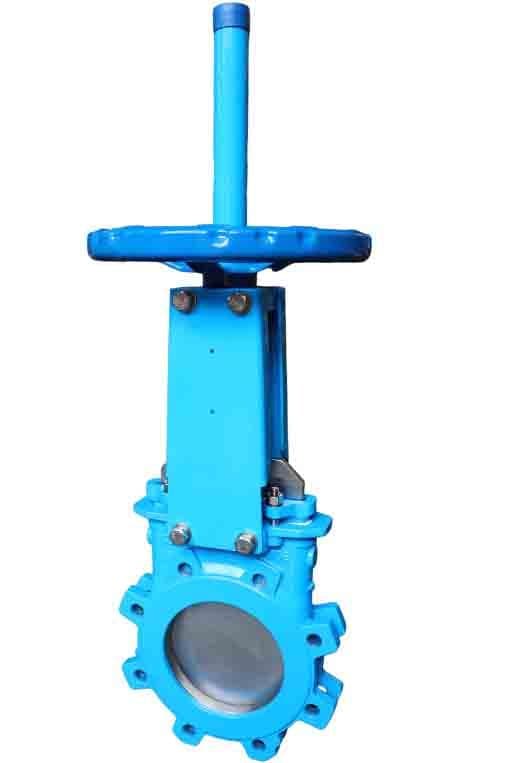
Задвижка шиберная вафельного типа
2" - 24" (DN50 - DN600) Почему межфланцевый? Потому что пространство стоит денег MSS SP-81, ASME B16.34 A216 WCB, A351 CF8M, A351 CF8 Мягкая резина (EPDM/NBR), с футеровкой из ПТФЭ, для соединения металла с металлом. Корпус в виде пластины (выступа), без крышки, цельный затвор, однонаправленное уплотнение, тонкий профиль корпуса между фланцами. Корпусы с проушинами типа wafer позволяют снять одну сторону трубопровода, пока клапан остаётся на месте, что удобно для обслуживания на тупиковых линиях. Стандартный wafer (без проушин) требует, чтобы оба фланца оставались затянутыми для удержания клапана. Знайте, какой именно вы заказываете. На некоторых заводах трубы укладываются в туннели настолько плотно, что между двумя фланцами едва можно просунуть руку. Вот тут-то и пригодится задвижка с ножевым фланцем. На корпусе нет фланцевых концов — он плотно прилегает к фланцам трубопровода, удерживаясь на месте болтами, проходящими через отверстия для болтов. Результат? Расстояние между торцами едва превышает ширину самой задвижки. Я видел, как монтажные бригады устанавливали 12-дюймовую межфланцевую ножевую задвижку в линию подачи варочного котла на целлюлозном заводе менее чем за двадцать минут. Фланцевый корпус того же типоразмера? Они бы всё ещё боролись с болтовым соединением и выравниванием. Тонкий профиль — это не просто удобство, это причина существования этого клапана. Ценовое преимущество — это не маркетинговый ход. Корпус с плоским профилем стоит на 30-40% меньше, чем аналогичный фланцевый корпус того же диаметра. Это не погрешность округления. Корпус меньше по размеру, обработка проще, требуется меньше чистовой обработки поверхностей. Если вы покупаете двадцать клапанов для модернизации водоочистной станции, эта разница в сумме дает реальный запас средств. Но — и это важно — экономия достигается ценой компромисса. Задвижки с ножевым механизмом обеспечивают герметизацию только в одном направлении. Задвижка прижимается к одному седлу. Поток поступает со стороны, противоположной потоку, давление прижимает задвижку к углублению седла, и обеспечивается герметичное уплотнение. Если изменить направление потока, седло не сможет удерживать герметичность. Если вашему процессу требуется двунаправленное перекрытие потока, этот клапан вам не подойдет. Лучше использовать двухседельные конструкции. Этот клапан существует, потому что конструкции wafer выходят из строя Шиберный клапан высокого давления решает эту проблему, будучи сконструированным как запорный клапан с режущей кромкой. Толстостенное литое тело. Фланцевые или сварные концы — никакого сэндвича wafer здесь нет. Выше класса 600 крышка переходит на конструкцию с самоуплотнением, где внутреннее давление фактически сжимает уплотнительное кольцо крышки сильнее. Чем выше давление, тем плотнее уплотнение. Это та же концепция крышки, что используется на запорных клапанах высокого давления на электростанциях и в паровых системах нефтехимии. Уплотнение металл-по-металлу с наплавкой Stellite 6 является стандартным для конфигураций высокого давления. Стеллит устойчив к задирам, выдерживает температурные циклы и сохраняет целостность седла, когда шибер захлопывается под полным рабочим давлением. Армированные PTFE седла доступны в конфигурациях класса 300 для сред, где важна химическая стойкость и давление умеренное — но как только вы переходите за класс 600, только металлические седла. Перед установкой ножевого затвора в трубопровод всегда проверяйте направление потока. Корпус имеет маркировку — обычно это стрелка, отлитая на корпусе, или бирка в области крышки, — но я видел, как на нескольких предприятиях пропускали сыпучий материал в обратном направлении через однонаправленный клапан, а затем жаловались на утечку. Это не неисправность клапана. Это ошибка при установке. Корпусы с проушинами (lug-style) позволяют снять одну сторону трубопровода, пока клапан остаётся на месте, что удобно для обслуживания тупиковых линий. Стандартный wafer-корпус (без проушин) требует, чтобы оба фланца оставались затянутыми для удержания клапана. Знайте, какой именно вы заказываете. О: При классе 900 номинальное давление зависит от материала корпуса и температуры. Проверьте таблицы давление-температура ASME B16.34 для вашего конкретного материала и рабочей температуры. Некоторые конфигурации достигают 150 бар; не все идут до 200 бар. А: Легкие пульпы – да, это касается целлюлозы, разбавленных отходов горнодобывающей промышленности, сточных вод с взвешенными частицами. Тяжелые абразивные пульпы быстро разъедают мягкие резиновые уплотнения. Для таких условий следует рассмотреть возможность использования ножевых затворов с полиуретановым покрытием. О: Шиберные клапаны прорезают взвешенные твёрдые частицы и пульпу, которые заклинили бы клин стандартного запорного клапана. Если ваша среда — чистая жидкость, стандартный запорный клапан подойдёт. Если в линии есть твёрдые частицы,...
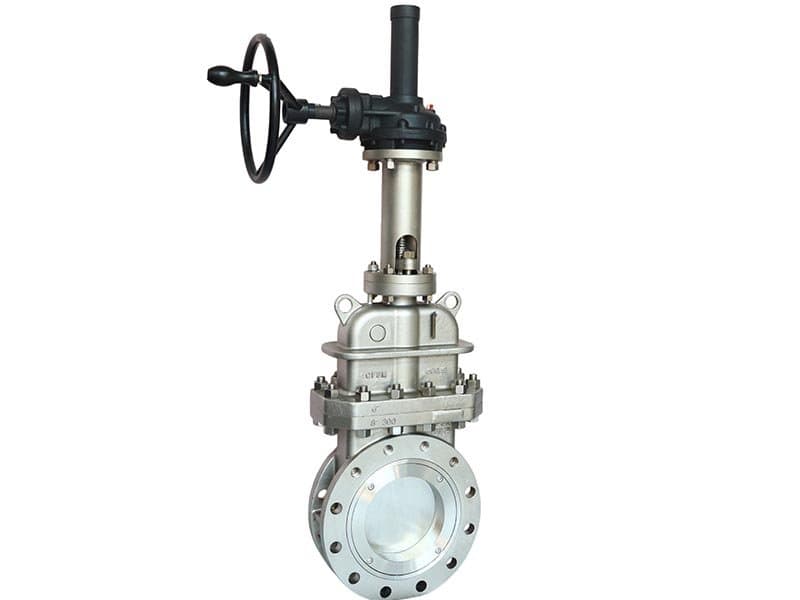
Шиберный клапан высоконапорный
2" - 24" (DN50 - DN600) Полный вкладыш корпуса означает нулевой контакт с металлом Это важно по двум причинам. Во-первых, износостойкость равномерна по всему пути потока. Нет открытых металлических кромок, где эрозия ускоряется из-за того, что вкладыш заканчивается раньше. Во-вторых, вкладыш действует как химический барьер. Многие шахтные пульпы несут остаточные технологические химикаты — флокулянты, известь, следы кислот — которые со временем разъедают голый металл. ПУ полностью изолирует структуру корпуса от этого химического воздействия. Когда вкладыш изнашивается после двух-трёх лет непрерывной эксплуатации, вы не выбрасываете корпус клапана. Вы заменяете вкладыш. Корпус из углеродистой стали всё ещё структурно прочен — он не контактировал со средой, поэтому нет эрозии, нет коррозии, нет усталости от химического воздействия. Замена вкладыша выводит клапан из эксплуатации на смену, возможно, на день. Замена всего корпуса клапана заняла бы больше времени и стоила бы в пять–десять раз дороже. Фланцевый или сварной корпус, толстостенная конструкция, крышка с уплотнением под давлением выше класса 600, выдвижной шток с индикатором OS&Y, двунаправленное уплотнение. О: Нет. Эта категория продукции подпадает под стандарты проектирования, установленные конкретным производителем. Номинальные параметры корпуса соответствуют ASME B16.34 по пределам давления и температуры, но конструкция вкладыша и критерии производительности устанавливаются отдельными производителями. О: Стандартные ПУ-вкладыши работают непрерывно при температуре до примерно 80°C. Выше этого материал размягчается и теряет износостойкость. Высокотемпературные ПУ-рецептуры достигают 100–120°C, но их сложнее найти, и они дороже. Задвижка ножевого типа высокого давления решает эту проблему благодаря своей конструкции, напоминающей запорный клапан с острым краем. Корпус имеет толстые литые стенки. Фланцевые или сварные концы — здесь нет многослойной конструкции. При давлении выше 600 крышка переходит в конструкцию с уплотнением под давлением, где внутреннее давление фактически сжимает уплотнительное кольцо крышки. Чем выше давление, тем плотнее уплотнение. Это та же концепция крышки, которая используется в задвижках высокого давления на электростанциях и в паровых системах нефтехимических предприятий. Сёдла из стеллита не являются опцией на этом уровне В конфигурациях высокого давления стандартно используются металлические седла с покрытием из материала Stellite 6. Stellite устойчив к заеданию, выдерживает температурные циклы и сохраняет целостность седла при резком закрытии затвора под полным давлением в трубопроводе. В конфигурациях класса 300 для условий эксплуатации, где важна химическая стойкость и умеренное давление, доступны усиленные седла из ПТФЭ, но после класса 600 используются исключительно металлические седла. Я заменял седла на ножевых задвижках, которые работали дважды в день на линии обхода пара высокого давления в течение трех лет, и при этом не наблюдалось заметного износа стеллитового покрытия. Вот за какую долговечность приходится платить, выбирая этот клапан. Длинный тип — это не wafer с дополнительной длиной Затвору нужен более длинный канал хода, чтобы полностью освобождать проход без заклинивания. Пульпа несёт твёрдые частицы, которые набиваются в тесные пространства — короткий канал затвора на корпусе wafer заполняется мусором, затвор застревает, и вы многократно циклируете привод, чтобы протолкнуть его. Длинный тип даёт затвору чистый путь хода с пространством для твёрдых частиц, чтобы они уходили в сторону, а не сжимались в канале. Стенка корпуса должна иметь достаточную толщину для выживания. Пульпа со скоростью 2–3 м/с непрерывно разъедает внутренние поверхности. Тонкая стенка корпуса типа «вафер» подходит для чистой воды. Она непригодна для сред, которые удаляют металл на миллиметры в год. Разъёмный корпус из двух частей разделяется по горизонтальному стыку. Вы можете открыть корпус, осмотреть седло, прочистить канал шибера и заменить изношенные компоненты без вырезки клапана из трубопровода на небольших установках. На больших типоразмерах, где демонтаж линии необходим, болтовое соединение всё равно экономит время — корпус разделяется для внутреннего доступа без сварки или резки. A: В классе 900 номинальное давление зависит от материала корпуса и температуры. Для определения давления и рабочей температуры для вашего конкретного материала и оборудования обратитесь к таблицам зависимости давления от температуры ASME B16.34. Некоторые конфигурации достигают 150 бар; не все — 200 бар. А: В конструкциях с болтовым креплением крышка удерживается в сжатом состоянии за счет натяжения болтов. По мере повышения давления внутренняя сила толкает крышку вверх, преодолевая сопротивление болтов. В конструкциях с уплотнением под давлением используется внутреннее давление для сжатия уплотнительного кольца — чем выше давление,...
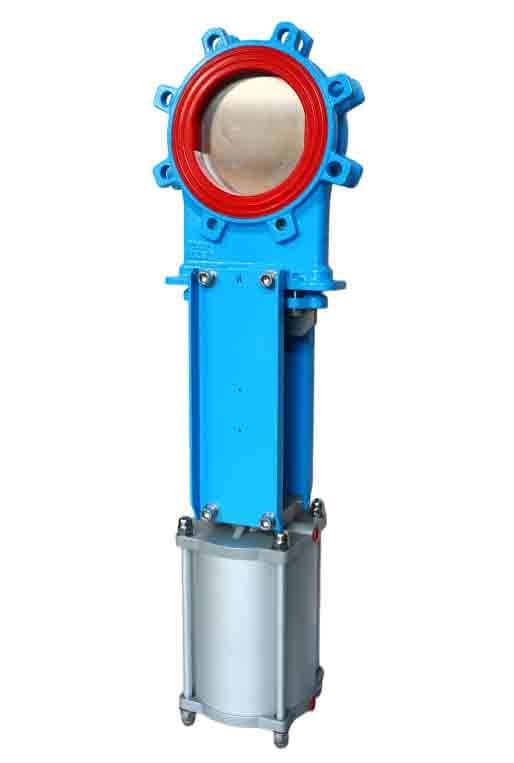
Шиберный клапан с полной полиуретановой футеровкой
2" - 24" (DN50 - DN600) Разъёмный корпус из двух частей на болтах, U-образный или периферийный двухседельный карман, пневматический цилиндровый привод (одностороннего действия с возвратной пружиной или двустороннего действия), двунаправленное отсечение с нулевой утечкой Большинство ножевых шиберных клапанов уплотняются в одном направлении. Поток прижимает шибер к седлу, седло сжимается, и достигается герметичное уплотнение. При обратном потоке шибер отрывается от седла. Давление уходит. На технологических линиях с потоком только в одном направлении это нормально. Двунаправленное уплотнение решает эту проблему с помощью двух независимых седельных компоновок. Одно седло уплотняется, когда поток толкает шибер вперёд. Другое седло уплотняется, когда поток толкает шибер назад. Ни одно направление не получает поблажек. Наиболее распространённая двунаправленная конструкция седла — это U-образный или периферийный седельный карман. Эластомерное или металлическое седло образует канал, который охватывает нижнюю кромку шибера — с обеих сторон, по обеим поверхностям. Когда шибер входит в седельный карман, он сжимает материал седла одновременно на верхней по потоку и нижней по потоку поверхностях. U-образная геометрия обеспечивает контакт уплотнения независимо от того, с какой стороны поступает давление. Корпус в виде пластины или фланца, полиуретановая облицовка покрывает все смачиваемые поверхности — полость корпуса, область седла, канал затвора, отверстие крышки. Внутри клапана отсутствует контакт металла с рабочей средой. Время срабатывания воспроизводимо. Каждый цикл занимает одинаковое время, прикладывает одинаковое усилие посадки и даёт одинаковый результат. Эта стабильность важна на автоматизированных технологических линиях, где система управления планирует операции клапанов на основе фиксированного времени. Управление маховиком не может обеспечить такую воспроизводимость — скорость человека варьируется, усилие человека варьируется, и результат варьируется вместе с ними. Седла EPDM для воды и разбавленных химикатов. NBR для масел и следов углеводородов. Viton для агрессивных растворителей и более высоких температур. Металлические седла с наплавкой Stellite для пара, высокотемпературных углеводородов или сред, где эластомеры разрушаются. Двухседельная компоновка работает с любыми из них — геометрия одинаковая, меняется материал. Стандартные резиновые седла служат от трёх до шести месяцев на линии твёрдых хвостов. Металлические сёдла? Иногда меньше, потому что пульпа не просто изнашивает седло — она царапает шибер, разъедает кромки полости корпуса и превращает расточку бонета в рваный канал. Полиуретановая футеровка полностью меняет экономику процесса. Износостойкость ПУ в 5–10 раз выше, чем у твёрдой резины. Это не лабораторная цифра из паспорта — это то, что вы видите в реальной эксплуатации на линиях концентраторов, работающих 18 часов в сутки. О: Стандартные пневматические приводы ножевых шиберных клапанов работают при давлении подачи 4–7 бар (60–100 фунтов на кв. дюйм). Указывайте доступное давление заводского воздуха при заказе — размер привода зависит от давления подачи для создания достаточного усилия посадки. Это не футеровка седла клапана и не частичное покрытие. Полиуретановая футеровка покрывает каждую смачиваемую поверхность внутри клапана: полость корпуса, область седла, канал затвора, по которому перемещается лезвие, и отверстие крышки над затвором. Когда суспензия попадает в клапан, она соприкасается с полиуретаном, а не с углеродистой сталью, не с чугуном и не с нержавеющей сталью. Это важно по двум причинам. Во-первых, износостойкость равномерна по всему пути потока. Нет открытых металлических кромок, где эрозия ускоряется, поскольку футеровка не доходит до нужного места. Во-вторых, футеровка действует как химический барьер. Многие рудные суспензии содержат остаточные технологические химикаты — флокулянты, известь, следы кислот, — которые со временем вызывают коррозию металла. Полиуретан полностью изолирует конструкцию корпуса от воздействия этих химических веществ. Замените футеровку, а не клапан Когда гильза изнашивается после двух-трех лет непрерывной эксплуатации, корпус клапана не выбрасывают. Заменяют гильзу. Корпус из углеродистой стали остается структурно целым — он не контактировал со средой, поэтому нет эрозии, коррозии или усталости от химического воздействия. Замена гильзы выводит клапан из эксплуатации на смену, может быть, на день. Замена всего корпуса клапана заняла бы больше времени и обошлась бы в пять-десять раз дороже. Большинство шламовых клапанов состоят из двух частей. Две половины, скреплённые болтами. Прокладка между ними. Эта прокладка находится прямо в зоне контакта со средой — абразивный шлам течёт над ней, под ней, через каждую микроскопическую щель, которая появляется после тысячи термических циклов. Соединение протекает. Оно всегда в конечном счёте...
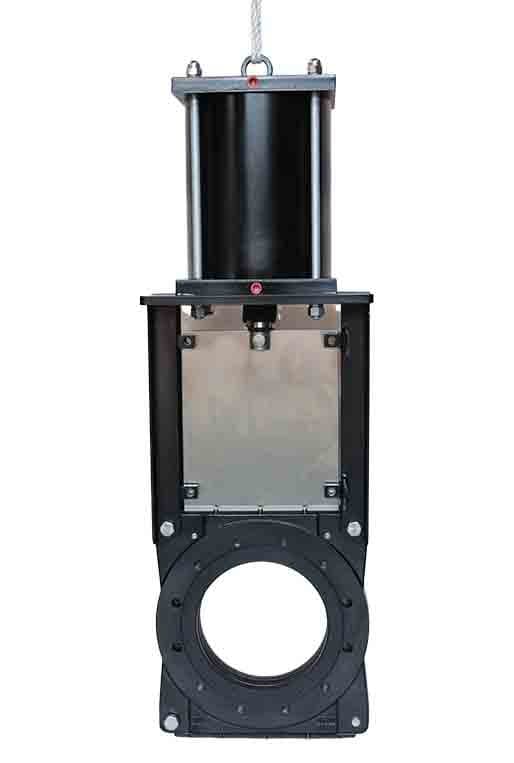
Шламовый шиберный клапан тяжёлого типа (удлинённой конструкции)
2" - 36" (DN50 - DN900) Металл-по-металлу (наплавка Stellite 6 на седле и наконечнике затвора), армированные эластомерные вставки доступны для конфигураций с более низким давлением в этом диапазоне Стандарты проектирования, установленные производителем, класс защиты корпуса ASME B16.34. При таких давлениях скорость пульпы через седловую зону ускоряется. Те же абразивные частицы, которые за год изнашивают седло класса 150, за недели прорежут незащищённое металлическое седло при скоростях потока класса 900. Именно поэтому клапаны для пульпы высокого давления получают наплавку Stellite 6 и на поверхность седла, и на наконечник затвора — две поверхности, которые испытывают самую высокую скорость и самый прямой удар частиц. Stellite 6 твёрдый. Он сопротивляется эрозии при скоростях, которые сняли бы мягкий металл за одну смену. Давление и абразив атакуют разные части клапана. Давление нагружает стенки корпуса, соединение крышки, каждый болт и каждую прокладку. Абразив атакует внутренние поверхности потока — седловую зону, кромки затвора, стенки полости корпуса, где пульпа рециркулирует. Клапан для пульпы высокого давления должен бороться с обоими одновременно, а это означает значительно большую толщину стенки, чем у стандартного пульпового клапана того же номинального размера. Корпус с удлиненной конфигурацией (увеличенное расстояние между гранями по сравнению с пластиной), двухсекционный корпус на болтах, полнопроходной канал, усиленная затворная решетка с направляющими ребрами, привод OS&Y или пневматический. Для применений класса 300-600 в диапазоне высокого давления болтовые крышки остаются стандартом — проще в обслуживании, хорошо проверены, и нагрузки на прокладку управляемы. Но если вы работаете с пульпой класса 900, вам нужна крышка с самоуплотнением. Это не премиальная опция — это правильное инженерное решение. A216 WCB покрывает большинство применений — углеродистая сталь, экономичная, проверенная в горнодобывающей пульпе при повышенных давлениях. A217 WC6/WC9 для более высоких температур. A182 F316 для коррозионной химии пульпы — кислая технологическая вода, хвосты с высоким содержанием хлоридов. A182 F51/F53 дуплексная нержавеющая сталь для применений, где нужны одновременно коррозионная стойкость и механическая прочность под давлением. Выбор материала зависит от того, что в вашей пульпе и при какой температуре она работает, а не только от класса давления. Для обеспечения полного прохождения через канал затвора без заклинивания необходима более длинная направляющая. Шлам переносит твердые частицы, которые скапливаются в узких пространствах — короткий канал затвора на пластине заполняется мусором, затвор заедает, и приходится многократно включать и выключать привод, чтобы протолкнуть его. Длинная направляющая обеспечивает затвору чистый путь движения с достаточным пространством для перемещения твердых частиц, предотвращая их сжатие в канале. Глубина гнезда седла должна быть достаточной. Эластомерные вставки для изоляции от суспензий требуют достаточного объема гнезда, чтобы сохранять свою форму под давлением трубопровода и абразивным потоком. Неглубокие гнезда седла пластинчатого типа деформируются при длительной эксплуатации. Длинный корпус седла обеспечивает структурную глубину для стабильной геометрии седла. Толщина стенки корпуса необходима для выживания. Пульпа со скоростью 2–3 м/с непрерывно разъедает внутренние поверхности. Тонкостенный корпус с плоскими стенками подходит для чистой воды. Он непригоден для сред, которые удаляют металл на миллиметры в год. Корпус, скрепленный болтами, состоит из двух частей — удобство в обслуживании имеет значение. Корпус, состоящий из двух частей, скрепленных болтами, разделяется по горизонтальному шву. В небольших установках можно открыть корпус, осмотреть седло, очистить канал задвижки и заменить изношенные компоненты, не вынимая клапан из трубопровода. В установках большего диаметра, где необходимо демонтировать трубопровод, болтовое соединение также экономит время — корпус разделяется для доступа внутрь без сварки или резки. Двухчастный болтовой или цельный корпус, усиленная конструкция стенок, два независимых уплотнительных контура (входное седло + выходное седло), бугель с самоуплотнением выше Class 600, выдвижной шток OS&Y или пневматический/гидравлический привод Двустороннее уплотнение и высокий класс давления обычно не сочетаются в одном клапане. Двунаправленные шиберные задвижки — те, что уплотняются в обоих направлениях потока, — как правило, ограничены Class 150 или 300. Эластомерные седла, которые делают двустороннее уплотнение доступным и практичным, не выдерживают высокого давления. Они деформируются, выдавливаются, выходят из строя. Шиберные задвижки высокого давления существуют, но большинство из них однонаправленные — шибер уплотняется против одного седла, и это седло работает только тогда, когда давление в линии толкает шибер в...
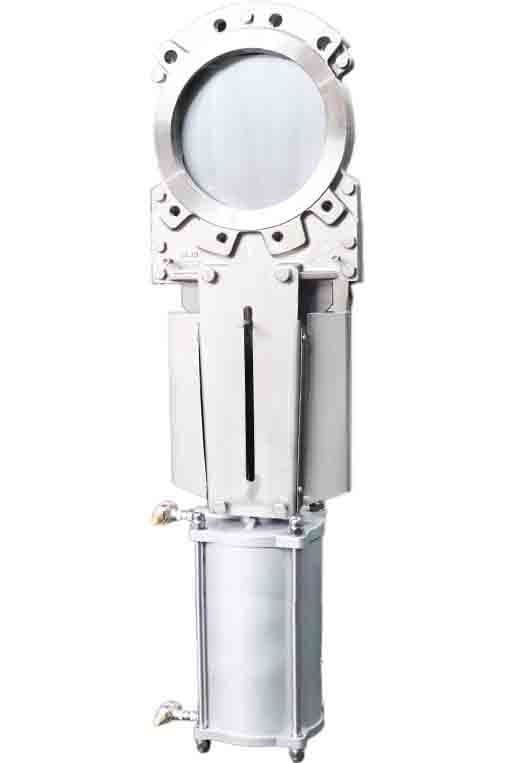
Шиберный клапан пневматический с двусторонним уплотнением
Одно нижнее по потоку седло (эластомер: EPDM/NBR/Viton, или PTFE), затвор прижимается к седлу только в одном направлении Одно седло, одно направление — и этого достаточно При обратном направлении потока затвор поднимается с седла. Клапан пропускает. Это звучит как недостаток, но это не так. Это замысел конструкции. Односторонние ножевые затворы выбираются для линий, где направление потока всегда известно и всегда постоянно. Самотёчные линии сброса, идущие под уклон. Нагнетательные линии насосов, где изолируется нижняя по потоку сторона, никогда не верхняя. Выходы резервуаров, где жидкость покидает резервуар и никогда не возвращается через тот же клапан. Если в вашей технологической линии давление с одной стороны и клапан должен удерживать только в этом направлении, односторонний ножевой затвор выполняет задачу с меньшим количеством компонентов, более лёгкой конструкцией и на 20–30% дешевле двунаправленного аналога того же размера. Горнодобывающие предприятия используют односторонние ножевые затворы на линиях сброса хвостов, распределительных коллекторах технологической воды и линиях перекачки пульпы, где насос всегда работает в одном направлении. Водоочистные сооружения используют их на линиях отвода осадка и линиях подачи фильтров. Целлюлозно-бумажные комбинаты используют их на линиях потока массы, где направление силы тяжести и насоса постоянно. Общая черта: давление в линии всегда поступает с одной стороны, и изоляция нужна только в этом направлении. Двойная седельная компоновка (верхняя + нижняя по потоку), эластомер (EPDM/NBR/Viton) или металл с наплавкой из стеллита Геометрия седла проста. Один карман, одно седловое кольцо, одно направление уплотнения. Нет верхнего по потоку седла для обслуживания, нет выравнивания двойных седел при сборке. Замена проста — вынуть старую вставку седла, вставить новую в карман, без специальных инструментов или притирки. Конструкция корпуса с пластинами означает, что клапан устанавливается между фланцами — без собственных фланцев клапана, меньший общий вес, меньший межфланцевый размер. Конструкция с фланцевым корпусом обеспечивает собственные фланцы клапана, если этого требует установка. В любом случае корпус легче, чем двунаправленный шиберный ножевой затвор того же размера, потому что есть только одно седловое гнездо и нет внутреннего механизма двойного уплотнения. Затвор также легче — не требуется толстое поперечное сечение для одновременного зацепления двух седел. Большинство ножевых задвижек обеспечивают герметизацию только в одном направлении. Поток прижимает задвижку к седлу, седло сжимается, и обеспечивается плотное уплотнение. При изменении направления потока задвижка отрывается от седла. Давление выходит. На технологических линиях с односторонним потоком это нормально. Однако во многих реальных технологических линиях давление присутствует с обеих сторон клапана. Рассмотрим запорный клапан резервуара, где давление в резервуаре действует в одну сторону, а давление в трубопроводе — в другую. Рассмотрим обводной трубопровод насоса, где необходимо изолировать клапан от противодавления из системы, расположенной ниже по потоку. Рассмотрим любую петлевую схему, где направление потока меняется в зависимости от того, какой насос работает. Во всех этих случаях однонаправленный ножевой затвор пропускает жидкость при обратном потоке — не потому, что клапан неисправен, а потому, что конструкция с одним седлом физически не может выдерживать давление с неправильного направления. Двунаправленное уплотнение решает эту проблему с помощью двух независимых седельных компоновок. Одно седло уплотняется, когда поток толкает затвор вперёд. Другое седло уплотняется, когда поток толкает затвор назад. Ни одно направление не получает поблажек. U-образное седло охватывает кромку затвора Наиболее распространённая конструкция двунаправленного седла — U-образная или периферийная седельная полость. Эластомерное или металлическое седло образует канал, который охватывает нижнюю кромку затвора — с обеих сторон, с обеих поверхностей. Когда затвор входит в седельную полость, он сжимает материал седла одновременно на входной и выходной поверхности. U-образная геометрия создаёт уплотнительный контакт независимо от того, с какой стороны поступает давление. Это отличается от двух отдельных плоских сёдел, установленных на противоположных сторонах затвора. Два плоских седла могут давать зазор при термических циклах или неравномерном износе. U-образная форма поддерживает непрерывный контакт по периметру затвора, что обеспечивает более стабильные уплотнительные характеристики в течение всего срока службы клапана. Пневматический привод — быстро, воспроизводимо, автоматизированно Пневматический цилиндровый привод перемещает затвор на полный ход за секунды. Цилиндры одностороннего действия с пружинным возвратом используют давление воздуха для открытия клапана и механическую пружину для его...
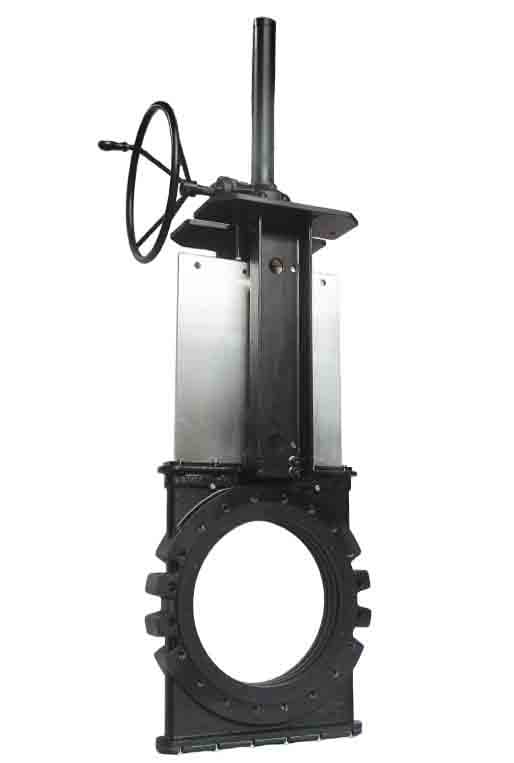
Цельнокорпусная шламовая задвижка
2" - 36" (DN50 - DN900) Класс 150 – 300 (до 20–50 бар) Номинальное давление корпуса по спецификации производителя, ASME B16.34 A216 WCB, ковкий чугун (A536 65-45-12), A351 CF8M Металл-по-металлу (наплавка стеллитом 6) или сменная эластомерная седельная вставка Цельнолитой корпус (без разъёма на болтах), полнопроходное отверстие, встроенная седельная полость, толстостенная конструкция, затвор с направляющими рёбрами, верхний выдвижным шпинделем или пневматический привод Один корпус, без прокладки корпуса — в этом вся суть Большинство шламовых задвижек состоят из двух частей. Две половины, стянутые болтами. Прокладка, зажатая между ними. Эта прокладка находится прямо в зоне контакта со средой — абразивный шлам протекает над ней, под ней, через каждую микроскопическую щель, которая открывается после тысячи термических циклов. Стык протекает. Он всегда в конечном итоге протекает. Горнодобывающие предприятия рассказывают нам одну и ту же историю: они затягивают болты корпуса, заменяют прокладку, через шесть месяцев она снова течёт, потому что шлам разъедает кромку прокладки изнутри потока. Цельная шламовая задвижка не имеет такого стыка. Корпус — это единая отливка — одна деталь, без разъёма, без прокладки корпуса, без болтов корпуса, за которыми нужно ухаживать. Соединение крышки с корпусом остаётся, но эта прокладка находится выше зоны контакта со средой, где шлам никогда её не касается. Путь утечки, который вызывает больше всего проблем на двухсоставных клапанах, здесь просто не существует. Именно поэтому на шахтах, работающих круглосуточно с хвостохранилищами, рекомендуется устанавливать клапаны на всю установку. Меньшее количество путей утечки означает меньшее количество остановок. В условиях работы с абразивными материалами каждое соединение представляет собой потенциальную опасность. Удалите соединение — устраните потенциальную опасность. От чего вы отказываетесь — и почему это того стоит Цельнолитой корпус означает, что вы не можете разъединить клапан, чтобы осмотреть внутренние детали сбоку. Доступ осуществляется через отверстие под крышку — снимите крышку, извлеките шибер и седло сверху. Для большинства ремонтных бригад это на самом деле быстрее, чем откручивать двухсоставной корпус, выравнивать его заново и заменять прокладку. Но если вам нужен визуальный доступ к полости корпуса без снятия узла крышки, двухсоставная конструкция даёт такую возможность. Компромисс очевиден. Вы теряете возможность бокового осмотра. Вы получаете нулевое количество утечек в местах соединения корпуса. В условиях непрерывной работы с суспензией, когда остановки производства приводят к потере производственных часов, этот компромисс почти всегда склоняет к выбору всего клапана установки. Шибер и седло работают вместе Шибер движется по направляющим рёбрам, отлитым в корпусе — а не по свободным направляющим, которые могут смещаться под давлением. Полнопроходное отверстие означает отсутствие ограничения потока при открытом клапане, что обеспечивает плавную скорость пульпы и снижает износ стенок корпуса, вызванный турбулентностью. Седловая выемка интегрирована в отливку, поэтому нет отдельного зазора седельного кольца, куда могла бы проникать пульпа. Для металлических седловых соединений покрытие Stellite 6 на поверхности седла обеспечивает защиту от абразивного износа. В тех случаях, когда более плотное перекрытие важнее максимальной износостойкости — например, при работе с низконапорными смесями на водной основе — сменная эластомерная вставка седла обеспечивает герметичное закрытие и возможность замены седла без замены всей поверхности седла. Толстые стенки, потому что пульпе всё равно на ваш график Абразивная пульпа разъедает всё, к чему прикасается. Тонкостенный корпус может соответствовать номинальному давлению на бумаге, но после двух лет прохождения хвостов через него со скоростью 3-4 м/с внутренние поверхности истончаются именно в тех местах, где поток поворачивает или ускоряется. Цельнокорпусные клапаны отливаются с толстыми стенками — дополнительная толщина там, где опыт показывает концентрацию износа. Это не перестраховка. Это горнодобывающий опыт, заложенный в отливку. О: Да. Снимите крышку, извлеките шибер и получите доступ к седловой выемке сверху. Вставка седла или наплавка обслуживается через отверстие под крышку — нет необходимости откручивать клапан от трубопровода. А: Да, это возможно, и многие предприятия так делают. Но при работе с абразивными суспензиями прокладка корпуса находится в зоне потока и подвергается воздействию изнутри трубопровода. Замена прокладки в двухсекционном корпусе означает полную остановку производства, откручивание болтов, выравнивание и повторную сборку. Клапан, установленный целиком, полностью исключает этот путь утечки. О: До 36" (DN900). Свыше этого отливка цельного корпуса становится непрактичной — толщина стенок, вес и возможности литейного производства...
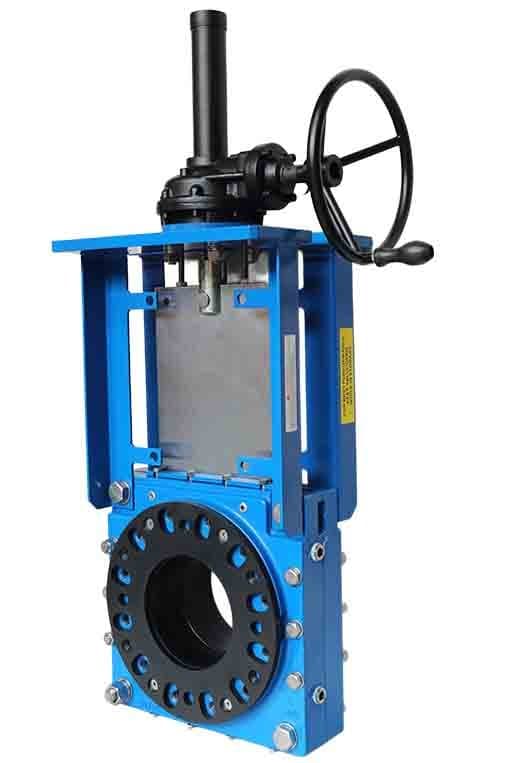
Шламовый клапан высоконапорный
2" - 24" (DN50 - DN600) Класс 300 - 900 (до 100-150 бар в зависимости от размера) ASME B16.34, специализированная конструкция для пульпы высокого давления от производителя A216 WCB, A217 WC6/WC9, A182 F316, A182 F51/F53 Металл-по-металлу (наплавка Stellite 6 на седло и торец затвора), армированные эластомерные вставки доступны для конфигураций с более низким давлением в этом диапазоне Цельнолитой или двухсекционный корпус с толстыми стенками, крышка с уплотнением под давлением выше класса 600, полнопроходной канал с износостойкой внутренней геометрией, подъемный шток OS&Y или пневматический/гидравлический привод. Когда ваша пульпопроводная линия работает при 100 бар Стандартные клапаны для пульпы ограничиваются классом 150 или 300. Это покрывает большинство транспортировок хвостов, большинство схем обогащения, большинство применений, где «клапан для пульпы» означает устройство, работающее с абразивной средой при умеренном давлении. Но некоторые линии работают жёстче. Нагнетательные линии насосов высокого давления в обогащении достигают 50-100 бар. Схемы плотностной сепарации работают при давлениях, где стенки корпуса стандартного клапана для пульпы были бы слишком тонкими — не только для номинального давления, но и для комбинированного воздействия давления и абразива. При таких давлениях скорость пульпы через седельную зону возрастает. Те же абразивные частицы, которые за год изнашивают седло класса 150, за недели прорежут незащищённое металлическое седло при скоростях потока класса 900. Именно поэтому клапаны для пульпы высокого давления получают наплавку Stellite 6 и на поверхности седла, и на кромке шибера — две поверхности, испытывающие наибольшую скорость и наиболее прямой удар частиц. Stellite 6 твёрдый. Он сопротивляется эрозии при скоростях, которые сняли бы мягкий металл за одну смену. Корпус создан для борьбы с двумя врагами одновременно Давление и абразивный износ воздействуют на разные части клапана. Давление создает напряжение на стенках корпуса, соединении крышки, каждом болте и каждой прокладке. Абразивный износ поражает внутренние поверхности потока — седло, кромки затвора, стенки полости корпуса, где рециркулирует шлам. Клапан высокого давления для шлама должен одновременно противостоять обоим воздействиям, а это означает значительно большую толщину стенок, чем у стандартного клапана для шлама того же номинального размера. Разницу видно, если поставить рядом клапан для пульпы 6" класса 900 и клапан для пульпы 6" класса 150. Корпус класса 900 заметно толще, заметно тяжелее. Внутренняя геометрия — проточные каналы, седловая выемка, канал шибера — спроектирована так, чтобы минимизировать зоны турбулентности, где абразивные частицы ускоряются и концентрируются. Плавные переходы, щедрые радиусы, никаких острых внутренних углов, где пульпа может застаиваться и вызывать эрозию. Крышка с самоуплотнением выше класса 600 Болтовые крышки с прокладками отлично работают до Class 600. Выше этого прокладка крышки становится слабым звеном — внутреннее давление постоянно воздействует на неё, а в условиях пульпы прокладка деградирует быстрее, чем при работе с чистыми жидкостями. Крышки с самоуплотнением (pressure seal) решают эту проблему, используя внутреннее давление для активации уплотнения. С ростом давления в линии уплотнение становится плотнее. Нет прокладки крышки для замены, нет необходимости поддерживать затяжку болтов против ползучести. Чем выше давление, тем лучше уплотнение крышки. Для применений Class 300-600 в диапазоне высоких давлений болтовые крышки остаются стандартом — проще в обслуживании, хорошо проверены, а нагрузки на прокладку управляемы. Но если вы работаете с пульпой на Class 900, вам нужна крышка с самоуплотнением. Это не премиальный вариант — это правильное инженерное решение. Выбор материала соответствует условиям эксплуатации A216 WCB покрывает большинство применений — углеродистая сталь, экономически эффективна, проверена в горнодобывающей пульпе при повышенных давлениях. A217 WC6/WC9 для более высоких температур. A182 F316 для коррозионной пульпы — кислая технологическая вода, хлоридсодержащие хвосты. A182 F51/F53 дуплексная нержавеющая сталь для применений, где требуется одновременно коррозионная стойкость и механическая прочность под давлением. Выбор материала зависит от состава пульпы и температуры её работы, а не только от класса давления. О: Можно — примерно на три месяца. Стандартные задвижки не рассчитаны на абразивные среды. Посадочные поверхности, внутренние элементы корпуса и сальник штока быстро изнашиваются при прохождении пульпы. Высоконапорный клапан для пульпы имеет седла с наплавкой Stellite, абразивостойкую внутреннюю геометрию и сальник, рассчитанный на среду с твёрдыми частицами. Класс давления аналогичен, но способность работать с пульпой принципиально иная. О: Армированные эластомерные вставки могут выдерживать Class 300-400 в некоторых...
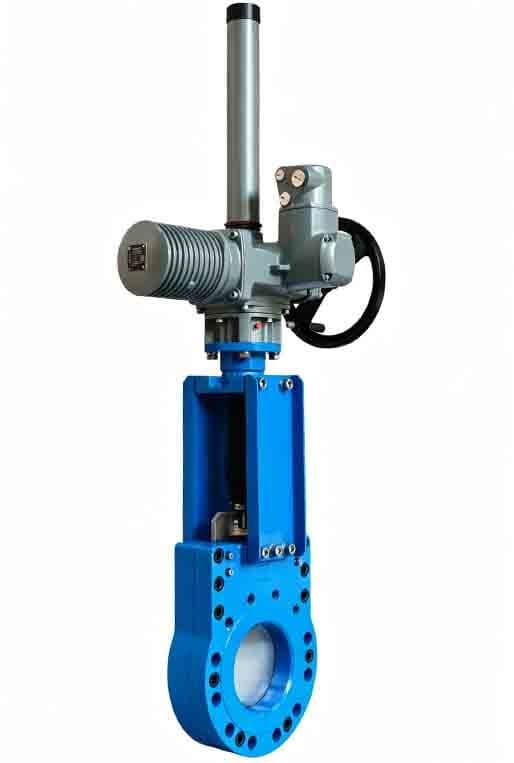
Шиберный клапан высоконапорный с двусторонним уплотнением
2" - 24" (DN50 - DN600) Class 300 - 900 (до 150 бар / 2200 фунтов на кв. дюйм) ASME B16.34, двунаправленная высоконапорная конструкция по спецификации производителя A216 WCB, A182 F316, A182 F51/F53, A217 WC6/WC9 Двойные седла металл-по-металлу (наплавка Stellite 6 на входном и выходном седлах), пружинный или клиновой механизм активации седла Двухчастный болтовой или цельный корпус, усиленная конструкция стенок, два независимых уплотнительных контура (входное седло + выходное седло), крышка с самоуплотнением выше Class 600, выдвижной шток OS&Y или пневматический/гидравлический привод Две проблемы, которые обычно требуют двух разных клапанов Двунаправленное уплотнение и высокий класс давления обычно не сочетаются в одном клапане. Двунаправленные ножевые задвижки — те, что уплотняются в обоих направлениях потока — обычно ограничены Class 150 или 300. Эластомерные седла, которые делают двунаправленное уплотнение доступным и практичным, не выдерживают высокого давления. Они деформируются, выдавливаются, выходят из строя. Высоконапорные ножевые задвижки существуют, но большинство из них однонаправленные — затвор уплотняется против одного седла, и это седло работает только когда давление в линии толкает затвор в правильном направлении. Но некоторым технологическим линиям нужно и то, и другое. Схемы обогащения полезных ископаемых, где направление потока меняется при периодических операциях. Передаточные линии, где давление может быть с любой стороны в зависимости от того, какой насос работает. Точки изоляции, где клапан должен держать герметично независимо от того, с какой стороны приходит давление — а это давление 50 бар, 100 бар, 150 бар. Именно здесь высоконапорный двунаправленный шиберный ножевой клапан становится единственным практичным ответом. Два независимых седла, без общей слабой точки Клапан имеет два металлических седла — входное и выходное — оба с наплавкой Stellite 6. Каждое седло уплотняется независимо. Когда давление приходит со стороны входа, выходное седло держит. Когда давление меняет направление, входное седло держит. Затвору не важно, с какой стороны давит давление, потому что оба седла пружинные или клиновые, поддерживающие контактное давление на затвор независимо от направления давления в линии. Это ключевой механизм. Пружинные седла прижимаются к поверхности затвора постоянно — не только когда давление в линии помогает уплотнению. Давление в линии усиливает активное седло, но неактивное седло всё равно держит, потому что сила пружины сохраняет его в зацеплении. Клиновые седла используют механический клин, который прижимает седло к затвору при достижении затвором закрытого положения. В любом случае оба уплотнительных контура независимы. Если одно седло повреждено, второе всё равно уплотняет. Это резервирование, которого нет в конструкции с одним седлом. Металлические седла, потому что эластомер не может выполнить эту задачу При давлениях класса 900 эластомерные седла исключаются. Перепад давления на седле слишком высок — эластомер выдавливается через зазор седла под такой нагрузкой, даже с противоэкструзионными кольцами. Наплавка Stellite 6 на обоих седлах обеспечивает твёрдость, необходимую для сопротивления абразивной пульпе при высокой скорости, и способность металлического уплотнения удерживать давление 150 бар. Поверхности сёдел обрабатываются с жёсткими допусками и притираются для точности контакта. Это недёшево, но это то, что работает. Для конфигураций класса 300-500 в этом диапазоне можно указать армированные эластомерные вставки на одном или обоих сёдлах, если химический состав пульпы и давление это допускают. Но стандартная конструкция класса 600 и выше — двойное металлическое уплотнение. Без компромиссов. Тяжёлый корпус, крышка с уплотнением под давлением, серьёзная конструкция Толщина стенки корпуса соответствует ASME B16.34 для номинального класса давления плюс дополнительная толщина на износ от абразивной пульпы. При классе 900 корпус существенно тяжелее, чем двунаправленный ножевой шибер класса 300 того же размера — это не опционально, это конструктивно необходимо. Крышка с уплотнением под давлением выше класса 600 исключает прокладку крышки как путь утечки при экстремальном внутреннем давлении. Для классов 300-600 стандартной является крышка на болтах. Выбор привода имеет значение при таких давлениях. Шток OS&Y с выдвижным ходом даёт визуальную индикацию положения и ручное управление с контролируемым усилием посадки. Пневматический привод работает для классов 300-500, где усилия посадки управляемы. Гидравлический привод рекомендуется для класса 600 и выше — усилия, необходимые для посадки шибера на два подпружиненных металлических седла при 150 бар, превышают то, что эффективно обеспечивают пневматические цилиндры. А: Можно, но вы платите за двунаправленную возможность, которая вам не нужна. Если направление потока всегда известно, однонаправленный задвижной...
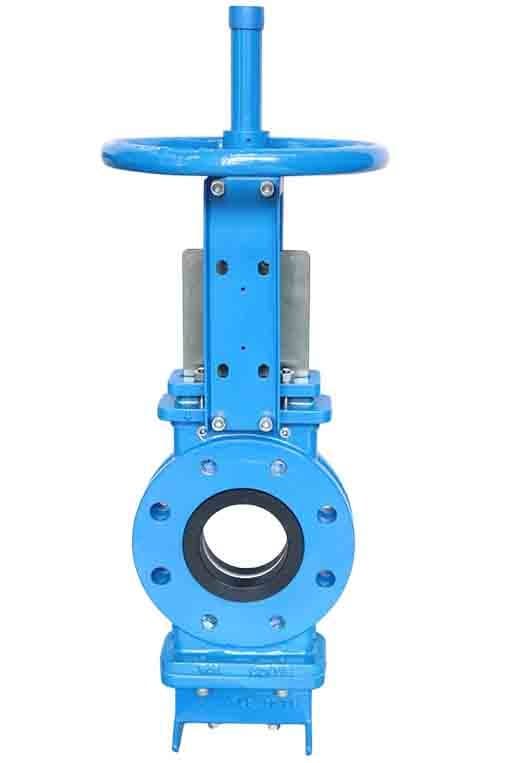
Шиберный клапан с односторонним уплотнением
2" - 24" (DN50 - DN600) Класс 150 - 300 (до 20 бар / 300 фунтов на кв. дюйм) MSS SP-81, ASME B16.34 A216 WCB, A351 CF8M, A351 CF8, высокопрочный чугун Одно нижнее по потоку седло (эластомер: EPDM/NBR/Viton или PTFE), шибер прижимается к седлу только в одном направлении Межфланцевый или фланцевый корпус, без крышки или с крышкой на болтах, один карман седла на стороне нижнего по потоку, облегчённый шибер, ручной рычаг или пневматический привод Одно седло, одно направление — и этого достаточно Однонаправленный ножевой задвижной клапан обеспечивает герметизацию только в одном направлении. Давление в трубопроводе прижимает задвижку к седлу клапана, расположенному ниже по потоку, седло слегка сжимается, и клапан надежно фиксируется. Это весь механизм герметизации — никаких пружин, никаких двойных седел, никакой сложной внутренней геометрии. Простота — вот в чем суть. Измените направление потока — и шибер отрывается от седла. Клапан пропускает. Это звучит как недостаток, но это не так. Это замысел конструкции. Однонаправленные ножевые шиберы указываются для линий, где направление потока всегда известно и всегда постоянно. Самотёчные линии сброса, идущие под уклон. Нагнетательные линии насосов, где вы изолируете нижний по потоку участок, но никогда верхний. Резервуарные выпуски, где жидкость покидает резервуар и никогда не возвращается через тот же клапан. Если в вашей технологической линии давление с одной стороны и клапану нужно удерживать только в этом направлении, однонаправленный ножевой шибер выполняет задачу с меньшим количеством компонентов, более лёгкой конструкцией и на 20-30% дешевле двунаправленного аналога того же размера. Где это работает — и где нет Горнодобывающие предприятия используют однонаправленные ножевые шиберы на линиях сброса хвостов, распределительных коллекторах технологической воды и линиях перекачки пульпы, где насос всегда работает в одном направлении. Водоочистные сооружения используют их на линиях отвода осаждённого шлама и линиях подачи фильтрата. Целлюлозно-бумажные комбинаты используют их на линиях потока массы, где гравитация и направление насоса постоянны. Общая нить: давление в линии всегда поступает с одной стороны, и изоляция нужна только в этом направлении. Где это не работает: любая линия, где давление может измениться на обратное. Замкнутые циркуляционные системы. Линии, подключённые к двум источникам, которые чередуются. Точки изоляции, где клапан должен удерживать независимо от того, с какой стороны давление. В таких применениях двунаправленный ножевой шибер — правильный выбор: вам нужны два седла, и за них нужно платить. Эластомерные седла, которые действительно работают Для классов 150-300 эластомерные седла являются правильным выбором для большинства применений с пульпой. EPDM — для водных пульп и технологической воды с нейтральным pH. NBR — для пульп с содержанием масла и технологических потоков, загрязнённых углеводородами. Витон — для агрессивных химических пульп с кислотами, растворителями или высокотемпературными органическими средами. PTFE — для химической стойкости там, где совместимость эластомеров ограничена. Седло размещается в кармане на нижней стороне корпуса — затвор вдавливается в него под действием рабочего давления, эластомер сжимается вокруг кромки затвора, и вы получаете герметичное перекрытие без пузырьков при доле стоимости металлического седла. Геометрия седла проста. Один карман, одно кольцо седла, одно направление уплотнения. Нет необходимости в обслуживании седла, расположенного выше по потоку, и нет необходимости в выравнивании двух седл во время сборки. Замена проста — выньте старую вставку седла, вставьте новую в карман, никаких специальных инструментов или притирки не требуется. Лёгкий корпус, простая установка Конструкция корпуса с пластинчатым типом означает, что клапан устанавливается между фланцами — без собственных фланцев клапана, меньший общий вес, меньший межфланцевый размер. Конструкция корпуса с фланцами дает собственные фланцы клапана, если это требуется для монтажа. В любом случае корпус легче, чем двунаправленный шиберный ножевой клапан того же размера, потому что есть только одно седловое гнездо и нет внутреннего механизма двойного уплотнения. Затвор также легче — не требуется толстое поперечное сечение для одновременного взаимодействия с двумя седлами. Ручное рычажное управление подходит для клапанов от 2" до 6", где усилие посадки от рабочего давления достаточно, а рычаг даёт чёткую визуальную индикацию положения. Пневматический привод — для больших размеров или автоматизированного управления процессом. Выбор привода прост, поскольку требование к усилию посадки ниже — рабочее давление выполняет большую часть работы, прижимая затвор к седлу. О: Клапан не будет герметизировать. Затвор поднимается с седла под обратным давлением, и линия пропускает через себя. Стрелочные обозначения на корпусе показывают...
Технический обзор
Ножевые задвижки перерезают среды, с которыми не справляются обычные задвижки — волокнистую массу, оседающие шламы, хвосты с взвешенными частицами, липкие технологические остатки, которые заклинивают параллельно-седельную задвижку до того, как она достигнет закрытого положения. Лезвиеобразный затвор разрезает всё, что находится в потоке, вместо того чтобы пытаться отодвинуть это в сторону. В этом принципиальная разница между ножевой и обычной клиновой задвижкой: одна режет, другая клинит, и в средах, накапливающихся на поверхности седла, резание побеждает. FLOWKS производит девять конфигураций ножевых задвижек и задвижек для пульпы — от лёгких межфланцевых однонаправленных изолирующих задвижек до тяжёлых длинноходовых задвижек для пульпы, двунаправленных конструкций с двойным седлом, задвижек с полиуретановой футеровкой для абразивных сред и высоконапорных агрегатов класса до 900. Межфланцевые корпуса устанавливаются между фланцами трубопровода с минимальной занимаемой площадью. Фланцевые корпуса крепятся болтами непосредственно в линию. Цельнолитые корпуса («моноблочные») исключают прокладку разъёма корпуса как путь утечки. Двунаправленные конструкции уплотняют затвор с обеих сторон с помощью двух независимых уплотнительных границ. Однонаправленные конструкции уплотняют только в одном направлении — дешевле, проще, достаточно для линий с известным направлением потока. Полиуретановая футеровка защищает все смачиваемые поверхности от абразивного износа. Высоконапорные конфигурации используют металлические седла из стеллита 6 и крышки с давлением уплотнения для работы свыше 50 бар. Каждая конфигурация основана на одном и том же принципе действия: затвор с острыми кромками, который разрезает среду и уплотняется по периферийному уплотнению, а не заклинивается между двумя параллельными поверхностями, задерживающими мусор.
Загрузки продукции
Отрасли, использующие этот продукт
Применение в различных промышленных секторах.
Water Treatment
Reliable flow control solutions for desalination, wastewater, and potable water systems. FLOWKS butterfly valves and check valves are widely used in water infrastructure projects.
Mining
Abrasion-resistant valves for slurry, tailings, and mineral processing applications. FLOWKS knife gate valves and butterfly valves are built to withstand harsh mining environments.
products.lookingMore
products.lookingMoreDesc
Ball Valves
FLOWKS offers floating ball valve, trunnion mounted ball valve and top entry ball valve for oil & gas, petrochemical and power generation. Designed per API 6D, API 608 and ASME B16.34.
DBB Valves
FLOWKS Double Block & Bleed (DBB) valves provide dual isolation with bleed verification in a single compact body. Replacing traditional multi-valve installations, FLOWKS DBB valves reduce weight, space and potential leak paths. Available in bolted bonnet, all-welded and expanding gate designs per API 6D and API 607.
Gate Valves
FLOWKS gate valves for isolation service in piping systems. Flexible wedge, solid wedge, slab and expanding gate designs per API 600, API 602 and ASME B16.34.
Globe Valves
FLOWKS globe valves for throttling and isolation. Standard, angle, Y-pattern and bellows seal configurations per API 602 and BS 1868.