products.productRange
Полный спектр промышленных клапанов для любых применений.
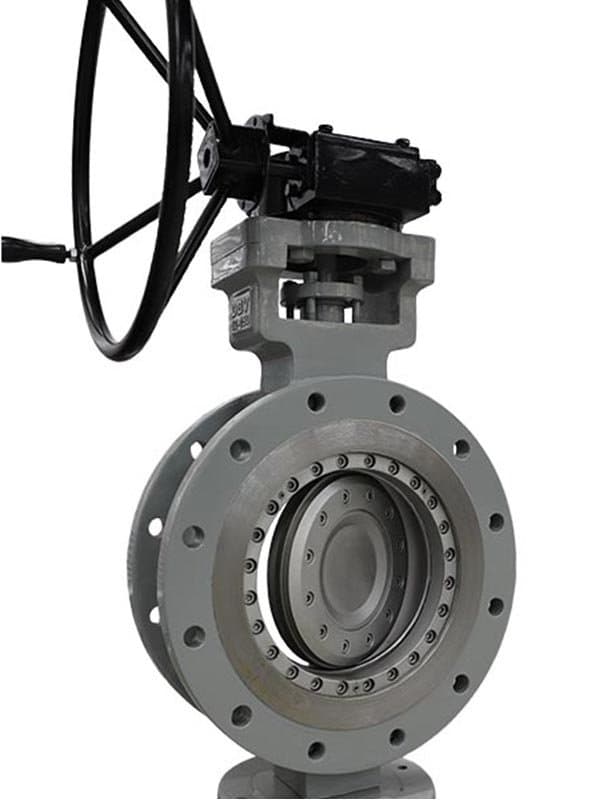
Затвор дисковый тройной эксцентричный с металлическим седлом
Металл-по-металлу (наплавка Stellite 6 на седельном кольце, закалённая кромка диска), пожаробезопасность по API 607 Класс 150 - 600 (PN 10 - 100) Трёхэксцентриковая геометрия решает эту проблему на структурном уровне. Вал смещён от центральной линии диска в трёх плоскостях — осевой, радиальной и угловой. Эти три смещения заставляют диск двигаться по кулачковой траектории. При начале открытия клапана диск немедленно приподнимается с седла. Он свободно вращается почти на весь ход 90° без контакта с седельным кольцом. Только в последние 2-3 градуса закрытия диск кулачково возвращается в седло и прижимается к нему для уплотнения. Когда пожаробезопасность не является опцией Металлическое соединение (накладка из стеллита 6 на посадочном кольце, закаленный край диска), огнестойкость согласно API 607. Тройной эксцентрик (вал смещен относительно центральной линии в трех плоскостях — осевой, радиальной, угловой), вращение диска с кулачковым механизмом исключает трение в седле при перемещении на 90°, нулевой контакт с поверхностью до последних 2-3° закрытия, металлическое седло рассчитано на циклическую работу при высоких температурах. Все три работают вместе. Вы не получите тот же результат с двумя смещениями. Двойной эксцентрик уменьшает трение, но не устраняет его. Тройной эксцентрик устраняет трение на всем ходе, за исключением зоны уплотняющего контакта в закрытом положении. В этом разница между металлическим седлом, которое служит один сезон, и металлическим седлом, которое служит годы. О: Задвижки работают, но они тяжелые, медленно срабатывают, а клиновой механизм склонен к заеданию после длительного нахождения в одном положении. Трехэксцентриковые дисковые затворы срабатывают за 90°, весят меньше, а кулачковая геометрия предотвращает заклинивание седла. Для частых циклов при высокотемпературном режиме дисковый затвор — лучший выбор. Тройная эксцентрическая геометрия решает эту проблему на структурном уровне. Вал смещен относительно центральной линии диска в трех плоскостях — осевой, радиальной и угловой. Эти три смещения обеспечивают перемещение диска по траектории кулачка. При начале открытия клапана диск немедленно отрывается от седла. Он свободно вращается почти на протяжении всего хода в 90° без какого-либо контакта с кольцом седла. Только в последние 2-3 градуса закрытия диск возвращается в седло и прижимается к нему для герметизации. О пневматическом центровом дисковом затворе Когда пожарная безопасность не является необязательной. Пожар на нефтехимическом трубопроводе — это не гипотетическая ситуация. Это сценарий, который необходимо учитывать при проектировании. Эластомерные седла горят. Они размягчаются. Они теряют герметичность, пока трубопровод находится под давлением. Металлическое седло не горит. Оно не размягчается. Оно сохраняет механический уплотнительный контакт во время пожара, потому что его посадочные поверхности изготовлены из закаленного сплава, а не из резины. Огневые испытания по стандарту API 607 это подтверждают. Клапан обгорает, охлаждается, снова обгорает — и при этом сохраняет свой класс герметичности. Тройная эксцентриковая геометрия также играет здесь важную роль, поскольку кулачковый механизм закрытия обеспечивает постоянное и воспроизводимое усилие контакта седла независимо от теплового расширения или деформации корпуса. Концентрическая конструкция означает, что вал, диск и корпус имеют общую центральную ось. Диск вращается вокруг собственного центра. При закрытии он вдавливается в эластомерную футеровку, соединенную с отверстием корпуса. Футеровка охватывает кромку диска на 360°. Это двунаправленное уплотнение, встроенное в конструкцию седла — нет предпочтения направлению потока, нет необходимости ориентировать клапан по стороне давления. Что на самом деле делают три смещения Давайте разберем это по пунктам. Осевое смещение перемещает вал за плоскость диска, так что диск отходит от седла со стороны, противоположной потоку, во время открытия. Радиальное смещение смещает вал относительно центральной линии трубы, так что кулачок диска поднимается равномерно. Угловое смещение наклоняет ось вала относительно плоскости седла, так что диск обеспечивает постепенно более плотное уплотнение на последних степенях закрытия — большее усилие контакта, лучшая целостность уплотнения, отсутствие чрезмерного сжатия, которое могло бы повредить седло. Все три работают вместе. Вы не получите тот же результат с двумя смещениями. Двойной эксцентрик уменьшает трение, но не устраняет его. Тройной эксцентрик устраняет трение на всем ходе, за исключением зоны уплотняющего контакта в закрытом положении. Это разница между металлическим седлом, которое служит один сезон, и металлическим седлом, которое служит годы. Если ваше применение превышает эти пределы, вам нужен высокопроизводительный или трёхэксцентриковый клапан. Но для большинства систем водораспределения, HVAC и общего...
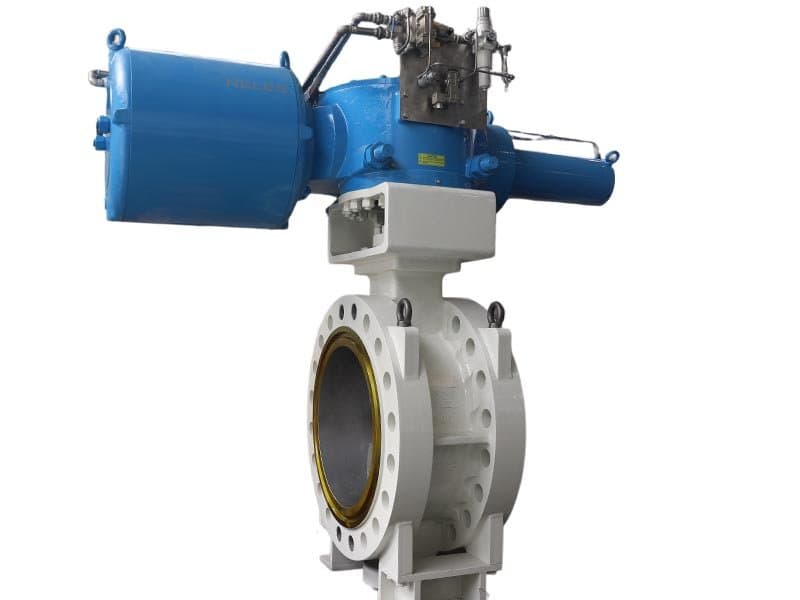
Пневматический центричный затвор дисковый
Посмотрите на ушки фланцев межфланцевого дискового затвора. Сквозные отверстия. Болты проходят через корпус клапана и ввинчиваются в гайки на другом фланце трубопровода. Оба фланца зажимают клапан вместе. Отсоедините один фланец — и клапан ослабнет: он может сдвинуться, упасть, он не может удерживать давление с оставшейся стороны. Эта механическая независимость — вся причина существования дисковых затворов типа Lug. Межфланцевые клапаны дешевле и легче, но требуют наличия и крепления обоих фланцев. Клапаны типа Lug стоят немного дороже и весят немного больше, но дают возможность односторонней изоляции, которую межфланцевые корпуса просто не могут обеспечить. Эластичная вставка из упругого эластомера (EPDM, NBR, Viton, с покрытием из ПТФЭ) приклеена к внутренней поверхности диска — диск герметизирует соединение с вставкой в обоих направлениях. Концентрическое (центровое) выравнивание вала — центр вала, центр диска и центр корпуса находятся на одной оси. Пневмоцилиндровый привод (одностороннего действия с пружинным возвратом или двустороннего действия), позиционер опционально для регулирующего управления Внутри корпуса типа Lug механизм уплотнения идентичен межфланцевому центрическому дисковому затвору. Концентрическая геометрия — вал, диск и корпус на одной центральной оси. Эластомерная облицовка, привулканизированная к расточке корпуса, диск сжимается в облицовку в закрытом положении, двусторонняя герметизация за счёт обхвата облицовкой на 360°. Варианты облицовки EPDM, NBR, Viton подбираются под вашу среду. О: Любое применение, где может потребоваться отсоединить один фланец трубопровода, оставляя другую сторону в работе — изоляция ответвлений в системах HVAC, запорные клапаны на ответвлениях водораспределительных сетей, точки завершения линии, тупиковые установки. Если оба фланца всегда остаются соединенными и нужен лишь недорогой запорный клапан, достаточно wafer. Если важна независимость с одной стороны — указывайте lug. Водопроводные линии. Контуры охлажденной воды HVAC. Общая технологическая изоляция, где среда не горячая, не абразивная, не достаточно агрессивная, чтобы оправдать высокопроизводительный клапан. Это территория, где живут центровые дисковые затворы — и они живут там, потому что геометрия проста, а экономика очевидна. О: Задвижки могут работать в тупиковой линии, но они тяжелее, медленнее и дороже, чем дисковый затвор lug того же размера и класса давления. Для изоляции воды и HVAC при Class 150 дисковый затвор lug изолирует быстрее (ход 90° против многооборотного), весит меньше и стоит меньше. Если требуется более высокое давление или температура, или если необходима классификация плотного закрытия сверх возможностей эластомерной облицовки, рассмотрите задвижки или шаровые краны. Здесь не нужны тройные смещения. Не нужна металлическая посадка. Эластомерный вкладыш выполняет функцию уплотнения, а эластомер прощает ошибки — он деформируется при контакте с диском, восстанавливается при открытии диска и сохраняет герметичность после тысяч циклов в обычной воде и лёгких технологических средах. EPDM — для воды и конденсата пара. NBR — для масла и топлива. Viton — когда требуется химическая стойкость. Вкладыш с PTFE-покрытием — когда процесс требует более твёрдой поверхности с некоторой эластомерной податливостью underneath. Почему пневматический привод имеет значение Двойной эксцентриситет (высокопроизводительный) — смещение вала от центра диска в двух плоскостях (осевой + радиальный). Диск отрывается от седла при начальном повороте, снижая трение о седло и увеличивая ресурс циклов. Корпус wafer — зажим между фланцами трубопровода. Односторонние пружинные приводы обеспечивают надежное позиционирование — пружина закрывает клапан при утечке воздуха, что является стандартным режимом работы запорного клапана. Двухсторонние приводы обеспечивают более высокую скорость хода и полный контроль в обоих направлениях, что подходит для модулирующего режима работы, где клапан находится в открытом и закрытом положениях. Добавьте позиционер, и вы получите пропорциональное управление — сигнал 4-20 мА приводит привод в движение под любым углом от 0° до 90°. Это превращает запорный клапан в регулирующий клапан для регулирования потока в водопроводных и вентиляционных линиях. Пневматический пакет монтируется непосредственно на корпус клапана через кронштейн и муфту. Никакой геометрии рычагов, никакой внешней трансмиссии. Компактно, чисто, и крутящий момент привода передается прямо на вал диска. Где центровая конструкция достигает своих пределов Это сниженное контактное трение — ключевое преимущество. На концентрическом клапане диск скребет по эластомерной облицовке на протяжении всего хода 90°. Каждый цикл царапает седло. После достаточного числа циклов облицовка истончается, теряет сжатие против кромки диска и начинает пропускать. На двухэксцентриковом клапане диск контактирует с седлом только в...
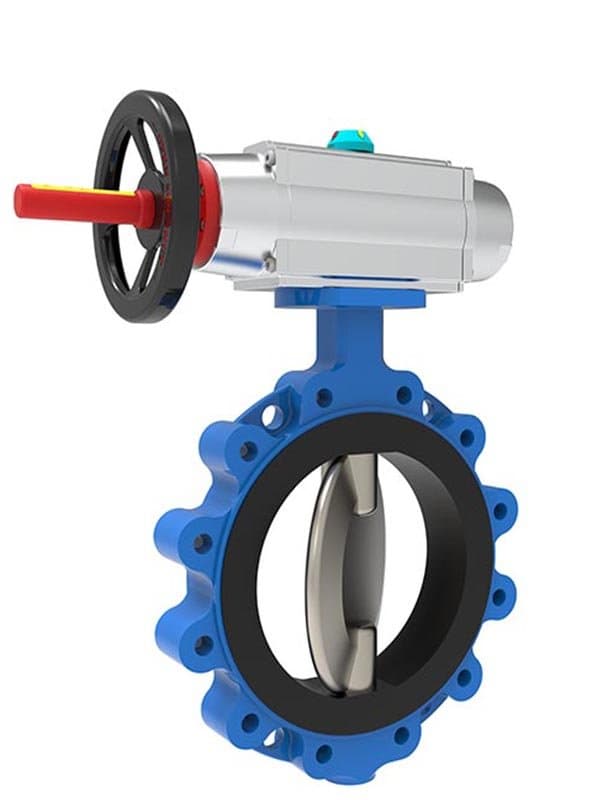
Затвор дисковый с резьбовыми ушами, центричный
Конструкция: трехэксцентриковая геометрия (смещение вала в трех плоскостях), кулачковое вращение диска Многослойное седло решает обе проблемы в одном компоненте. Базовое кольцо из нержавеющей стали или стеллита обеспечивает структурную основу. Сверху находится гибкий графитовый уплотнительный слой, который сжимается против кромки диска — герметично при нормальных температурах. Когда в условиях пожара графит обугливается при 800°F+, металлическое базовое кольцо под ним все еще удерживает диск и сохраняет целостность уплотнения. Эластичная эластомерная прокладка (EPDM, NBR, Viton), приклеенная к внутренней поверхности корпуса. Корпус с выступами — резьбовые отверстия в выступах фланца корпуса, болты ввинчиваются в выступы с каждой стороны независимо. Позволяет использовать устройство в тупиковом положении (один фланец отсоединен, клапан удерживается с другой стороны). Концентричное расположение валов, ручной рычажный или редукторный привод. Никогда не перетягивайте болты фланцев. Графитовый слой сжимается под нагрузкой, но чрезмерное натяжение болтов разрушает его без возможности восстановления. Соблюдайте перекрёстную схему постепенной затяжки. Для размеров от 24" и выше проверяйте осадку седла после первоначальной затяжки — если при испытании атмосферным давлением происходит утечка воздуха, выполните ещё один проход затяжки до полной посадки графита на кромку диска. После правильного сжатия он держит герметичность. О: Графит обугливается. Металлическое базовое кольцо поддерживает контакт уплотнения с диском. Клапан проходит испытания на огнестойкость, поскольку металлическое кольцо обеспечивает структурную уплотняющую поверхность после выгорания графита. Посмотрите на выступы фланца на дисковом задвижном клапане. Это сквозные отверстия. Болты проходят через корпус клапана и ввинчиваются в гайки на другом фланце трубопровода. Оба фланца зажимают клапан в нужном положении. Отсоедините один фланец, и клапан ослабнет — он может скользить, может упасть, он не сможет удерживать давление с другой стороны. Теперь рассмотрим корпус проушины. Резьбовые отверстия в каждом выступе фланца. Болт с левого фланца трубопровода ввинчивается в проушину с этой стороны. Болт с правого фланца трубопровода ввинчивается в проушину с другой стороны. Каждая проушина крепится к клапану независимо. Отсоедините одну проушину трубопровода, и клапан останется прикрученным к другой стороне. Он удерживает положение. Он удерживает давление. Он перекрывает подачу жидкости в нижележащий трубопровод. Именно эта механическая независимость является основной причиной существования дисковых затворов с фланцами. Дисковые затворы дешевле и легче, но для их установки требуется наличие и крепление болтами обоих фланцев. Дисковые затворы стоят немного дороже и весят немного больше, но они обеспечивают возможность односторонней изоляции, чего дисковые затворы просто не могут обеспечить. Седло: металл-по-металлу (наплавка Stellite 6 или карбид вольфрама на седле и уплотнительной кромке диска) Литой корпус отлично работает при Class 150-300. Толщина стенки достаточная, пористость выявляется радиографией, давление держится. При переходе за Class 600 в диапазон 900 на клапане 4" или 6" расчёт меняется. Пористость литья — микроскопические пустоты от затвердевания — становится точкой зарождения разрушения при длительной высоконапорной нагрузке. Стенка тонкая относительно переносимого давления. Пустота в тонкой стенке при 1500 PSI — это не косметический дефект. Это трещина, ожидающая начала. Дисковый клапан так не может. Снимите один фланец, и корпус клапана останется без опоры — он сместится, начнет протекать, станет опасным. Корпус клапана с выступами навинчивается на каждый фланец независимо, поэтому клапан остается механически закрепленным и герметичным с той стороны, которая еще подключена. Наплавка Stellite 6 на седле. Карбид вольфрама на уплотнительной кромке диска. Две твёрдые поверхности циклически взаимодействуют при каждой операции. Металлическое уплотнение по металлу звучит так, будто должно быстро изнашиваться — но этого не происходит, потому что эксцентриковая геометрия поднимает диск с седла сразу при открытии. Нет скользящего контакта. Нет задиров. После 10 000 циклов седло всё ещё держит. После 50 000 износ всё ещё в пределах допуска. Шламовые линии, регенерация катализатора, абразивные потоки, разрушающие эластомерные седла за недели — эти поверхности выдерживают нагрузку и продолжают уплотнять. Кованые корпуса из A182 F51 и F53 выдерживают хлоридные среды, которые разъедают стандартную нержавейку. Морская закачка воды на шельфе. Рассол опреснения. Технологические потоки, где 316L покрывается питтингом за месяцы. Дуплексные кованые корпуса дают коррозионную стойкость плюс целостность границы давления в одной спецификации. Никакого литья с дополнительными требованиями NDE — ковка чиста по определению. Внутри корпуса уплотнительный...
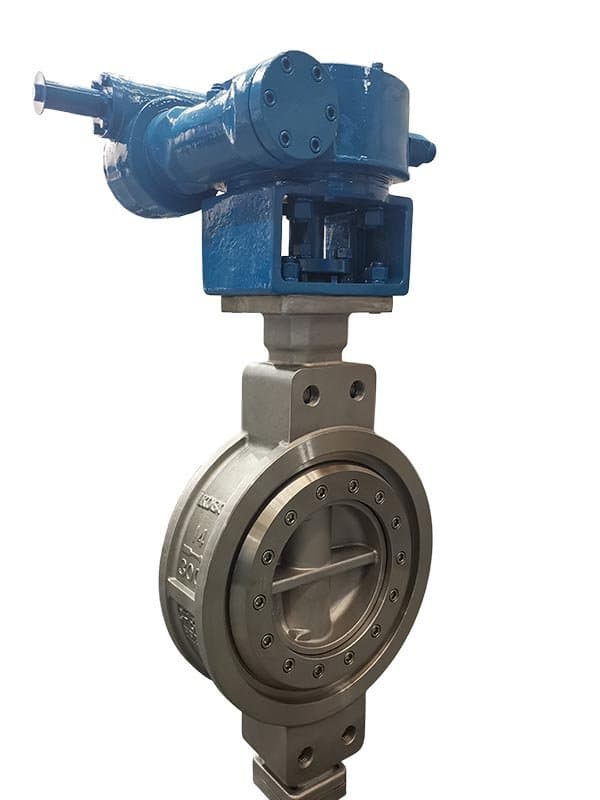
Затвор дисковый wafer двойной эксцентричный
2" - 48" (DN50 - DN1200) О: У Wafer нет резьбовых ушек — болты проходят между фланцами. Открутите одну сторону — и клапан выпадает. У Lug есть резьбовые ушки с каждой стороны фланца, что позволяет независимое крепление болтами и изоляцию с одной стороны. О: Да, в пределах Class 150-300. Независимое крепление болтами с каждой стороны позволяет снять один фланец, пока upstream удерживает клапан под полным рабочим давлением. Уточните конкретный рейтинг тупикового режима для вашего типоразмера и материала. Эластичный эластомер (EPDM/NBR/Viton) на кромке диска или ПТФЭ/модифицированный ПТФЭ для более высоких температур; опционально металлическое посадочное кольцо со стеллитовым покрытием для высокотемпературных конфигураций. Двухэксцентриковый (высокопроизводительный) — смещение вала от центра диска в двух плоскостях (осевой + радиальный). Диск отрывается от седла при начальном повороте, снижая трение о седло и увеличивая ресурс циклов. Корпус типа «wafer» — устанавливается между фланцами трубопровода. API 609, ASME B16.34, EN 593 Седло: металл-по-металлу (наплавка Stellite 6) или многослойное композитное седло (металлическая основа + гибкий графит) Запорные вентили с центральным расположением лопастей обеспечивают хорошую герметизацию при низком давлении. Они дешевы, просты и эффективны. Но как только давление приближается к классу 300, диск начинает деформироваться под действием перепада нагрузки. При повышении температуры выше допустимой для эластомера происходит износ футеровки. При увеличении количества циклов трения между диском и седлом эластомер начинает изнашиваться из-за трения. Клапаны с тройным эксцентриковым креплением и металлическим седлом справляются со всеми этими задачами. Они обеспечивают герметизацию класса 600, выдерживают температуру выше 350°C и циклическую работу при контакте металла с металлом без ухудшения характеристик. Однако они также стоят значительно дороже, и для многих применений в диапазоне между пределами осевого расположения и областью применения клапанов с тройным эксцентриковым креплением они являются избыточными. В этом и заключается проблема. Двойной эксцентрик — то, что API 609 называет «высокопроизводительным поворотным затвором» — заполняет этот пробел. Два смещения вала смещают диск от центральной линии седла. Диск поднимается кулачком на первых градусах вращения, а не скользит по поверхности седла. Снижено трение. Увеличен срок службы седла. Как правило, в 3-5 раз больше циклов до замены седла по сравнению с концентрическими конструкциями. Выдерживает давление до класса 300. Выдерживает температуру до приблизительно 250°C с седлами из ПТФЭ или модифицированного ПТФЭ. Вариант с металлическим седлом и покрытием из стеллита для работы при умеренно высоких температурах. Все это в корпусе типа «пластина», который устанавливается между фланцами трубопровода — наиболее компактный из доступных вариантов монтажа. Именно поэтому некоторые установки указывают концы под сварку встык. Подземные камеры, подводные переходы, пожаробезопасные линии высокого давления, где требуется минимум внешних точек утечки — постоянная установка является правильным инженерным решением. Вы планируете, что он останется на весь срок службы трубопровода. Осевое смещение располагает вал позади плоскости центральной оси диска, так что диск отходит от седла со стороны, противоположной потоку, во время вращения при открытии. Радиальное смещение располагает вал вне центральной оси трубы, так что диск равномерно поднимается в начале вращения. Вместе эти два смещения создают кулачковое движение — диск отходит от седла в первые градуса открытия, а не скользит по нему. Ключевое преимущество заключается в снижении контактного трения. В концентрическом клапане диск скользит по эластомерной футеровке на протяжении всего хода в 90°. Каждый цикл скользит по седлу. После достаточного количества циклов футеровка изнашивается, теряет прижимную силу к краю диска и начинает протекать. В двойном эксцентрическом клапане диск контактирует с седлом только в закрытом положении и на последних градусах закрытия. Остальная часть хода проходит без трения. Материал седла служит дольше. Интервалы между плановыми техническими обслуживаниями увеличиваются. Время безотказной работы оборудования повышается. Эластомерное седло располагается на кромке диска, а не в отверстии корпуса — это еще одно отличие от конструкции с центральной осью. Посадка на кромке диска обеспечивает более плотную и четко выраженную зону контакта уплотнения. Седла из ПТФЭ и модифицированного ПТФЭ на кромке диска позволяют достичь более высокого температурного предела, чем эластомерные вкладыши в отверстии корпуса. Металлические кольца седла с покрытием из стеллита на диске позволяют работать при умеренно высоких температурах без увеличения стоимости эксцентриковой муфты втрое. О: Концы клапана имеют скос под сварку по ASME B16.25. Процедуры сварки,...
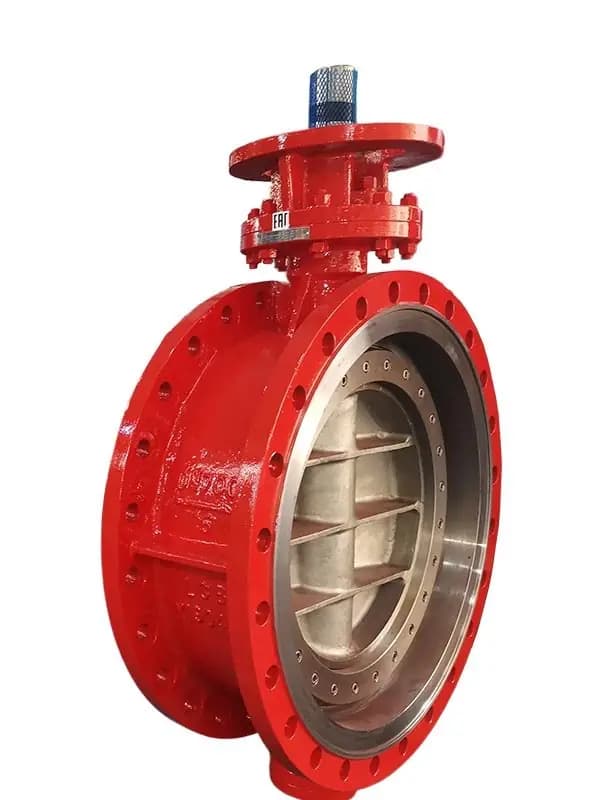
Затвор дисковый тройной эксцентричный с многослойным седлом
Размер: 2" - 48" (DN50 - DN1200) Давление: Class 150 - 600 (PN 10 - 100) Стандарт: API 609, ASME B16.34, API 607 (огнестойкий), ISO 15848 Материалы корпуса: A216 WCB, A351 CF8M, A351 CF8, A182 F316 Седло: многослойное композитное седло — базовое кольцо из нержавеющей стали или Stellite + гибкий графитовый уплотнительный слой + опциональный эластомерный амортизирующий слой Конструкция: трёхэксцентриковая геометрия (смещение вала в трёх плоскостях), кулачковое вращение диска Трёхэксцентриковые клапаны с металлическим седлом отлично работают при высоких температурах. Но при комнатной? Микроскопические зазоры в металлическом контакте означают измеримую утечку — не ужасную, но не нулевую. Клапаны с эластомерным седлом герметичны при комнатной температуре, каждый раз. Пока не случится пожар. Тогда резина выгорает, и ничто не удерживает линию. Многослойное седло решает обе проблемы в одном компоненте. Базовое кольцо из нержавеющей стали или Stellite обеспечивает структурную основу. Сверху находится гибкий графитовый уплотнительный слой, который сжимается против кромки диска — герметично при нормальных температурах. Когда в условиях пожара графит обугливается при 800°F+, металлическое базовое кольцо под ним всё ещё удерживает диск и сохраняет целостность уплотнения. Вот почему в нефтехимической отрасли всё чаще используются многослойные седла клапанов. Вам не нужно выбирать между "герметичностью при комнатной температуре" и "сохранностью после пожара". Это седло обеспечивает и то, и другое. Три смещения защищают графит Тройное смещение означает три плоскости смещения между осевой линией вала и уплотнительной поверхностью диска. Вместе они создают кулачковое вращение — диск поднимается с седла немедленно, а не скребёт по нему. Меньше скребущего воздействия — меньше износа графитового слоя. Если вы когда-либо заменяли мягкое седло, которое выглядело так, будто его тащили по наждачной бумаге, вы понимаете, почему кулачковое действие важно для композитных седел. Графит прочен, но не неуничтожим. Трёхэксцентриковая геометрия защищает его на протяжении тысяч циклов. Где инженеры указывают это Переработка сырьевых установок с перепадами температур от 650°F в технологическом процессе до окружающей среды при остановках. Химические реакторы, работающие при высоких температурах, но изолированные при комнатной температуре для обслуживания. Огнестойкие изолирующие клапаны для морских платформ, которые также должны соответствовать требованиям по выбросам ISO 15848. Если ваша спецификация требует API 607 И пузырьковую герметичность при окружающей температуре, этот клапан удовлетворяет обоим требованиям без дополнительного изолирующего клапана ниже по потоку. Никогда не перетягивайте болты фланцев. Графитовый слой сжимается под нагрузкой, но чрезмерное усилие затяжки разрушает его без возможности восстановления. Соблюдайте перекрестную схему с поэтапным моментом затяжки. На размерах от 24" и более проверяйте сжатие седла после первоначальной затяжки — если воздух проходит при испытании атмосферным давлением, выполните еще один проход затяжки до полной посадки графита на кромку диска. После правильного сжатия он держит. О: Да. Гибкий графитовый слой закрывает микроскопические зазоры, которые остаются при чисто металлическом контакте седел при окружающей температуре. Пузырьковая герметичность достижима и воспроизводима. А: Графит обугливается. Металлическое кольцо основания обеспечивает герметичный контакт с диском. Клапан проходит испытания на огнестойкость, поскольку металлическое кольцо обеспечивает структурную герметизирующую поверхность после сгорания графита. О: Да. Снимите диск, извлеките старое седло, установите новое, соберите обратно. Для размеров от 24" и выше планируйте двух техников и чистую поверхность — без мусора между графитом и кромкой диска при повторной сборке. О: Чисто металлические седла проходят испытания на огнестойкость, но часто допускают измеримую утечку при атмосферном давлении. Если ваши требования включают и огнестойкость, и плотное закрытие при нормальных условиях, чисто металлическое седло может не удовлетворить требование по утечке при атмосферном давлении.
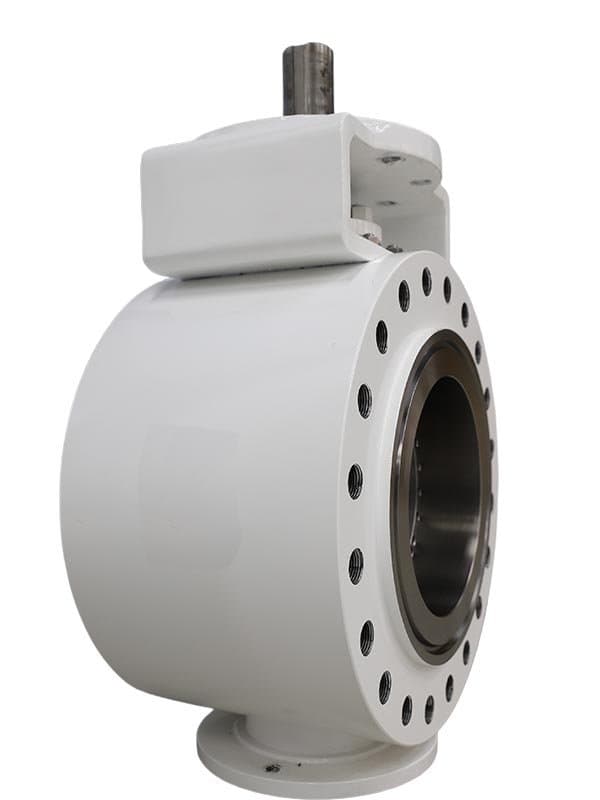
Кованый затвор дисковый с металлическим седлом
Размер: 2" - 12" (DN50 - DN300) Давление: Class 150 - 900 (PN 10 - 150) Стандарт: ASME B16.34, API 609, ISO 15848, API 607 (огнестойкий) Материалы корпуса: A182 F316 (кованый), A182 F51/F53 (кованый Duplex/Super Duplex), A182 F5/F9/F11/F22 (кованый Cr-Mo), A182 F304 (кованый) Седло: металл-по-металлу (наплавка Stellite 6 или карбид вольфрама на седельном кольце и уплотняющей кромке диска) Конструкция: кованый корпус, тройная или двойная эксцентриковая геометрия Литые корпуса отлично работают при Class 150-300. Толщина стенки достаточная, пористость выявляется радиографией, давление держится. При переходе за Class 600 в диапазон 900 на клапане 4" или 6" математика меняется. Литейная пористость — микроскопические пустоты от затвердевания — становится точкой зарождения разрушения при длительной высоконапорной нагрузке. Стенка тонкая относительно переносимого давления. Пустота в тонкой стенке при 1500 PSI — это не косметический дефект. Это трещина, готовая начаться. Ковка устраняет этот риск. Кованый корпус A182 F316 или F51 имеет однородную зернистую структуру в каждом сечении границы давления. Без пустот. Без скрытой пористости. Каждый квадратный миллиметр имеет одинаковую прочность на растяжение, одинаковый предел текучести, одинаковую пластичность. ASME B16.34 позволяет кованым корпусам более высокие номиналы давления с уверенностью, потому что целостность материала предсказуема. Компромисс: стоимость ковки растет с размером. Кованый корпус 12" дорог, но производство возможно. Выше 12" ковка становится запретительной, а толщина стенки увеличивается достаточно, чтобы управлять литейной пористостью через RT-контроль. Поэтому этот продукт ограничен 12" — экономика делает литье рациональным выше этого размера. Твердые седла, которые не изнашиваются Наплавка Stellite 6 на седельном кольце. Карбид вольфрама на уплотняющей кромке диска. Две твердые поверхности, циклически контактирующие друг с другом при каждой операции. Металлическое уплотнение звучит так, будто должно быстро изнашиваться — но это не так, потому что эксцентриковая геометрия поднимает диск с седла немедленно при открытии. Без скользящего контакта. Без задиров. После 10 000 циклов седло все еще держит. После 50 000 износ все еще в пределах допуска. Шламовые линии, рекуперация катализатора, абразивные потоки, разрушающие эластомерные седла за недели — эти поверхности выдерживают нагрузку и продолжают уплотнять. Дуплексная система для работы в коррозионных средах Кованые корпуса A182 F51 и F53 выдерживают хлоридные среды, которые разъедают стандартную нержавеющую сталь. Морское нагнетание воды на шельфе. Рассол опреснения. Технологические потоки, где 316L подвергается питтингу в течение месяцев. Кованые корпуса Duplex обеспечивают коррозионную стойкость плюс целостность границы давления в одной спецификации. Без литья с дополнительными требованиями NDE — ковка чиста по определению. О: Радиография выявляет видимую пористость, но не микроскопические пустоты. При Class 900 на тонкостенном малом корпусе пустота, слишком малая для RT, все еще может инициировать усталостную трещину при циклической нагрузке. Ковка устраняет эту неопределенность. О: Кованые корпуса A182 F22 рассчитаны на длительную эксплуатацию до приблизительно 1050°F согласно ASME B16.34. F5 и F9 покрывают более низкие диапазоны в семействе Cr-Mo. О: Седельное кольцо заменяемое. Наплавка диска не подлежит полевому ремонту — Stellite и карбид вольфрама требуют контролируемых заводских условий для повторного нанесения. Планируйте запасные части для ответственных сред. А: Ковка деталей размером более 12 дюймов становится экономически нецелесообразной. Требования к прессованию, объему материала и стоимости механической обработки превышают рыночные ожидания. Для деталей больших размеров используется литье с надлежащим неразрушающим контролем — увеличенная толщина стенок позволяет контролировать пористость.
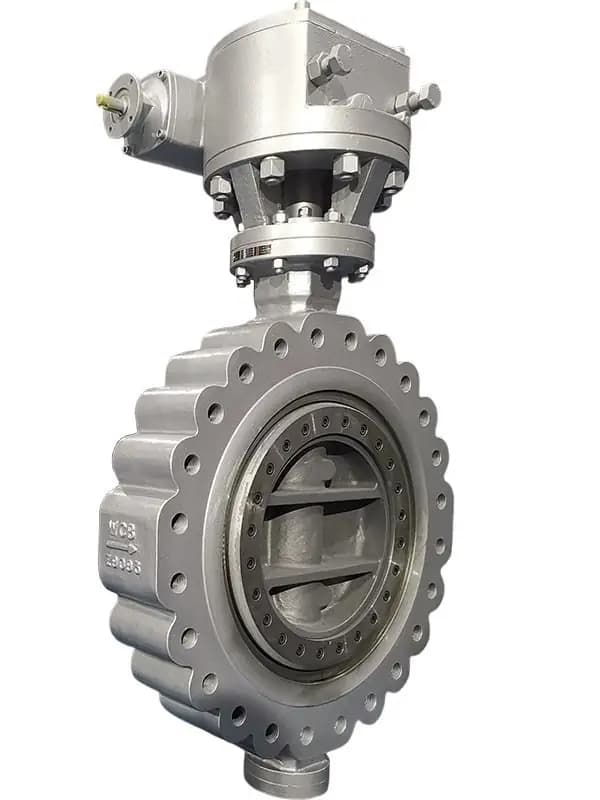
Затвор дисковый с резьбовыми ушами и многослойным седлом
Размер: 2" - 24" (DN50 - DN600) Давление: Class 150 - 300 / PN 10-40 Стандарт: API 609, API 607 (огнестойкий), EN 593 Материалы корпуса: A216 WCB, высокопрочный чугун (GGG40), A351 CF8M Седло: многослойное композитное седло — металлическое базовое кольцо + гибкий графитовый уплотняющий слой Конструкция: корпус Lug с резьбовыми фланцевыми проушинами, двойная или тройная эксцентриковая геометрия Корпус Lug удерживает себя в трубопроводе Задвижки с ушками остаются в трубопроводе, когда вы откручиваете один из болтов. Резьбовые выступы на корпусе — по одному комплекту с каждой стороны фланца — позволяют независимо затягивать болты. Открутите болт ниже по потоку, снимите секцию трубы, и задвижка останется на месте. Болты выше по потоку удерживают её. Это тупиковое обслуживание. Это перекрытие потока без извлечения задвижки. Корпусы типа wafer так не работают. Открутите одну сторону — и дисковый затвор выпадает. Если требуется изоляция с одной стороны — обслуживание downstream-оборудования при сохранении давления upstream — нужен корпус типа lug. Точки изоляции на НПЗ, концевые участки нефтехимических линий, коллекторные станции на шельфе требуют именно этого. Ремонтная бригада откручивает одну сторону, работает, и закручивает обратно. Затвор никогда не покидает линию. Многослойное седло: герметично при нормальной температуре, работоспособно после пожара Композитное седло состоит из металлического базового кольца, расположенного под гибким графитовым уплотнительным слоем. В нормальном режиме работы: графит прижимается к краю диска, обеспечивая герметичное перекрытие. Отсутствие видимых утечек. Соответствует стандарту ISO 15848. В условиях пожара: графит обугливается, металлическое базовое кольцо сохраняет герметичный контакт. Пройдено огнестойкость по стандарту API 607. Нефтехимические спецификации всё чаще требуют многослойные седла на изолирующих затворах, потому что нельзя позволить себе затвор, который герметичен при нормальной температуре, но выходит из строя при пожаре. Также нельзя позволить себе тот, который переживает пожар, но протекает при нормальной температуре настолько, что нарушает требования по выбросам. Многослойное седло покрывает оба требования одним компонентом. Дополнительный изолирующий затвор downstream не требуется. Где эта комбинация имеет значение Точки изоляции на НПЗ с доступом для обслуживания downstream и требованиями пожаробезопасности для углеводородов. Концевые участки нефтехимических линий между технологическими установками — обязательны и пожаробезопасность, и плотное закрытие. Шельфовые платформы, где корпуса с проушинами позволяют изоляцию по модулям во время ремонтных кампаний без извлечения затворов. Любая установка, требующая режима глухого конца И сертификации пожаробезопасности И пузырьковой герметичности при нормальной температуре — этот затвор отвечает всем трём требованиям. A216 WCB — углеродистая сталь для стандартного нефтеперерабатывающего применения — экономически эффективна, выдерживает Class 150-300. Высокопрочный чугун GGG40 для водоснабжения и водоотведения, где углеродистая сталь избыточна. A351 CF8M — нержавеющая сталь для агрессивных сред и хлоридных условий. Конфигурация многослойного седла остаётся неизменной для всех трёх вариантов корпуса. О: Межфланцевый затвор не имеет резьбовых проушин — болты проходят между фланцами. Открутите одну сторону — затвор выпадает. Затвор с проушинами имеет резьбовые проушины на каждой стороне фланца, что позволяет независимое крепление болтами и изоляцию с одной стороны. О: Да. Графит обугливается при воздействии огня, но металлическое базовое кольцо сохраняет герметичность относительно диска. Требования как по сквозным утечкам, так и по внешним утечкам выполняются. О: Да, в пределах классов 150-300. Независимое крепление болтами с каждой стороны позволяет снять один фланец, пока upstream удерживает затвор под полным рабочим давлением. Подтвердите конкретный рейтинг глухого конца для вашего типоразмера и материала. О: Седло является заменяемым. Гибкий графит обеспечивает длительный срок службы в нормальных условиях. Если после длительных циклов появится утечка — замените седло, нет необходимости заменять затвор. Избегайте чрезмерной затяжки фланцевых болтов при монтаже, которая сжимает графит без возможности восстановления. A: GGG40 подходит для применения в системах водоснабжения, водоотведения и коммунальных службах с низкой коррозионной стойкостью. Он дешевле, чем WCB, и обладает достаточными механическими свойствами для класса 150-300. Для работы с углеводородами или коррозионными средами следует использовать WCB или CF8M.
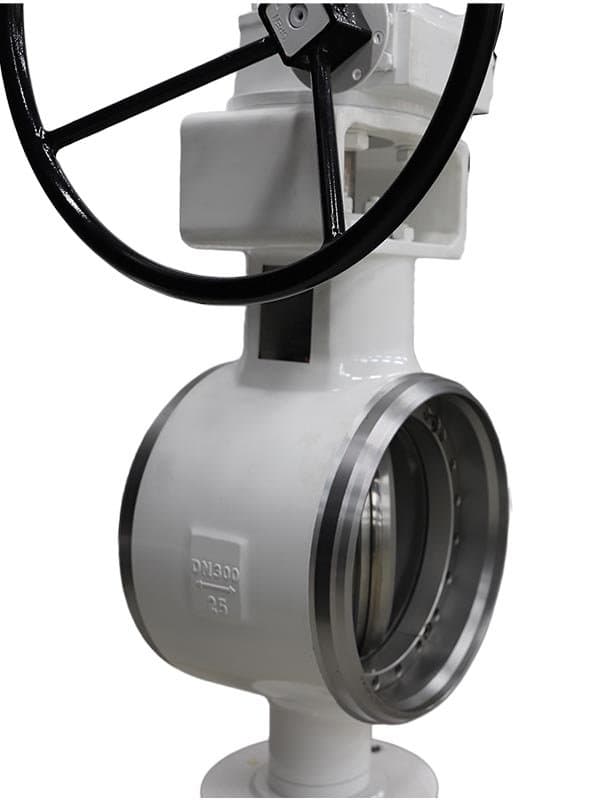
Эксцентричный затвор дисковый с приварными концами
Диаметр: 2" - 24" (DN50 - DN600) Давление: класс 150 - 600 / PN 10-100 Стандарт: ASME B16.34, API 609, ISO 15848 Материалы корпуса: A216 WCB, A182 F316 (кованый для меньших типоразмеров), A351 CF8M Седло: металл-по-металлу (наплавка Stellite 6) или многослойное композитное седло (металлическая основа + гибкий графит) Конструкция: концевые соединения под сварку встык (со скосом по ASME B16.25), двухэксцентриковая или трёхэксцентриковая геометрия Нет фланцев, нет прокладок, нет путей утечки Каждое фланцевое соединение имеет две точки отказа: прокладку и болты. Прокладки стареют и сжимаются неравномерно. Болты ослабевают при термических циклах, теряют предварительную затяжку, и прокладка опускается ниже уплотнительного сжатия — теперь у вас путь утечки, который не виден, пока не проявится как выбросы или капли на полу. При классе 600+ фланцевые соединения требуют тяжёлого крепежа и толстых прокладок, и они всё равно остаются самым слабым уплотнением в линии. Концы под сварку встык устраняют оба фактора. Концы затвора имеют скос по ASME B16.25. Привариваются непосредственно к трубе. Нет прокладки между затвором и трубопроводом. Нет схемы затяжки болтов для обслуживания. Нет внешнего пути утечки. После выполнения, контроля и приёмки сварного шва это соединение становится постоянным. Оно не стареет. Оно не ослабевает. Оно не течёт. Это важно в трёх сценариях. Линии высокого давления класса 600+, где каждый фланец — это объект обслуживания и источник выбросов. Подземные или подводные установки, где повторная затяжка болтов требует раскопок. Пожаробезопасные системы, где прокладки выгорают — сварные соединения не выгорают. Вваренный означает постоянный Компромисс очевиден. Сварной встык дисковый затвор невозможно извлечь без вырезания. Когда вы ввариваете этот затвор в линию, он становится постоянным компонентом трубопровода. Именно поэтому некоторые установки указывают концы под сварку встык. Подземные камеры, подводные переходы, пожаробезопасные линии высокого давления, где требуется минимум внешних точек утечки — постоянная установка является правильным инженерным решением. Вы планируете, что он останется на весь срок службы трубопровода. Если ваша установка требует периодического извлечения затвора, укажите фланцевые концы. Сварка встык — для постоянной эксплуатации. Эксцентриковая геометрия защищает оба типа седел Поворот диска с кулачковым действием от двойной или тройной эксцентричной геометрии немедленно поднимает диск с седла, а не скользит по нему. Для металлического седла Stellite 6 это означает отсутствие истирания твердой наплавки при каждом цикле — покрытие выдерживает абразивные и высокотемпературные условия эксплуатации. Для многослойного композитного седла графитовый слой не соскабливается при вращении — герметичность с нулевой утечкой сохраняется на протяжении тысяч циклов. Меньшее трение на седле также снижает крутящий момент при работе. Меньшие размеры приводов упрощают ручное управление. На клапане, стационарно установленном в подземном хранилище, меньший крутящий момент означает отсутствие избыточного размера — меньший вес, меньшее техническое обслуживание в труднодоступных местах. О: Нулевой путь внешней утечки в соединении клапана с трубопроводом. Нет прокладки, нет болтов, нет механического уплотнения, которое ослабевает со временем. Сварное соединение является постоянным и соответствует нормам. О: Только путем разрезания сварных швов. Это клапан для постоянной установки. Если применение требует периодического демонтажа, укажите фланцевые концы. О: Металлическое седло Stellite 6 для высокотемпературных, абразивных или циклических условий эксплуатации выше 500°F, где требуется сертификация пожаробезопасности и допустима утечка в окружающую среду. Многослойное композитное седло, когда в одном клапане нужны одновременно пожаробезопасность и герметичность с нулевой утечкой при температуре окружающей среды. О: Концы клапана имеют скосы под сварку согласно ASME B16.25. Процедуры сварки, присадочные материалы и термическая обработка после сварки должны соответствовать ASME B31.3 или применимому проектному кодексу. WCB использует стандартные процедуры для углеродистой стали. F316 требует нержавеющий присадочный материал и контролируемый подвод тепла. О: Да. Сварные концы встык предпочтительны для подземных и подводных трубопроводов — нет прокладок, которые могут протекать, нет болтов, которые могут корродировать. Укажите внешние покрытия в соответствии с проектными требованиями для материала корпуса в данной среде.
Технический обзор
Поворотные дисковые затворы поворачивают диск на 90° внутри потока для открытия или закрытия — это простейший механизм с четвертьоборотным приводом в промышленной арматуре. Именно эта простота объясняет доминирование поворотных затворов в водоснабжении, системах отопления, вентиляции и кондиционирования, а также в общих технологических процессах изоляции: одна движущаяся часть, один ход на 90°, одна уплотнительная поверхность, минимальные габариты, самая низкая стоимость на дюйм диаметра среди всех типов запорной арматуры. FLOWKS производит восемь конфигураций поворотных затворов, охватывающих три принципа уплотнения и три формата присоединения корпуса. Концентрические (осевые) конструкции выравнивают вал, диск и корпус на одной оси — диск скользит по поверхности седла при вращении, что просто и дёшево, но ограничено по рабочему давлению и ресурсу циклов. Двухэксцентриковые (высокопроизводительные) конструкции смещают вал в двух плоскостях, так что диск кулачково приподнимается с седла при открытии, уменьшая трение и увеличивая срок службы эластомерного седла в 3-5 раз. Трёхэксцентриковые конструкции смещают вал в трёх плоскостях, так что диск контактирует с седлом только в последние 2-3° закрытия — бесфрикционный ход, обеспечивающий металлическое уплотнение для высокотемпературных и пожаробезопасных условий. Типы седел варьируются от эластомерных вкладышей (EPDM, NBR, Viton — пузырьковая герметичность, низкая стоимость, ограничение по температуре) через металлические седла (наплавка Stellite 6 — пожаробезопасность, высокая температура, незначительная утечка при нормальных условиях) до многослойных композитных седел (металлическое базовое кольцо + гибкий графитовый слой — пузырьковая герметичность при нормальных условиях И пожаробезопасность в условиях пожара). Присоединения корпуса включают межфланцевое (зажим между фланцами, самое тонкое, самое дешёвое), с резьбовыми проушинами (независимая изоляция с одной стороны) и под приварку встык (постоянная установка сваркой, нулевые внешние пути утечки). Пневматические, электрические, гидравлические и ручные приводы охватывают весь диапазон требований автоматизации процессов.
Загрузки продукции
Отрасли, использующие этот продукт
Применение в различных промышленных секторах.
Petrochemical
Corrosion-resistant valves for aggressive media in chemical processing plants. FLOWKS alloy and fluorine-lined valves are engineered to handle the most challenging petrochemical environments.
Water Treatment
Reliable flow control solutions for desalination, wastewater, and potable water systems. FLOWKS butterfly valves and check valves are widely used in water infrastructure projects.
LNG
Cryogenic valves engineered for liquefied natural gas processing and transportation. FLOWKS cryogenic service valves are tested to -196degC per BS 6364.
Mining
Abrasion-resistant valves for slurry, tailings, and mineral processing applications. FLOWKS knife gate valves and butterfly valves are built to withstand harsh mining environments.
products.lookingMore
products.lookingMoreDesc
Ball Valves
FLOWKS offers floating ball valve, trunnion mounted ball valve and top entry ball valve for oil & gas, petrochemical and power generation. Designed per API 6D, API 608 and ASME B16.34.
DBB Valves
FLOWKS Double Block & Bleed (DBB) valves provide dual isolation with bleed verification in a single compact body. Replacing traditional multi-valve installations, FLOWKS DBB valves reduce weight, space and potential leak paths. Available in bolted bonnet, all-welded and expanding gate designs per API 6D and API 607.
Gate Valves
FLOWKS gate valves for isolation service in piping systems. Flexible wedge, solid wedge, slab and expanding gate designs per API 600, API 602 and ASME B16.34.
Globe Valves
FLOWKS globe valves for throttling and isolation. Standard, angle, Y-pattern and bellows seal configurations per API 602 and BS 1868.